
Quick Answer
The best alternatives to the Rara Lake trek in 2027 to 2030 are the Khaptad trek at $700 to $1,200 for 6 to 9 days reaching 3,300 m, the Api Base Camp trek at $1,400 to $2,200 for 14 to 18 days reaching 4,000 m, the Mugu Cultural trek at $1,200 to $1,800 for 12 to 16 days reaching 3,500 m, and the Shey Phoksundo trek at $1,300 to $2,000 for 12 to 16 days reaching 3,600 m. Pick based on scenery priority, schedule, and fitness.
Detailed Breakdown
The Rara Lake trek reaches Nepal's largest lake at 2,990 m inside Rara National Park in the Karnali far west. The 8 to 12 day trek costs $1,000 to $1,600 per person and uses Talcha airport for the return. Alternatives fit different priorities: lower cost, higher altitude, deeper culture, or different lake scenery.
The Khaptad trek offers a similar far west plateau experience at lower altitude and lower cost. The 225 sq km Khaptad National Park has 22 sacred sites tied to the Khaptad Baba ashram, plus Himalayan black bear, barking deer, and 287 bird species.
The Api Base Camp trek offers true expedition style with snow leopard habitat. The 14 to 18 day trek reaches 4,000 m in the Api Nampa Conservation Area near the Tibetan border, with Api Himal at 7,132 m and Nampa glaciers.
The Mugu Cultural trek offers the deepest Karnali cultural immersion, with Tibetan Buddhist villages and ancient Mugu kingdom ruins. The Shey Phoksundo trek in Dolpo offers the deepest turquoise lake in Nepal at 3,612 m with Bon Buddhist culture.
Cost/Component Breakdown
| Trek | Rara Lake | Khaptad | Api | Mugu | Phoksundo |
|---|---|---|---|---|---|
| Duration | 8 to 12 days | 6 to 9 days | 14 to 18 days | 12 to 16 days | 12 to 16 days |
| Max altitude | 3,850 m | 3,300 m | 4,000 m | 3,500 m | 3,600 m |
| Cost per person | $1,000 to $1,600 | $700 to $1,200 | $1,400 to $2,200 | $1,200 to $1,800 | $1,300 to $2,000 |
| Permits | Rara NP, TIMS | Khaptad NP, TIMS | Api Nampa CA, TIMS | Shey Phoksundo NP, TIMS | Shey Phoksundo NP, TIMS |
| Nearest airport | Jumla or Talcha | Dhangadhi | Dhangadhi | Jumla | Juphal |
| Crowds per day | 20 to 30 | 5 to 10 | 2 to 5 | 1 to 3 | 10 to 20 |
| Scenery focus | Alpine lake | Plateau and ashram | Glacier and peaks | Karnali culture | Turquoise lake |
What Affects the Answer
Three factors shape the choice. First, budget: Khaptad costs 35 percent less than Rara at $700 to $1,200, while Api costs 40 percent more at $1,400 to $2,200. Mugu and Phoksundo cost similar to Rara.
Second, schedule: Khaptad fits in under 10 days, Rara and Phoksundo need 12 to 14 days, Mugu needs 14 days, Api needs 16 to 18 days. Trekkers with under 2 weeks should pick Khaptad, Rara, or Phoksundo.
Third, scenery priority: Rara wins on lake size at 10.8 sq km. Khaptad wins on plateau panorama. Api wins on glacier and 7,000 m peak views. Mugu wins on cultural depth. Phoksundo wins on turquoise color and Bon Buddhist culture.
Booking Tips
Book Khaptad through a Dhangadhi based operator with 5 plus Khaptad trips in the past two years. Ask for the lead guide name, Khaptad National Park permit handling, and satellite phone rental for the plateau section.
For Api, book through an operator with Api Nampa Conservation Area permit experience and a Darchula logistics contact. Confirm $4,000 evacuation cover with helicopter rescue since the nearest hospital is in Dhangadhi, two days away.
For Mugu and Phoksundo, confirm full camping gear since teahouses are sparse. Carry 25,000 to 35,000 Nepali rupees cash since ATMs end at Dhangadhi, Nepalgunj, or Juphal. Book flights to Jumla, Talcha, or Juphal 8 weeks ahead for October and November.
Comparison With Alternatives
Compared to mainstream treks, all five alternatives see 80 percent fewer crowds than the Annapurna Circuit. Rara costs 35 percent less than the Annapurna Circuit at $1,200 to $2,400. Khaptad costs 50 percent less. Api costs similar to Annapurna with 90 percent fewer crowds.
Choose Rara for the largest lake in Nepal with reflections and wildlife. Choose Khaptad for the lowest altitude with spiritual focus. Choose Api for true expedition style with snow leopard habitat. Choose Mugu for the deepest Karnali cultural immersion. Choose Phoksundo for the deepest turquoise lake with Bon Buddhist culture.
Common Mistakes to Avoid
Do not book Khaptad in monsoon from June to September, since leeches and trail closures make the plateau unpleasant. Avoid operators that quote under $700 per person for the 8 day Khaptad trek, since they typically skip satellite comms and use unlicensed guides.
Do not attempt Api Base Camp without prior 4,000 m experience, since the route has 6 days above 3,500 m. Avoid Mugu in winter since trails close with snow above 3,000 m. Avoid Phoksundo in monsoon since the trail from Juphal to Ringmo has landslides.
FAQ
Which alternative is cheapest?Khaptad at $700 to $1,200 per person for 8 days, since the flight to Dhangadhi is shorter and the trek duration is shorter.
Which alternative has the best lake scenery?Shey Phoksundo for the turquoise color and Bon Buddhist culture. Rara still wins on size at 10.8 sq km.
Which alternative is most remote?Api Base Camp, with 2 to 5 trekkers per day and 3 days of travel from Dhangadhi. Mugu is similar with 1 to 3 trekkers per day.
Can I combine Rara with another alternative?Yes, Rara and Khaptad can be combined in a 14 day trip with a Dhangadhi to Nepalgunj transfer. Rara and Mugu can be combined in a 16 day Karnali circuit.
Summary
Khaptad wins on cost and accessibility at $700 to $1,200. Api wins on remoteness and altitude at $1,400 to $2,200. Mugu wins on cultural depth at $1,200 to $1,800.
Conclusion
Pick Khaptad for the easiest and cheapest far west plateau trek, Api for true expedition style with snow leopard habitat, Mugu for the deepest Karnali cultural immersion, or Phoksundo for the deepest turquoise lake with Bon Buddhist culture.
Recommended Trek Packages
Trekking Places to Explore
Explore Trips in Nepal
Hand-picked guided trips to this destination
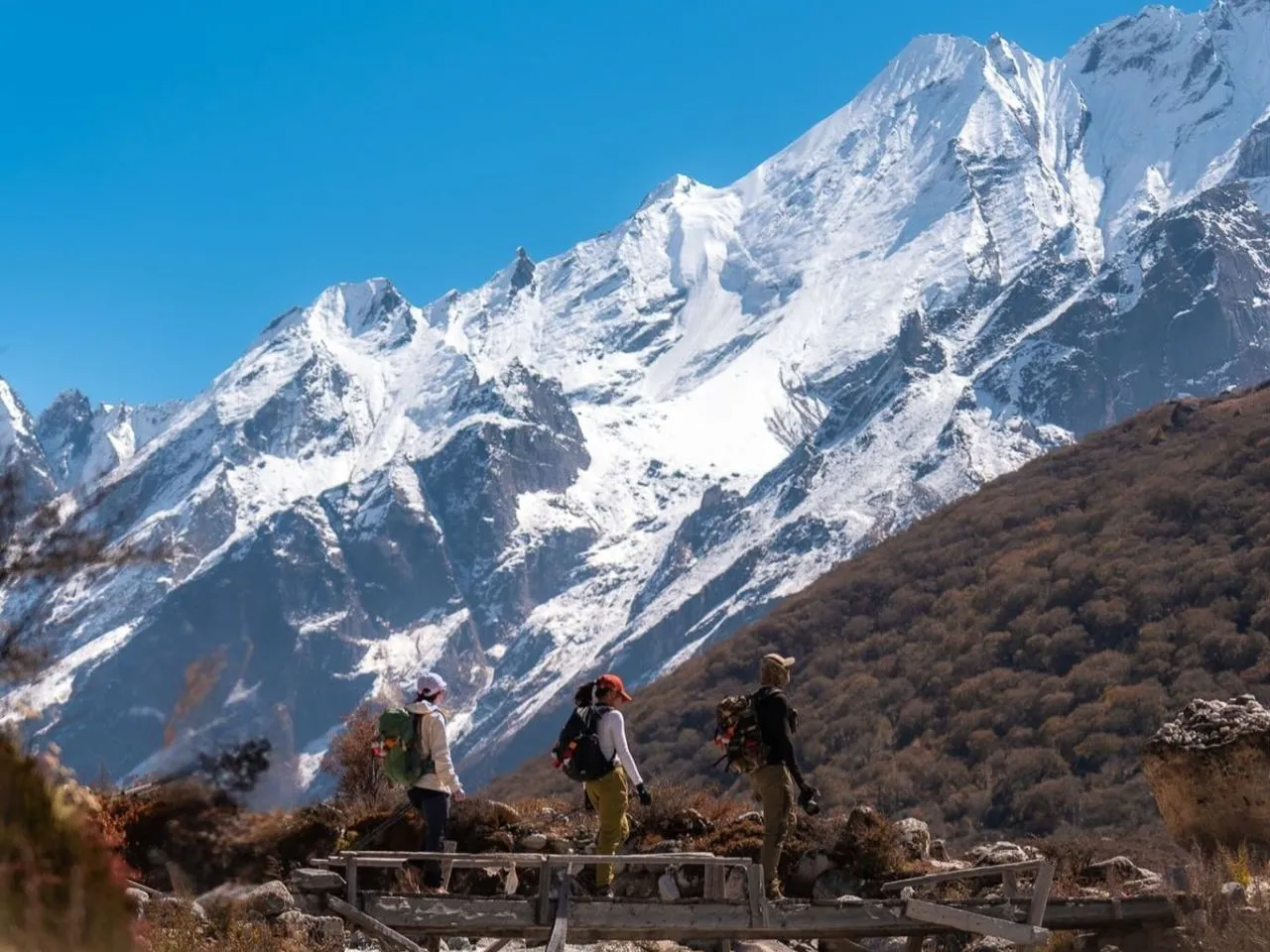
Langtang Luxury Trek – 10 Days
Langtang Luxury Trek – 10 Days
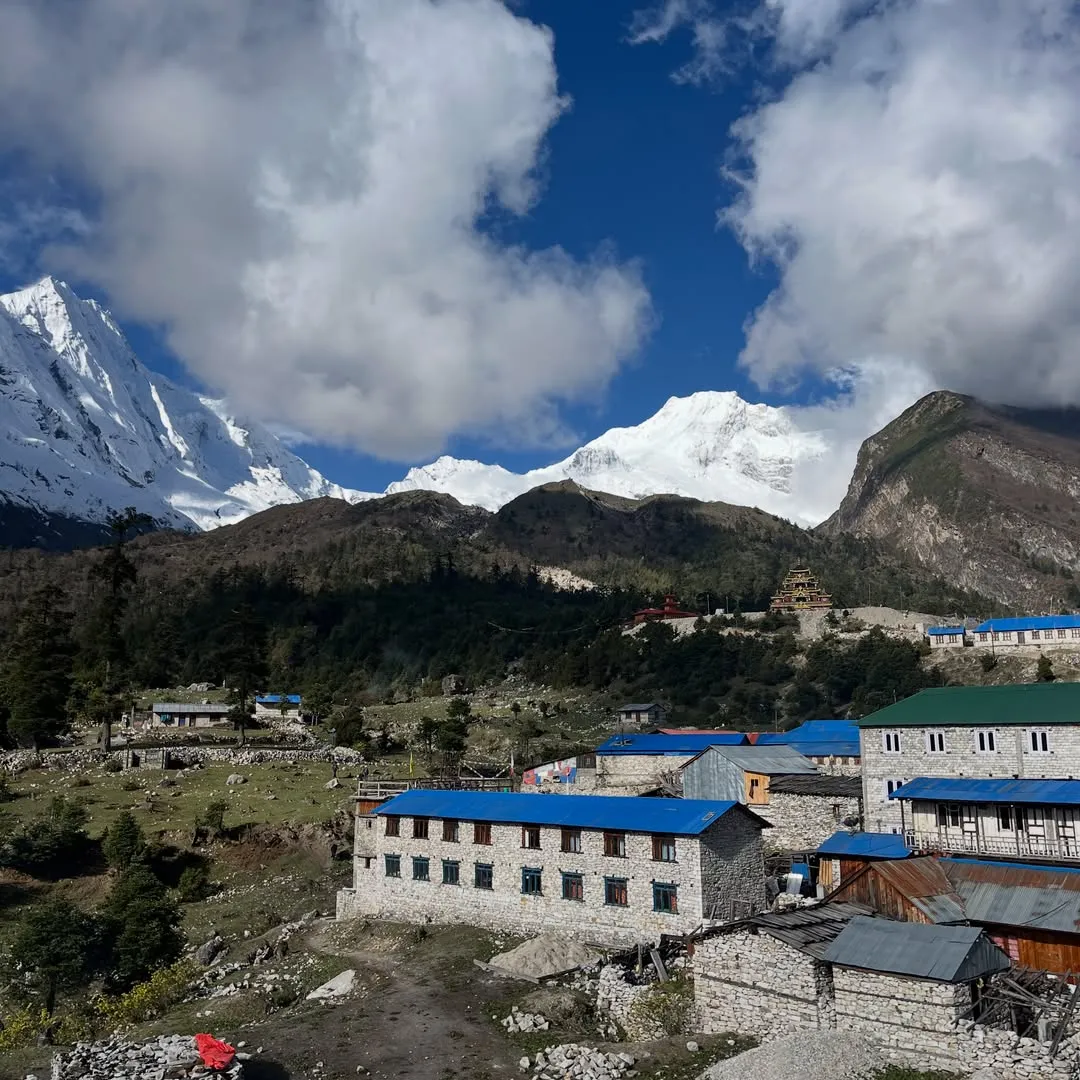
Manaslu Family Trek – 12 Days
Manaslu Family Trek – 12 Days
Manaslu Luxury Trek – 14 Days
Manaslu Luxury Trek – 14 Days

Manaslu Photography Trek – 17 Days
Manaslu Photography Trek – 17 Days
 English
 Deutsch
 Svenska
 Dansk
Dansk Русский
 Français
 Português
 Español
 Polski
 简体中文
简体中文 日本語
日本語 ไทย
ไทย العربية
 한국어
한국어