
Trek Overview
The Mugu Cultural Trek extends the classic Rara Lake route deeper into the Mugu district, one of the least developed regions in Nepal with the lowest human development index of any district in the country. You walk from Jumla past Rara, then north-west into traditional Mugu villages with their distinctive flat-roofed wooden homes. The route reaches 4,200 metres and rewards you with a cultural encounter that very few foreign trekkers ever see.
Why Visit
You come for the culture. The upper Karnali is one of the last strongholds of pre-Buddhist shamanic (Bon) traditions in the Himalaya, and village life moves to the rhythm of harvest, monastery festivals and seasonal trade with Tibet. Viewpoints of Patrasi and Kanjiroba Himal line the route, and you will see fewer than a handful of other foreign trekkers during the entire trek.
Best Time to Trek
Spring (April to May) and autumn (October to November) are the safest windows, with stable weather and clear trails. Summer (June to September) is possible because Mugu sits in a partial rain shadow, but river crossings become dangerous and trails wash out. Winter is impossible above 3,000 metres due to deep snow. Plan for 2028 with a late April start to catch the spring festivals.
Difficulty Level
We rate the Mugu Cultural Trek as strenuous. Daily walking distances are long, trails are rough and unmaintained, and you sleep at altitude for multiple nights. There are no proper tea houses for sections of the route, so you need a full camping crew. This is a trek for experienced trekkers comfortable with uncertainty.
Duration
The full route takes 14 to 18 days including the Jumla approach and return. A shorter 14-day version skips some of the higher Mugu villages, while the 18-day option adds the pilgrimage site of Khasa Rokam. We recommend the longer option if you have the time.
Route Details
You fly to Jumla, trek to Rara Lake, then continue north-west past Goru Singhe to the Mugu villages of Pina, Bhitri and Gamgadhi. From Gamgadhi you can extend north towards Kermi and the Tibetan border, or return via a high ridge route. Trail conditions deteriorate the further north you go, and several river crossings require care in summer.
Itinerary Overview
Days 1 to 3 Kathmandu to Jumla and trek to Rara, Days 4 to 6 cross to Pina and Bhitri, Days 7 to 9 explore upper Mugu villages, Days 10 to 12 reach Gamgadhi and the high viewpoint, Days 13 to 15 return south, Days 16 to 17 fly out via Jumla, Day 18 buffer in Kathmandu. Buffer days are essential because flights to Jumla are often delayed.
Maximum Altitude
The highest point on the standard route is around 4,200 metres on the ridge above Gamgadhi, where you get the widest views of Kanjiroba and Patrasi Himal. You sleep at 3,800 metres on at least two nights. Plan a rest day at Pina to acclimatise before pushing higher.
Weather
Daytime temperatures in Mugu in October are 8 to 14 degrees, with nights falling to minus 5. Spring is milder but windier on the high ridges. Summer afternoons bring thunderstorms that swell the rivers, and winter is harsh with snow closing the high trails from November to March. Pack for cold nights year-round.
Accommodation
Basic homestays and a few simple lodges exist in the larger villages like Pina and Gamgadhi. For much of the route you will camp, with a crew setting up tents in village fields or monastery grounds. The camping experience is part of the appeal and gives you flexibility on where you stop each night.
Tea Houses
Where tea houses exist they are very basic, often just a family home with a spare room. The menu is usually dal bhat, potatoes and Tibetan tea. Do not expect hot showers or western toilets. A small gift of pencils or sweets for the host family is appreciated.
Camping
Camping is the standard setup on the Mugu Cultural Trek. You will need a cook team, dining tent, toilet tent and sleeping tents, all hireable through agencies in Kathmandu or Jumla. Campsites are usually in village fields or near monasteries, with water from local springs. Bring a high-quality four-season tent because nights are cold.
Food
Your cook team prepares dal bhat, noodles, soup, porridge and pasta with local vegetables. The diet is more varied when you camp than when you stay in lodges. Local staples include tsampa (roasted barley flour), buckwheat pancakes and yak cheese. Carry energy bars and electrolytes because shops are non-existent in upper Mugu.
Drinking Water
Water is plentiful from mountain streams but must be filtered, boiled or treated with tablets. Your cook team will provide boiled water at every meal. Carry at least two litres of capacity for the long walking days. Do not rely on bottled water because there are no shops.
Electricity
There is no grid electricity in upper Mugu. Solar chargers carried by your crew will keep headlamps and phones working. Bring a high-capacity power bank and conserve battery carefully. Cold nights will drain batteries faster than usual, so keep them inside your sleeping bag.
Internet and Mobile Network
Mobile signal disappears shortly after Rara and does not return until you are back near Jumla. Some village headmen have satellite phones for emergencies. Plan to be fully offline for at least a week and brief your family before departure.
Transportation
You fly from Kathmandu to Nepalgunj, then take a STOL flight to Jumla the next morning. From Jumla it is all walking. Flights are weather dependent and delays of one to two days are common, so build buffer days into your itinerary. Driving from Surkhet to Jumla is possible but takes two long, rough days.
Required Permits
You need a Rara National Park Entry Permit, a TIMS Card, and in some upper sections a Humla and Mugu restricted-area consideration if you approach the Tibetan border. The Nepal Tourism Board reviews restricted-area fees annually, so confirm current rates for 2027 before booking. We arrange all permits in Kathmandu.
Packing List
Pack a minus-15-degree sleeping bag, four-season tent (or rely on the crew), sturdy waterproof boots, full layering system, sun protection, water filter, headlamp with spare batteries, first-aid kit, and a satellite phone or PLB. Trekking poles are essential for the river crossings. Bring gifts for village hosts if you can.
Budget Guide
| Item | Estimated Cost (USD) |
|---|---|
| Guide (per day) | $30 to $45 |
| Porter (per day) | $20 to $30 |
| Cook and crew (per day) | $40 to $60 |
| Camping equipment rental | $80 to $150 total |
| Permits total | $60 to $100 |
| Kathmandu to Jumla flights | $280 to $340 round trip |
| Total 16-day trek | $1,800 to $2,800 |
Photography Tips
Document village life with permission, focusing on architectural details of the flat-roofed homes and the brightly painted doors of local monasteries. A 35 mm prime is ideal for street-style shots in villages, while a wide angle captures the landscape scale. Carry extra batteries and store them inside your jacket overnight. Avoid photographing religious rituals without asking.
Wildlife
Upper Mugu has healthy populations of blue sheep, Himalayan tahr, musk deer and occasionally snow leopard in the higher valleys. Birdlife includes lammergeier, Himalayan griffon and blood pheasant. The remoteness means wildlife is less shy than in more-visited areas, and you have a real chance of spotting blue sheep at close range. Always maintain distance from predators.
Flora
The lower valleys are dominated by pine and fir, transitioning to birch and juniper above 3,500 metres. In summer the alpine meadows burst with blue poppy, primula and gentian. High pastures are grazed by yak herds in summer months. The contrast between dense forest and open meadow makes for memorable walking.
Local Culture
Mugu is one of the few places in Nepal where pre-Buddhist Bon shamanism is still practised alongside Tibetan Buddhism. You may witness a jhakri healing ceremony if you are lucky. Most villagers are subsistence farmers and traders, with strong cultural ties to Tibet across the border. Always ask before entering a monastery or photographing people.
Local Villages
Pina, Bhitri and Gamgadhi are the main settlements you will pass through, each with a few dozen stone-and-timber homes. Gamgadhi is the district headquarters and the only place with a basic shop and clinic. Villages feel like stepping back several centuries, with threshing floors, water mills and prayer flags strung between houses. Spend time in each village to absorb the rhythm of life.
Safety Tips
Travel with a local crew who knows the route and the river crossings. Carry a satellite phone or PLB because there is no mobile signal. Pack a comprehensive first-aid kit including diamox for altitude and broad-spectrum antibiotics. Do not attempt any river crossing in spate, wait for the water to drop.
Altitude Sickness Guide
You will sleep above 3,500 metres for several nights and reach 4,200 metres on the high ridge. Ascend gradually from Rara, take a rest day at Pina, and hydrate aggressively. Symptoms of altitude sickness include headache, nausea, fatigue and disturbed sleep. Descend immediately if symptoms worsen at night.
Emergency Contacts
The Gamgadhi health post is the only medical facility in upper Mugu, with very basic services. Helicopter evacuation is possible but expensive and weather-dependent. Register your trek with your embassy and carry your insurance details with the policy number. Your agency in Kathmandu should be your first call.
Responsible Tourism
Mugu is a fragile cultural landscape. Buy supplies from local shops where possible, eat in village homes when invited, and never distribute sweets or money to children. Dress modestly, especially in monasteries. Carry out all rubbish, including biodegradables, because the cold climate breaks down waste very slowly.
Frequently Asked Questions
These are the questions we hear most often from trekkers planning the Mugu Cultural Trek, with answers based on the latest 2027 ground conditions.
Summary
The Mugu Cultural Trek is a strenuous 14 to 18 day expedition into one of Nepal's least-developed districts, combining the natural beauty of Rara with a deep cultural encounter in upper Mugu. With camping required, no mobile signal, and only basic infrastructure, it is a true adventure for experienced trekkers. The rewards are rare cultural access, dramatic scenery, and a sense of having been somewhere very few foreigners have ever reached.
Conclusion
If you have already done the popular treks and want something genuinely remote, the Mugu Cultural Trek should be on your shortlist. Combine it with the Rara Lake Trek or pair it with the Limi Valley Trek for an even deeper far-west journey. Plan carefully, travel with a knowledgeable crew, and you will return with stories most trekkers never get to tell.
Recommended Trek Packages
Trekking Places to Explore
Explore Trips in Nepal
Hand-picked guided trips to this destination
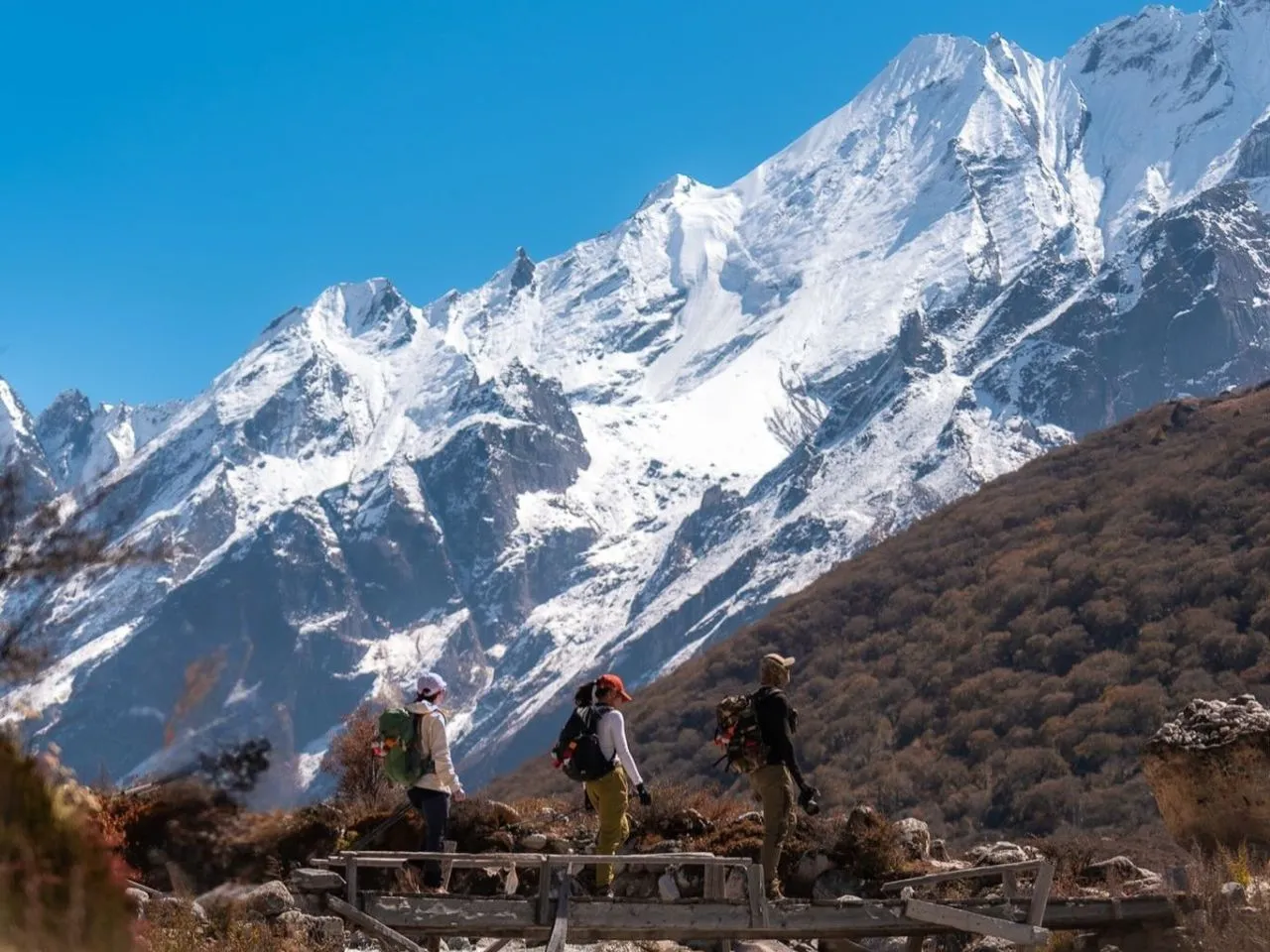
Langtang Luxury Trek – 10 Days
Langtang Luxury Trek – 10 Days
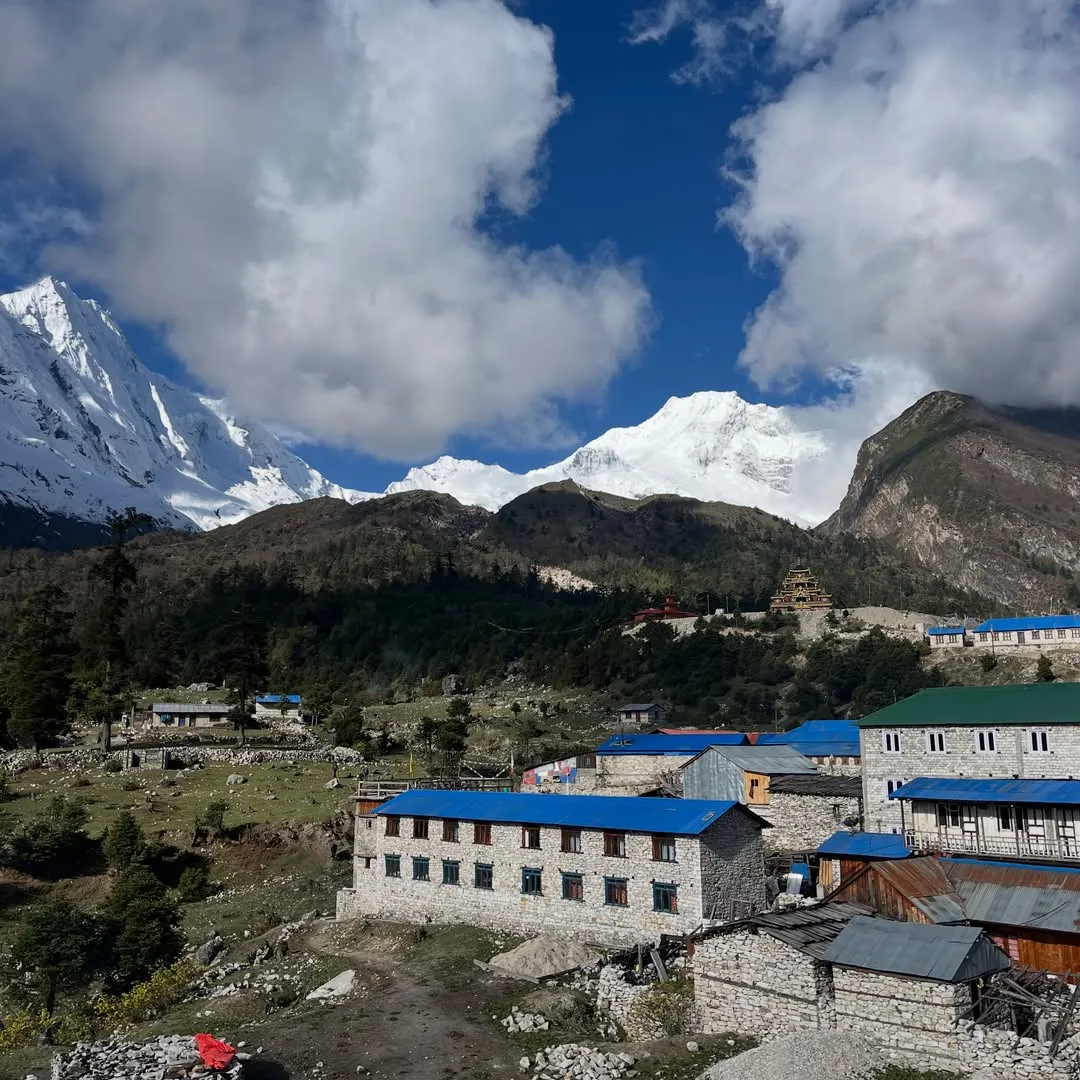
Manaslu Family Trek – 12 Days
Manaslu Family Trek – 12 Days
Manaslu Luxury Trek – 14 Days
Manaslu Luxury Trek – 14 Days

Manaslu Photography Trek – 17 Days
Manaslu Photography Trek – 17 Days
 English
 Deutsch
 Svenska
 Dansk
 Русский
 Français
 Português
 Español
 Polski
 简体中文
 日本語
 ไทย
 العربية
 한국어