
Trek Overview
The Arun Valley trek follows the Arun river, the deepest valley in Nepal, from Tumlingtar toward the Everest region via the Salpa Pass at 3,500 metres. The route is one of the lower-altitude approaches to Solu Khumbu and is often used by trekkers who want to avoid the Lukla flight. It is biologically the richest trek in Nepal, with subtropical forest in the valley bottom and alpine meadows above the Salpa Pass, and it passes through Rai, Sherpa, and Lhomi villages that see almost no other trekkers.
Why Visit
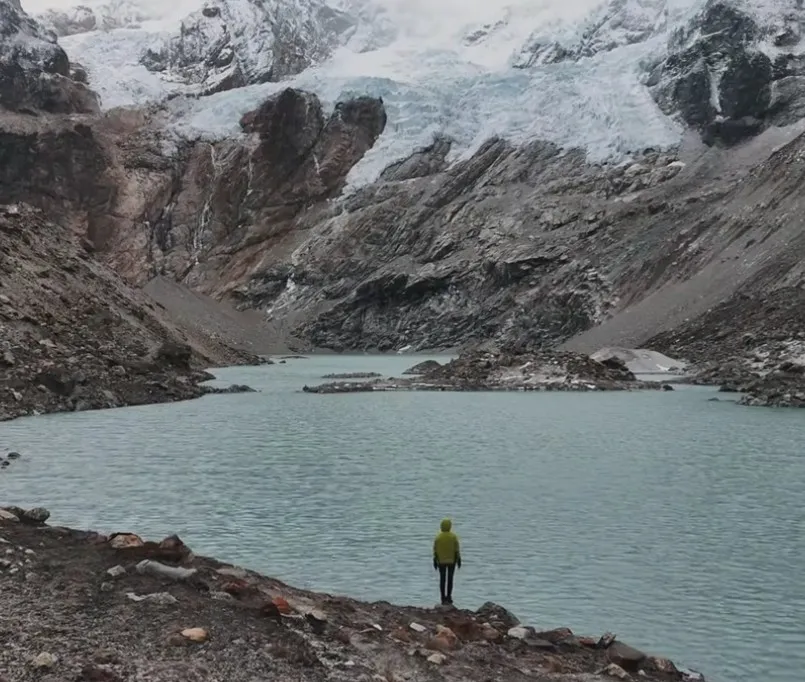
The Arun valley has more than 6,000 metres of vertical relief from the valley floor to the summit of Makalu, making it the deepest valley in Nepal and one of the deepest on earth. The route is a quiet alternative to the Lukla flight, with subtropical birdlife, cardamom forests, and Sherpa villages that the main Everest crowds never see. The Salpa Pass crossing at 3,500 metres is a historic trade route between the Arun and Dudh Kosi valleys, marked by the Salpa Pokhari lake and a small Buddhist shrine.
Best Time to Trek
Spring (March to May) and autumn (September to November) are the best seasons, with stable weather and clear mountain views. Spring brings rhododendron bloom in the mid-elevations. Winter is colder but walkable, while monsoon (June to September) turns the lower Arun into a humid, leech-filled jungle. For 2027 and 2028, plan October departures for the clearest views over the valley.
Difficulty Level
Rated Moderate. The route follows river valleys and crosses one pass (Salpa, 3,500 m), with sustained up-and-down but no brutal climbs. Days are five to seven hours of walking on well-defined trails. Suitable for fit first-time trekkers with some previous hiking experience.
Duration
Plan 12 to 16 days including flights and road transfers, with 14 days the comfortable average. The route can be combined with the Everest Base Camp trek for a longer 22 to 24-day itinerary.
Route Details
From Tumlingtar the trail follows the Arun river upstream through Chichila, Num, and Seduwa to Tashigaon. From Tashigaon the route climbs over the Salpa Pass (3,500 m) to Salpa Pokhari, then descends into the Dudh Kosi valley through Bung, Gudel, and Kiraunle to reach the main Everest trail at Lukla or, alternatively, at Phaplu. The route passes through the Makalu Barun National Park buffer zone and the southern edge of Sagarmatha National Park.
Itinerary Overview
- Day 1: Fly Kathmandu to Tumlingtar
- Day 2: Trek to Chichila (1,800 m)
- Day 3: Trek to Num (1,560 m)
- Day 4: Trek to Seduwa (1,493 m)
- Day 5: Trek to Tashigaon (2,200 m)
- Day 6: Trek to Khongma (3,470 m)
- Day 7: Cross Salpa Pass (3,500 m) to Salpa Pokhari
- Day 8: Trek to Bung (1,900 m)
- Day 9: Trek to Gudel (2,200 m)
- Day 10: Trek to Kiraunle (1,800 m)
- Day 11: Trek to Bupsa (2,300 m)
- Day 12: Trek to Phakding (2,610 m)
- Day 13: Trek to Lukla (2,840 m)
- Day 14: Fly to Kathmandu
Maximum Altitude
The high point is the Salpa Pass at 3,500 metres (11,483 feet), with overnight stops no higher than about 2,600 metres. The moderate altitude makes this trek a good choice for trekkers concerned about altitude sickness.
Weather
The lower Arun valley is humid with daytime temperatures of 20 to 30 degrees Celsius in spring and autumn. At Salpa Pass, daytime temperatures range from 5 to 12 degrees, with nights dropping close to freezing. Mornings are usually clear, with cloud building by afternoon in autumn.
Accommodation
Basic tea houses and homestays exist along the route, with standards far simpler than in the Everest or Annapurna regions. Some villages only have one or two lodges, so book ahead in peak season. Several groups choose to camp for reliability.
Tea Houses
Tea houses are family-run with a heated dining room in the evening. The menu is dal bhat, momos, chow mein, and Tibetan bread. Hot showers are usually a bucket of solar-heated water for a small fee.
Camping
Camping is optional but useful in the smaller villages where lodge space is limited. Your agency supplies tents, dining gear, and a cook. Camping also lets you stop at the best viewpoints rather than the nearest village.
Food
Eat dal bhat for sustained energy. The Rai and Sherpa villages serve local dishes including wachipa, gundruk (fermented greens), and tongba (fermented millet drink). Carry snacks from Kathmandu because choice is limited above Chichila.
Drinking Water
Treat tap and stream water with a filter or SteriPen. The Arun river itself is silty and should be settled before filtering. Boiled water is available at every lodge for about $1 per litre.
Electricity
Most villages have grid or solar power. Charging fees run $1 to $3 per device. Carry a 10,000 mAh power bank for the longer sections between villages.
Internet & Mobile Network
Ncell works intermittently in the larger villages like Num and Seduwa. Signal is patchy on the Salpa Pass and the Dudh Kosi side. A satellite messenger is recommended for safety.
Transportation
Fly Kathmandu to Tumlingtar (40 minutes), then start walking. The exit at Lukla has a flight back to Kathmandu (35 minutes). Some groups exit at Phaplu and drive to Kathmandu (about 12 hours). Build in two buffer days for flight delays.
Required Permits
You need the Makalu Barun National Park Permit ($30) for the lower Arun section, the TIMS Card ($20), and the Sagarmatha National Park Entry Permit ($30) if you continue into the Everest region. A Khumbu Rural Municipality Permit may also be required past Lukla.
Packing List
- Three-season sleeping bag
- Down jacket, shell jacket, and thermal base layers
- Waterproof hiking boots and camp shoes
- Trekking poles for the long ascents and descents
- Headlamp, water filter, and first-aid kit
- Lightweight leech socks for the lower forest in monsoon shoulder seasons
Budget Guide
| Item | Cost (USD) |
|---|---|
| Makalu Barun NP permit | $30 |
| Sagarmatha NP permit (if continuing) | $30 |
| TIMS Card | $20 |
| Flight Kathmandu to Tumlingtar | $100 to $150 |
| Flight Lukla to Kathmandu | $150 to $200 |
| Guide per day | $25 to $40 |
| Porter per day | $18 to $25 |
| Lodging and meals per day | $25 to $40 |
| Total 14-day package | $1,400 to $2,500 |
Photography Tips
The Arun valley gorge below Num is dramatic in late afternoon light, with terraced fields climbing the valley walls. Salpa Pokhari, a small sacred lake just below the pass, is a strong foreground for mountain shots. The Rai and Lhomi villages offer portrait opportunities; always ask before photographing people.
Wildlife
The lower Arun valley has subtropical birdlife including hornbills, fishing eagles, and several species of kingfisher. Red panda lives in the higher forests between Seduwa and the Salpa Pass. Barking deer and wild boar are common in the lower valleys.
Flora
The valley bottom is subtropical with chestnut, fig, and cardamom. Mid-elevations have oak, magnolia, and dense rhododendron (peak bloom in April). Above the Salpa Pass, the forest thins to birch and juniper before dropping into the Dudh Kosi valley.
Local Culture
Lower valleys are Rai country with their own language and shamanic traditions. The Lhomi, a small Tibetan-Burmese group, live in the upper Arun around Seduwa and Tashigaon. Above the Salpa Pass, the culture shifts to Sherpa and Tibetan Buddhist, with prayer flags and small gompas in villages like Bung and Gudel.
Local Villages
Key stops include Tumlingtar, the regional airstrip; Chichila, a Rai village on the ridge above the Arun; Seduwa, the last large village before the Salpa Pass; Bung, a Sherpa village on the Dudh Kosi side of the pass; and Lukla, the end of the trek and the gateway to Everest.
Safety Tips
- Carry a basic first-aid kit with Diamox for the Salpa Pass.
- Treat all drinking water, even at lodges.
- Watch for landslides on the steep Arun valley trail in monsoon.
- Carry leech socks if trekking in shoulder seasons.
- Tell your guide if you feel unwell at altitude.
Altitude Sickness Guide
At 3,500 metres the risk is low but real, especially if you arrive from sea level and cross the pass in a single day. Acclimatise at Tashigaon or Khongma before the Salpa Pass. Drink three to four litres of water, avoid alcohol, and descend if symptoms persist.
Emergency Contacts
Nearest hospital with surgery capacity is in Dharan or Biratnagar, a day's drive from Tumlingtar. Himalayan Rescue Association: +977 1 4440292. Your insurance should cover helicopter rescue above 3,500 metres and the Lukla flight.
Responsible Tourism
Stay in local homestays and tea houses so the Rai and Sherpa villages benefit. Carry a refillable water bottle and avoid plastic. Do not buy wildlife products. Ask before photographing people, and respect the Salpa Pokhari shrine as a sacred site. Tip crew in Nepali rupees.
Frequently Asked Questions
Below are the questions we hear most often about the Arun Valley route.
Summary
- 12 to 16-day traverse from Tumlingtar to Lukla or Phaplu.
- Crosses Salpa Pass at 3,500 metres.
- Lower-altitude alternative to the Lukla flight for Everest approaches.
- Biologically the richest trek in Nepal.
- Budget $1,400 to $2,500 for a guided 14-day package.
- Moderate difficulty, suitable for fit first-time trekkers.
Conclusion
The Arun Valley trek is the quiet, lower-altitude approach to the Everest region and we recommend it for trekkers who want to avoid the Lukla flight, see wildlife, and walk through villages that the main Everest crowds never reach. It pairs naturally with the Makalu Base Camp trek for a longer eastern Nepal itinerary, or as a prelude to the Everest Base Camp trek via Lukla. Book spring 2028 or autumn 2027 departures in advance because lodge space on the Salpa Pass is limited.
Recommended Trek Packages
Trekking Places to Explore
Explore Trips in Nepal
Hand-picked guided trips to this destination

 English
 Deutsch
 Svenska
 Dansk
Dansk Русский
 Français
 Português
 Español
 Polski
 简体中文
简体中文 日本語
日本語 ไทย
ไทย العربية
 한국어
한국어