
Quick Answer
Altitude sickness on the EBC trek starts with a mild morning headache at 3,840 m in Dingboche, then nausea, then sleep loss, then shortness of breath on minor exertion. About 30 percent of trekkers feel mild acute mountain sickness at 4,200 m or higher. Severe altitude sickness including high altitude cerebral edema and high altitude pulmonary edema affects 1 to 2 percent on the standard 12 to 14 day itinerary. Descend 500 to 1,000 m immediately if symptoms persist for 4 hours.
Detailed Breakdown
Altitude sickness on the EBC trek has three stages. Stage one is mild acute mountain sickness. Symptoms are morning headache that resolves with 500 mg paracetamol, mild nausea, and 10 to 20 percent sleep disturbance. The headache typically starts at Dingboche at 4,410 m on day 5 or 6. Stage two is moderate acute mountain sickness. Symptoms are persistent headache not relieved by paracetamol, vomiting, severe sleep loss, and shortness of breath walking on flat ground. This typically starts at Lobuche at 4,940 m on day 7.
Stage three is severe altitude sickness. This includes high altitude cerebral edema with confusion, ataxia, and severe headache, and high altitude pulmonary edema with cough, pink sputum, and breathlessness at rest. These typically occur above 5,000 m at Gorak Shep at 5,180 m or Kala Patthar at 5,644 m. The standard 12 to 14 day EBC itinerary with 2 acclimatisation days at Namche and Dingboche keeps severe altitude sickness rates at 1 to 2 percent. The 9 day fast version has severe altitude sickness rates of 5 to 8 percent.
Cost/Component Breakdown
| Stage | Altitude | Symptoms | Action |
|---|---|---|---|
| Mild AMS | 3,840 to 4,410 m | Headache, nausea | Rest, hydrate, diamox |
| Moderate AMS | 4,410 to 4,940 m | Vomiting, sleep loss | Descend 500 m, diamox |
| Severe AMS HACE | 4,940 to 5,644 m | Confusion, ataxia | Descend 1,000 m, evacuate |
| HAPE pulmonary edema | 4,940 to 5,644 m | Cough, pink sputum | Descend 1,000 m, oxygen, evacuate |
| Helicopter evacuation | Gorak Shep to Lukla | 15 to 20 minutes | USD 2,500 to 5,000 |
| Diamox 125 mg x 60 | Pharmacy Kathmandu | Prophylactic | USD 8 to 15 |
| Insurance cover | Helicopter included | Required for EBC | USD 80 to 150 |
What Affects the Answer
Ascent rate is the biggest factor. The standard 12 to 14 day EBC itinerary gains 600 to 800 m of sleeping altitude per night above 3,500 m and keeps severe altitude sickness rates at 1 to 2 percent. The 9 day fast version gains 1,000 to 1,200 m per night and has 5 to 8 percent severe rates. The second factor is individual susceptibility. Trekkers who have had altitude sickness before have a 60 to 70 percent recurrence rate. Trekkers with no prior history have a 15 to 25 percent rate of mild AMS on EBC.
Hydration is the third factor. Above 4,000 m the body loses 1.5 to 2 L of water per day through respiration and sweat. Trekkers who drink 3 to 4 L per day have 20 to 30 percent lower AMS rates. Sleep altitude is the fourth factor. The climb high sleep low principle reduces altitude sickness by 15 to 20 percent.
Booking Tips
Book the standard 12 to 14 day EBC itinerary, not the 9 day fast version.
Carry a pulse oximeter and check blood oxygen saturation twice daily.
Comparison With Alternatives
Annapurna Circuit at 5,416 m Thorong La has a 10 to 15 percent mild AMS rate on the 14 to 18 day itinerary.
Common Mistakes to Avoid
Trekkers often ignore the early morning headache at Dingboche and continue ascent to Lobuche.
A third mistake is descending alone from Gorak Shep at 5,180 m with moderate AMS.
FAQ
What does altitude sickness feel like on the EBC trek? A mild morning headache at 3,840 to 4,410 m in Dingboche, then nausea, sleep loss, and shortness of breath on minor exertion. About 30 percent of trekkers feel mild AMS at 4,200 m or higher. Severe AMS affects 1 to 2 percent on the standard 12 to 14 day itinerary.
At what altitude does altitude sickness start on EBC? Most cases start at Dingboche at 4,410 m on day 5 or 6. The first symptom is a morning headache that resolves with 500 mg paracetamol. The 600 m ascent rule above 3,000 m keeps mild AMS rates at 15 to 25 percent.
How common is severe altitude sickness on EBC? 1 to 2 percent on the standard 12 to 14 day itinerary, and 5 to 8 percent on the 9 day fast version. Severe AMS includes high altitude cerebral edema and high altitude pulmonary edema, both requiring immediate descent of 1,000 m and helicopter evacuation.
What should I do if I feel altitude sickness on EBC? Stop ascent, hydrate with 1 L of water, take diamox 250 mg, and rest for 4 hours. If symptoms persist or worsen, descend 500 to 1,000 m immediately. Never descend alone with moderate symptoms because ataxia can develop within hours.
Summary
Altitude sickness on the EBC trek starts with a mild morning headache at 3,840 to 4,410 m in Dingboche, then nausea, sleep loss, and shortness of breath. About 30 percent of trekkers feel mild AMS at 4,200 m or higher. Severe AMS affects 1 to 2 percent on the standard 12 to 14 day itinerary. Descend 500 to 1,000 m if symptoms persist for 4 hours.
Conclusion
Book the standard 12 to 14 day EBC itinerary, not the 9 day fast version. Carry diamox 125 mg twice daily from day 3 above 3,000 m. Drink 3 to 4 L of water per day. Avoid sleeping pills above 4,000 m. Descend 500 to 1,000 m immediately if altitude sickness symptoms persist for 4 hours. Never descend alone with moderate symptoms.
Recommended Trek Packages
Trekking Places to Explore
Explore Trips in Nepal
Hand-picked guided trips to this destination
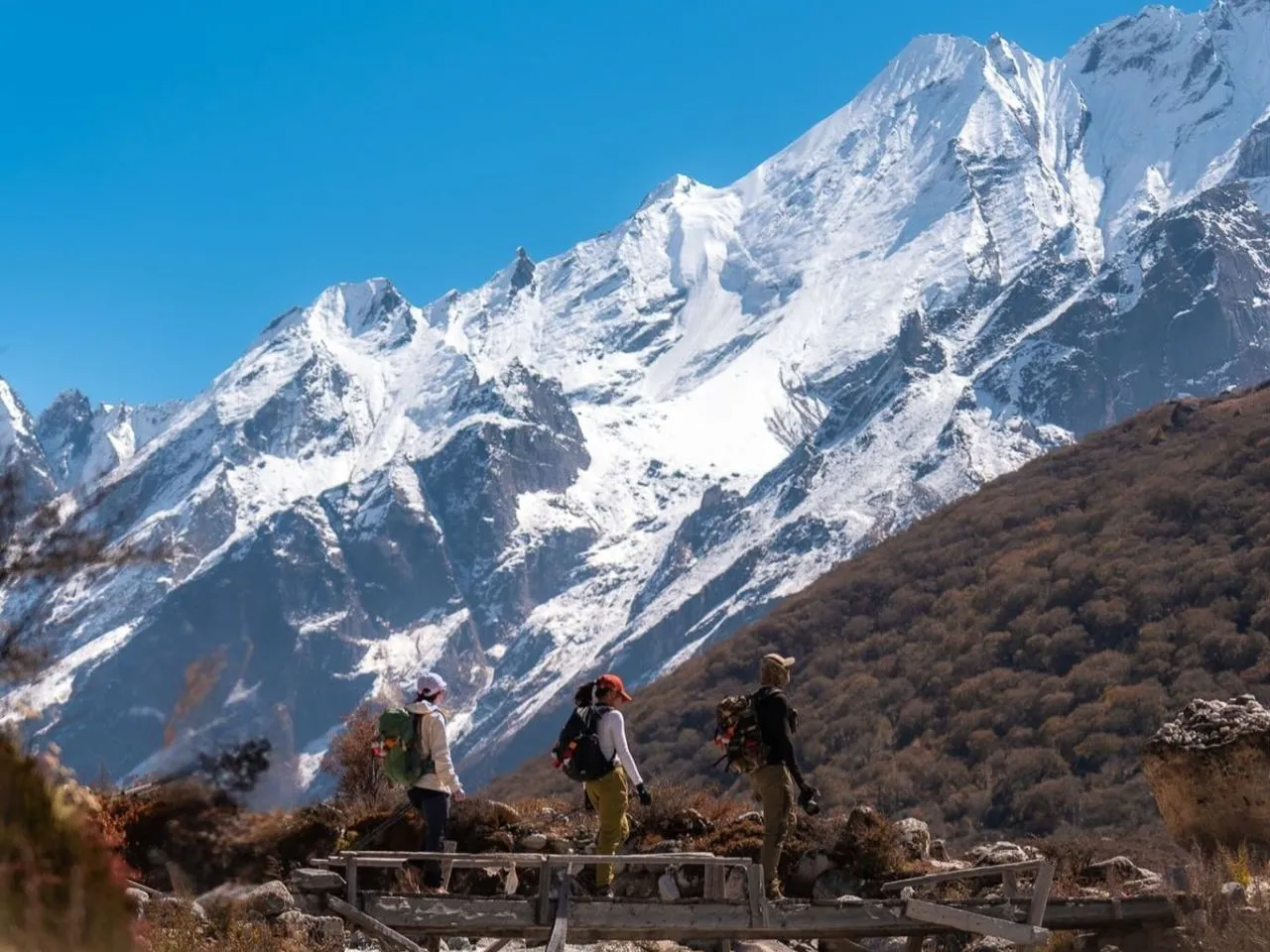
Langtang Luxury Trek – 10 Days
Langtang Luxury Trek – 10 Days
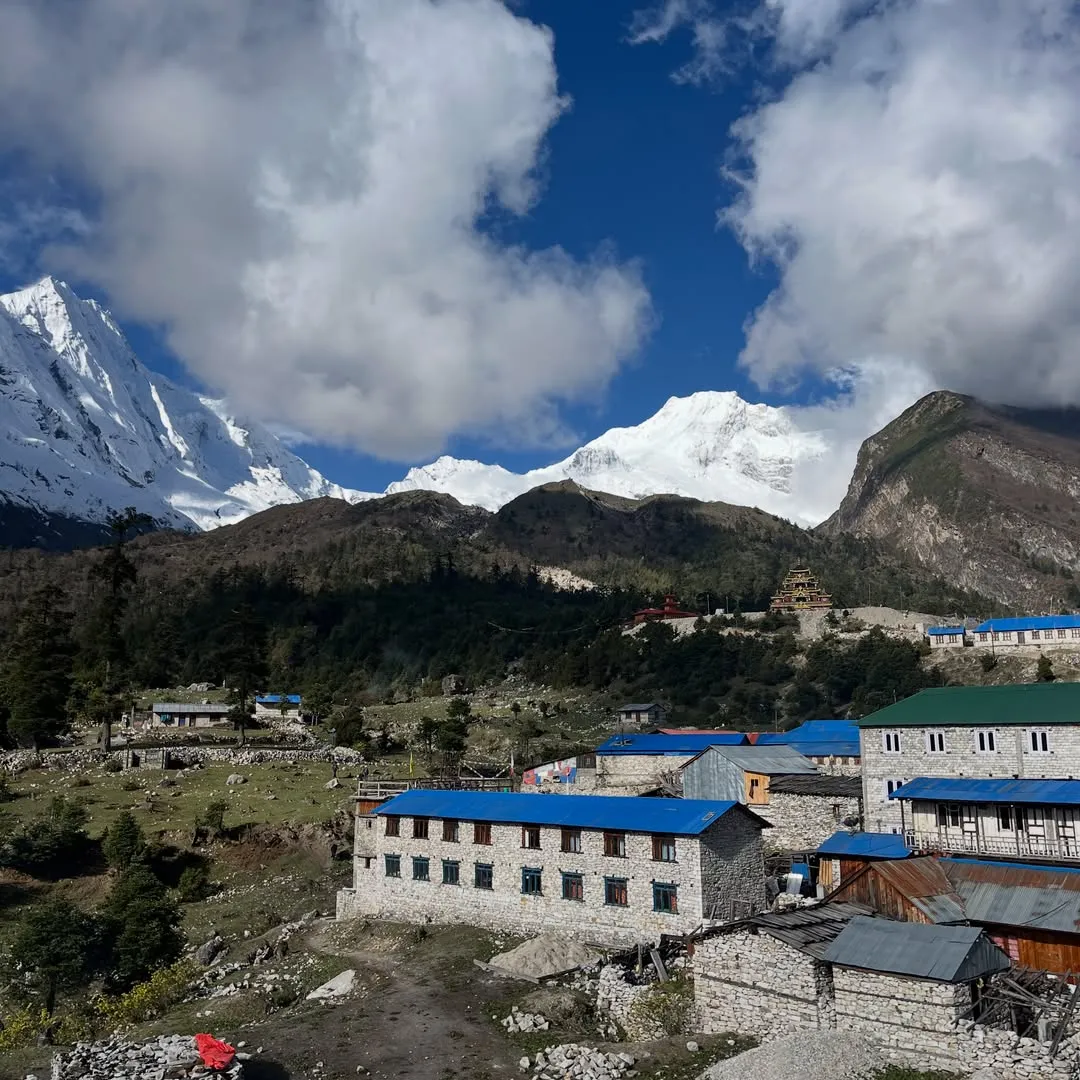
Manaslu Family Trek – 12 Days
Manaslu Family Trek – 12 Days
Manaslu Luxury Trek – 14 Days
Manaslu Luxury Trek – 14 Days

Manaslu Photography Trek – 17 Days
Manaslu Photography Trek – 17 Days
 English
 Deutsch
 Svenska
 Dansk
Dansk Русский
 Français
 Português
 Español
 Polski
 简体中文
简体中文 日本語
日本語 ไทย
ไทย العربية
 한국어
한국어