
迅速な答え
October and November are the most suitable months for the Rupina La Trek in 2027. The 4,720 m pass crossing needs stable weather, clear visibility, and dry trail. Spring from March to May is the second choice. Avoid monsoon from June to September and winter from December to February.
詳細な内訳
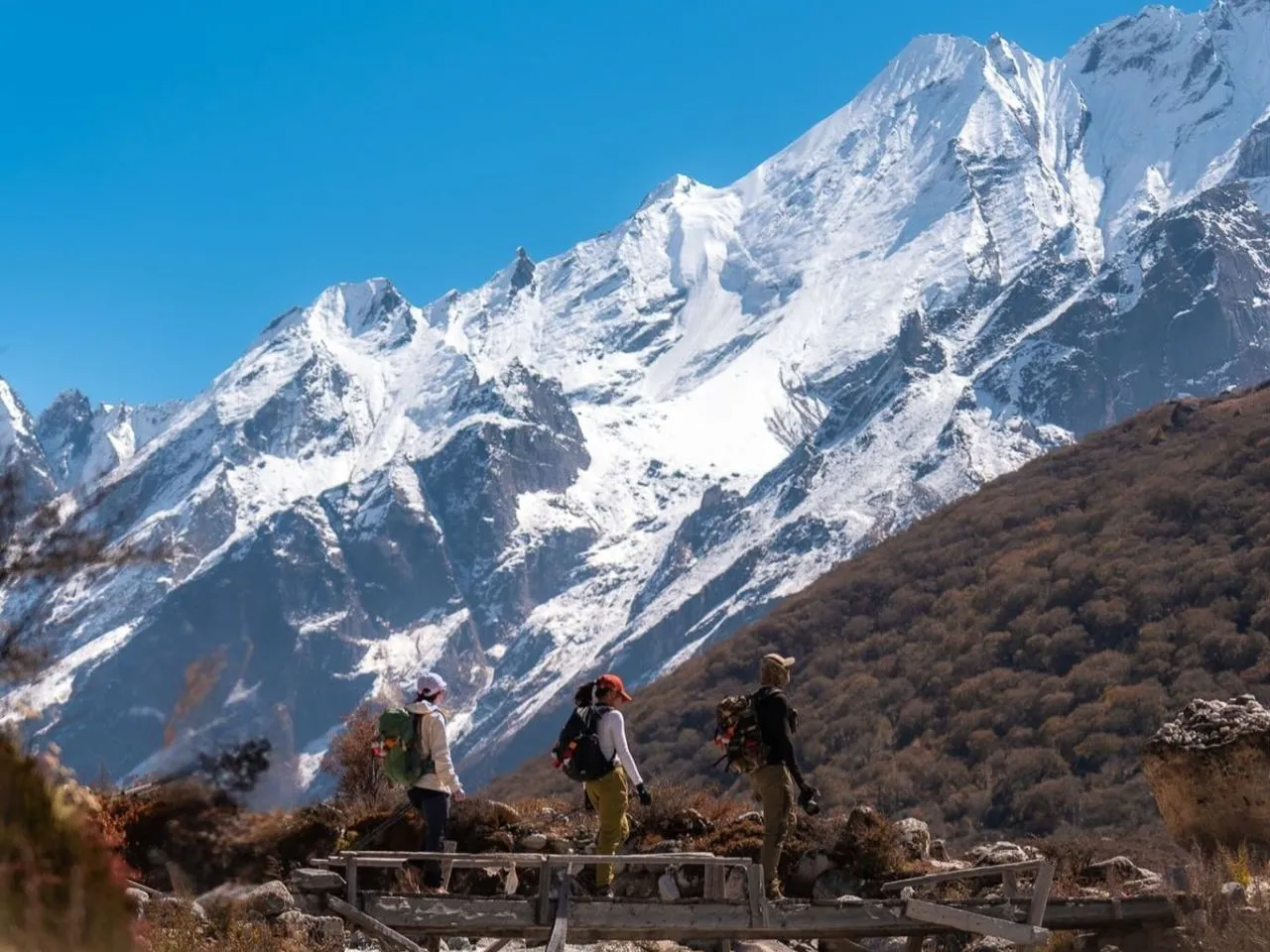
The Rupina La Trek runs 14 to 18 days from Gorkha or Arughat, crossing the 4,720 m Rupina La pass into the Manaslu region. The route is remote, with limited teahouses, and is mostly camping supported. The pass is the crux of the trek.
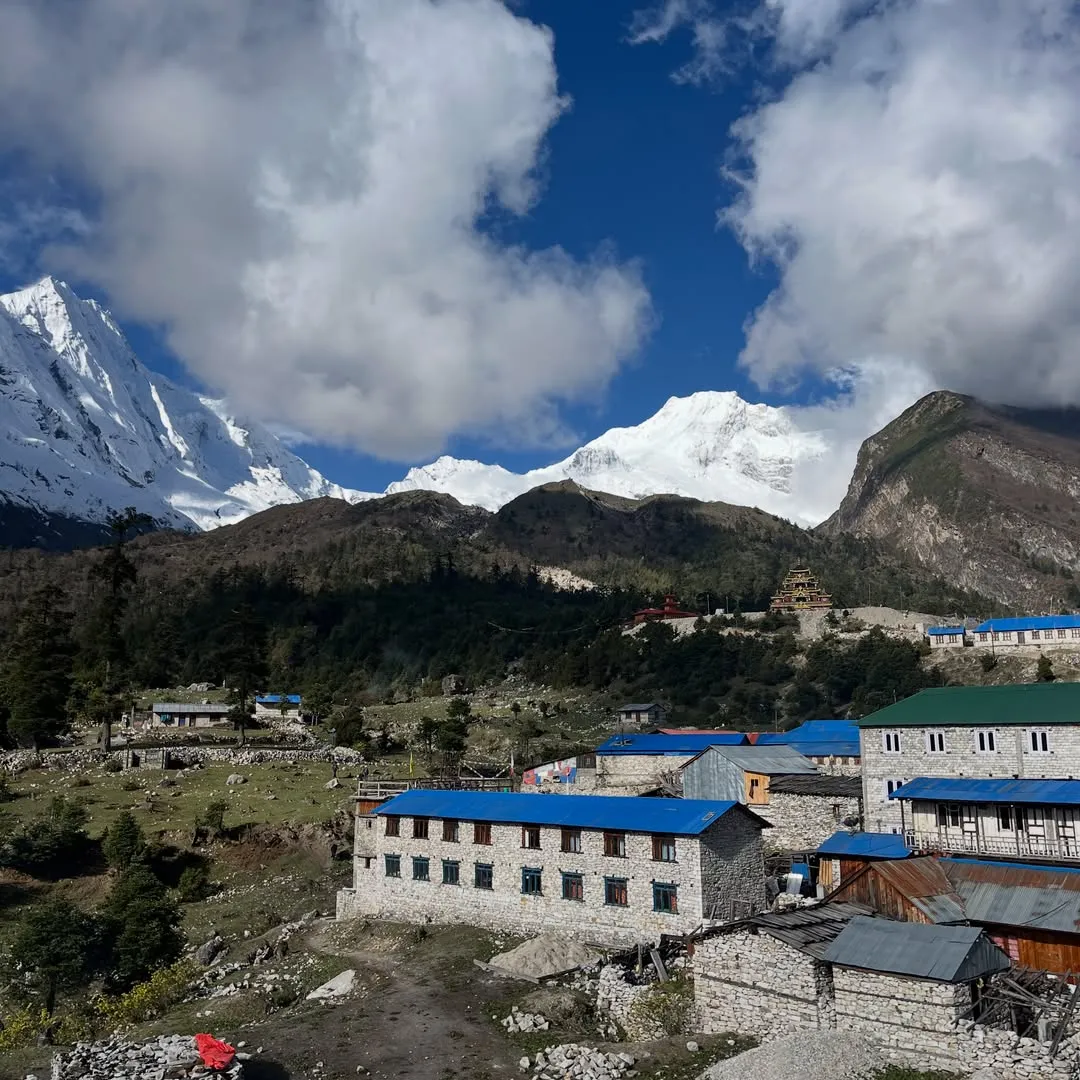
The pass sits in a notch between Manaslu at 8,163 m and Himalchuli at 7,893 m. The approach from the south climbs through Gurung villages and subtropical forest. The approach from the north descends into the Budi Gandaki valley. Both sides are steep.
Season by season breakdown starts with autumn from October to November, the best season. Day temperatures at the pass are 0 to 5 C. Night temperatures hit minus 10 C at high camp. Skies are clear 80 to 90 percent of days. Snow from the previous monsoon has melted by mid October. The pass crossing on a clear day in late October is the safest combination of weather and visibility.
Spring from March to May is the second best season. Day temperatures are warmer at 5 to 10 C at the pass. Cloud builds by midday in April and May, but mornings are clear. Spring rhododendron bloom colours the lower section. The risk is afternoon cloud obscuring the pass crossing. Start the pass day at 4 a.m. and cross by 9 a.m.
Monsoon from June to September should be avoided. The pass holds snow from monsoon storms. Trails below 2,500 m become leech infested and muddy. Landslides close the Gorkha to Arughat road for days at a time. The pass crossing is dangerous in fresh snow.
Winter from December to February should be avoided for the pass crossing. The Rupina La holds deep snow from December through February. Trail approaches become impassable above 3,500 m. Day temperatures at the pass hit minus 15 C. Some groups attempt the lower trek without the pass, but the route loses its main scenic reward.
コスト/コンポーネントの内訳
| 季節 | Trek cost USD | Pass conditions | 推薦 |
|---|---|---|---|
| 10月から11月 | 1,400 から 2,000 米ドル | Clear, dry, cold mornings | 最高 |
| 3月から5月 | USD 1,300 to USD 1,900 | Clear mornings, cloudy afternoons | うまい |
| 12月から2月 | 1,500 米ドルから 2,200 米ドル | Deep snow, very cold | Avoid |
| 6月から9月 | 1,200 から 1,800 米ドル | Monsoon snow, leeches, landslides | Avoid |
答えに影響するもの
Snow on the pass is the biggest factor. October crossings have the least snow. Late May has fresh snow from spring storms.
Cloud affects visibility. Spring afternoons cloud up at the pass. Autumn stays clear longer.
Road access is seasonal. The Gorkha to Arughat road washes out in monsoon. October is the safest road window.
Teahouse season matters. Limited teahouses on the route operate only from October to November and March to May.
予約のヒント
Book the trek for late October to mid November. The first 3 weeks of October have variable weather; the last week is the most stable.
If spring is the only option, target the first 2 weeks of April. Cloud builds later in the month.
Build 2 buffer days for the pass crossing. Snow at Rupina La can delay by 24 to 48 hours even in good season.
Carry microspikes in late October and early November. The pass can hold glare ice from the previous night.
Pack a 4 season sleeping bag rated to minus 15 C. The high camp at 4,300 m drops to minus 10 C in October.
代替案との比較
Compared with the Manaslu Circuit, Rupina La is more weather dependent. Manaslu's Larkya La has a wider trail and more traffic, making post storm navigation easier.
Compared with the Dhaulagiri Circuit, Rupina La is similar in difficulty but more remote. Dhaulagiri has French Pass and Dhampus Pass; Rupina La is a single 4,720 m crossing.
Compared with the Three Passes Trek in Khumbu, Rupina La has less infrastructure and fewer rescue options.
避けるべきよくある間違い
Booking for early October. The first 2 weeks have post monsoon cloud and occasional rain.
Skipping microspikes. The pass holds ice even in late October.
Crossing the pass in fresh snow. Wait 24 to 48 hours for snow to consolidate.
Underestimating the descent. The north side drops 1,500 m to the Budi Gandaki river. The descent is hard on knees.
フェイク
Can I do Rupina La in winter?
Only the lower trek without the pass crossing. The pass is impassable from December to February.
春と秋のどちらが写真に適していますか?
Spring for rhododendrons in the lower section, autumn for clear mountain views at the pass.
How many days do I need for Rupina La?
14 to 18 days including Kathmandu transit and 2 buffer days for the pass.
Does the pass require technical gear?
No, in October. Microspikes are sufficient. In fresh snow, crampons and ice axe are useful.
まとめ
October and November are the best months for the Rupina La Trek. Spring is the second choice. Avoid monsoon and winter. The 4,720 m pass crossing is the crux and demands stable weather.
結論
Book Rupina La for late October to mid November. Build buffer days for the pass crossing. Carry microspikes and a warm sleeping bag. Avoid the trek outside the autumn and spring windows.
推奨されるトレッキング パッケージ
探索するトレッキング場所
Explore Trips in Nepal
Hand-picked guided trips to this destination

 English
 Deutsch
 Svenska
 Dansk
Dansk Русский
 Français
 Português
 Español
 Polski
 简体中文
简体中文 日本語
日本語 ไทย
ไทย العربية
 한국어
한국어