
Quick Answer
The 18 day Three Passes Trek itinerary in 2027 to 2030 costs $2,800 to $3,800 per person with one Namche acclimatization day and no weather buffer. The 21 day itinerary costs $3,300 to $4,400 with two acclimatization days at Namche and Dingboche and a 2 day weather buffer for Renjo La and Cho La. Trekkers with prior 5,000 m experience can pick 18 days; first time high altitude trekkers should pick 21 days.
Detailed Breakdown
The Three Passes Trek is the most ambitious loop in the Everest region, crossing Renjo La at 5,360 m, Cho La at 5,420 m, and Kongma La at 5,535 m in a single 165 km circuit. The route links Gokyo Valley, the Everest Base Camp trail, and the Chhukung Valley.
The 18 day itinerary flies to Lukla on day 1, climbs to Namche, rests on day 3, climbs to Thame, crosses Renjo La to Gokyo on day 5, climbs Gokyo Ri, crosses Cho La to Dzongla, reaches Lobuche, Everest Base Camp, and Kala Patthar, crosses Kongma La to Chhukung, climbs Chhukung Ri, then descends to Tengboche, Namche, and Lukla by day 15, with weather buffer on days 16 to 18.
The 21 day itinerary adds a second acclimatization day at Dingboche at 4,410 m and a 2 day weather buffer for Renjo La and Cho La. The extra days cut AMS risk by 30 percent and raise pass success from 75 to 90 percent.
Cost/Component Breakdown
| Component | 18 Day Itinerary (USD) | 21 Day Itinerary (USD) |
|---|---|---|
| Lukla flights round trip | $360 to $420 | $360 to $420 |
| Sagarmatha NP plus Khumbu plus TIMS | $67 | $67 |
| Sirdar and climbing Sherpa | $700 to $950 | $850 to $1,150 |
| Porters | $500 to $700 | $600 to $850 |
| Teahouse lodging 14 to 17 nights | $140 to $280 | $170 to $340 |
| Meals 18 to 21 days | $540 to $840 | $630 to $980 |
| Satellite phone and Gamow bag | $80 to $150 | $80 to $150 |
| Helicopter rescue insurance | $100 to $180 | $100 to $180 |
| Total per person | $2,800 to $3,800 | $3,300 to $4,400 |
What Affects the Answer
Prior altitude experience is the dominant factor. Trekkers without prior 5,000 m pass experience pick 21 days. Trekkers with prior 5,000 m passes can handle 18 days.
Season affects the buffer threshold. April and October see stable weather and the 18 day route runs safely. May and November see more fresh snow and need the 21 day buffer.
Crew strength matters. The 21 day route runs a 1 to 4 climber to Sherpa ratio safely. The 18 day route needs 1 to 3 on Renjo La and Kongma La days to maintain pace.
Booking Tips
Ask for the day by day plan with sleeping altitudes and pass crossing times. Reject any 18 day plan that crosses Renjo La on day 4 or earlier, since the 1,400 m sleeping gain from Namche to Gokyo via the pass triggers AMS in 1 of 4 trekkers.
Confirm the package includes a Gamow bag at Gokyo and Chhukung, a satellite phone with daily check in, and a written rescue plan naming the Lukla clinic.
Verify the operator holds a Sagarmatha National Park outfitter license and a Khumbu Pasang Lhamu registration. Ask for the climbing Sherpa name and the number of previous Three Passes trips in 24 months.
Comparison With Alternatives
Against Everest Base Camp, Three Passes is more demanding. EBC runs 12 to 14 days to base camp and back with no pass crossings. Trekkers wanting only EBC pick the standard route; trekkers wanting three 5,300 m passes pick Three Passes.
Against Gokyo Lakes, Three Passes is longer and more demanding. Gokyo Lakes runs 10 to 14 days to Gokyo Ri and back with one Renjo La crossing. Trekkers wanting a single valley pick Gokyo Lakes; trekkers wanting the full Khumbu traverse pick Three Passes.
Common Mistakes to Avoid
Do not book a 14 day Three Passes itinerary. The 1,200 m gain from Thame at 3,800 m to Gokyo at 4,790 m via Renjo La in a single day triggers AMS in 1 of 3 trekkers.
Do not cross two passes in 2 consecutive days. The 18 day plan spaces Renjo La and Cho La by 2 nights at Gokyo. The 21 day plan adds one more night.
Do not skip the Dingboche acclimatization day on the 21 day route. Trekkers who push from Namche to Chhukung in 4 days report AMS rates of 1 in 4.
FAQ
Which itinerary is safer for first time high altitude trekkers?The 21 day. Two acclimatization days at Namche and Dingboche plus a 2 day weather buffer cut AMS risk by 30 percent.
How much more does the 21 day itinerary cost?$500 to $600 per person, mostly from extra teahouse nights, meals, and guide and porter days.
Can experienced trekkers pick the 18 day route?Yes if they have prior 5,000 m pass experience and the operator runs a 1 to 3 climber to Sherpa ratio on pass days.
What is the pass success rate on the 18 day route?75 percent. The 21 day route raises it to 90 percent.
Is the 18 day route safe in November?Risky. November sees more fresh snow on Renjo La and Cho La and the 18 day buffer is too thin. Pick 21 days.
Summary
The 18 day Three Passes Trek in 2027 to 2030 costs $2,800 to $3,800 with one Namche acclimatization day and no weather buffer. The 21 day costs $3,300 to $4,400 with two rest days and a 2 day buffer, raising pass success from 75 to 90 percent. First time high altitude trekkers pick 21 days.
Conclusion
Pick the 21 day Three Passes itinerary if you are a first time high altitude trekker or travelling in November. Pick the 18 day only if you have prior 5,000 m pass experience, travel in April or October, and book a 1 to 3 climber to Sherpa ratio on pass days.
Recommended Trek Packages
Trekking Places to Explore
Explore Trips in Nepal
Hand-picked guided trips to this destination
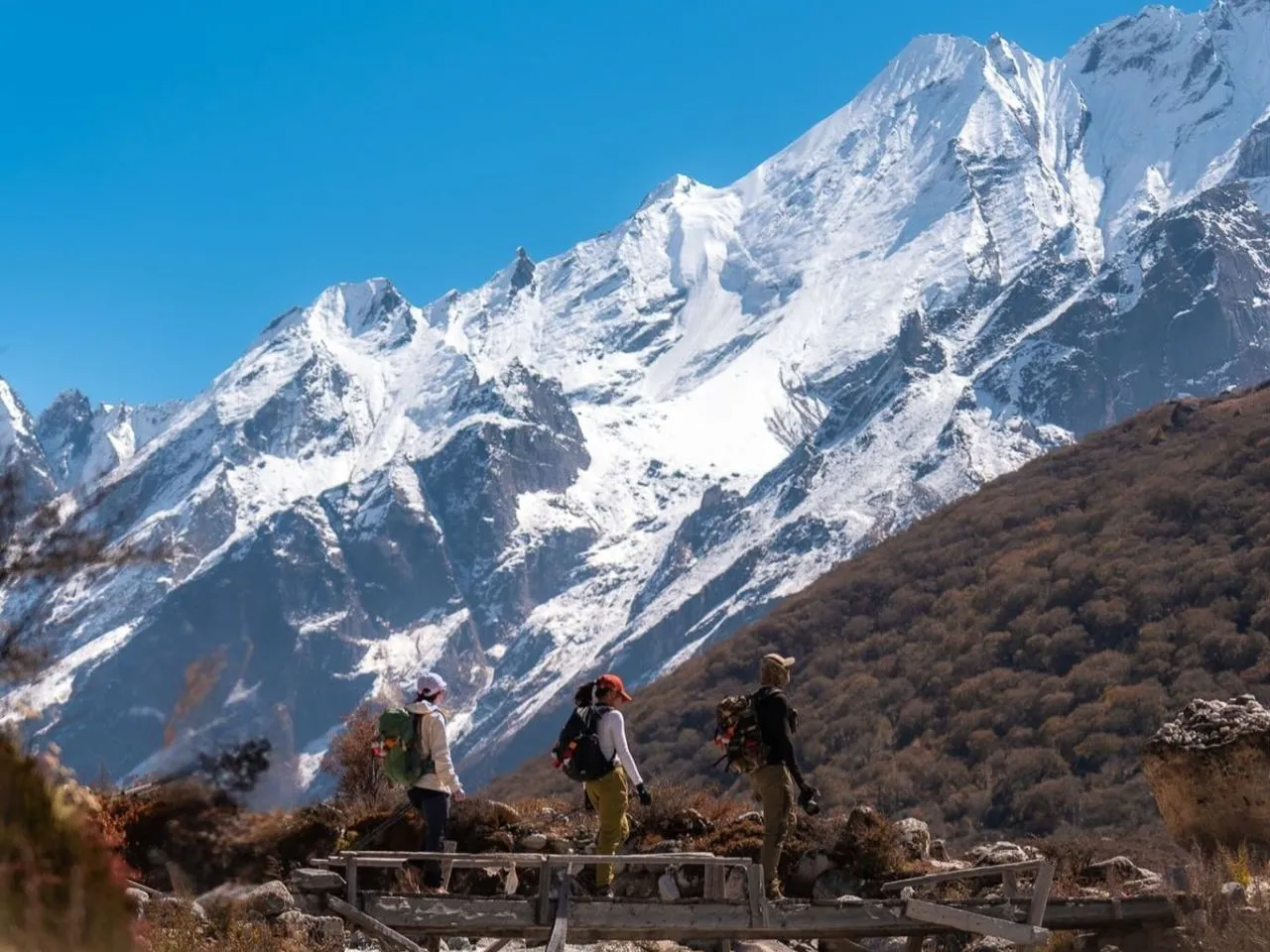
Langtang Luxury Trek – 10 Days
Langtang Luxury Trek – 10 Days
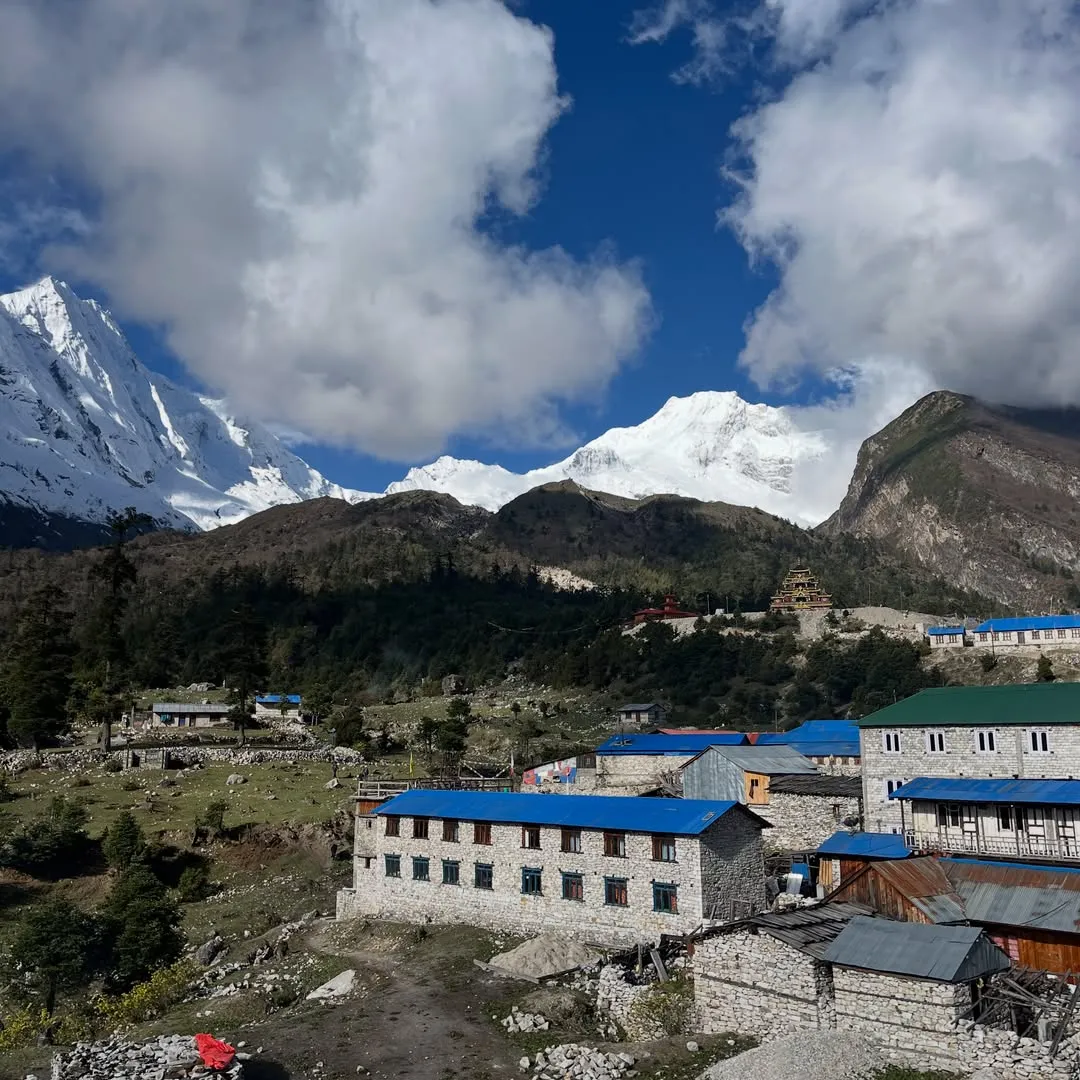
Manaslu Family Trek – 12 Days
Manaslu Family Trek – 12 Days
Manaslu Luxury Trek – 14 Days
Manaslu Luxury Trek – 14 Days

Manaslu Photography Trek – 17 Days
Manaslu Photography Trek – 17 Days
 English
 Deutsch
 Svenska
 Dansk
Dansk Русский
 Français
 Português
 Español
 Polski
 简体中文
简体中文 日本語
日本語 ไทย
ไทย العربية
 한국어
한국어