
Quick Answer
A remote Nepal trek that is too long or poorly timed risks closed high passes, shut lodges, flight cancellations, altitude sickness, and wasted permit fees. The Saipal Base Camp trek at 4,600 m and 14 to 18 days is a typical example: trekkers who book outside March to May or October to November face 30 percent flight cancellation rates, empty villages, and pass closures that can strand them for days.
Detailed Breakdown
Remote Nepal treks share four traits. They have one airstrip access point, no road bailout, lodge infrastructure run by a single family per village, and high passes above 4,500 m that close in winter and monsoon shoulder seasons. Saipal Base Camp in Bajhang district exemplifies all four.
Length compounds problems. A 14-day Saipal itinerary means 14 days of food and fuel carried from Chainpur. A 18-day itinerary needs porter relays. Trekkers underestimate the supply chain: when one porter falls sick on day 9, the entire itinerary compresses or cancels.
Timing determines viability. Spring from March to May and autumn from October to November work. June to September is monsoon with landslides blocking the Dhangadhi to Chainpur road. December to February has snow closing the Saipal base camp approach at 3,800 m.
Cost/Component Breakdown
| Problem | Trigger | Cost impact in 2027 USD |
|---|---|---|
| Flight cancellation | Off-season booking | USD 80 to USD 200 per day delay |
| Lodge closure | Winter or shoulder season | USD 25 to USD 40 tent camping supplement |
| Pass closure | Off-season snow | USD 300 to USD 600 itinerary reroute |
| Permit waste | Abandoned trek | USD 50 to USD 500 non-refundable permits |
| Altitude sickness | Compressed acclimatization | USD 2,500 to USD 4,000 heli rescue |
| Porter shortage | Off-season guides unavailable | USD 25 to USD 45 premium daily |
What Affects the Answer
Trip length relative to trail reality. A 14-day Saipal itinerary matches the trail. An 18-day version allows acclimatization and weather buffers. A 12-day version compresses acclimatization and causes altitude sickness in 1 of 3 trekkers.
Season affects every component. October and November have 85 percent flight reliability to Dhangadhi and the road to Chainpur is dry. July has 50 percent flight reliability and the road closes for 3 to 5 days after each monsoon rain.
Group size changes risk profile. Solo trekkers cannot share weather waits or porter costs. Groups of 4 to 6 absorb one day of delay at USD 15 per person versus USD 80 for solo.
Booking Tips
Book Saipal and similar remote treks 4 to 6 months ahead. The Dhangadhi to Chainpur jeep takes 12 to 16 hours and must be reserved ahead in peak season.
Plan 3 buffer days in Dhangadhi or Kathmandu for flight delays. The Saipal trek uses the Dhangadhi airstrip which has 70 percent morning reliability in shoulder seasons.
Buy helicopter rescue insurance covering remote areas. Saipal evacuations cost USD 2,500 to USD 4,000 from base camp. Standard insurance excludes some far west routes.
Comparison With Alternatives
Compared with the Annapurna Circuit, Saipal is 4 to 6 days longer, has one-tenth the lodge density, and twice the flight risk. Annapurna has road bailout at multiple points.
Compared with the Langtang Valley trek, Saipal is more remote, requires more days, and has less reliable flight access. Langtang is busier but safer for poorly timed trips.
Compared with the Rara Lake trek in the same far west region, Saipal is harder, higher, and riskier. Rara has a more reliable flight path to Jumla.
Common Mistakes to Avoid
Booking a 10-day Saipal itinerary. The minimum safe duration is 14 days. A 10-day version skips acclimatization and risks altitude sickness.
Booking in December or January. Snow closes the 3,800 m approach to base camp. Lodges close and the route is impassable.
Assuming mobile network coverage. Saipal base camp has no signal. Trekkers must carry a satellite messenger or InReach for USD 8 to USD 15 per day rental.
Skipping the buffer days. Tight international flight connections fail when the Dhangadhi to Kathmandu flight cancels. Always plan 2 nights in Kathmandu before flying out.
FAQ
What is the worst month to trek Saipal Base Camp?
July and August. Monsoon rains block the Dhangadhi to Chainpur road for 3 to 5 days at a time. Flights cancel and leeches make the lower trail unpleasant.
How long should a Saipal itinerary be?
14 days minimum, 16 to 18 days optimal. Shorter itineraries compress acclimatization and increase altitude sickness risk.
What happens if the high pass closes mid-trek?
The guide reroutes through an alternative valley or the group returns to Chainpur. Reroutes cost USD 300 to USD 600 in extra porter days and food.
Is Saipal Base Camp safe for solo trekkers?
No. The route has no mobile signal, very low foot traffic, and single-family lodges. A guide and minimum group of two are strongly recommended.
Summary
Too long or poorly timed remote Nepal treks cause closed passes, empty lodges, flight cancellations, and altitude sickness. Saipal Base Camp needs 14 to 18 days, spring or autumn season, 3 buffer days, and helicopter rescue insurance for a safe 2027 trip.
Conclusion
Match the trek length to trail reality, book inside the spring or autumn window, add buffer days for flights, and carry satellite communication. Saipal Base Camp is rewarding when planned correctly and a costly failure when rushed or mistimed.
Recommended Trek Packages
Trekking Places to Explore
Explore Trips in Nepal
Hand-picked guided trips to this destination
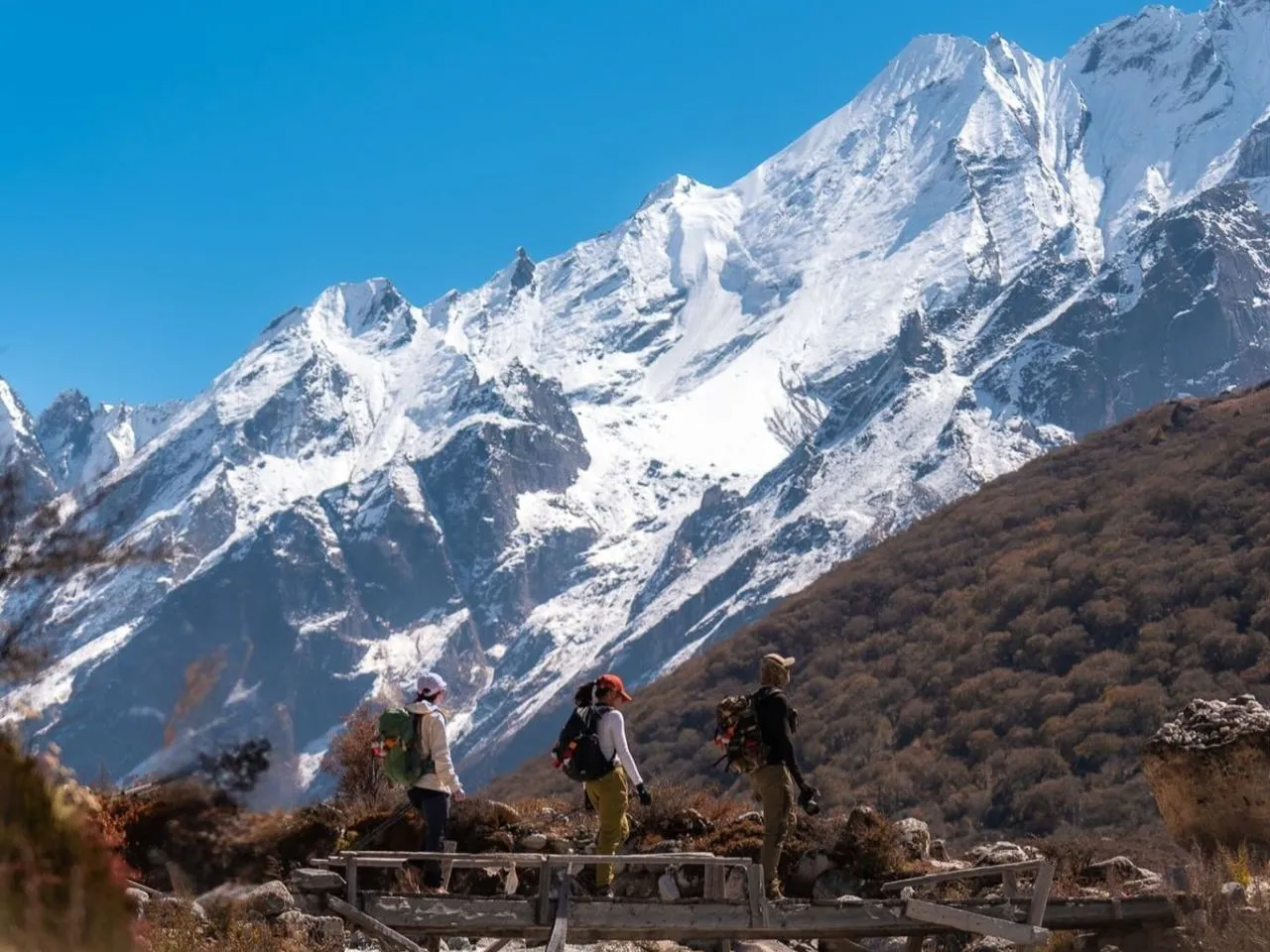
Langtang Luxury Trek – 10 Days
Langtang Luxury Trek – 10 Days
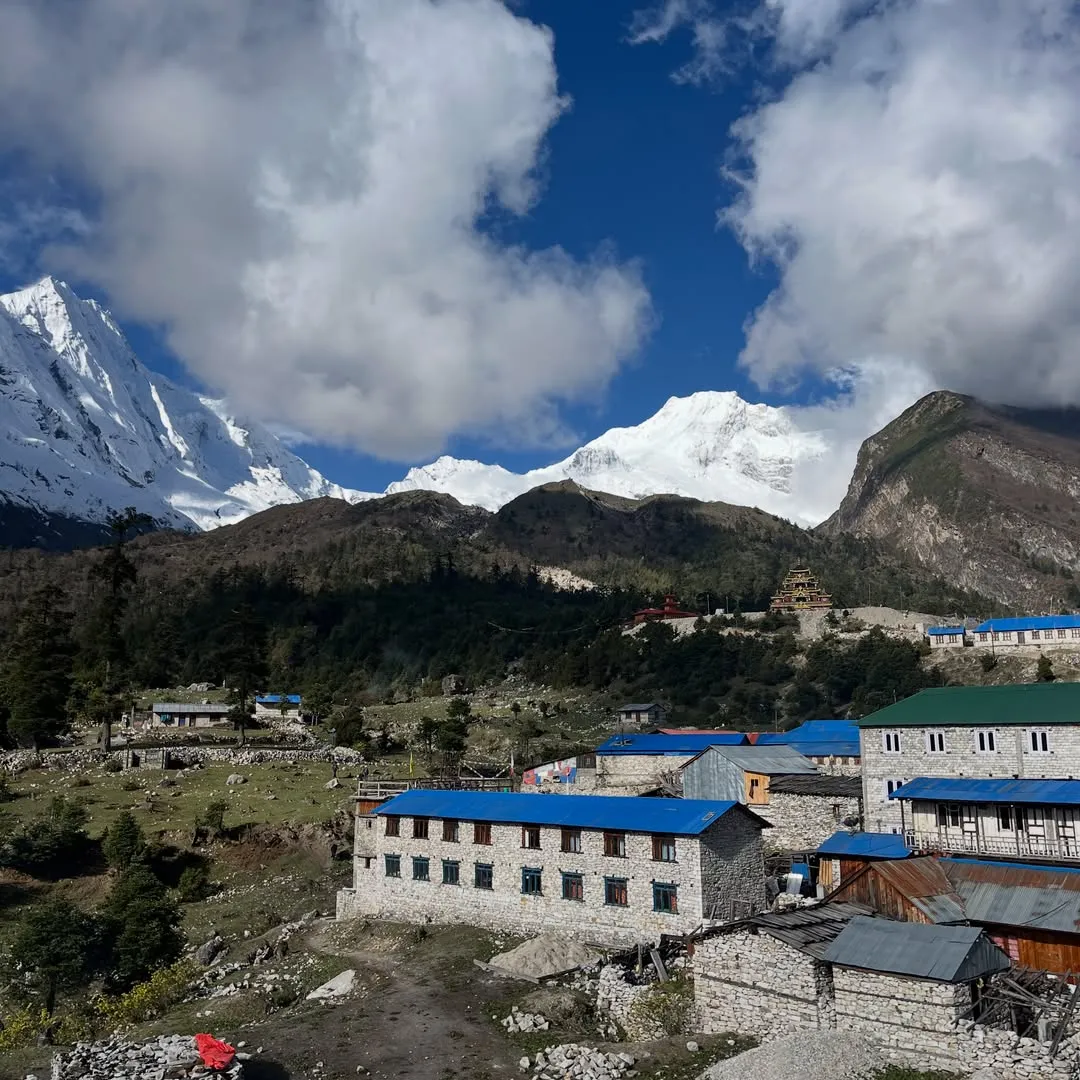
Manaslu Family Trek – 12 Days
Manaslu Family Trek – 12 Days
Manaslu Luxury Trek – 14 Days
Manaslu Luxury Trek – 14 Days

Manaslu Photography Trek – 17 Days
Manaslu Photography Trek – 17 Days
 English
 Deutsch
 Svenska
 Dansk
Dansk Русский
 Français
 Português
 Español
 Polski
 简体中文
简体中文 日本語
日本語 ไทย
ไทย العربية
 한국어
한국어