
Quick Answer
Quiet Nepal treks like the Arun Valley Trek are harder to organize than popular routes. The Arun Valley runs 12 to 16 days from Tumlingtar to Lukla crossing Salpa Pass at 3,500 m, with 200 trekkers a year versus 40,000 on EBC. Planning needs 4 to 6 weeks lead time, a Makalu Barun National Park permit at USD 30, a Salpa Pass region guide familiar with the route, and USD 200 to USD 400 cash because teahouses do not accept cards. Total cost runs USD 800 to USD 1,200 per person. The payoff is biological richness, deep Salpa Pass culture, and 90 percent fewer crowds than EBC.
Detailed Breakdown
The Arun Valley Trek follows the Arun river, the deepest valley in Nepal with 6,000 m of relief. The route starts at Tumlingtar at 400 m and climbs through subtropical forest to Salpa Pass at 3,500 m, then descends into Solu Khumbu toward Lukla at 2,840 m. The full route is 100 km and runs 12 to 16 days. Teahouse infrastructure is sparse with 2 to 4 lodges per village and none above 3,000 m on the Salpa Pass approach.
Organizing an Arun Valley trek takes more work than EBC. The Tumlingtar flight from Kathmandu runs daily but cancels 20 to 30 percent of the time in monsoon and winter. Guides familiar with the Salpa Pass route are 5 to 8 in Kathmandu versus 200 plus for EBC. Permits include Makalu Barun National Park at USD 30, Sagarmatha National Park at USD 30 if entering Solu Khumbu, and TIMS Card at USD 20. The route is poorly marked above 2,500 m and requires a Salpa Pass experienced guide.
Cost/Component Breakdown
| Component | Arun Valley (Quiet) | EBC (Popular) |
|---|---|---|
| Permits | USD 80 | USD 70 |
| Flight to trailhead | USD 120 Tumlingtar | USD 360 Lukla |
| Guide for 14 vs 12 days | USD 420 to USD 560 | USD 360 to USD 480 |
| Teahouse full board | USD 22 to USD 30 per night | USD 35 to USD 50 per night |
| Rescue insurance | USD 80 | USD 80 |
| Cash to carry | USD 200 to USD 400 | USD 100 to USD 200 |
| Total 14 days | USD 800 to USD 1,200 | USD 1,400 to USD 2,000 |
What Affects the Answer
Route selection is the biggest factor. Arun Valley sees 200 trekkers a year, Kanchenjunga Circuit sees 800, and Manaslu Circuit sees 8,000. The quieter the route, the smaller the guide pool, the fewer teahouses, and the more cash needed. Season is the second factor. October sees 80 percent of annual Arun Valley traffic in 3 weeks. March sees 15 percent. June to September sees 5 percent and route washouts.
Lead time matters. EBC can be booked 1 week ahead. Arun Valley needs 4 to 6 weeks to secure a Tumlingtar flight, a Salpa Pass guide, and the 4 Salpa Bhanjyang teahouse bookings. Cash flow is the third factor. Arun Valley teahouses do not accept cards. Carry USD 200 to USD 400 in 100 and 500 rupee notes.
Booking Tips
Book a Kathmandu agency that lists Arun Valley as a specialty. Confirm the guide has crossed Salpa Pass at least 5 times. Reserve the Tumlingtar flight 4 weeks ahead because daily seats are 18. Carry USD 300 in 100 and 500 rupee notes. Pack a sleeping bag liner for basic teahouse bedding. Pre-book the 4 Salpa Bhanjyang lodges for October departures.
Comparison With Alternatives
The Makalu Base Camp Trek runs 18 to 22 days for USD 2,400 to USD 3,400 with 500 trekkers a year. The Kanchenjunga Circuit runs 18 to 24 days for USD 2,200 to USD 3,200 with 800 trekkers a year. The Manaslu Circuit runs 14 to 18 days for USD 1,400 to USD 1,900 with 8,000 trekkers a year. The EBC Trek runs 12 to 14 days for USD 1,400 to USD 2,000 with 40,000 trekkers a year.
Common Mistakes to Avoid
Trekkers book Arun Valley 1 week ahead. The Tumlingtar flight sells out and Salpa Pass guides are committed to other groups. Plan 4 to 6 weeks ahead.
A second mistake is assuming Lukla style teahouse quality. Arun Valley lodges have shared squat toilets, no hot shower, and limited menus. Pack a sleeping bag liner, wet wipes, and protein bars.
FAQ
Is Arun Valley harder to organize than EBC? Yes. EBC books 1 week ahead with 200 plus available guides. Arun Valley needs 4 to 6 weeks lead time with 5 to 8 Salpa Pass guides.
Do I need a guide on Arun Valley? Yes. The route is poorly marked above 2,500 m, teahouses are 4 to 6 hours apart, and few locals speak English. A guide costs USD 30 to USD 40 a day.
Can I combine Arun Valley with Makalu Base Camp? Yes. The combined 22 to 26 day route costs USD 2,200 to USD 3,400 and crosses 3 regions. Most agencies offer this as the Makalu Arun Valley Trek.
Are ATMs available on the route? No. The last ATM is in Tumlingtar. Carry USD 200 to USD 400 in cash for the full route.
Summary
Quiet Nepal treks like Arun Valley are harder to organize than popular routes. Plan 4 to 6 weeks ahead, secure a Salpa Pass guide, carry USD 200 to USD 400 in cash, and accept basic teahouses. Total cost runs USD 800 to USD 1,200 for 12 to 16 days. The payoff is 90 percent fewer crowds and deep biological and cultural richness.
Conclusion
Quiet Nepal treks are harder to plan but cheaper and far less crowded. Book 4 to 6 weeks ahead, secure a Salpa Pass experienced guide, carry cash, and pack for basic teahouses. The Arun Valley delivers biological richness and 200 trekkers a year solitude that EBC cannot match in 2027 to 2030.
Recommended Trek Packages
Trekking Places to Explore
Explore Trips in Nepal
Hand-picked guided trips to this destination
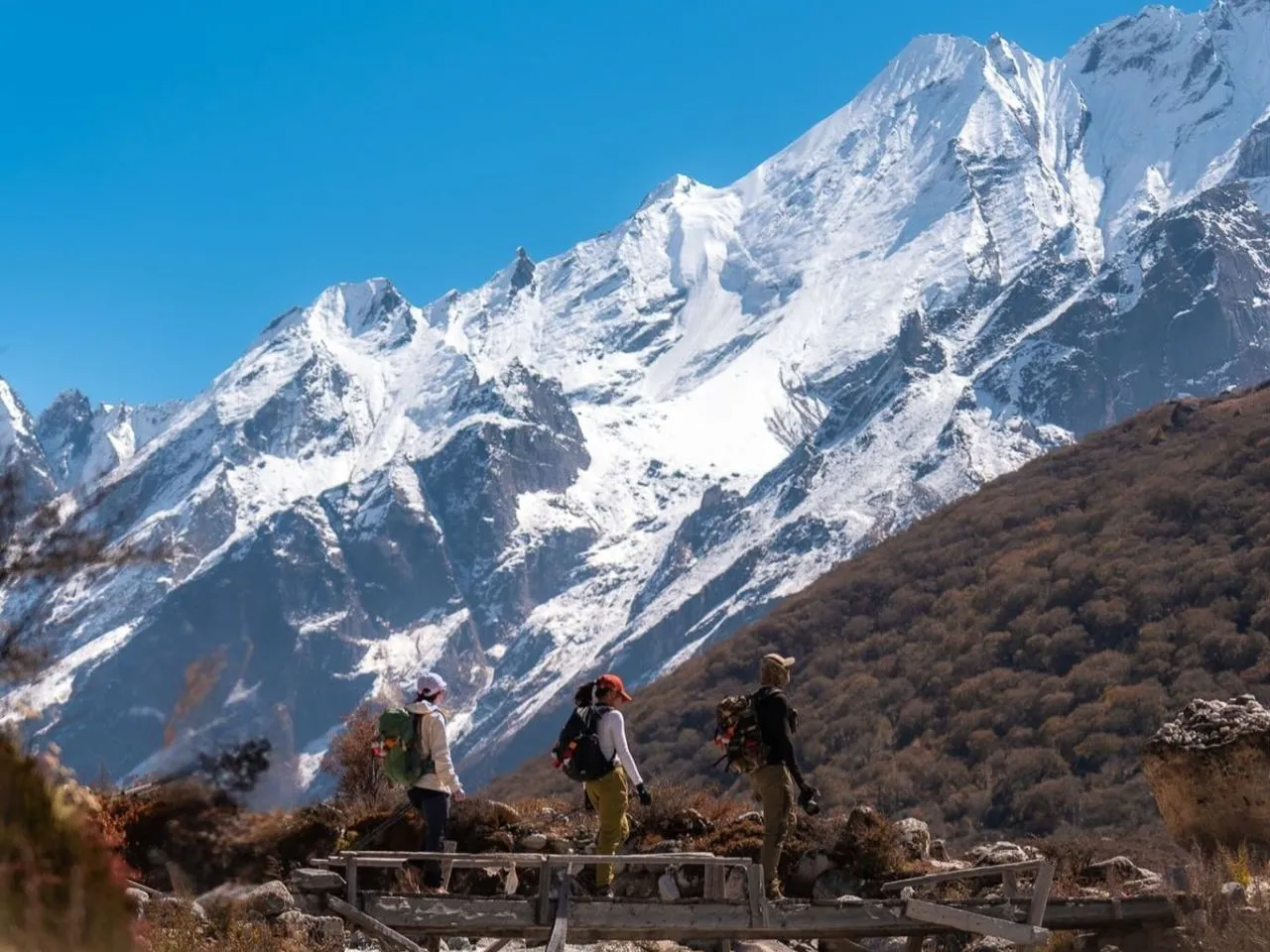
Langtang Luxury Trek – 10 Days
Langtang Luxury Trek – 10 Days
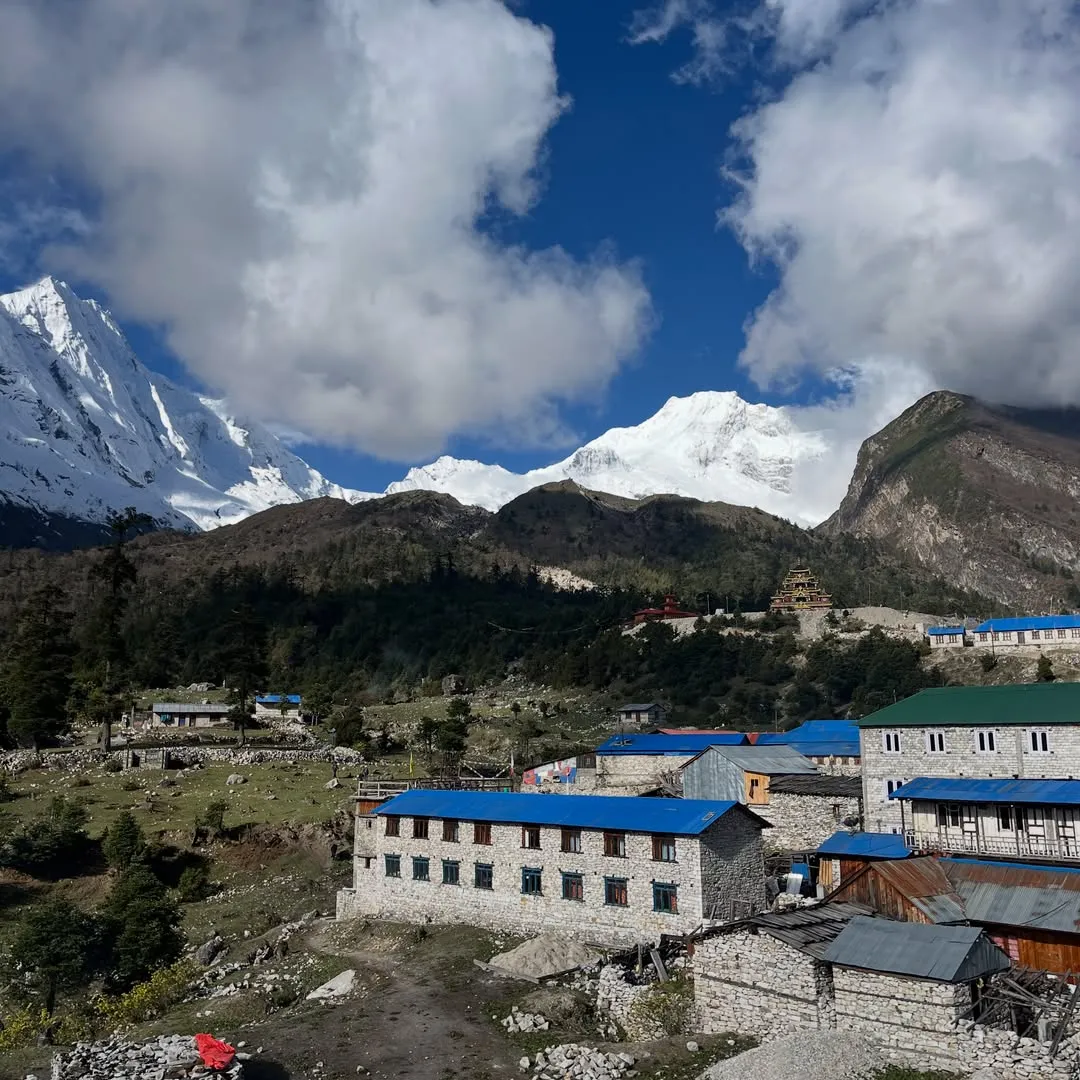
Manaslu Family Trek – 12 Days
Manaslu Family Trek – 12 Days
Manaslu Luxury Trek – 14 Days
Manaslu Luxury Trek – 14 Days

Manaslu Photography Trek – 17 Days
Manaslu Photography Trek – 17 Days
 English
 Deutsch
 Svenska
 Dansk
Dansk Русский
 Français
 Português
 Español
 Polski
 简体中文
简体中文 日本語
日本語 ไทย
ไทย العربية
 한국어
한국어