
Trek Overview
The Ganja La Pass trek is the toughest and most rewarding route in the Langtang region, crossing the 5,130-metre Ganja La from the Langtang Valley into Helambu without returning by the same path. There are no tea houses between Kyanjin Gompa and Tarkeghyang, so you carry a full camp and sleep in tents for two or three nights. The pass itself is straightforward in good weather but serious in fresh snow, and the views from the top reach from Langtang Lirung to Shishapangma on the Tibetan border.
Why Visit
This is a genuine mountaineering-style adventure within a week of Kathmandu, and very few trekkers do it. The solitude on the northern side of the pass is total, the camping nights under the stars are memorable, and the cultural shift from Tibetan-style Langtang to Hyolmo Helambu happens in a single day. It also gives you a continuous traverse from Syabrubesi to Melamchi Pul with no backtracking.
Best Time to Trek
Only spring (April to May) and autumn (October to November) are reliable. The pass collects snow through winter and may not clear until late April. By late November, new snow can close it again. Avoid monsoon entirely; the northern approach turns into a slippery mud chute. Plan autumn 2027 or spring 2028 departures and build in two buffer days for weather.
Difficulty Level
We rate the Ganja La trek Strenuous. You carry (or your porter carries) camping gear and food across a 5,130-metre pass, sleep in tents at 4,900 metres, and walk long days on uneven ground. Solid fitness, previous trekking above 4,500 metres, and a tolerance for cold nights are required.
Duration
Plan 9 to 13 days, with 11 days the comfortable average. Add one or two buffer days in case the pass is closed by weather and you need to wait or retreat.
Route Details
The first four days follow the standard Langtang Valley route from Syabrubesi to Kyanjin Gompa, with an acclimatisation day to climb Kyanjin Ri. From Kyanjin, the route leaves the main valley and climbs east past Ngegang (4,400 m) where the first camp is set up. Day 6 crosses the Ganja La at 5,130 metres and descends to a high camp at Keldang (4,900 m). The next day drops steeply to Yangri Kharka, then continues to Tarkeghyang in Helambu. From Tarkeghyang the trail follows the standard Helambu route through Sermathang to Melamchi Pul.
Itinerary Overview
- Day 1: Drive to Syabrubesi, trek to Lama Hotel
- Day 2: Trek to Langtang village
- Day 3: Trek to Kyanjin Gompa (3,830 m)
- Day 4: Acclimatisation, climb Kyanjin Ri
- Day 5: Trek to Ngegang (4,400 m), camp
- Day 6: Cross Ganja La (5,130 m), camp at Keldang
- Day 7: Trek to Yangri Kharka (3,690 m)
- Day 8: Trek to Tarkeghyang (2,560 m)
- Day 9: Trek to Sermathang (2,610 m)
- Day 10: Trek to Melamchi Pul, drive to Kathmandu
Maximum Altitude
The high point is Ganja La at 5,130 metres (16,831 feet), with a camp at Keldang around 4,900 metres. Acclimatise properly at Kyanjin (two nights minimum) before pushing over.
Weather
Temperatures at the pass can drop to minus 15 degrees Celsius at night, even in peak season. Daytime highs on the pass hover around freezing. Wind is the main danger; carry a shell jacket with a hood and ski goggles.
Accommodation
You sleep in tea houses for the first four nights and the last three nights. In between, on the north side of the pass, you camp in tents with insulated mats and four-season sleeping bags provided by your trekking agency.
Tea Houses
Tea houses in Kyanjin and Tarkeghyang are the same as on the Langtang Valley and Helambu routes: family-run, simple, with a heated dining room. Bring your own sleeping bag liner for hygiene.
Camping
Your agency supplies two-person tents, a dining tent, kitchen gear, a toilet tent, and a cook team. You carry only your personal gear in a 30 to 40 litre daypack. Campsites at Ngegang and Keldang are exposed; pitch tents behind rock walls if wind is forecast. Bring an insulated sleeping pad with an R-value of 4 or higher.
Food
On tea-house nights, the menu is the standard dal bhat, momos, and pasta. On camping nights the cook team prepares rice, lentils, vegetables, soup, and tea. Carry energy bars, chocolate, and electrolyte powder for pass day.
Drinking Water
Melt snow or boil water at the high camps. Lower down, treat stream water with a filter or SteriPen. Plan for three to four litres per person per day on pass day to fend off altitude headaches.
Electricity
There is no power north of Kyanjin. Carry at least two power banks and keep them inside your jacket in cold weather, because cold drains lithium cells fast.
Internet & Mobile Network
No signal on the north side of the pass. You may pick up Ncell briefly at Tarkeghyang. Treat the crossing as off-grid.
Transportation
Local bus or jeep to Syabrubesi (seven to nine hours). Return from Melamchi Pul by bus or private jeep (three to four hours). Plan an extra day in Kathmandu at each end for gear checks.
Required Permits
You need the Langtang National Park Entry Permit ($30) and the TIMS Card ($20). The Shivapuri permit is not required on this route because you exit at Melamchi Pul before entering the national park boundary.
Packing List
- Four-season sleeping bag rated to minus 20 C
- Insulated sleeping pad, R-value 4 or higher
- Down jacket, shell jacket, hard shell pants
- Ski goggles and warm mittens for pass day
- Trekking poles and light crampons (microspikes)
- Headlamp with cold-rated batteries
- Two 10,000 mAh power banks
- First-aid kit with Diamox and dexamethasone
Budget Guide
| Item | Cost (USD) |
|---|---|
| Langtang NP permit | $30 |
| TIMS Card | $20 |
| Transport to Syabrubesi | $15 to $200 |
| Guide per day | $30 to $45 |
| Porter per day | $20 to $30 |
| Camping crew and gear hire | $200 to $350 |
| Lodging, camping, and meals per day | $30 to $50 |
| Total 11-day package | $1,600 to $2,800 |
Photography Tips
The summit of Ganja La gives a 360-degree panorama of Langtang Lirung, Dorje Lakpa, and Shishapangma. Shoot wide and fast in morning light before clouds roll in. Camp at Keldang has clean alpenglow on the rock walls at first light.
Wildlife
Higher up, you may spot blue sheep on scree slopes and lammergeiers riding thermals above the pass. The northern side is too high for red pandas but is good habitat for snowcock and Himalayan griffon.
Flora
The route crosses three vegetation zones: oak and rhododendron below 3,500 m, birch and juniper from 3,500 to 4,500 m, and bare alpine scree above. The first primulas appear at the snow line in May.
Local Culture
The Langtang side is Tibetan Buddhist with chortens and mani walls. The Helambu side is Hyolmo, with a distinct dialect and a stronger monastic tradition. Tarkeghyang monastery, with its 400-year-old history, is the cultural highlight of the descent.
Local Villages
Key stops include Kyanjin Gompa with its monastery and cheese factory; the yak herder camps of Ngegang and Keldang; Tarkeghyang, a Hyolmo village with one of the oldest monasteries in the region; and Sermathang, where apple orchards line the trail.
Safety Tips
- Turn back if the pass is under fresh snow or in whiteout.
- Carry microspikes for the descent into Helambu.
- Sleep with your water bottle inside your bag to prevent freezing.
- Keep Diamox and dexamethasone in the group first-aid kit.
- Never cross alone; rope up if you are unsure of the route.
- Carry a satellite messenger or PLB for the camping section.
Altitude Sickness Guide
The 5,130-metre pass and the 4,900-metre camp at Keldang put you firmly in the risk zone. Acclimatise at Kyanjin for two nights, climb Kyanjin Ri (4,600 m) for an active acclimatisation day, and consider Diamox from day 5. If anyone shows signs of HACE (confusion, loss of coordination) or HAPE (fluid in lungs), descend immediately on the Helambu side; do not wait for morning.
Emergency Contacts
Himalayan Rescue Association clinic: +977 1 4440292. Simrik Air rescue: +977 1 4112222. Helicopter landing is possible at Kyanjin and Tarkeghyang but very limited at the high camps. Insurance must cover evacuation above 5,000 metres.
Responsible Tourism
Hire local Langtang porters for the camping section so they earn income from a route that sees few visitors. Pack out all waste from the high camps, including toilet paper and gas canisters. Pay crew a fair daily rate plus a tip of 10 to 15 percent at the end.
Frequently Asked Questions
Below are the questions trekkers send us most often before signing up for the Ganja La crossing.
Summary
- 11-day traverse from Syabrubesi to Melamchi Pul over Ganja La.
- Highest point 5,130 m, with a camp at 4,900 m.
- Camping required for two or three nights north of the pass.
- Spring and autumn only; do not attempt in winter.
- Budget $1,600 to $2,800 for a guided package.
- Requires Langtang NP permit and TIMS.
Conclusion
The Ganja La Pass trek is the most committing route in the Langtang region and we recommend it only to experienced trekkers with previous high-altitude experience. If you have done the Langtang Valley trek and want a tougher, quieter version, this is the natural next step. Plan spring 2028 for the best weather window and book with an agency that provides a full camping crew and a guide who has crossed the pass before.
Recommended Trek Packages
Trekking Places to Explore
Explore Trips in Nepal
Hand-picked guided trips to this destination
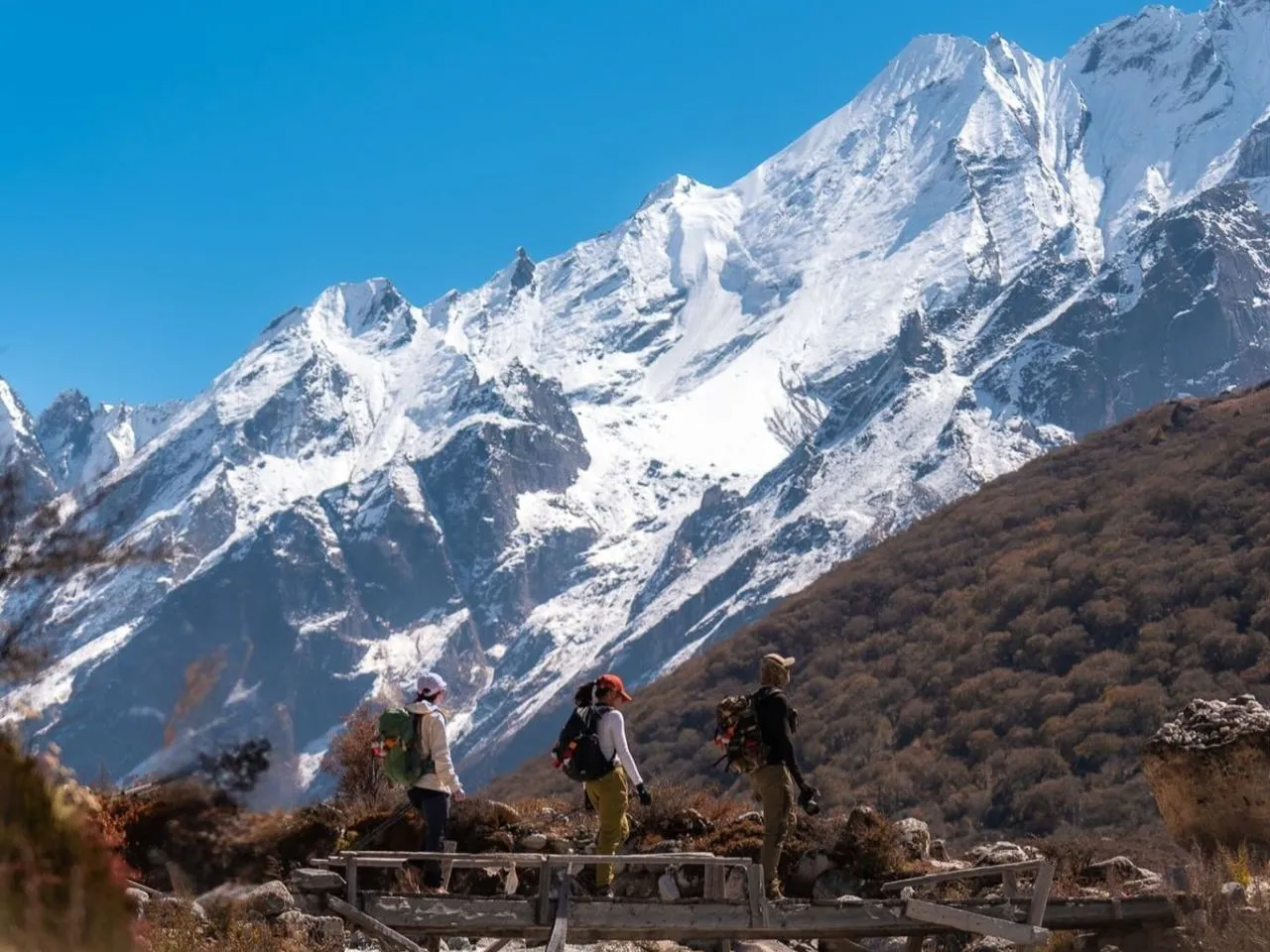
Langtang Luxury Trek – 10 Days
Langtang Luxury Trek – 10 Days
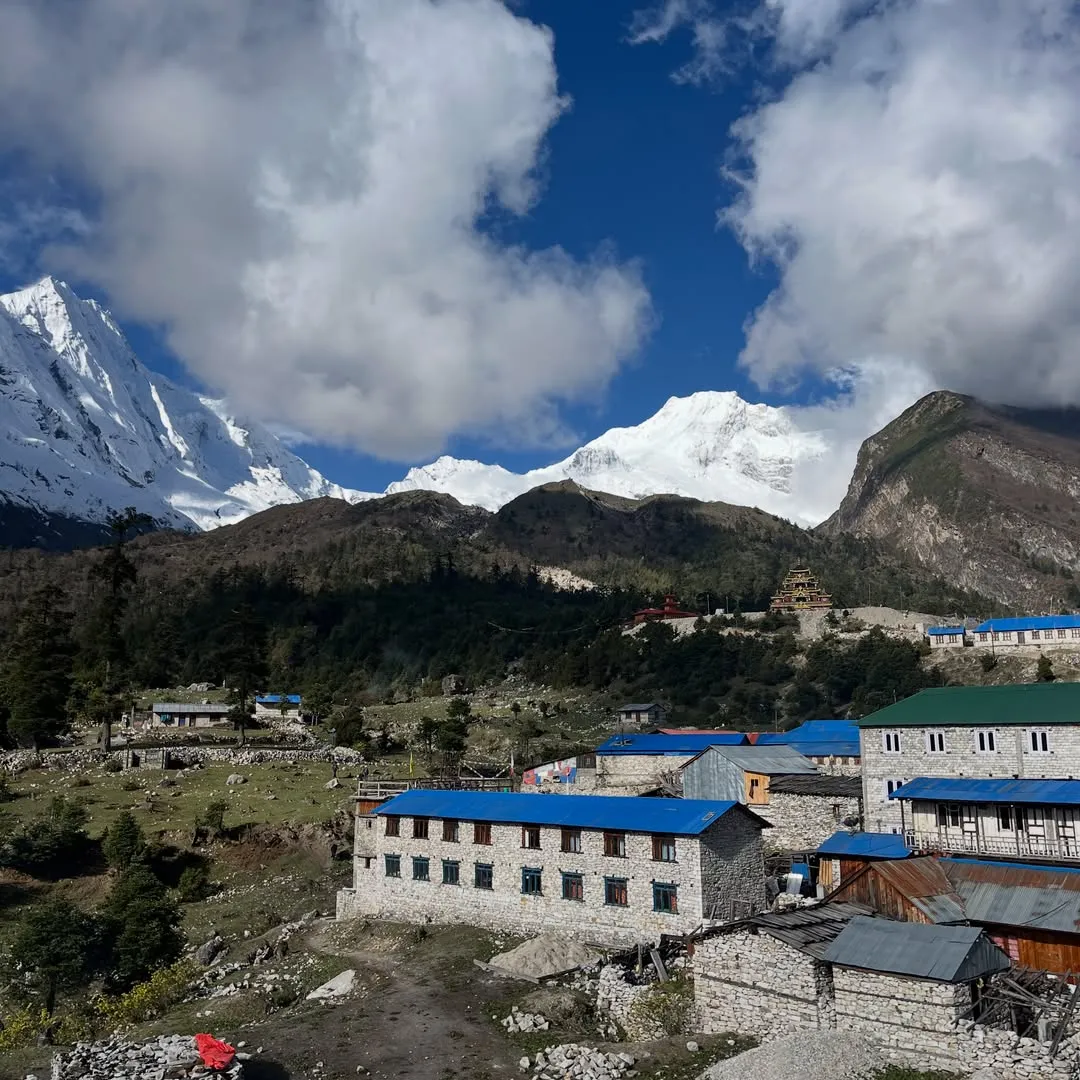
Manaslu Family Trek – 12 Days
Manaslu Family Trek – 12 Days
Manaslu Luxury Trek – 14 Days
Manaslu Luxury Trek – 14 Days

Manaslu Photography Trek – 17 Days
Manaslu Photography Trek – 17 Days
 English
 Deutsch
 Svenska
 Dansk
Dansk Русский
 Français
 Português
 Español
 Polski
 简体中文
简体中文 日本語
日本語 ไทย
ไทย العربية
 한국어
한국어