
Trek Overview
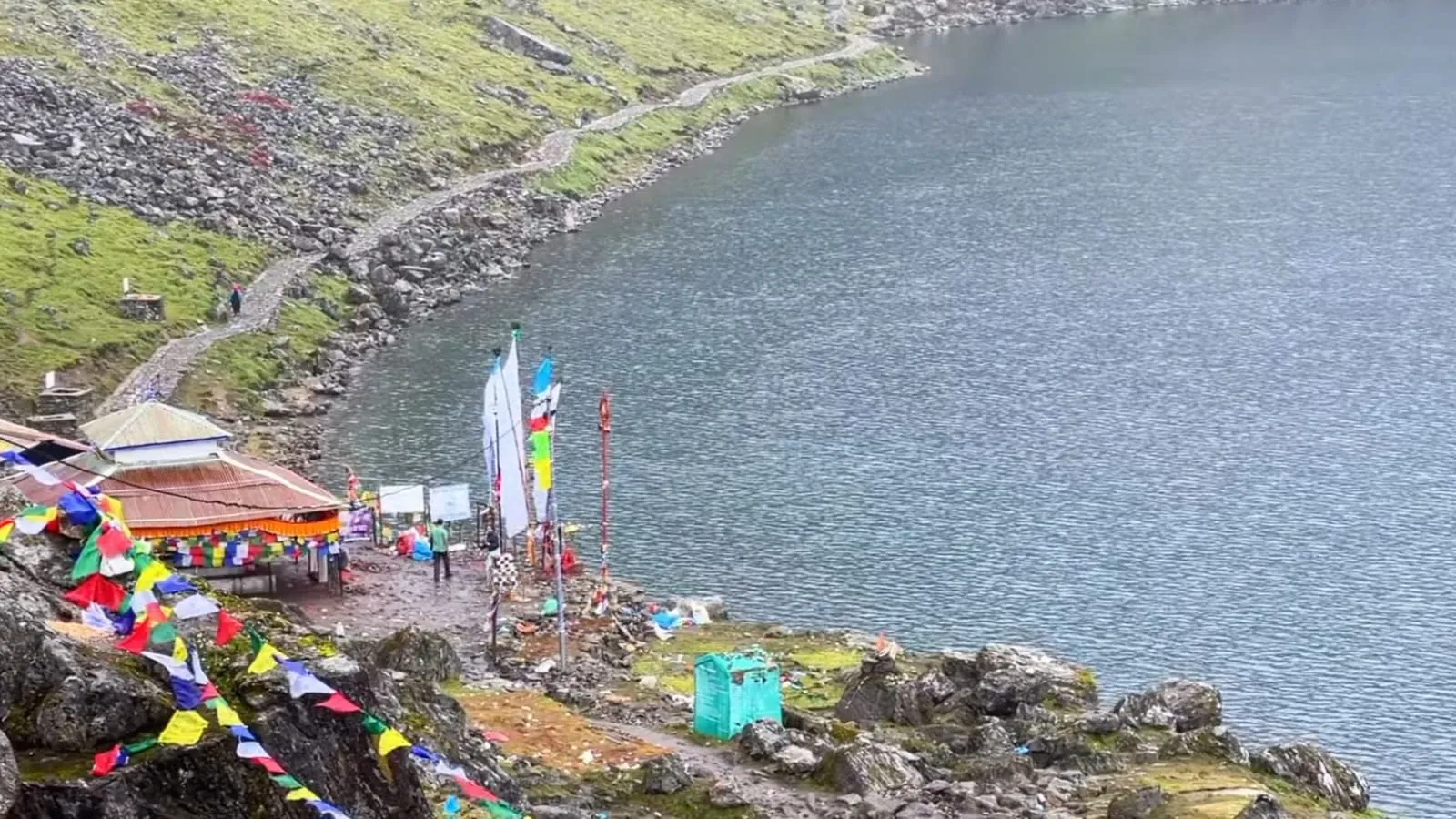
The Gosaikunda Trek takes you to a sacred alpine lake at 4,380 metres that draws thousands of Hindu pilgrims every August. The lake is one of a chain of more than 100 small lakes fed by the Langtang watershed, and it is sacred to both Hindus and Buddhists. The shorter Sundarijal route passes through Shivapuri Nagarjun National Park and is the most accessible 4,000-metre trek from Kathmandu. You can be at the lake in four days and back in Kathmandu by the fifth.
Why Visit
You come to Gosaikunda for the pilgrimage atmosphere and the accessibility. The lake is sacred to Shiva, who is said to have created it by thrusting his trident into the mountain. The August Janai Purnima festival brings thousands of pilgrims, sadhus, and shamans to the lake. The chain of alpine lakes above the main Gosaikunda is rarely visited and very beautiful. It is the only major Nepal trek you can do in a long weekend.
Best Time to Trek
Summer (late July and August) is the pilgrimage season, with Janai Purnima in early to mid-August the peak. Spring (March to May) and autumn (September to November) are clearer and quieter. Winter (December to February) is snowed in at the lake. For 2027 festival departures, book by May as lodges fill up. For clear views, choose October.
Difficulty Level
We rate this trek Moderate. You walk 4 to 6 hours a day on stone steps and forest trail, with one long climb to the lake. The maximum altitude of 4,380 metres is the main challenge, reached in three or four days from Kathmandu. No technical gear is needed. A reasonably fit walker will manage this, but acclimatisation matters at the lake.
Duration
Plan 4 to 7 days from Kathmandu. The shortest 4-day version starts at Dhunche and ends at Dhunche, hitting the lake and returning. The 7-day version starts at Sundarijal, crosses Laurebina La at 4,610 metres, and exits at Dhunche. We recommend 6 days for most clients to allow a slow ascent and a rest day at the lake.
Route Details
The shorter route starts at Dhunche, a 6-hour jeep ride from Kathmandu, and climbs through Chandanbari and Sing Gompa to Laurebina and the lake. The return follows the same trail back to Dhunche. The longer route starts at Sundarijal in the Kathmandu Valley, climbs through Shivapuri Nagarjun National Park to Chisapani, then joins the Dhunche route at Sing Gompa and exits at Dhunche. The optional Laurebina La pass at 4,610 metres is on the longer route.
Itinerary Overview
Day 1: drive Kathmandu to Dhunche, trek to Chandanbari. Day 2: Chandanbari to Laurebina. Day 3: Laurebina to Gosaikunda. Day 4: rest day at Gosaikunda, explore the lakes. Day 5: Gosaikunda to Sing Gompa. Day 6: Sing Gompa to Dhunche, drive to Kathmandu. The Sundarijal-start version adds 2 days at the beginning and crosses Laurebina La.
Maximum Altitude
The highest point on the standard trek is Gosaikunda Lake at 4,380 metres (14,370 feet), where you sleep for one or two nights. The optional Laurebina La pass on the longer route reaches 4,610 metres. The climb from Laurebina to the lake is 580 metres over about 3 hours, with no technical difficulty. AMS is possible at the lake, so ascend slowly.
Weather
Daytime temperatures run 8 to 15 degrees Celsius at the lake in spring and autumn, dropping to minus 5 at night. Summer (July and August) is warmer but cloudier, with afternoon rain common. Winter is snowed in at the lake from December to March. Carry a down jacket and a three-season sleeping bag year-round at the lake.
Accommodation
You sleep in family-run tea houses with twin beds, foam mattresses, and shared bathrooms. The lodges at Gosaikunda are basic, with shared squat toilets and limited hot water. The lodges at Chandanbari and Sing Gompa are more comfortable, with yak cheese factories on site. Bring a three-season sleeping bag for the cold nights at the lake.
Tea Houses
Tea houses on the Gosaikunda route are basic, with solar lighting and wood stoves in the dining room. The lodges at Gosaikunda fill up fast during the August festival, so book ahead. Charging is rare above Chandanbari. Bed rates run $5 to $8 if you eat dinner at the lodge. Some lodges have bakeries serving fresh bread.
Camping
This trek uses tea-house lodging; camping is not typically required. Some pilgrim groups camp at the lake during the August festival when lodges are full.
Food
Food is simple home cooking: dal bhat, noodles, fried rice, and Tibetan bread. The Chandanbari and Sing Gompa lodges serve locally made yak cheese. During the August festival, pilgrim kitchens serve free food to sadhus and trekkers. Carry snacks from Kathmandu, as the trail shops are limited above Chandanbari.
Drinking Water
Tap and stream water is available but must be treated. We carry a SteriPen and iodine tablets, with a filter as backup. Boiled water is sold at lodges for $1 to $2 per litre. Plan for 3 litres a day, more on the climb to the lake. Do not drink directly from the sacred lake.
Electricity
Lower villages have grid power or solar; Gosaikunda runs on small solar setups only. Charging a phone may cost $2 to $4 if available at all. Bring a power bank and charge everything in Dhunche or Kathmandu. Solar lighting in the lake lodges is dim and brief in the evening.
Internet & Mobile Network
Ncell and Nepal Telecom work intermittently up to Chandanbari, then drop out above. There is no signal at Gosaikunda. Buy a data pack in Kathmandu and download maps before you start. Treat the lake as a digital detox, especially during the festival when the lodges are crowded.
Transportation
The trailhead at Dhunche is a 6-hour jeep ride from Kathmandu on a rough road, costing $80 to $120 for a private 4WD. The Sundarijal trailhead is a 1-hour taxi ride from Kathmandu. We arrange private jeeps for both options. Public buses run to Dhunche for $5 but take 8 hours and are crowded.
Required Permits
You need three permits: the Langtang National Park Entry Permit at about $30, the Shivapuri Nagarjun National Park Permit at about $15 (for the Sundarijal start only), and the TIMS Card at $20. We arrange all in Kathmandu. Bring four passport photos and your passport. No restricted-area permit is needed.
Packing List
Pack a three-season sleeping bag, a down jacket, and three layers of trekking clothing. Sturdy waterproof boots with good grip are essential for the stone steps. Carry a 25-litre day pack, trekking poles, a headlamp, and a basic first-aid kit. Bring a swimsuit if you plan to bathe in the lake, and a dry bag for festival crowds.
Budget Guide
Below is a rough per-person budget for a 6-day Gosaikunda trek in 2027, assuming a small group with guide.
| Item | Cost (USD) |
|---|---|
| Guide (6 days) | $150-210 |
| Porter (6 days, optional) | $90-120 |
| Tea-house lodging | $30-48 |
| Meals | $90-150 |
| Permits | $65 |
| Transport (round trip) | $60-100 |
| Total (6 days) | $485-693 |
This is one of the most affordable 4,000-metre treks in Nepal. Solo trekkers add about $100 for the guide.
Photography Tips
Shoot the lake at first light, when the water is still and the peaks reflect in it. A wide-angle lens captures the lake and surrounding peaks in one frame. During the August festival, the sadhus and pilgrims make powerful portrait subjects; ask before photographing. The chain of small lakes above Gosaikunda is rarely photographed and worth the short hike.
Wildlife
The Langtang and Shivapuri parks hold red pandas (rarely seen), langurs, and a wide range of birds. Look for kalij pheasants and danphe on the upper trail. The lake itself has no fish, being sacred. Himalayan tahr occasionally appear on the slopes above the lake. Keep distance, and never feed the animals.
Flora
The trail climbs from subtropical forest at Sundarijal through oak and rhododendron to alpine scrub at the lake. Spring brings rhododendron flowers on the lower trail. Above 4,000 metres the vegetation thins to juniper, alpine grasses, and cushion plants. The sacred lake is surrounded by bare rock and prayer flags.
Local Culture
Gosaikunda is sacred to Hindus as the lake created by Shiva's trident, and to Buddhists as a place of Padmasambhava. The August Janai Purnima festival brings thousands of pilgrims, sadhus, and Tamang shamans (jhakris) to the lake. Pilgrims bathe in the icy water as a purification ritual. Dress and behave respectfully at the lake, especially during the festival.
Local Villages
Chandanbari is a small village with a yak cheese factory and a few lodges. Sing Gompa is a tiny settlement with a monastery and cheese factory. Laurebina is a lodge-only stop above the tree line. Dhunche at the trailhead is the district capital, with shops, bakeries, and government offices.
Safety Tips
Carry a tested first-aid kit including diamox, ibuprofen, and rehydration salts. Trek with a licensed guide who knows the weather signs. Do not push past symptoms of altitude sickness; descend if you have a headache that does not respond to fluids. During the August festival, lodges are crowded; book ahead and keep your valuables secure.
Altitude Sickness Guide
You sleep at 4,380 metres at Gosaikunda, high enough for real AMS. The fast ascent from Dhunche at 1,950 metres in three days is aggressive, so we recommend a slower itinerary or diamox 125mg twice daily from Chandanbari. Drink 3 to 4 litres of water a day and avoid alcohol at the lake. If symptoms worsen, descend to Laurebina or Sing Gompa immediately.
Emergency Contacts
Keep these numbers on paper and on your phone: local police 100, tourist police in Kathmandu 4216330, and Dhunche hospital. Your travel insurance must cover helicopter evacuation above 4,000 metres. Carry your insurance policy number and emergency phone in your day pack. Your guide carries a mobile phone with the best local SIM.
Responsible Tourism
Gosaikunda is a sacred lake; do not bathe with soap or shampoo in it, and do not throw anything in. Carry out all rubbish, including wrappers and offerings. Refill water bottles rather than buying plastic. Dress modestly at the lake, especially during the festival. Tip guides and porters around 10 percent of the trek cost.
Frequently Asked Questions
We answer the most common client questions about the Gosaikunda Trek below, covering permits, the festival, and logistics. Read these before you book. If your question is not here, our team is happy to help.
Summary
The Gosaikunda Trek is the most accessible 4,000-metre trek from Kathmandu, reaching a sacred alpine lake in 4 to 7 days. It is rated Moderate, peaks at 4,380 metres, and runs in spring, autumn, and the August festival season. The Janai Purnima pilgrimage is the cultural highlight. The Sundarijal start adds the Laurebina La pass at 4,610 metres.
Conclusion
If you want a real high-altitude trek in under a week, or you want to witness one of Nepal's great pilgrimages, the Gosaikunda Trek is our 2027 pick. The lake is sacred, the festival is unforgettable, and the logistics are easy. Book early for August, pack a down jacket, and bring a swimsuit if you dare to bathe.
Recommended Trek Packages
Trekking Places to Explore
Explore Trips in Nepal
Hand-picked guided trips to this destination
 English
 Deutsch
 Svenska
 Dansk
Dansk Русский
 Français
 Português
 Español
 Polski
 简体中文
简体中文 日本語
日本語 ไทย
ไทย العربية
 한국어
한국어