
Quick Answer
Before you pay a deposit, confirm the percentage held as non-refundable, the refund ladder by cancellation date, the deadline for final payment, and how force majeure is defined. For restricted routes like Manaslu Tsum Valley, also confirm that permit fees issued in your name are non-refundable, which means a 20 percent deposit can quickly become 50 percent of real cost if you cancel inside 30 days.
Detailed Breakdown
Nepal trekking operators run on cash flow, not large margins, so contracts lean toward protecting their working capital. A typical 2027 or 2028 package quotes a 20 to 30 percent deposit at booking, with the balance due 30 days before arrival. Cancellation ladders usually credit 90 percent if you cancel 60+ days out, 50 percent at 30 to 60 days, and zero inside 14 days.
Restricted area treks change the math. Manaslu Tsum Valley requires a Manaslu Restricted Area Permit at $50 per person per week, a Tsum Valley Restricted Area Permit at $35 per person per week, plus MCAP and ACAP fees. Once these permits are issued in your name against your passport, the operator cannot resell them. A good contract separates permit cost from service cost and applies refund tiers only to the service portion.
Cost / Component Breakdown
| Component | Typical cost (USD) | Refundable? |
|---|---|---|
| Deposit at booking | $300 to $600 | Non-refundable |
| Manaslu Restricted Area Permit | $70 per person (14 days) | No, once issued |
| Tsum Valley Restricted Area Permit | $35 per person per week | No, once issued |
| MCAP and ACAP permits | $50 combined | No, once issued |
| Guide and porter wages (service portion) | $1,200 to $1,800 | Subject to refund ladder |
| Lukla or flight re-routing fee | $80 to $150 | Refundable if unused |
What Affects the Answer
Seasonality drives cancellation risk. October and April fill quickly, so operators are less flexible than in June or February. Your group size matters because a private booking of two has different break-even points than a fixed departure of ten. The permit issuance date is the critical trigger, since operators usually process restricted permits 7 to 14 days before your start date.
Force majeure wording also matters. Pandemic-era contracts now sometimes include explicit disease outbreak clauses, but many still treat weather, strikes, and road closures as your risk, not theirs. Australian and UK travelers should also check whether the operator accepts travel insurance certificates as a substitute for non-refundable deposits.
Booking Tips / Practical Advice
Ask for a written contract that lists each permit fee separately from guide and porter wages. Pay the deposit by credit card if possible, since card chargebacks offer a second layer of protection that wire transfers do not. Schedule your final payment date 35 days before arrival, not 30, so a permit issuance mistake does not lock you out of a refund.
Buy travel insurance with cancel-for-any-reason coverage within 14 days of paying your deposit. This window is non-negotiable for most US and Australian policies. Keep proof of payment for every transaction, since operators sometimes dispute the deposit amount months later.
Comparison With Alternatives
Standard tea-house routes like Annapurna Base Camp have softer cancellation terms because permits are cheaper and reissuable. Three Passes in Khumbu is also friendlier since Sagarmatha permits are not restricted-area documents. Manaslu Circuit without the Tsum extension sits in the middle, with one restricted permit instead of two.
Upper Mustang and Upper Dolpo are the closest comparisons to Manaslu Tsum Valley, with $500 per person restricted permits for the first 10 days. Operators booking these routes apply nearly identical terms, so you can benchmark your contract against quotes from at least three operators.
Common Mistakes to Avoid
The most common mistake is signing a contract that bundles permits into a single package price without itemizing. This hides how much money is genuinely at risk if you cancel. Another mistake is paying the final balance 30 days out when the operator processes permits on day 28, leaving you no window to dispute errors.
Do not accept verbal assurances about refund flexibility. Get the cancellation ladder in writing, with the date each tier applies. Skip operators who refuse to issue a receipt for your deposit, and avoid anyone who demands 100 percent payment upfront by wire transfer with no card option.
Frequently Asked Questions
Can I transfer my booking to another trekker?
Most operators allow a one-time name change for free if permits have not been issued. Once permits are issued in your name, transfers cost $50 to $100 per permit.
What happens if the operator cancels?
A good contract offers a 100 percent refund or a full credit toward a future departure. Avoid operators who cap their own cancellation liability below your deposit amount.
Is force majeure ever refundable?
Only if explicitly written. Pandemic, earthquake, and government closure of a region should trigger a full credit, not a partial refund.
Are credit card payments accepted in Nepal?
Yes, with a 3 to 4 percent surcharge. The surcharge is worth paying for the chargeback protection on a $2,000+ restricted-area trek.
Can I pay the balance on arrival in Kathmandu?
Some operators allow this with a 10 percent premium. We do not recommend it for restricted-area treks because permit issuance moves slowly and last-minute cash payments create audit risk.
Summary
Manaslu Tsum Valley bookings need sharper cancellation terms than standard routes because two restricted-area permits lock in non-refundable cost. Confirm a deposit of 20 to 30 percent, a tiered refund ladder, an itemized permit list, and a force majeure clause that protects you. Pay by card and schedule the final payment 35 days before arrival.
Conclusion
Read the contract before you pay, not after. The right operator will itemize, tier refunds fairly, and accept cards. The wrong one will bundle costs, demand 100 percent by wire, and disappear when you need a refund.
Recommended Trek Packages
Trekking Places to Explore
Explore Trips in Nepal
Hand-picked guided trips to this destination
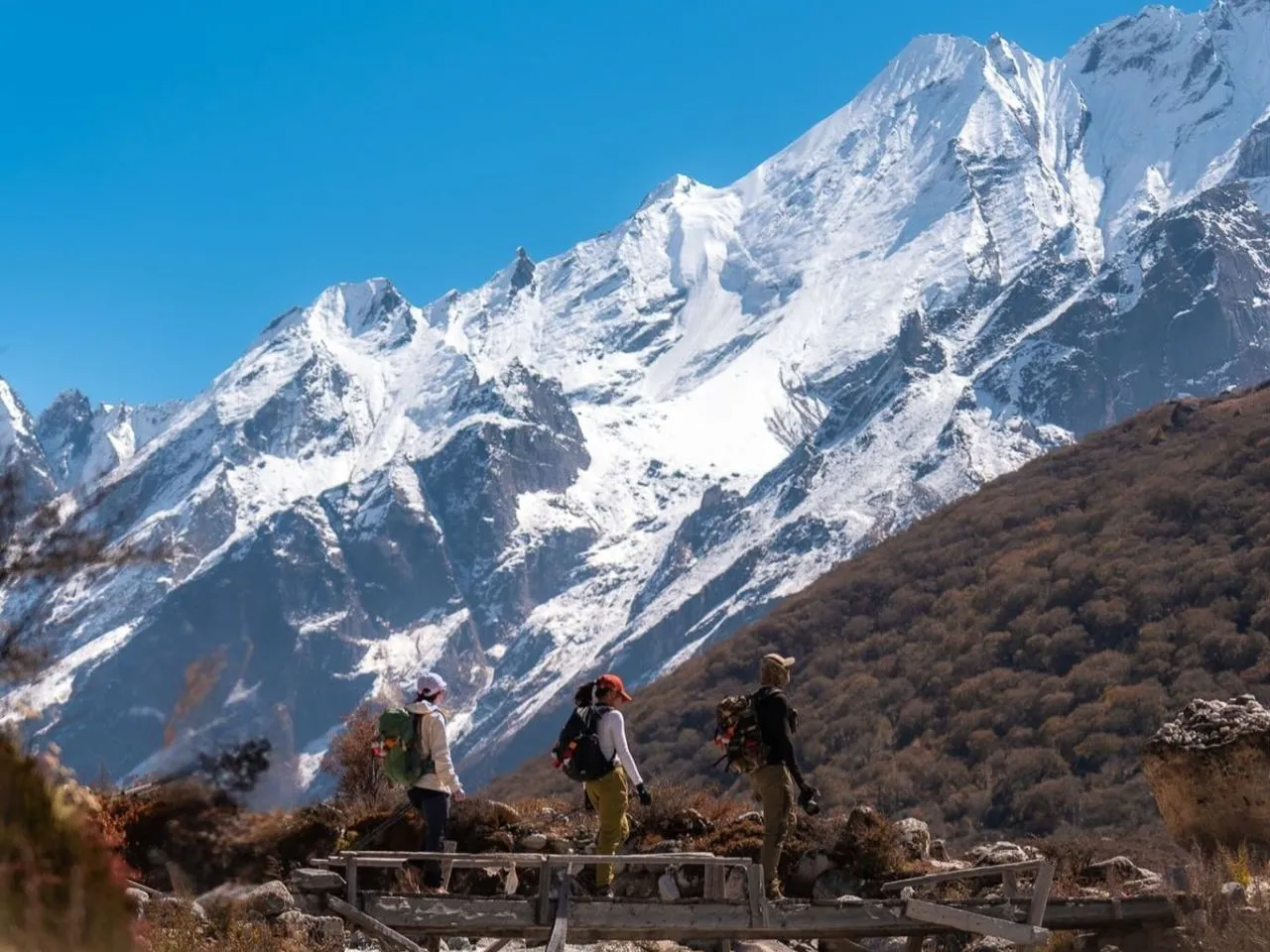
Langtang Luxury Trek – 10 Days
Langtang Luxury Trek – 10 Days
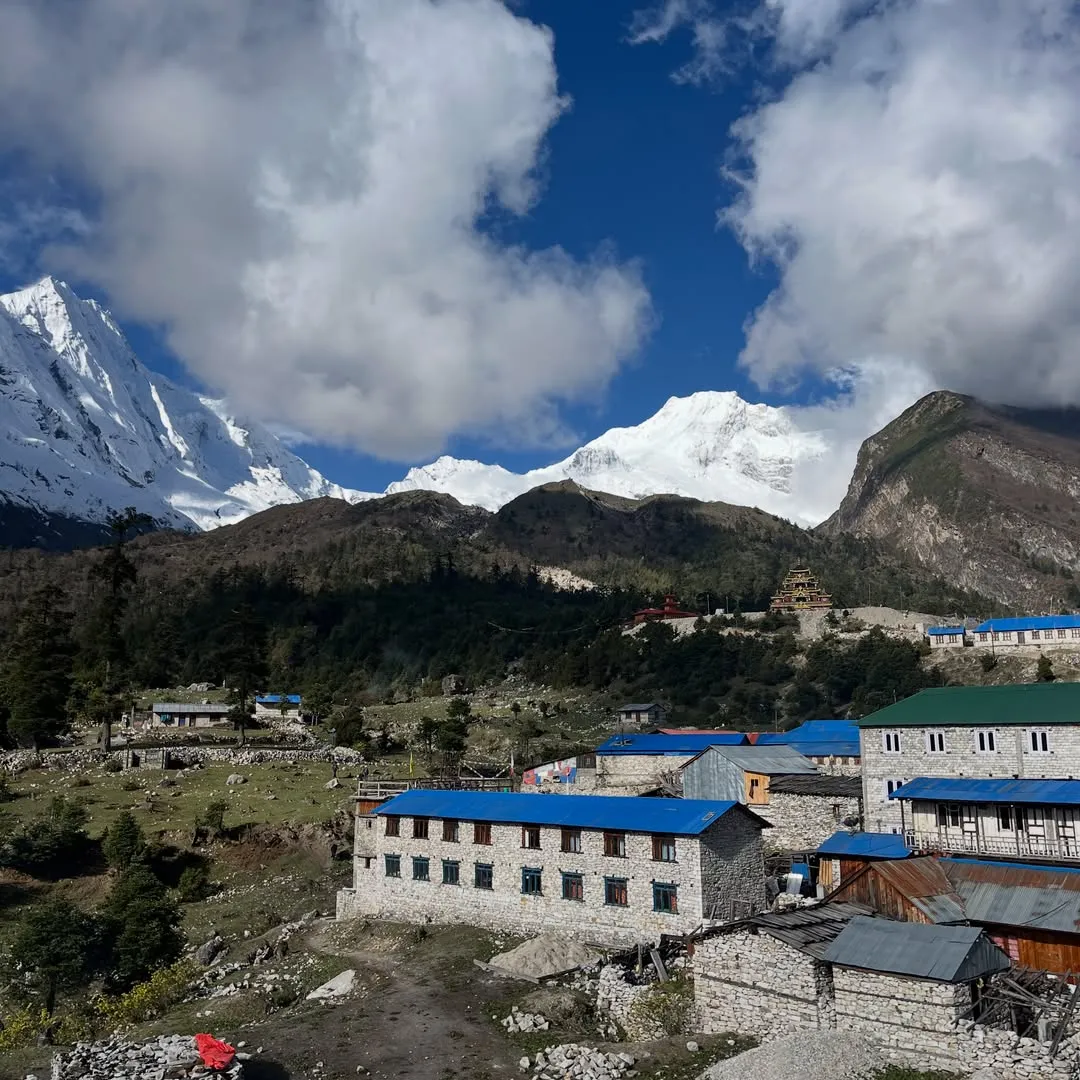
Manaslu Family Trek – 12 Days
Manaslu Family Trek – 12 Days
Manaslu Luxury Trek – 14 Days
Manaslu Luxury Trek – 14 Days

Manaslu Photography Trek – 17 Days
Manaslu Photography Trek – 17 Days
 English
 Deutsch
 Svenska
 Dansk
Dansk Русский
 Français
 Português
 Español
 Polski
 简体中文
简体中文 日本語
日本語 ไทย
ไทย العربية
 한국어
한국어