
Quick Answer
The Bhairab Kunda Trek is best in October and November for clear dry weather, and in March and April for rhododendron bloom and moderate temperatures. Winter from December to February brings snow and teahouse closures above 3,500 metres, and the June to September monsoon blocks mountain views and turns the trail to mud. Plan around the four clear-view months for safety and scenery.
Detailed Breakdown
The Bhairab Kunda Trek runs 8 to 11 days from Kathmandu, climbing from Jalbire at 1,000 metres through the Langtang National Park buffer zone to the sacred lake at 4,240 metres. The route mixes subtropical forest, terraced farmland, and high pastures.
The clear-view season runs from late September to early December and from March to early May. October and November have the most stable weather, with daytime temperatures of 10 to 18 degrees and night temperatures of minus 5 to 0 degrees at the lake. March and April are warmer but with more afternoon cloud, and rhododendron bloom peaks in late March.
Winter from December to February drops night temperatures at the lake to minus 15 to minus 20 degrees. Snow falls regularly above 3,500 metres from late December, and the trail becomes impassable. Teahouses above 3,500 metres close from late December to early March.
The monsoon from June to September brings 80 percent of the annual rainfall. Leeches infest the lower forest, landslides block the lower trail, and mountain views are obscured by cloud for 5 to 7 days out of every 10. The lake remains accessible but the experience is poor.
Cost/Component Breakdown
| Season | Day temp at lake | Night temp at lake | Views | Teahouse status | Package cost 2027 |
|---|---|---|---|---|---|
| October to November | 10 to 15 C | minus 5 to 0 C | Excellent | All open | $700 to $1,000 |
| March to April | 8 to 14 C | minus 8 to minus 2 C | Good with afternoon cloud | All open | $700 to $950 |
| December to February | 0 to 6 C | minus 15 to minus 20 C | Excellent but cold | Open below 3,500 m | $600 to $850 |
| May | 12 to 18 C | 0 to 4 C | Variable | All open | $650 to $900 |
| June to September | 14 to 20 C | 4 to 8 C | Poor, cloud cover | Limited, some closed | $550 to $800 |
What Affects the Answer
Tolerance for cold is the first factor. Trekkers with gear rated to minus 15 degrees can attempt December or January, but should expect teahouse closures and may need camping above 3,500 metres.
Photography priorities matter. The clearest mountain views are in October and November, when the post-monsoon atmosphere is cleanest.
Crowd tolerance affects the choice. October sees 30 to 50 trekkers per day at the lake in peak weeks. November is quieter. March and April see 15 to 25.
Festival calendars matter. The August Janai Purnima festival draws Hindu and Buddhist pilgrims, but monsoon weather makes the trail difficult.
Booking Tips
Book the October or November window four to six weeks ahead. The teahouse network is small. March and April bookings can be made two to three weeks ahead.
Use a Kathmandu based agency to arrange the Langtang National Park Entry Permit and TIMS Card. The permits are issued at the Tourism Board office and take two to four hours.
Pack a four-season sleeping bag rated to minus 10 degrees for any season above October. Night temperatures drop below freezing even in May.
Comparison With Alternatives
Compared with Gosainkunda, the Bhairab Kunda Trek has similar altitude and a similar sacred lake theme, but fewer crowds. Gosainkunda sees 100 to 200 trekkers per day in peak season. Compared with Helambu, Bhairab Kunda is higher and colder but with a more dramatic lake endpoint.
Common Mistakes to Avoid
Booking the monsoon months of June through September expecting clear views. The mountain views are obscured by cloud 50 to 70 percent of days, and the trail becomes muddy and leech-infested.
Underestimating winter cold at the lake. Night temperatures of minus 15 to minus 20 degrees require expedition-grade sleeping bags and full down suits, which most trekkers do not own.
Skipping the acclimatization day at Ek Chhap or Chochyong Danda. The 4,240 metre lake altitude is high enough for altitude sickness, and a rest day at 3,500 metres reduces the risk significantly.
FAQ
What is the best month for the Bhairab Kunda Trek?
October and November for the clearest mountain views and the most stable weather. March and April are second best, with the rhododendron bloom adding color but slightly more afternoon cloud.
Can I do the Bhairab Kunda Trek in winter?
Possible in early December or late February, but not recommended from late December to mid February. Snow closes the trail above 3,500 metres, teahouses shut, and night temperatures drop to minus 20 degrees at the lake.
How bad is the monsoon on the Bhairab Kunda trail?
Significant. Eighty percent of annual rain falls from June to September. Leeches, landslides, and cloud cover make the trek unpleasant and unsafe. Avoid these months.
How cold does it get at Bhairab Kunda at night?
Minus 5 to 0 degrees in October and November, minus 8 to minus 2 degrees in March and April, and minus 15 to minus 20 degrees in December and January. Bring a minus 10 Celsius rated sleeping bag for any season.
Summary
Plan the Bhairab Kunda Trek for October, November, March, or April for clear views, open teahouses, and safe trail conditions. Avoid winter for cold and snow, and avoid the monsoon for rain, leeches, and cloud cover. Pack a four-season sleeping bag regardless of season.
Conclusion
The Bhairab Kunda Trek in 2027 rewards trekkers who pick the four clear-view months. October and November deliver the best mountain scenery. March and April add the rhododendron bloom. Winter is too cold above 3,500 metres, and the monsoon blocks the views that are the entire point of the trek. Choose well and the sacred lake at 4,240 metres is one of the more rewarding short Nepal treks.
Recommended Trek Packages
Trekking Places to Explore
Explore Trips in Nepal
Hand-picked guided trips to this destination
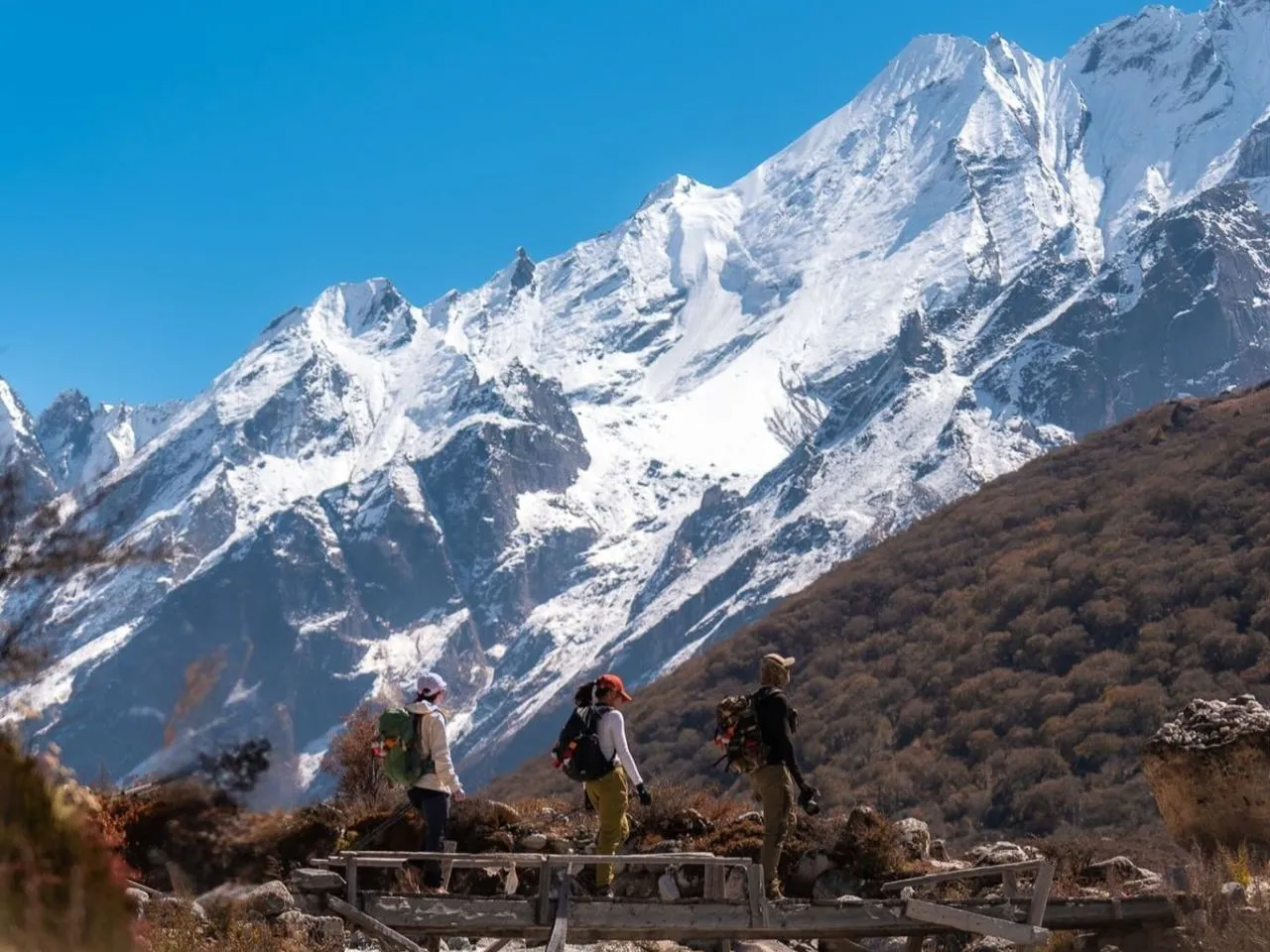
Langtang Luxury Trek – 10 Days
Langtang Luxury Trek – 10 Days
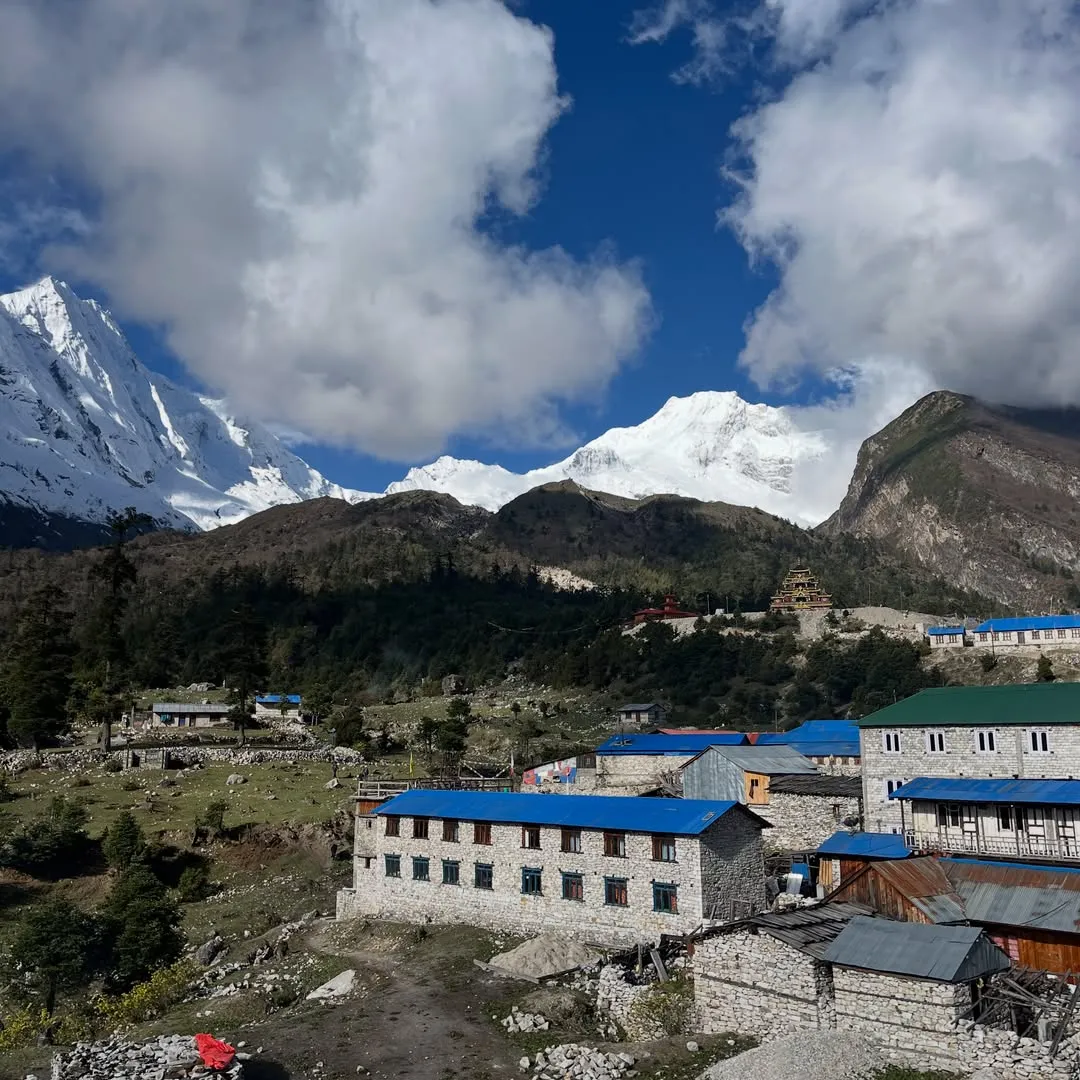
Manaslu Family Trek – 12 Days
Manaslu Family Trek – 12 Days
Manaslu Luxury Trek – 14 Days
Manaslu Luxury Trek – 14 Days

Manaslu Photography Trek – 17 Days
Manaslu Photography Trek – 17 Days
 English
 Deutsch
 Svenska
 Dansk
Dansk Русский
 Français
 Português
 Español
 Polski
 简体中文
简体中文 日本語
日本語 ไทย
ไทย العربية
 한국어
한국어