
Trek Overview
Few routes in Nepal pack as much variety into two weeks as the Langtang Gosaikunda trek, which stitches together a Tibetan-style valley, a high sacred lake, and the Helambu Sherpa homeland south of the pass. You start at Syabrubesi, walk up the Langtang river to Kyanjin Gompa, then swing south over the Laurebina La at 4,610 metres to the Gosaikunda lakes before descending to Sundarijal on the edge of the Kathmandu Valley. The total distance of about 110 kilometres sounds modest, but the elevation profile is steep and the pass crossing demands respect.
Why Visit
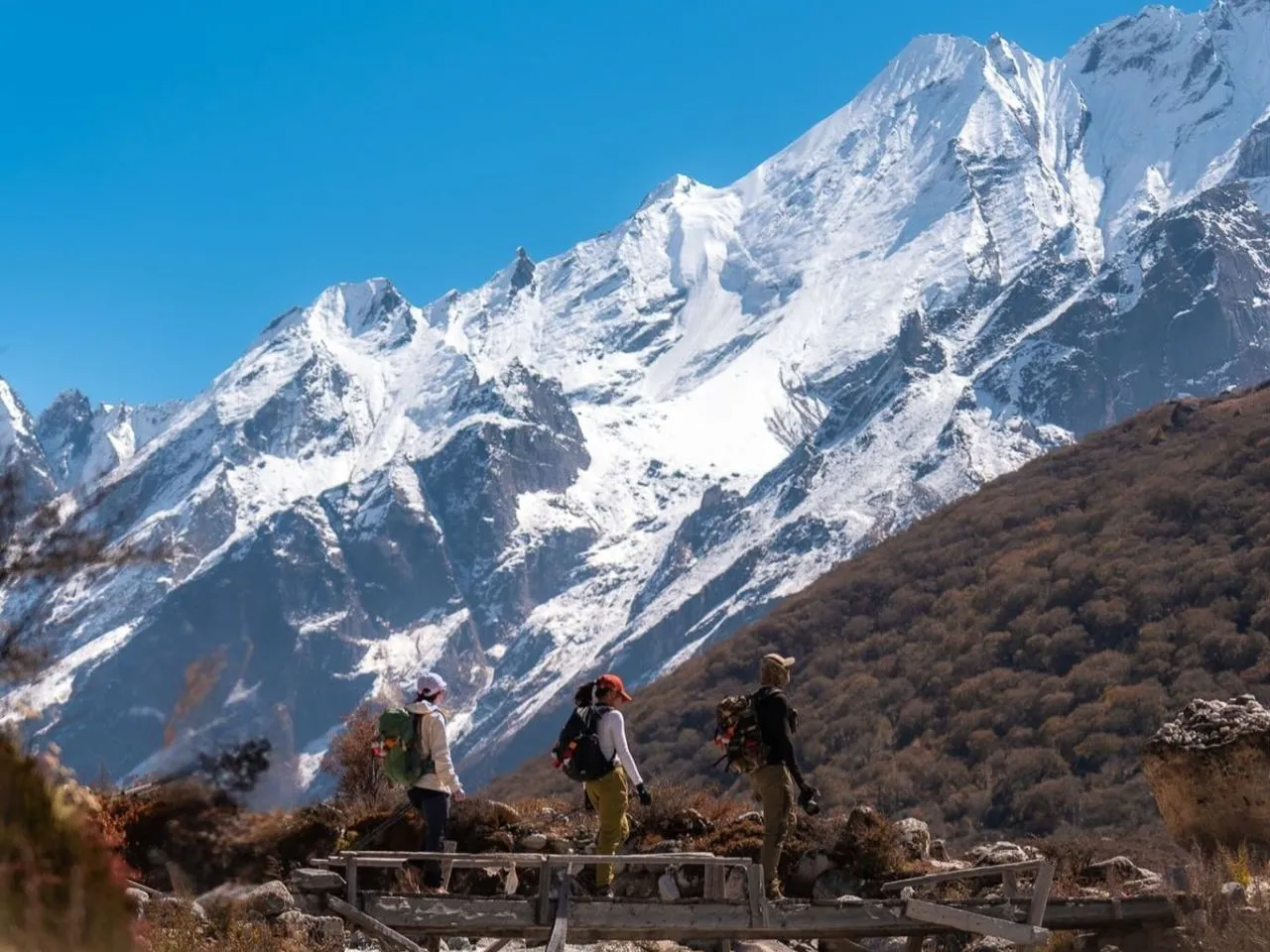
This is the only Langtang-region itinerary that gives you all three faces of the park in a single trip. You get close-up views of Langtang Lirung (7,227 m), you walk through Tamang and Tibetan villages that still feel culturally distinct from the Sherpa Khumbu, and you finish at a sacred Hindu-Buddhist pilgrimage site that comes alive during the August full moon. The route is also far less crowded than Annapurna or Everest, and you can reach the trailhead from Kathmandu in a single day of driving.
Best Time to Trek
Spring (March to May) and autumn (September to November) are the dependable windows, with stable weather, clear views, and comfortable daytime temperatures. Spring brings rhododendron bloom below 3,500 metres. Winter crossings of Laurebina La are risky because snow can block the trail for days. Monsoon (June to August) coincides with the Janai Purnima pilgrimage, when thousands of pilgrims climb to Gosaikunda, but the lower sections turn muddy and leech-infested. Plan for 2027 and 2028 spring departures well in advance because permit fees and lodging rates are projected to rise.
Difficulty Level
We rate this trek Challenging, mostly because of the Laurebina La crossing and the long descending days in Helambu. There is no technical climbing, but you need strong legs, a good cardio base, and the discipline to acclimatise before crossing the pass. Previous high-altitude experience above 4,000 metres is useful. Plan to walk four to six hours per day with a light daypack.
Duration
Most groups complete the Langtang Gosaikunda trek in 12 to 16 days, plus two to three days of road travel from and back to Kathmandu. Slower acclimatisation adds days. A 14-day itinerary hits the sweet spot for most fit trekkers.
Route Details
The route has three distinct blocks. Days 1 to 5 follow the Langtang river from Syabrubesi through Bamboo, Lama Hotel, and Langtang village to Kyanjin Gompa at 3,830 metres, with an acclimatisation day to climb Kyanjin Ri. Days 6 to 8 retrace back to Bamboo, then climb the rim of the Langtang valley through Thulo Syabru and Sing Gompa (also called Chandanbari) toward the Laurebina La. Days 9 to 12 cross the pass at 4,610 metres, descend past Gosaikunda and the smaller Saraswati and Bhairab kund, then drop into Helambu via Ghopte, Tharepati, Kutumsang, and Chisapani before the final descent to Sundarijal.
Itinerary Overview
- Day 1: Drive Kathmandu to Syabrubesi (1,550 m)
- Day 2: Trek to Lama Hotel (2,480 m)
- Day 3: Trek to Langtang village (3,430 m)
- Day 4: Trek to Kyanjin Gompa (3,830 m)
- Day 5: Acclimatisation, climb Kyanjin Ri (4,600 m)
- Day 6: Trek back to Bamboo (1,960 m)
- Day 7: Trek to Thulo Syabru (2,210 m)
- Day 8: Trek to Sing Gompa (3,330 m)
- Day 9: Trek to Laurebina (3,910 m)
- Day 10: Cross Laurebina La (4,610 m) to Gosaikunda (4,380 m)
- Day 11: Trek to Ghopte (3,430 m)
- Day 12: Trek to Kutumsang (2,470 m)
- Day 13: Trek to Chisapani (2,140 m)
- Day 14: Trek to Sundarijal, drive to Kathmandu
최대 고도
The high point is the Laurebina La at 4,610 metres (15,124 feet), though many trekkers consider the Gosaikunda lake at 4,380 metres the psychological peak. Spend two nights at Kyanjin Gompa before the pass and break the climb into stages so your body can adapt.
Weather
Daytime temperatures in spring and autumn range from 10 to 18 degrees Celsius in the valley and drop to minus 5 at the pass. Nights at Gosaikunda regularly fall below freezing. Mornings are usually clear, with clouds building by afternoon in autumn. Carry a four-season sleeping bag even in peak season.
Accommodation
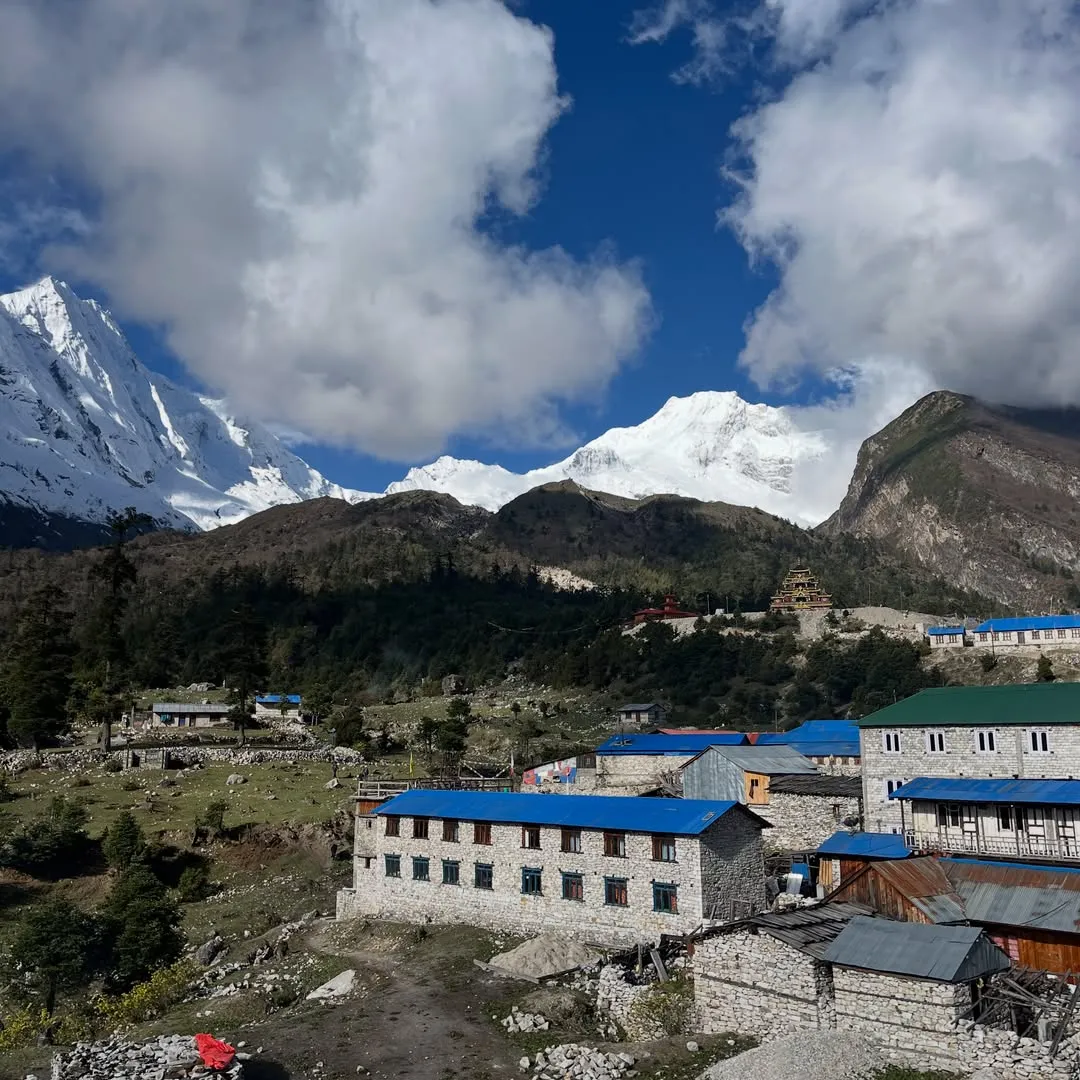
You sleep in tea-house lodges the entire way. Standards range from solid stone buildings in Kyanjin and Gosaikunda to basic wooden rooms in Helambu. Most lodges have shared squat or western toilets and a common dining room heated by a yak-dung or wood stove in the evening.
Tea Houses
Tea houses along this route are family-run and have improved steadily since the 2015 earthquake. Expect a foam mattress, a blanket (bring your own sleeping bag), and a dinner menu of dal bhat, momos, fried rice, and pasta. Hot showers are usually a bucket of solar-heated water for a small fee.
캠핑
This trek uses tea-house lodging; camping is not typically required. If you want to camp at Gosaikunda during the August pilgrimage, ask your operator to arrange it because lodge beds sell out weeks ahead.
Food
The menu is similar to other Nepali trekking regions: dal bhat (rice and lentil soup with seasonal vegetables), Tibetan momos, chow mein, and porridge. Kyanjin Gompa has a cheese factory that produces yak cheese you can buy by the block. Carry snacks from Kathmandu because options thin out past Sing Gompa.
Drinking Water
Buy boiled water from lodges for about $1 per litre, or treat tap and stream water with a SteriPen, iodine, or a filter. Avoid single-use plastic bottles; the Langtang Valley has a plastics reduction campaign.
전기
Most lodges have hydro or solar power and charge $2 to $4 per device per charge. Bring a 10,000 mAh power bank so you are not dependent on lodge outlets, which can be switched off by 8 p.m.
Internet & Mobile Network
Ncell and Nepal Telecom signals reach Kyanjin Gompa and most of Helambu but disappear in the deep valleys. Some lodges sell Wi-Fi vouchers for $2 to $5 per day. Do not rely on a connection for safety.
수송
Local buses and shared jeeps run from Kathmandu to Syabrubesi in seven to nine hours for $15 to $25. Private jeeps cost $150 to $200. The finish at Sundarijal is a one-hour local bus or taxi back into central Kathmandu.
Required Permits
You need the Langtang National Park Entry Permit (about $30), the TIMS Card ($20), and the Shivapuri Nagarjun National Park Permit (about $15) for the final descent through the Kathmandu Valley rim. Buy them at the Nepal Tourism Board office in Kathmandu or through your trekking agency.
포장 목록
- Four-season sleeping bag (rated to minus 10 C)
- Insulated jacket and shell jacket with hood
- Thermal base layers, two pairs
- Broken-in waterproof hiking boots and camp shoes
- Trekking poles for the pass descent
- Headlamp with spare batteries
- First-aid kit with Diamox
- Water filter or SteriPen
- Sun hat, beanie, and UV sunglasses
Budget Guide
| 항목 | Cost (USD) |
|---|---|
| Langtang NP permit | $30 |
| Shivapuri NP permit | $15 |
| 팀 카드 | $20 |
| Transport Kathmandu to Syabrubesi | $15 to $200 |
| Guide per day | $25 to $40 |
| Porter per day | $15 to $25 |
| Lodging and meals per day | $25 to $40 |
| Total 14-day package | $1,200 to $2,000 |
Photography Tips
Shoot the prayer flags at Laurebina La in early morning before clouds build. The reflection of snow peaks in Gosaikunda lake is best at dawn. In Kyanjin, the cheese factory interior and the yak herds above the village make strong documentary frames.
Wildlife
Langtang is a red panda stronghold, though sightings are rare. You are more likely to see Himalayan tahr, langur monkeys, and musk deer. Birdlife includes blood pheasants, impeyan pheasants, and lammergeiers circling above the pass.
Flora
Lower elevations are oak, maple, and bamboo forest that hosts the red pandas. Between 2,800 and 3,600 metres you walk through dense rhododendron that blooms pink and red in April. Above the tree line, the landscape switches to alpine scrub, juniper, and cushion plants.
Local Culture
The Langtang Valley is culturally Tibetan. Most villagers trace their roots to Tibetan settlers who arrived centuries ago, and you will see prayer wheels, mani walls, and chortens throughout. Helambu, south of the pass, is the homeland of the Hyolmo people, a Sherpa sub-group with their own dialect and monastic tradition.
Local Villages
Worth lingering in are Langtang village, rebuilt after the 2015 earthquake; Kyanjin Gompa, with its monastery and cheese factory; Sing Gompa, a quiet yak-herding settlement; and Tarkeghyang in Helambu, with one of the oldest monasteries in the region.
Safety Tips
- Do not cross Laurebina La in fresh snow or whiteout conditions.
- Treat every headache above 3,500 m as a possible altitude symptom.
- Carry a basic first-aid kit with Diamox and rehydration salts.
- Register your TIMS permit so rescue teams can locate you.
- Keep a paper map; phone batteries die in the cold.
- Drink four to five litres of water per day above 3,000 m.
Altitude Sickness Guide
Acute Mountain Sickness begins with a throbbing headache, loss of appetite, and poor sleep. If symptoms worsen to vomiting, loss of coordination, or breathlessness at rest, you must descend immediately. Acclimatise at Kyanjin Gompa for two nights before the pass, and consider a preventive course of Diamox (125 mg twice daily) from 3,000 metres upward.
Emergency Contacts
Himalayan Rescue Association clinic: +977 1 4440292. Simrik Air rescue: +977 1 4112222. Your trekking insurance must cover helicopter evacuation above 5,000 metres. Register your trip with your embassy in Kathmandu.
Responsible Tourism
Stay in family-run lodges so money stays in the valley. Refuse single-use plastic bottles, carry a refillable filter bottle, and pack out all batteries. Pay porters fairly, ensure they have proper gear, and tip about 10 percent of the trek cost at the end.
자주 묻는 질문
We answer the most common questions trekkers send us about the Langtang Gosaikunda route below.
요약
- 12 to 16-day traverse from Syabrubesi to Sundarijal.
- Crosses Laurebina La at 4,610 metres.
- Combines Langtang Valley, Gosaikunda lakes, and Helambu.
- Best in spring (April to May) and autumn (October to November).
- Budget $1,200 to $2,000 for a guided 14-day package.
- Requires Langtang NP, Shivapuri NP, and TIMS permits.
결론
The Langtang Gosaikunda trek is the most complete single-region route in central Nepal, and we recommend it for trekkers who want Tibetan culture, high passes, and a sacred lake without the crowds of the Khumbu. If you have two weeks and a good fitness base, this is one of the best value treks you can book for the 2027 and 2028 seasons. Pair it with the Langtang Valley trek or the Ganja La Pass trek if you want to extend the adventure.
추천 트레킹 패키지
탐험할 트레킹 장소
Explore Trips in Nepal
Hand-picked guided trips to this destination

 English
 Deutsch
 Svenska
 Dansk
Dansk Русский
 Français
 Português
 Español
 Polski
 简体中文
简体中文 日本語
日本語 ไทย
ไทย العربية
 한국어
한국어