
Quick Answer
Sikles trek and Poon Hill both start from Pokhara in 2027 to 2030 but differ on crowds, altitude, and culture. Sikles reaches 2,000 m with no sunrise crowds and Gurung village culture at Kapur Gaon. Poon Hill reaches 3,210 m with sunrise crowds of 200 plus trekkers and the classic Annapurna and Dhaulagiri panorama. Sikles costs $400 to $700 per person for 4 to 6 days, while Poon Hill costs $350 to $600 for 3 to 5 days including guide, lodging, meals, and permits.
Detailed Breakdown
Sikles sits on the eastern side of the Annapurna region and stays below 2,000 m, making it the lowest altitude short trek from Pokhara. The route runs from Kalikasthan through Kapur Gaon to Sikles village, with Gurung culture, terraced fields, and Machhapuchhre views. The trail sees fewer than 30 trekkers per day in peak season.
Poon Hill on the western side reaches 3,210 m at the sunrise viewpoint and sees 200 plus trekkers each morning in October and November. The route runs from Nayapul through Ghorepani to the Poon Hill summit, with rhododendron forest in spring and the classic Annapurna Dhaulagiri panorama. The teahouse network is well developed but crowded.
Cost/Component Breakdown
The table below shows typical costs for a 5 day Sikles trek versus a 4 day Poon Hill trek for two trekkers in 2027.
| Component | Sikles (USD) | Poon Hill (USD) |
|---|---|---|
| ACAP Permit | $30 | $30 |
| TIMS Card | $17 | $17 |
| Pokhara to trailhead jeep round trip | $80 to $120 | $40 to $60 |
| NMA licensed guide (days) | $150 to $200 (5) | $120 to $160 (4) |
| Porter (days, 1 per 2 trekkers) | $100 to $150 (5) | $80 to $120 (4) |
| Teahouse lodging (nights) | $50 to $75 (4) | $40 to $60 (3) |
| Meals on trek (days) | $100 to $150 (5) | $80 to $120 (4) |
| Crew insurance with $5,000 evacuation | $15 to $25 | $12 to $20 |
| Total per person (group of 2) | $400 to $700 | $350 to $600 |
What Affects the Answer
Three factors shape the choice. First, altitude tolerance: trekkers concerned about AMS should choose Sikles at 2,000 m, since Poon Hill at 3,210 m raises mild altitude symptoms in 20 percent of first time trekkers.
Second, crowd tolerance: Poon Hill sees 200 plus trekkers at sunrise in October and November, while Sikles sees fewer than 30. Trekkers seeking solitude should choose Sikles.
Third, scenery priority: Poon Hill offers the classic Annapurna Dhaulagiri panorama at sunrise, while Sikles offers Machhapuchhre close up from a lower angle. Trekkers who want the famous sunrise photo should choose Poon Hill.
Booking Tips
Book with an operator that names the NMA guide on the contract and confirms teahouse bookings at Ghorepani or Sikles 4 weeks ahead for October and November. Ask for a written day-by-day itinerary with altitude for each night.
Confirm that the operator includes $5,000 evacuation cover for guide and porter, and that the Pokhara to trailhead jeep is private rather than shared. Carry 8,000 to 12,000 Nepali rupees cash for teahouse extras and tips, since ATMs end at Pokhara.
Comparison With Alternatives
The Mardi Himal Trek costs $500 to $800 for 4 to 7 days and reaches 4,500 m with Machhapuchhre close up. The Mohare Danda Trek costs $450 to $700 for 4 to 7 days and reaches 3,300 m with community lodge stay. The Khopra Ridge Trek costs $600 to $900 for 5 to 8 days and reaches 3,640 m with Khopra ridge panorama.
Choose Sikles for low altitude Gurung culture with no crowds. Choose Poon Hill for the classic 3,210 m sunrise panorama. Choose Mardi Himal for a 4,500 m ridge walk. Choose Mohare Danda for community lodge trekking. Choose Khopra Ridge for the high altitude ridge panorama.
Common Mistakes to Avoid
Do not book a 2 day Poon Hill trek, since the rushed ascent from Nayapul at 1,070 m to Ghorepani at 2,860 m in one day raises AMS risk by 50 percent. Avoid operators that skip the Ghorepani acclimatization night.
Do not book Sikles without confirming the Kalikasthan to Kapur Gaon trail condition, since the route washes out in monsoon. Avoid operators that quote under $400 per person for a 5 day Sikles trek, since they typically skip the guide license and crew insurance.
FAQ
Which trek is better for first time trekkers?Sikles at 2,000 m is safer for first time trekkers concerned about altitude. Poon Hill at 3,210 m is fine for trekkers with prior 3,000 m experience.
Which has the better sunrise view?Poon Hill, with the classic Annapurna and Dhaulagiri panorama at 3,210 m. Sikles offers Machhapuchhre close up from a lower angle but not the full panorama.
Which is less crowded?Sikles, with fewer than 30 trekkers per day. Poon Hill sees 200 plus at sunrise in October and November.
Do I need a guide for either trek?Required by Nepal regulation since 2023. A NMA licensed guide costs $30 to $40 per day and handles permits and teahouse bookings.
When is the best season?October to November for clear weather, March to April for rhododendron bloom, and December to February for cold clear days with fewer crowds.
Summary
Sikles trek and Poon Hill both start from Pokhara in 2027 to 2030 but differ on crowds, altitude, and culture. Sikles reaches 2,000 m with no crowds and Gurung village culture. Poon Hill reaches 3,210 m with sunrise crowds and the classic Annapurna Dhaulagiri panorama. Sikles costs $400 to $700 for 4 to 6 days, Poon Hill $350 to $600 for 3 to 5 days.
Conclusion
Choose Sikles for low altitude Gurung culture with no crowds, or Poon Hill for the classic 3,210 m sunrise panorama. Book with an operator that names the NMA guide, confirms teahouse bookings 4 weeks ahead, and carries $5,000 evacuation cover. Carry cash for teahouse extras, and choose October or November for the clearest views. The right trek matches your altitude tolerance and crowd preference.
Recommended Trek Packages
Trekking Places to Explore
Explore Trips in Nepal
Hand-picked guided trips to this destination
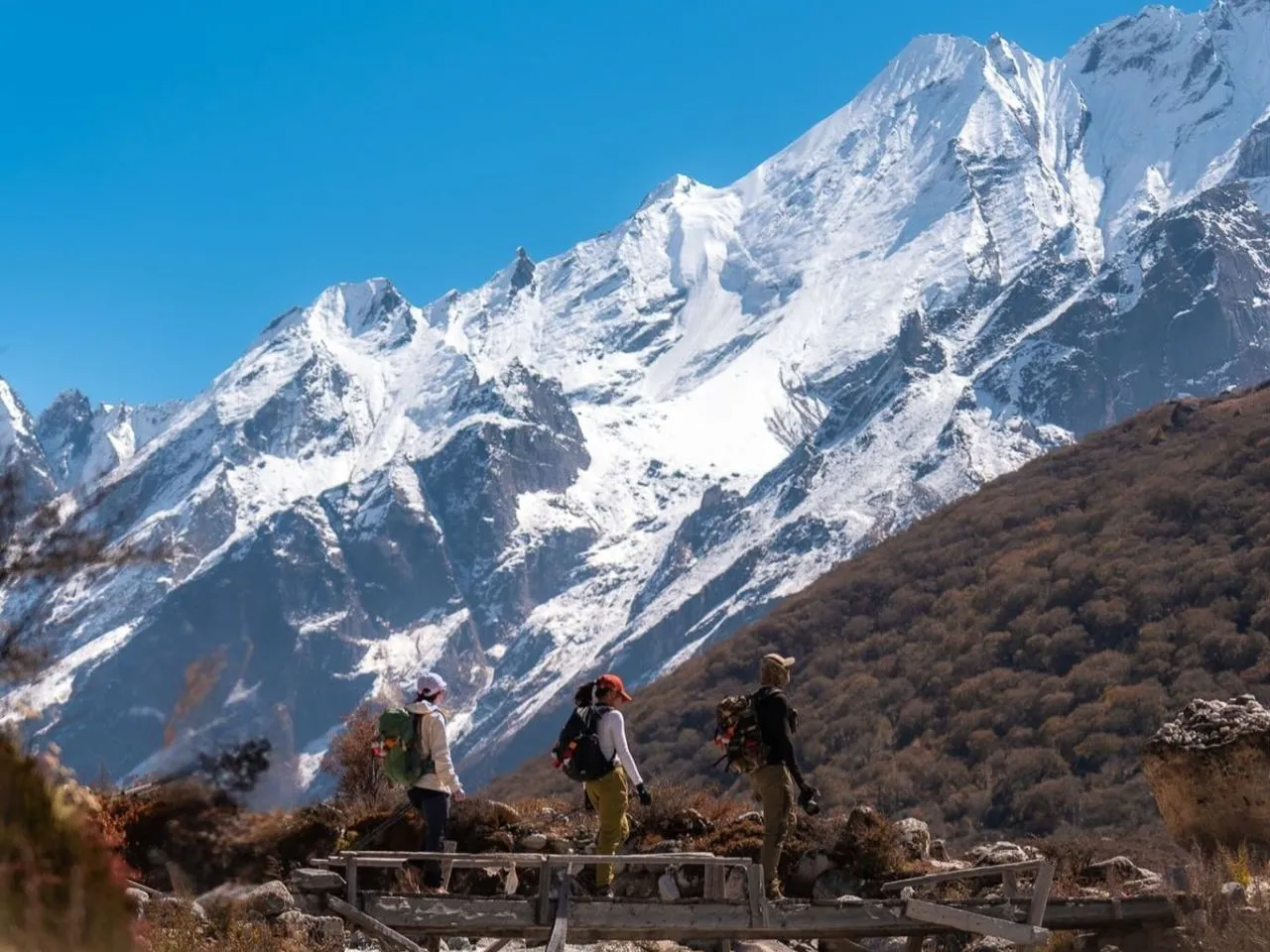
Langtang Luxury Trek – 10 Days
Langtang Luxury Trek – 10 Days
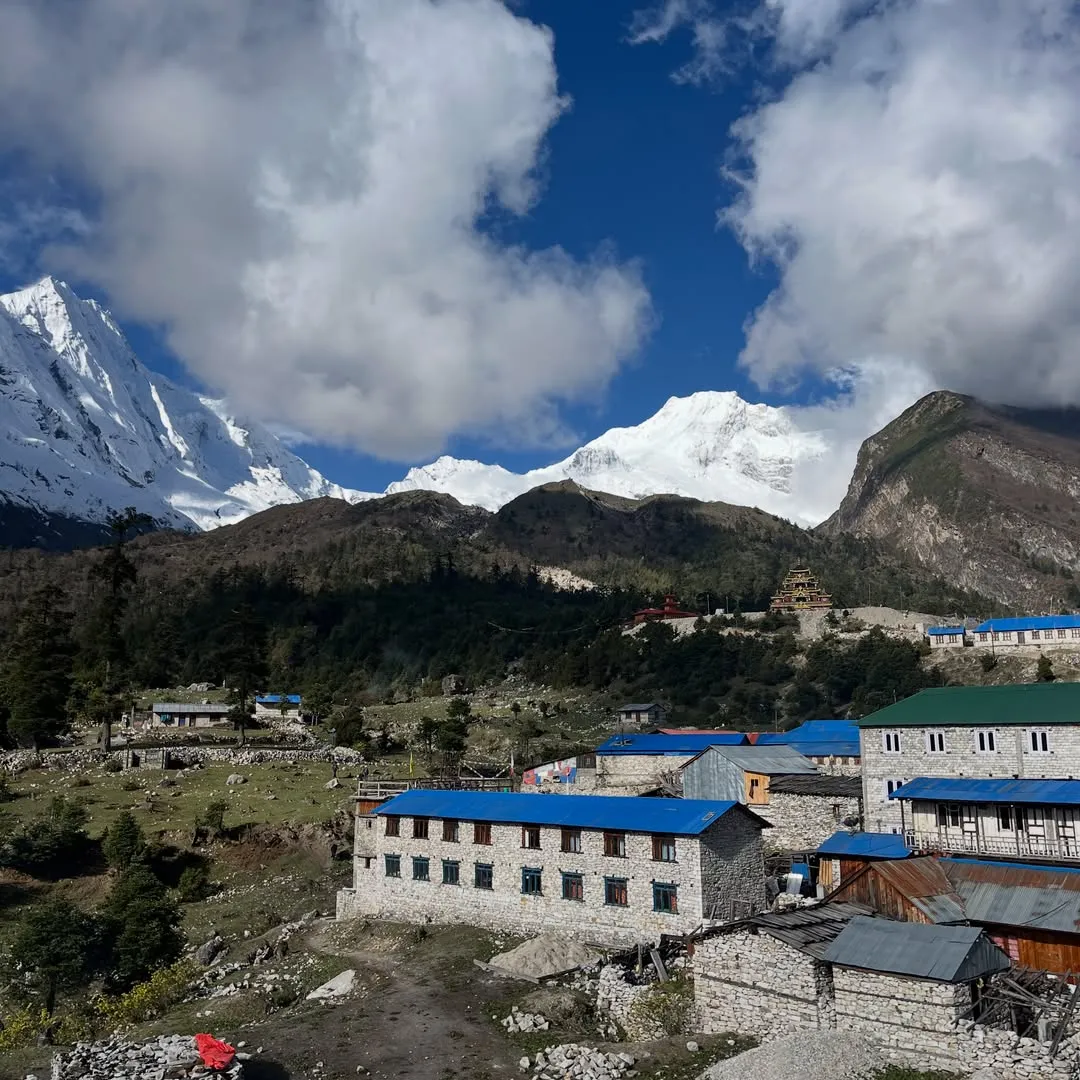
Manaslu Family Trek – 12 Days
Manaslu Family Trek – 12 Days
Manaslu Luxury Trek – 14 Days
Manaslu Luxury Trek – 14 Days

Manaslu Photography Trek – 17 Days
Manaslu Photography Trek – 17 Days
 English
 Deutsch
 Svenska
 Dansk
Dansk Русский
 Français
 Português
 Español
 Polski
 简体中文
简体中文 日本語
日本語 ไทย
ไทย العربية
 한국어
한국어