
Quick Answer
You need travel insurance that explicitly covers trekking to your maximum altitude and includes helicopter rescue, because Nepal helicopter evacuations cost $2,500 to $6,000 and your regular travel policy almost certainly excludes it. For Everest Base Camp in 2027, buy a policy with a 6,000m altitude limit, at least $50,000 medical evacuation cover, and direct-pay agreements with Himalayan Rescue Association clinics. Expect to pay $150 to $350 for a two-week policy.
Standard holiday insurance does not cover trekking above 3,000m or helicopter rescue from remote mountain areas. The single most common insurance claim we see denied is for altitude sickness evacuation on a policy that excludes mountaineering, even though trekking is not mountaineering.
Detailed Breakdown
Nepal trekking insurance has three core components that must all be present, or the policy will not pay out when you need it. First is altitude coverage, which must match or exceed your trekking maximum. Second is helicopter rescue coverage, which pays the $2,500 to $6,000 bill for an emergency flight from Base Camp or a high pass. Third is medical and hospital cover, which pays for treatment at Kathmandu clinics or evacuation to Bangkok or Singapore for serious cases.
Most general travel policies from your home country cap altitude at 2,500m or 3,000m, which means any trek in Nepal is automatically excluded. You need an adventure-travel or trekking-specific policy from companies like World Nomads, IMG, Allianz Adventure, or dedicated Nepal trekking insurers. Read the altitude clause line by line, because some policies cover 5,000m but not 5,500m, which leaves you exposed on a Three Passes or EBC plus Kala Patthar itinerary.
Cost / Component Breakdown
Here is a realistic 2027 cost table for trekking insurance covering a 14-day Everest Base Camp trek for a 35-year-old trekker from the United States.
| Coverage Component | Minimum Cover | Recommended Cover | Notes |
|---|---|---|---|
| Altitude limit | 5,500m | 6,000m | Must exceed your trek maximum |
| Helicopter rescue | $10,000 | $50,000 | Two flights may be needed |
| Medical and hospital | $50,000 | $100,000 | Includes Kathmandu clinics |
| Repatriation home | $50,000 | $250,000 | Medical flight to home country |
| Trip cancellation | $1,500 | $3,000 | Covers Lukla flight cancellations |
| Baggage delay or loss | $500 | $1,500 | For lost trekking gear |
| Policy premium (14 days) | $150 to $200 | $250 to $350 | Age-dependent |
Premiums rise sharply for trekkers over 60, with most insurers adding 50 to 100 percent surcharges. Cover for Three Passes, Mera Peak, or climbing expeditions above 6,000m requires a specialist mountaineering policy at $400 to $800.
What Affects the Answer
Your specific trek dictates what coverage you need, and getting it wrong is expensive. The maximum altitude is the first factor, because policies are tiered at 3,000m, 5,000m, 6,000m, and 8,000m. The trekking region matters too, with helicopter access being easier in Khumbu than in remote Dolpo or Kanchenjunga. Your age and pre-existing conditions also affect premiums and exclusions, with heart and lung conditions often excluded entirely.
- Maximum altitude: EBC needs 5,500m; Three Passes and Mera Peak need 6,500m.
- Region: Khumbu and Annapurna have fast rescue; Dolpo and Kanchenjunga take longer.
- Age: Trekkers over 60 pay 50 to 100 percent more; over 70 may need specialist brokers.
- Pre-existing conditions: Declare heart, lung, or blood pressure issues upfront.
- Trip length: Long treks like Three Passes or Manaslu Circuit push premium up.
Booking Tips / Practical Advice
Buy your insurance the day you book your international flights, because trip cancellation cover only applies from the policy purchase date. Carry a printed copy of the policy in Nepali or English, with the 24-hour emergency number and policy number visible, because helicopter pilots will not fly without confirmation of payment. Register your trip with your embassy in Kathmandu, and join the global registration of citizens service if your country offers it.
Save the Himalayan Rescue Association clinic numbers in Kathmandu and Pokhara into your phone, because they coordinate most evacuations and will liaise with your insurer directly. Keep $500 in cash for upfront helicopter landing fees, which some insurers reimburse after the fact. If you have an Apple Watch or Garmin with SOS, understand that satellite SOS does not pay the rescue bill, your insurance does.
Comparison With Alternatives
Annual multi-trip policies from your home insurer rarely cover trekking above 3,000m, so they are not a substitute for dedicated trekking insurance. Credit-card travel insurance occasionally covers trekking to 4,500m but excludes helicopter rescue, making it useless for EBC and similar routes. Specialist Nepal trekking insurance from companies like SAC, Global Rescue, or World Nomads is more expensive but pays out reliably, which is what matters when you are gasping for air at 5,000m.
Common Mistakes to Avoid
Do not assume your general travel policy covers trekking, because most cap altitude at 2,500m or 3,000m and exclude helicopter rescue. Avoid buying the cheapest policy online without reading the altitude clause, because $80 policies often exclude anything above 3,000m. Never trek without insurance, because a helicopter rescue from EBC will cost you $4,000 to $6,000 out of pocket. Finally, do not forget to declare pre-existing conditions, because insurers will deny claims if they find undeclared asthma, hypertension, or heart issues in your medical history.
Frequently Asked Questions
Here are the insurance questions trekkers ask us most before booking.
Summary
Buy a trekking-specific insurance policy that covers your maximum altitude, helicopter rescue, and at least $50,000 in medical evacuation. Expect to pay $150 to $350 for a two-week Everest Base Camp policy in 2027, with senior trekkers and high-altitude routes pushing premiums higher. Carry a printed copy with emergency numbers, register with your embassy, and never trek without cover. The right policy is the cheapest part of your trek and the most important.
Conclusion
Nepal trekking insurance is non-negotiable, not because accidents are common but because the cost of a single helicopter rescue can wipe out years of savings. Spend an afternoon reading the altitude and rescue clauses, buy the policy that actually covers your route, and carry proof with you on the trail. Peace of mind is worth the $200 premium, especially at 5,000m where the air is thin and help is far away.
Recommended Trek Packages
Trekking Places to Explore
Explore Trips in Nepal
Hand-picked guided trips to this destination
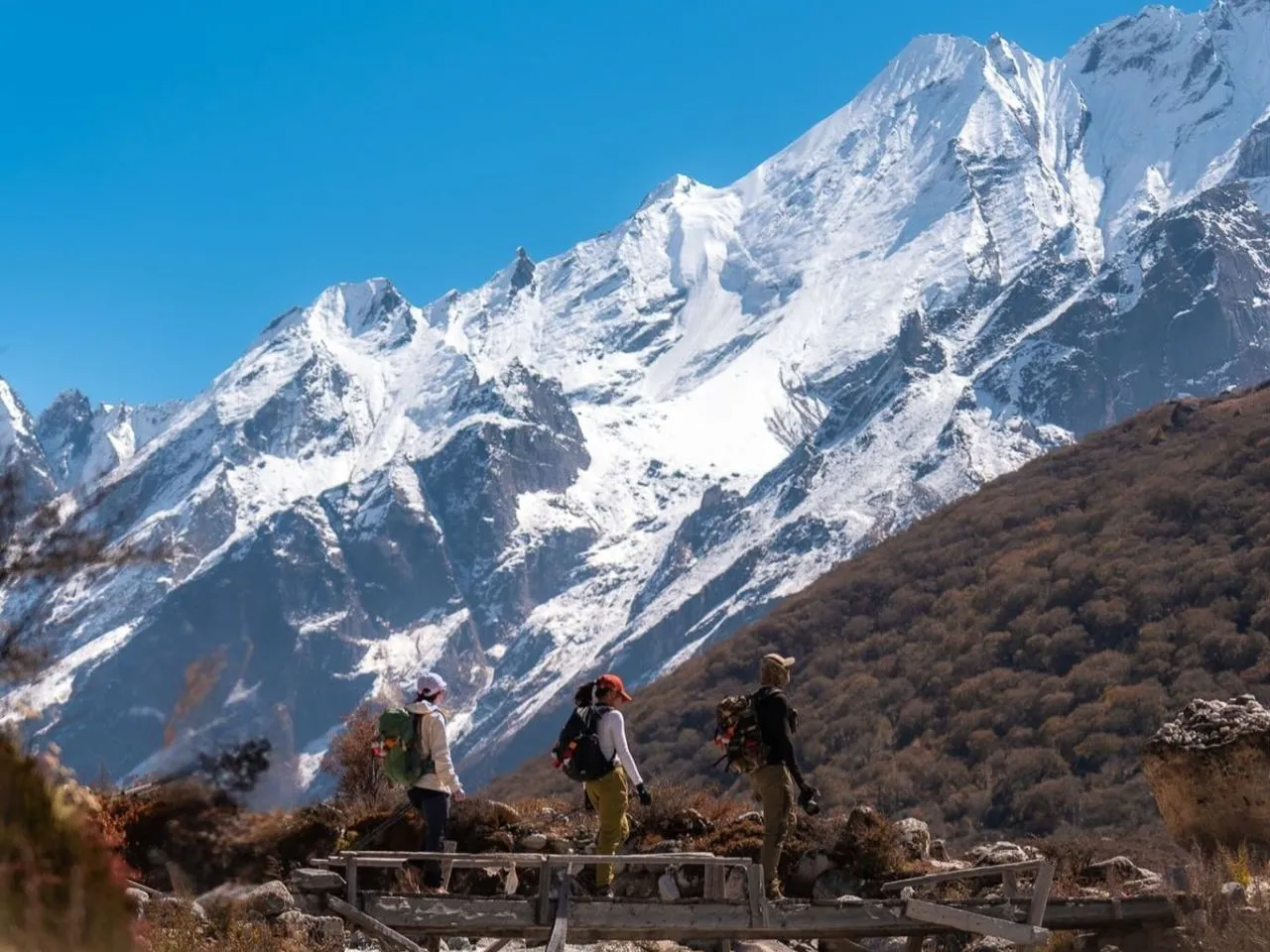
Langtang Luxury Trek – 10 Days
Langtang Luxury Trek – 10 Days
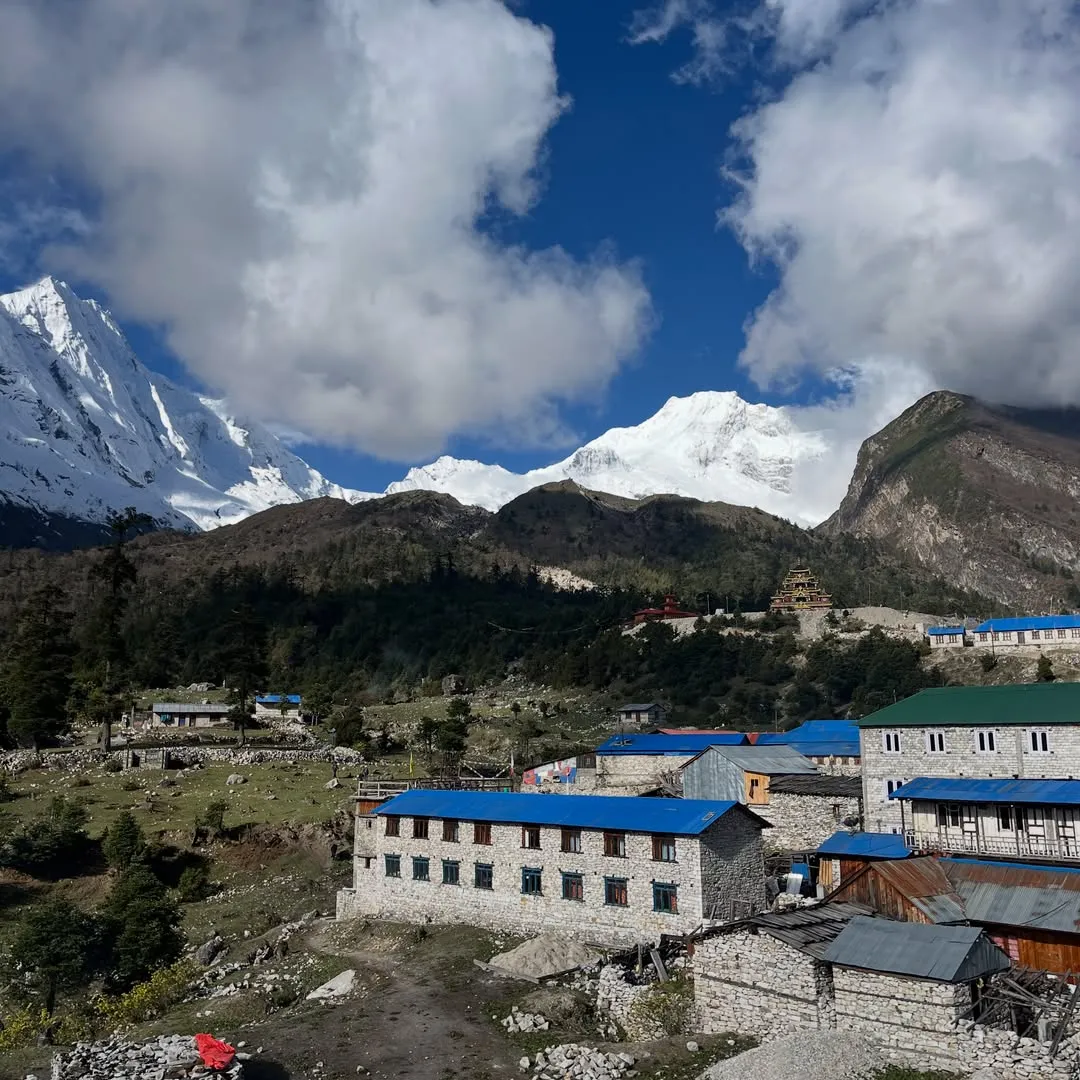
Manaslu Family Trek – 12 Days
Manaslu Family Trek – 12 Days
Manaslu Luxury Trek – 14 Days
Manaslu Luxury Trek – 14 Days

Manaslu Photography Trek – 17 Days
Manaslu Photography Trek – 17 Days
 English
 Deutsch
 Svenska
 Dansk
Dansk Русский
 Français
 Português
 Español
 Polski
 简体中文
简体中文 日本語
日本語 ไทย
ไทย العربية
 한국어
한국어