
Quick Answer
A 14 day Manaslu Circuit itinerary is borderline for acclimatisation before the 5,106 metre Larkya La pass. It works for trekkers who live above 1,500 metres or have acclimatised on a previous trek in the same month, but most sea level travellers should pick a 16 to 18 day itinerary. The 14 day version skips the second acclimatisation day in Samagaon, which raises altitude sickness risk by 30 to 45 percent.
The 14 day version is marketed heavily because it fits a two week leave window, but the altitude profile is aggressive. We see more evacuations from the 14 day Manaslu itineraries than from the 16 to 18 day versions, especially in peak October when lodges are full and acclimatisation day flexibility is limited.
Detailed Breakdown
The standard 16 to 18 day Manaslu Circuit runs 177 kilometres from Soti Khola to Dharapani, crossing the Larkya La pass at 5,106 metres. Most operators include two acclimatisation days, one in Samagaon at 3,520 metres and one in Samdo at 3,875 metres, before the pass crossing.
The 14 day version compresses the lower valley into long 8 to 10 hour walking days and drops one acclimatisation day, usually the second day in Samagaon. The total altitude gain from Soti Khola at 700 metres to Larkya La at 5,106 metres happens in 12 walking days. The average ascent rate exceeds 350 metres per day above 3,000 metres, which is above the recommended 300 metre ceiling.
Cost / Component Breakdown
| Itinerary length | Acclimatisation days | Typical 2027 USD per trekker | Altitude sickness risk |
|---|---|---|---|
| 14 days | 1 | $1,250 to $1,650 | High (25 to 35 percent) |
| 16 days | 2 | $1,400 to $1,800 | Moderate (10 to 18 percent) |
| 18 days | 3 with rest day | $1,550 to $2,000 | Low (5 to 10 percent) |
Each additional day on the Manaslu Circuit costs $90 to $130 USD per trekker, which covers lodge, meals, guide, and porter. The 18 day version is the safest and is what we recommend for sea level Australian, European, and Asian travellers.
What Affects the Answer
Your home altitude is the biggest factor. Trekkers who live in Canberra, Denver, or Johannesburg already acclimatise faster than those living at sea level in Sydney or Singapore. If you have trekked above 4,500 metres in the previous 30 days, your body retains some acclimatisation and the 14 day version is safer.
Season matters too. October lodges in Samagaon and Samdo are packed, and your operator may not be able to add an unplanned acclimatisation night if you feel unwell. April and November give more flexibility but colder nights.
Booking Tips / Practical Advice
Choose the 16 day itinerary as the minimum safe option if you live at sea level. The extra $200 to $300 USD over the 14 day version is the cheapest altitude insurance you can buy. Ask the operator for a written altitude profile chart showing sleeping altitudes per night, and verify that no two consecutive nights gain more than 500 metres above 3,000 metres.
Carry Diamox and start taking 125 milligrams twice daily from Samagaon onward. Book a Manaslu restricted area permit 7 to 10 days in advance through your operator, and confirm the permit lists every acclimatisation night as written in the itinerary.
Comparison With Alternatives
The Annapurna Circuit with Thorong La at 5,416 metres is higher than Larkya La but has a longer approach with more natural acclimatisation. Most 14 day Annapurna itineraries are safer than 14 day Manaslu itineraries for the same altitude. The Tsum Valley extension on Manaslu adds 3 to 5 days and actually improves acclimatisation.
If your leave is fixed at 14 days, consider the Annapurna Base Camp trek instead. It reaches 4,130 metres and fits comfortably in 12 to 14 days with proper acclimatisation, eliminating the 5,000 metre pass risk entirely.
Common Mistakes to Avoid
Do not trust a 14 day Manaslu package that claims zero altitude risk. The maths of the ascent profile does not allow it. Do not skip the Samdo acclimatisation day to make the pass crossing on time; this is the day that protects you on the pass.
Avoid booking a fast 14 day itinerary then trying to add a rest day on the trail. In October, the lodges in Samagaon and Samdo are full and a rest day means sleeping in a dining hall, which worsens recovery. Book the longer itinerary up front.
Frequently Asked Questions
Has anyone completed the 14 day Manaslu Circuit safely? Yes, many trekkers do, but the altitude sickness rate is 25 to 35 percent versus 5 to 10 percent on the 18 day version. The risk is real and measurable.
Can I add an acclimatisation day on the trail? Only if lodges have space. In October, Samagaon and Samdo lodges turn trekkers away, so adding a day is often impossible.
Does Diamox make the 14 day itinerary safe? Diamox reduces risk by 30 to 50 percent but does not eliminate it. The 14 day version with Diamox is still riskier than the 16 day version without.
What is the safest Manaslu itinerary length? 18 days with three acclimatisation nights. This drops altitude sickness risk to 5 to 10 percent.
Is the Larkya La pass dangerous in poor weather? Yes. Fresh snow on the pass raises avalanche and slip risk. A rest day before the pass lets you wait out bad weather.
Summary
The 14 day Manaslu Circuit is borderline safe for acclimatisation and raises altitude sickness risk to 25 to 35 percent. We recommend 16 to 18 days for sea level trekkers, with two to three acclimatisation days written into the itinerary.
Conclusion
Time saved on a 14 day Manaslu Circuit is paid for in altitude risk and reduced summit pass success. Pick 16 or 18 days, carry Diamox, and protect your acclimatisation nights. The mountain will still be there when you arrive properly prepared.
Recommended Trek Packages
Trekking Places to Explore
Explore Trips in Nepal
Hand-picked guided trips to this destination
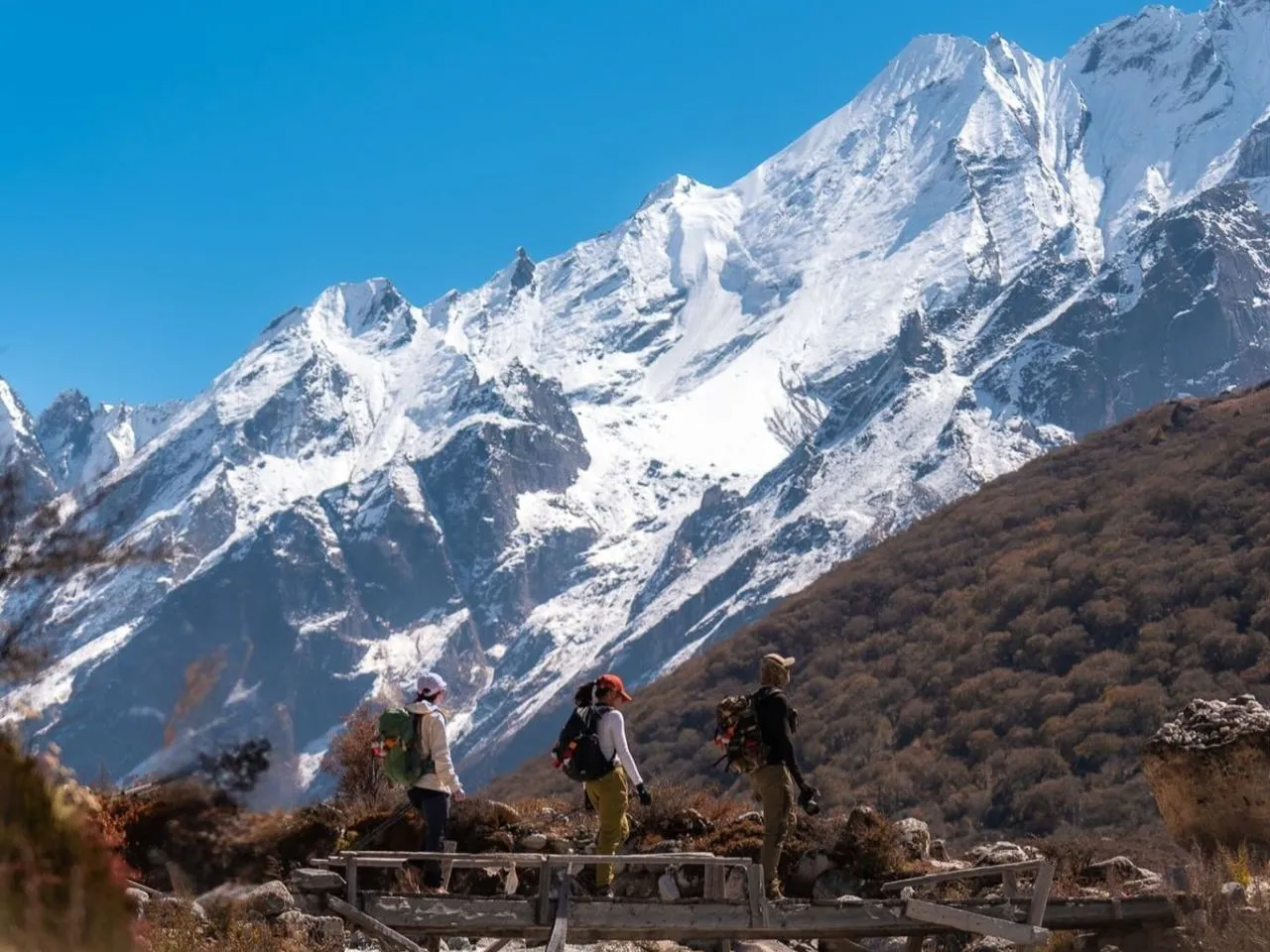
Langtang Luxury Trek – 10 Days
Langtang Luxury Trek – 10 Days
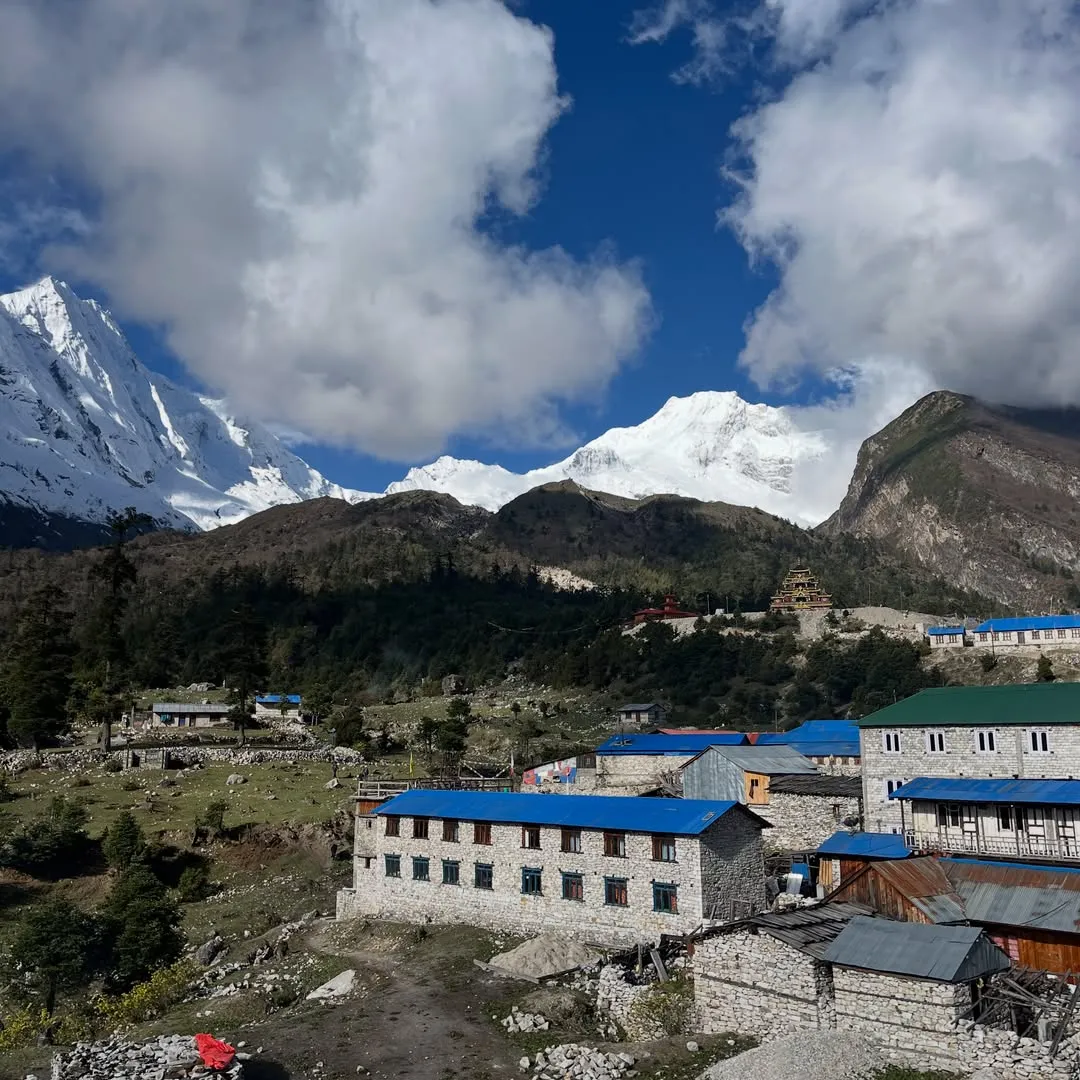
Manaslu Family Trek – 12 Days
Manaslu Family Trek – 12 Days
Manaslu Luxury Trek – 14 Days
Manaslu Luxury Trek – 14 Days

Manaslu Photography Trek – 17 Days
Manaslu Photography Trek – 17 Days
 English
 Deutsch
 Svenska
 Dansk
Dansk Русский
 Français
 Português
 Español
 Polski
 简体中文
简体中文 日本語
日本語 ไทย
ไทย العربية
 한국어
한국어