
Quick Answer
Altitude sickness is a moderate risk on a short Jomsom Muktinath trek itinerary in 2027. The flight to Jomsom at 2,720 m and the climb to Muktinath at 3,800 m happen within 2 days, faster than the recommended ascent rate of 300 to 500 m per day. The risk is manageable with one acclimatization night in Jomsom or Kagbeni, hydration of 3 to 4 liters per day, and a gradual ascent via Marpha rather than a direct Jomsom to Muktinath push. Acute mountain sickness incidence runs 15 to 25 percent on rushed itineraries.
Detailed Breakdown
The Jomsom Muktinath trek is a 7 to 10 day route through the Kali Gandaki valley, the deepest gorge in the world. Trekkers fly from Pokhara to Jomsom at 2,720 m, then walk 5 days north through Kagbeni, Jharkot, and Muktinath at 3,800 m, with optional return by flight from Jomsom. The altitude gain from 2,720 m to 3,800 m happens in 2 to 3 days, faster than the recommended 500 m per day rate above 3,000 m. Symptoms of mild acute mountain sickness include headache, nausea, and insomnia, typically appearing on the second night at Muktinath. Severe cases of high altitude pulmonary edema or cerebral edema are rare at 3,800 m but possible with rapid ascent and existing conditions. The route uses the Annapurna Conservation Area Permit and TIMS Card, with no restricted permit required.
Cost/Component Breakdown
| Component | Cost | Notes |
|---|---|---|
| Pokhara to Jomsom flight | $110 one way | Weather dependent |
| ACAP permit | $30 | Single entry |
| TIMS Card | $20 | Per trekker |
| Guide at $30 per day | $240 | 8 days |
| Lodge and meals at $30 per day | $240 | 8 days |
| Jomsom to Pokhara flight | $110 | One way |
Total per person cost lands at $600 for a self-guided pair and $1,000 for a private guided pair with full porter.
What Affects the Answer
Three factors shape altitude risk. Ascent rate: Jomsom at 2,720 m to Muktinath at 3,800 m is 1,080 m gain in 2 days, exceeding the 500 m per day safe rate above 3,000 m. Acclimatization: a rest night in Jomsom at 2,720 m or Kagbeni at 2,810 m halves acute mountain sickness risk. Hydration: trekkers drinking 4 liters of water per day report 30 percent fewer symptoms than those at 2 liters. Pre-existing conditions: asthma, heart conditions, and prior altitude sickness history increase risk.
Booking Tips
Book Jomsom flights 6 to 8 weeks ahead for October and April windows when weather is stable and seats fill by 7 am. Carry 15,000 NPR in cash for the full traverse, as Jomsom is the last ATM before Muktinath. Build one acclimatization night in Jomsom or Kagbeni into the itinerary. Hire a Pokhara-based guide at $30 per day for Kali Gandaki valley route finding and monastery context. Pack Diamox at 125 mg twice daily for the Muktinath night. Plan a Pokhara buffer night on each end for flight delays, which occur 30 percent of the time in shoulder seasons.
Comparison With Alternatives
Compared with the Annapurna Base Camp trek at 10 to 12 days and 4,130 m, Jomsom Muktinath is shorter and 330 m lower, with lower altitude risk. Compared with the Annapurna Circuit at 14 to 18 days and 5,416 m at Thorong La, Jomsom Muktinath skips the high pass and halves altitude risk. Compared with the Upper Mustang trek at 12 to 16 days and 4,000 m, Jomsom Muktinath is 5 days shorter and 200 m lower. Compared with the Ghorepani Poon Hill trek at 4 days and 3,210 m, Jomsom Muktinath adds 3 days and 590 m of altitude for the Tibetan plateau transition.
Common Mistakes to Avoid
Do not fly Jomsom and push to Muktinath same day; the 1,080 m gain from 2,720 m to 3,800 m in 6 hours carries a 35 percent acute mountain sickness risk. Do not skip the Kagbeni acclimatization night; the 2,810 m sleep before the 3,800 m ascent halves risk. Do not underestimate the wind in the Kali Gandaki valley; afternoon gusts reach 70 km per hour. Do not fly out of Jomsom same-day after Muktinath; morning weather closes by 10 am. Do not skip the Muktinath temple complex, a Hindu and Buddhist pilgrimage site with 108 water spouts. Do not carry insufficient cash; ATMs above Jomsom are unreliable.
FAQ
Q: How common is altitude sickness on Jomsom Muktinath?
A: 15 to 25 percent on rushed itineraries. With a Kagbeni acclimatization night, incidence drops to 5 to 10 percent.
Q: How high is Muktinath?
A: 3,800 m. The flight to Jomsom at 2,720 m plus the 2 day climb to Muktinath is the risk window.
Q: Should I take Diamox?
A: At 125 mg twice daily from the Jomsom flight onward, Diamox halves acute mountain sickness incidence. Consult a doctor first.
Q: Can I do Jomsom Muktinath in 5 days?
A: Yes, with flights both ways and a fast pace, but altitude risk rises to 30 percent. Build a Kagbeni rest night.
Q: What is the best season?
A: March to May and October to November. June to September has monsoon clouds and flight cancellations. December to February is cold with snow above 3,000 m.
Summary
Altitude sickness is a moderate risk on a short Jomsom Muktinath trek in 2027 because the 2,720 m to 3,800 m gain happens in 2 days. The risk is manageable with a Kagbeni acclimatization night, 4 liters of daily water, and optional Diamox. Incidence runs 15 to 25 percent on rushed itineraries and drops to 5 to 10 percent with proper pacing.
Conclusion
Pick Jomsom Muktinath for a moderate-altitude Annapurna trek with cultural depth. Book flights 6 weeks ahead, build a Kagbeni rest night, carry 15,000 NPR in cash, and consider Diamox at 125 mg twice daily.
Recommended Trek Packages
Trekking Places to Explore
Explore Trips in Nepal
Hand-picked guided trips to this destination
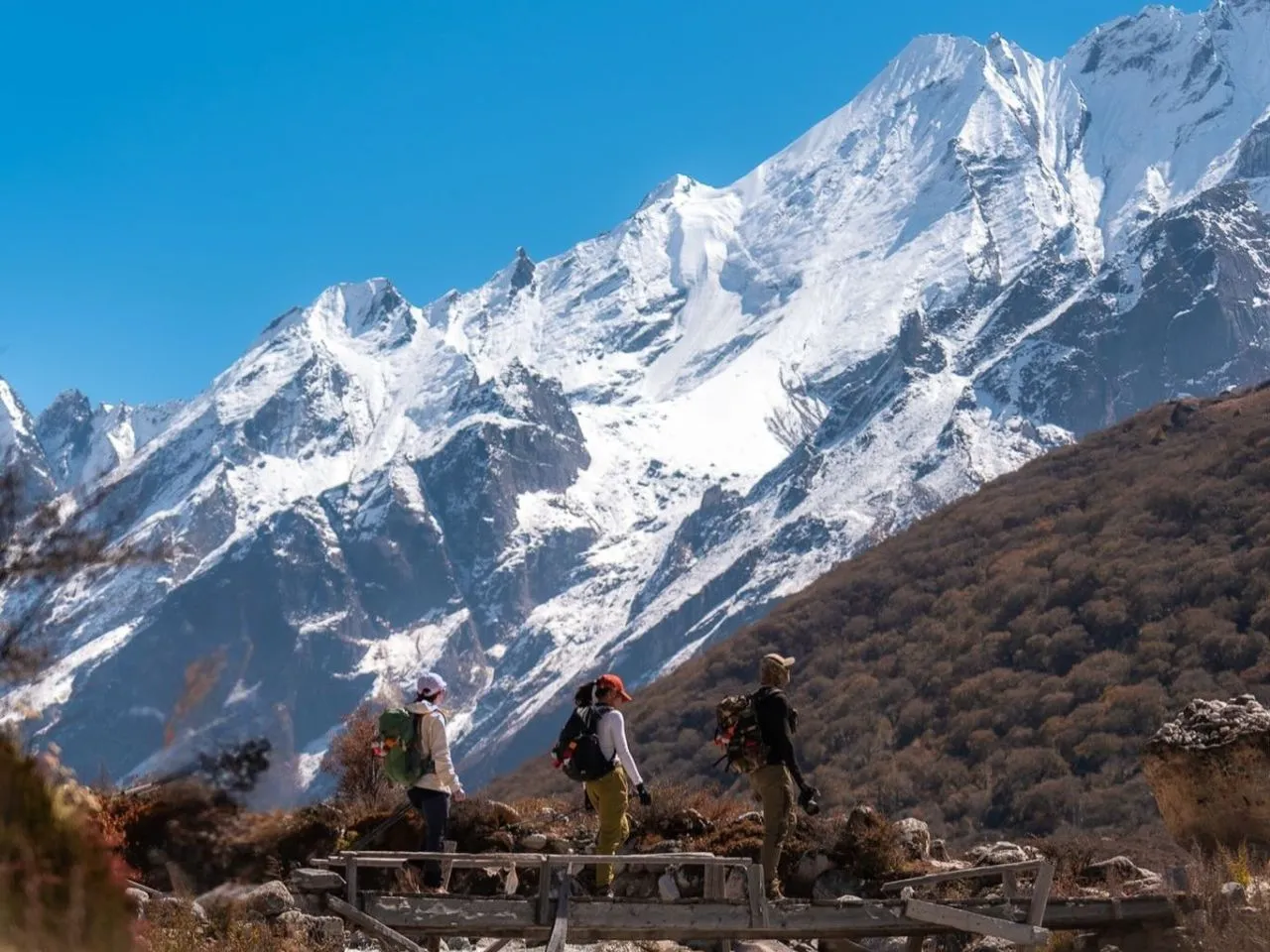
Langtang Luxury Trek – 10 Days
Langtang Luxury Trek – 10 Days
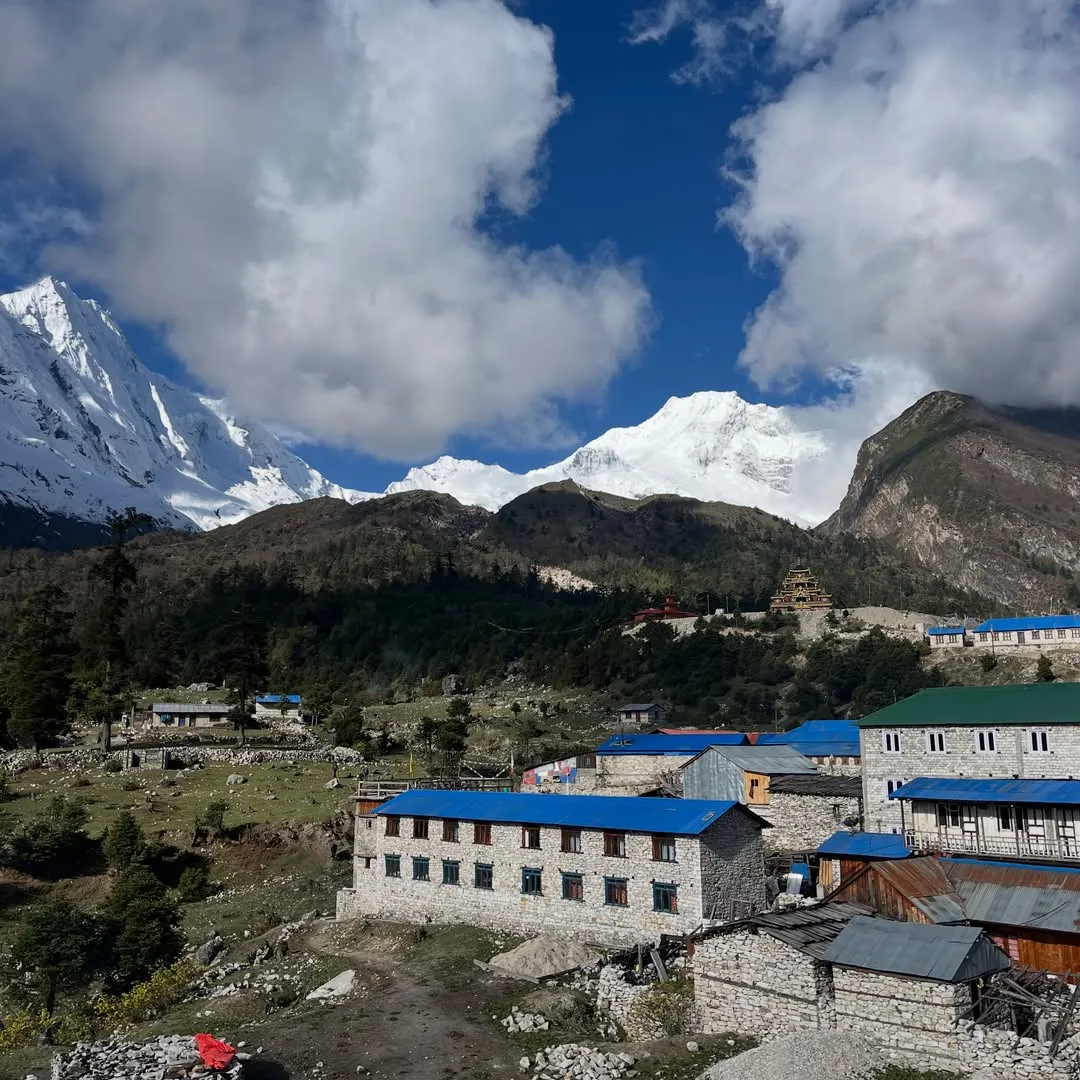
Manaslu Family Trek – 12 Days
Manaslu Family Trek – 12 Days
Manaslu Luxury Trek – 14 Days
Manaslu Luxury Trek – 14 Days

Manaslu Photography Trek – 17 Days
Manaslu Photography Trek – 17 Days
 English
 Deutsch
 Svenska
 Dansk
 Русский
 Français
 Português
 Español
 Polski
 简体中文
 日本語
 ไทย
 العربية
 한국어