
Quick Answer
Trekking independently in Nepal without a guide is legal on most trails, but it raises real risks: altitude sickness with no one to manage evacuation, navigation errors on unmarked branches, slower emergency response, and permit paperwork that can block trailhead entry. Trekkers with prior Himalayan experience, full travel insurance, GPS tracks, and a satellite messenger can manage these risks. First time visitors to altitude should still hire at least a porter guide for routes above 3,500 m in 2027.
Detailed Breakdown
Nepal removed the compulsory guide rule for standard trekking areas in 2023, so solo independent trekking is again permitted in Annapurna, Langtang, and Everest regions with a TIMS Card and the relevant national park permit. The freedom is real, but the trail is unforgiving above 3,500 m. Independent trekkers carry full responsibility for acclimatisation decisions, route finding, weather calls, and emergency response.
The most serious risk is altitude sickness. Acute Mountain Sickness can progress to HAPE or HACE within hours, and a solo trekker with confusion or breathlessness cannot arrange their own descent. Independent trekkers must know the Lake Louise scoring system, carry Diamox, and accept that the only cure is to descend. On the Annapurna Base Camp route, the climb from Machhapuchhre Base Camp at 3,700 m to ABC at 4,130 m happens in a single morning above the safety ceiling.
Cost/Component Breakdown
| Component | Independent | With Porter Guide |
|---|---|---|
| TIMS Card | $20 | $20 |
| ACAP permit | $30 | $30 |
| Lodges 10 nights | $70 to $120 | $70 to $120 |
| Meals 10 days | $120 to $180 | $120 to $180 |
| Porter guide | $0 | $25/day, $250 |
| Satellite messenger | $300 device, $25/mo | Recommended |
| Evacuation insurance | $80 to $150 | $80 to $150 |
| Total 10 day trek | $620 to $900 | $870 to $1,150 |
What Affects the Answer
Prior Himalayan experience is the largest variable. Trekkers who have completed two routes above 4,000 m in the past three years can usually handle Annapurna Base Camp alone. First time altitude trekkers should not. Age over 60, asthma, heart conditions, and blood pressure medication all raise the risk profile and push the decision toward hiring a guide.
Season also matters. October trails are busy, so help is nearby if something goes wrong. February and December routes are quiet, and a solo trekker in trouble may wait many hours for other walkers.
Booking Tips
Register your TIMS Card with full insurance details, next of kin, and an emergency contact who knows your daily itinerary. Buy travel insurance that explicitly covers trekking to 6,000 m and helicopter rescue, and carry the policy number on paper and on your phone. Download offline maps from Maps.me or Gaia GPS plus a backup on a second device. Carry a Garmin inReach Mini 2 or Zoleo satellite messenger with a charged battery bank.
Check in with family every night by satellite message with location, altitude, and how you feel. Leave a printed itinerary at your Kathmandu hotel reception.
Comparison With Alternatives
Hiring a porter guide costs USD 25 to USD 30 a day and removes 70 percent of the risk for first time visitors. A full guide costs USD 35 to USD 50 a day and adds route knowledge, weather calls, and language translation. A fully organised package at USD 80 to USD 130 a day handles permits, transport, lodges, food, guide, porter, and insurance coordination. Independent trekking saves USD 300 to USD 500 per trek but shifts the entire risk burden to the traveler.
Common Mistakes to Avoid
Underestimating altitude is the most common error. Trekkers fly to Lukla or drive to Nayapul at sea level fitness and reach 4,000 m in five days, often too fast. Skipping acclimatisation days to save lodge costs is the second mistake. Carrying no satellite device is the third: a USD 300 messenger is cheap insurance for a USD 5,000 helicopter bill. Trekking against lodge owner advice has caused fatalities on the ABC route.
FAQ
Is independent trekking legal in Nepal in 2027? Yes. Standard regions like Annapurna, Langtang, and Everest require only a TIMS Card and park permit. Restricted areas like Manaslu, Mustang, and Dolpo still require a licensed guide and group of two.
Do I need insurance for independent trekking? Yes. Buy a policy that explicitly covers trekking to your maximum altitude and helicopter evacuation. Standard travel insurance excludes mountaineering above 3,000 m.
Can I hire a guide for just one or two days? Yes. Porter guides can be hired in Pokhara, Kathmandu, or trailhead villages like Nayapul for short sections to ease acclimatisation or technical days.
What is the safest independent trek in Nepal? Ghorepani Poon Hill and Langtang Valley are the safest independent routes because they stay below 4,000 m, have busy trails, and offer frequent lodges.
Summary
Independent trekking in Nepal is legal and viable for experienced, insured, and equipped trekkers on standard routes. The main risks are altitude decisions, navigation, and emergency response. First time visitors to altitude should hire at least a porter guide. The cost difference is USD 300 to USD 500 per trek, which is small relative to the safety margin gained.
Conclusion
Going without a guide in Nepal is a real choice, not a shortcut. Treat the trail with the seriousness of solo mountaineering: carry a satellite messenger, buy helicopter insurance, know the altitude protocols, and register your itinerary. Experienced trekkers who do this can enjoy the freedom of unguided Himalayan walking. Trekkers new to altitude should hire a porter guide and watch how a professional reads the trail before going alone.
Recommended Trek Packages
Trekking Places to Explore
Explore Trips in Nepal
Hand-picked guided trips to this destination
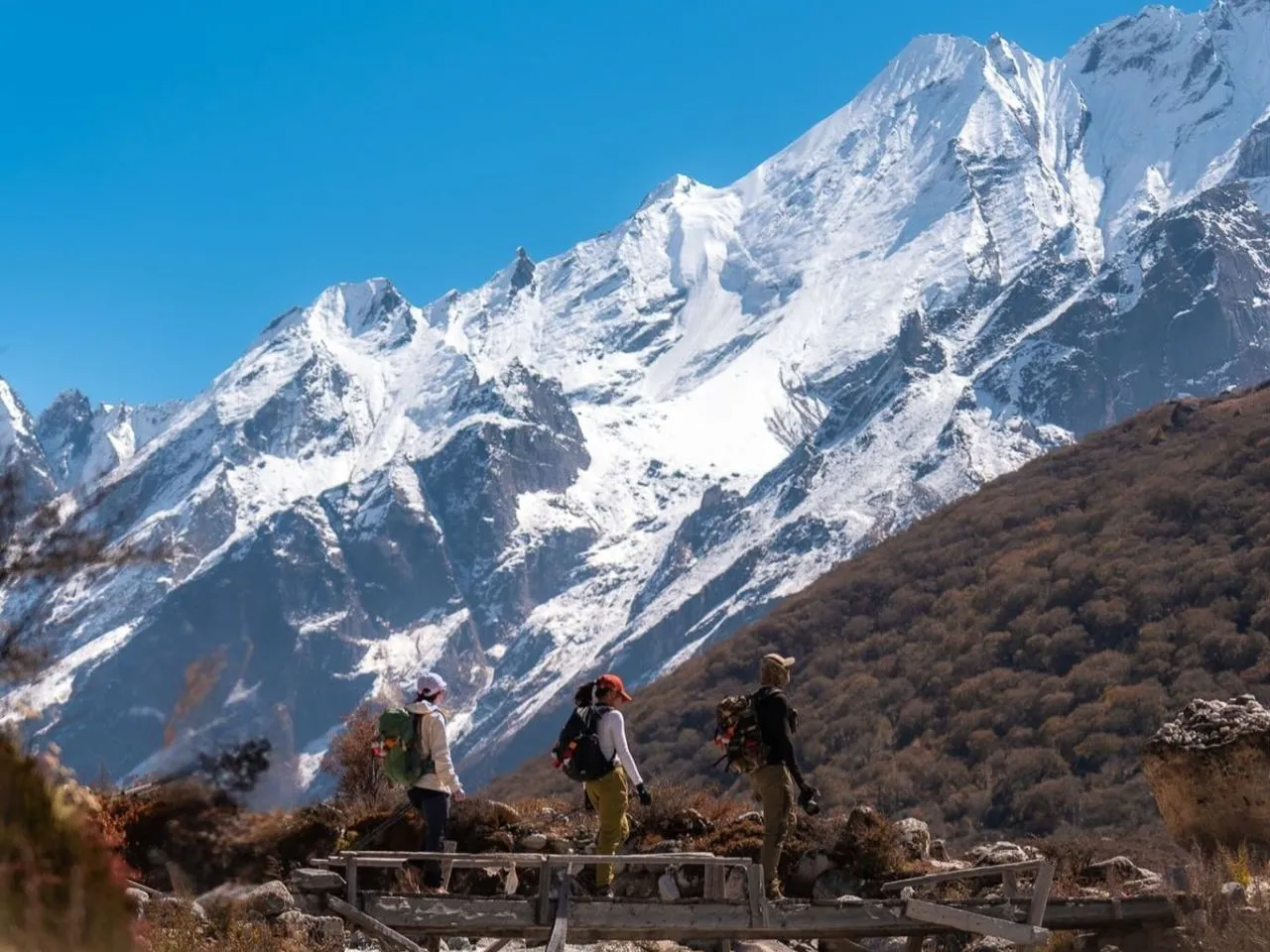
Langtang Luxury Trek – 10 Days
Langtang Luxury Trek – 10 Days
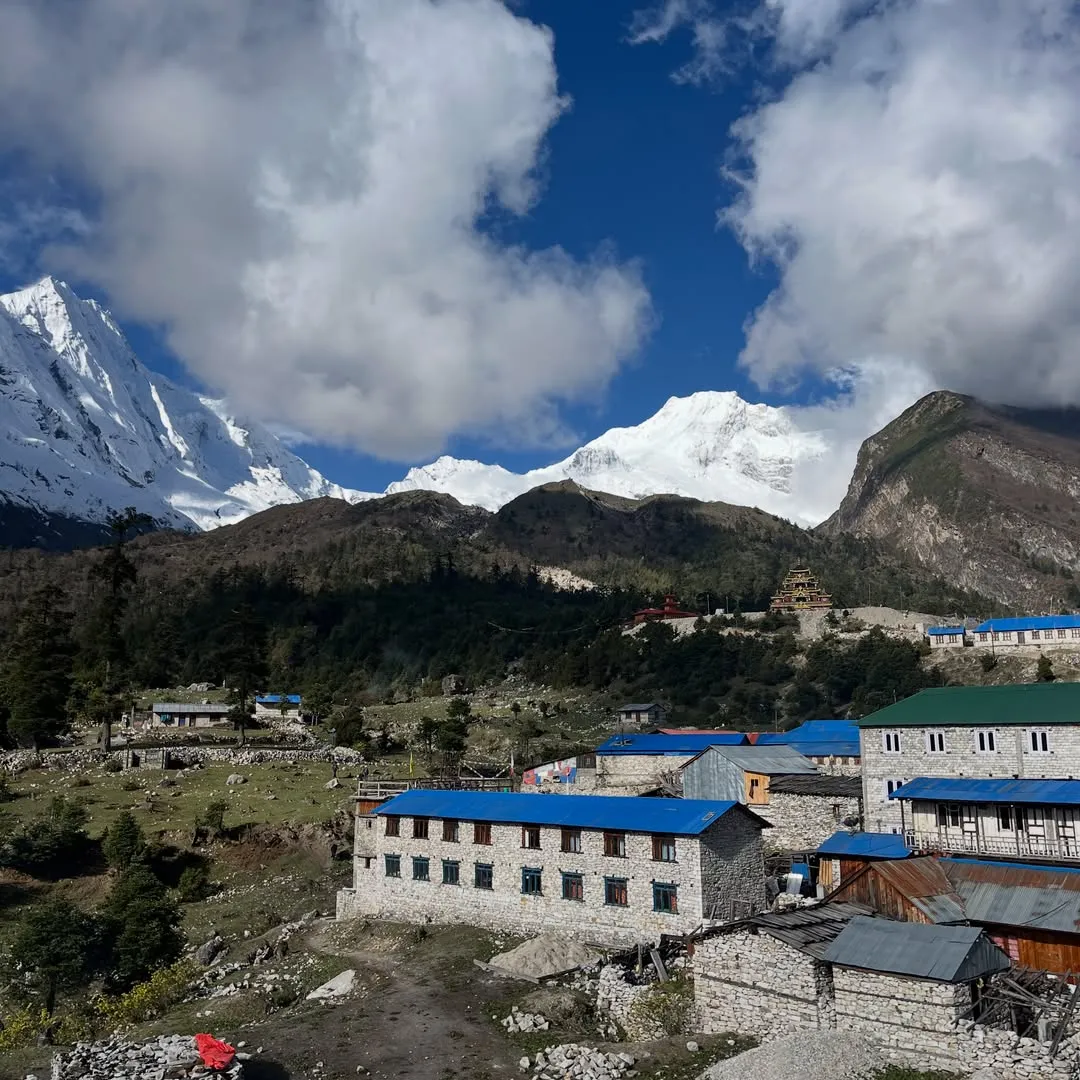
Manaslu Family Trek – 12 Days
Manaslu Family Trek – 12 Days
Manaslu Luxury Trek – 14 Days
Manaslu Luxury Trek – 14 Days

Manaslu Photography Trek – 17 Days
Manaslu Photography Trek – 17 Days
 English
 Deutsch
 Svenska
 Dansk
Dansk Русский
 Français
 Português
 Español
 Polski
 简体中文
简体中文 日本語
日本語 ไทย
ไทย العربية
 한국어
한국어