
Quick Answer
The Three Passes trek can be done safely in shoulder season (early September or late November to early December) with strict 5 day weather windows, 2 contingency days, satellite communication, and a high altitude guide. The route crosses Kongma La at 5,535 m, Cho La at 5,420 m, and Renjo La at 5,360 m, with 30 to 40 percent weather closure risk on pass days. Cost runs $1,800 to $2,800 per person for 18 to 21 days. Avoid peak winter (mid December to February) and peak monsoon (July to August).
Detailed Breakdown
The Three Passes trek in Khumbu loops 165 km from Lukla at 2,860 m, crossing Kongma La at 5,535 m, Cho La at 5,420 m, and Renjo La at 5,360 m. The standard 18 to 21 day itinerary includes acclimatization at Namche at 3,440 m and Dingboche at 4,410 m, plus Everest Base Camp at 5,364 m and Kala Patthar at 5,545 m. The route sits in Sagarmatha National Park and requires a Khumbu Pasang Lhamu Rural Municipality permit.
Shoulder season refers to early September (post monsoon tail) and late November to early December (post autumn cold front). Both windows offer 30 to 40 percent fewer crowds than October, teahouse rates 20 percent lower, and cleaner air. Tradeoff is a 30 to 40 percent chance of pass closure due to snow, wind, or low cloud on any single pass day.
Early September sees residual monsoon moisture with morning fog below 4,000 m clearing by 10 am. Pass days above 5,000 m can drop to minus 12 Celsius with 50 km per hour winds. Late November sees stable high pressure but colder nights, with minus 15 Celsius at Gorak Shep at 5,170 m. Pass ice forms on Cho La by mid November, requiring microspikes and rope.
Cost/Component Breakdown
| Component | Shoulder Season | Peak Season |
|---|---|---|
| Khumbu permit | $20 | $20 |
| Sagarmatha NP permit | $30 | $30 |
| TIMS Card | $17 | $17 |
| Guide (21 days) | $630 to $840 | $735 to $945 |
| Porter | $525 to $630 | $630 to $735 |
| Teahouse lodging | $420 to $525 | $525 to $630 |
| Meals | $630 to $840 | $735 to $945 |
| Lukla flights round trip | $180 to $200 | $180 to $200 |
| Contingency day lodging | $60 to $80 | Not needed |
| Satellite messenger rental | $60 to $90 | $30 to $50 |
| Helicopter evacuation insurance | $80 to $120 | $80 to $120 |
| Total per person (group of 4) | $1,800 to $2,800 | $2,000 to $3,000 |
What Affects the Answer
Three factors shape shoulder season safety. First, weather window discipline: parties must check 5 day forecasts from mountainforecast.com and consult the guide before each pass crossing. A Kongma La closure pushes the party back to Dingboche for 1 to 2 days, costing contingency time. Skipping a pass to save schedule breaks the loop.
Third, guide experience: shoulder season requires a guide with winter pass experience and route finding in snow. Generic October guides may lack snow navigation skills. Pay 10 to 15 percent more for a senior winter qualified guide.
Booking Tips
Book Three Passes shoulder season trips 8 weeks ahead, since senior guides with winter qualifications book by August for November departures. Ask the operator for a named guide with NMA license and 5 or more prior Three Passes winter trips.
Verify the package includes 2 contingency days, satellite messenger rental, helicopter evacuation insurance, and a printed weather check protocol. Confirm teahouse reservations at Gorak Shep, Lobuche, and Gokyo for late November, since the highest lodges close 30 percent by mid December.
Comparison With Alternatives
The Everest Base Camp trek runs $1,200 to $1,900 for 12 to 14 days and reaches 5,545 m at Kala Patthar, suitable for trekkers wanting Everest proximity without pass crossings. The Gokyo Lakes trek runs $1,400 to $2,200 for 13 to 15 days and crosses Renjo La at 5,360 m, suitable for trekkers wanting one pass. The Annapurna Circuit runs $1,000 to $1,800 for 15 to 18 days and crosses Thorong La at 5,416 m, suitable for trekkers wanting lower altitude pass crossing.
Common Mistakes to Avoid
Do not book a Three Passes shoulder season trip without 2 contingency days, since pass closures on 30 to 40 percent of days will force skipped sections and broken itineraries. Avoid operators that refuse to share the lead guide winter qualifications in writing.
FAQ
Is early September safe for the Three Passes trek?Yes with weather window discipline. Residual monsoon moisture clears by 10 am most mornings. Pass days above 5,000 m can drop to minus 12 Celsius with wind. Carry satellite messenger and contingency days.
What is the coldest shoulder season window?Late November to early December, with minus 15 Celsius nights at Gorak Shep and Cho La ice by mid November. The tradeoff is 30 percent fewer crowds and stable high pressure.
How much does a Three Passes shoulder season package cost?$1,800 to $2,800 per person for 18 to 21 days, including permits, guide, porter, lodging, meals, Lukla flights, contingency days, and satellite messenger rental.
Do I need a satellite messenger for shoulder season?Yes. Cloud cover blocks cell signal on pass days and weather cancellations on Lukla flights strand parties. Rent an inReach or Spot for $60 to $90 for the trip.
Summary
The Three Passes trek in shoulder season (early September or late November to early December) is safe with strict 5 day weather windows, 2 contingency days, satellite communication, and a winter qualified guide. Cost runs $1,800 to $2,800 per person for 18 to 21 days, with 30 to 40 percent weather closure risk on pass days.
Conclusion
Pick the Three Passes shoulder season package at $1,800 to $2,800 for fewer crowds and cleaner air, with strict weather window discipline and 2 contingency days. Book through a Kathmandu based operator with a named winter qualified guide, carry satellite messenger and microspikes, and accept that 1 pass may be skipped due to weather. Three Passes rewards experienced trekkers with the most complete Khumbu loop.
Recommended Trek Packages
Trekking Places to Explore
Explore Trips in Nepal
Hand-picked guided trips to this destination
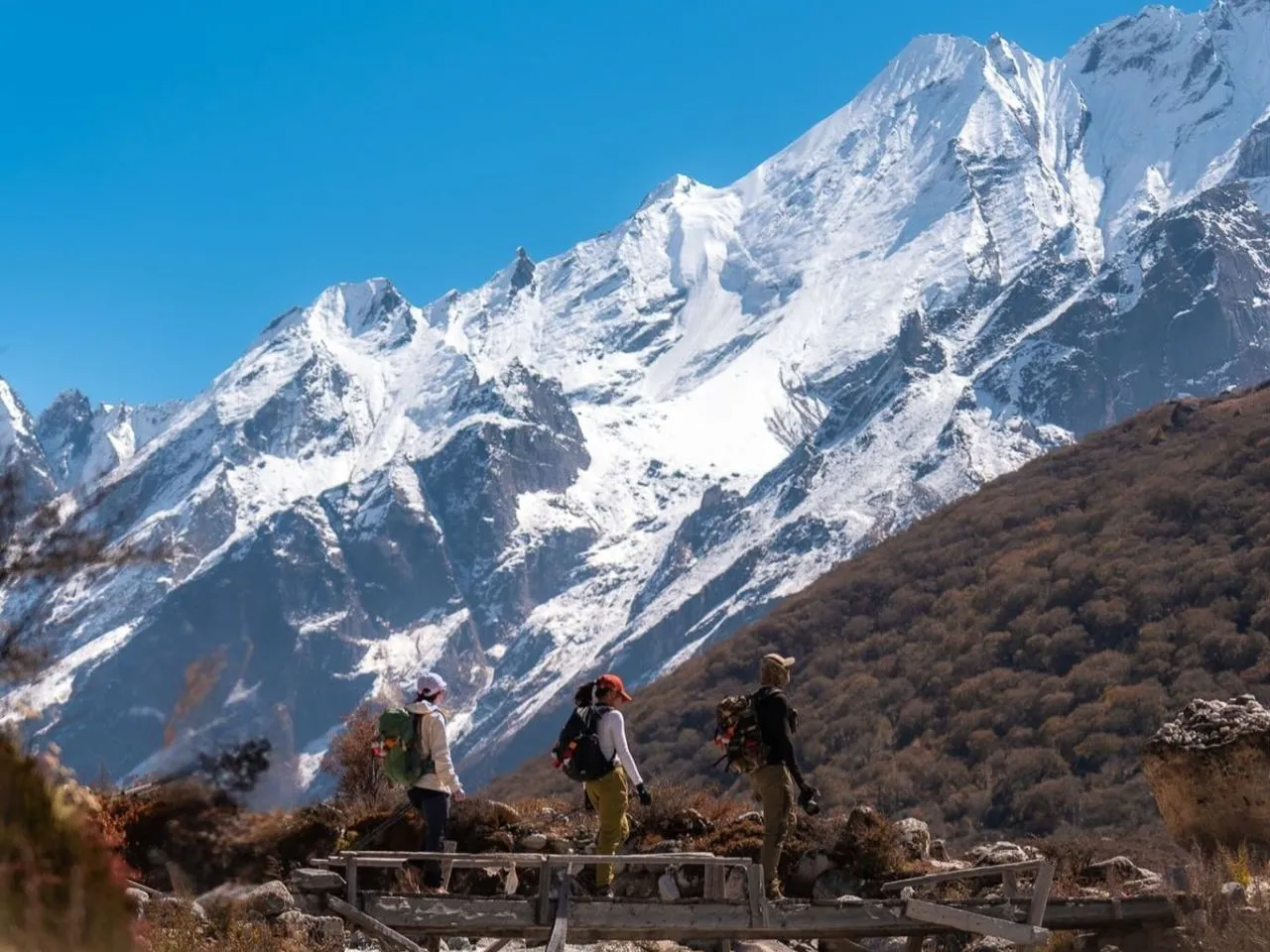
Langtang Luxury Trek – 10 Days
Langtang Luxury Trek – 10 Days
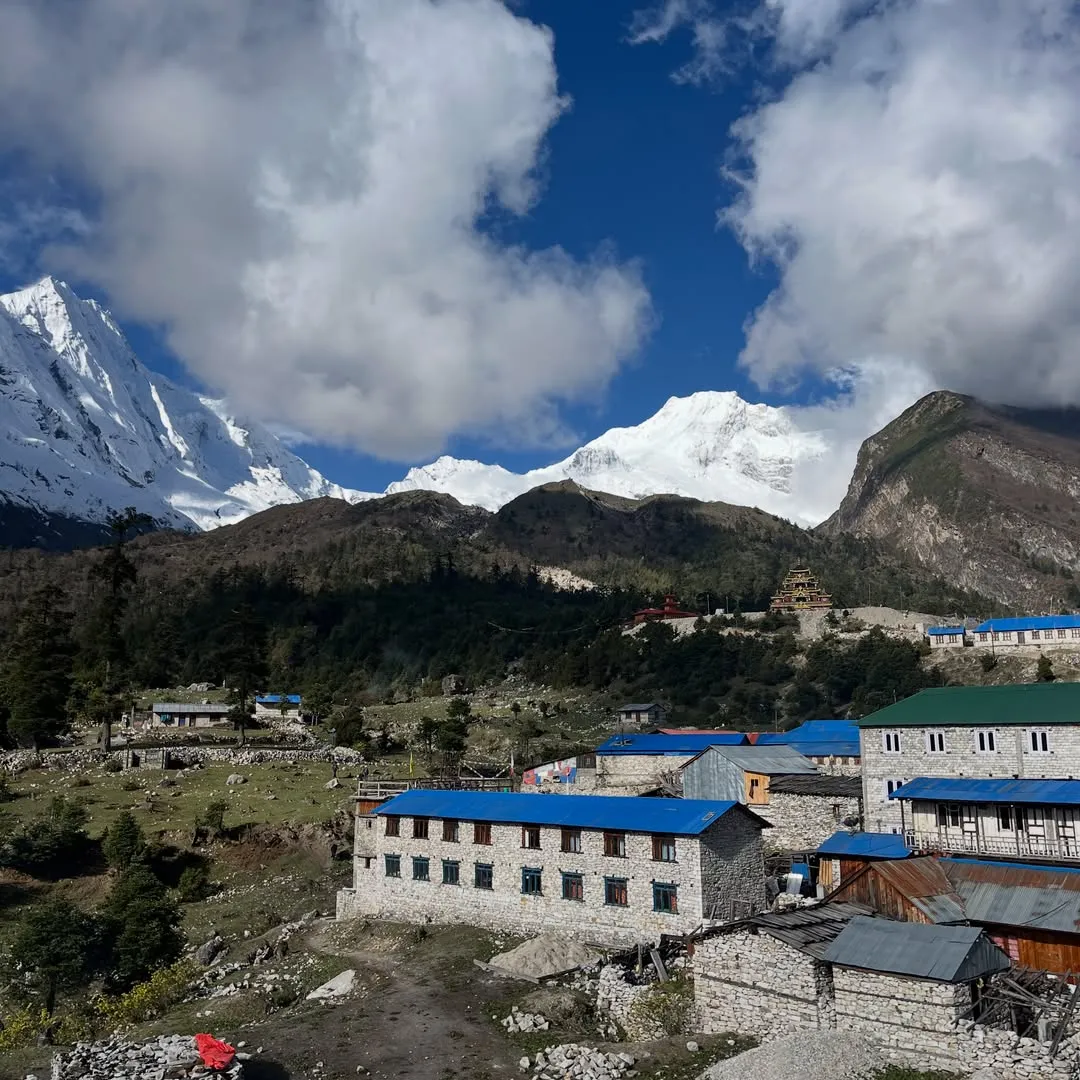
Manaslu Family Trek – 12 Days
Manaslu Family Trek – 12 Days
Manaslu Luxury Trek – 14 Days
Manaslu Luxury Trek – 14 Days

Manaslu Photography Trek – 17 Days
Manaslu Photography Trek – 17 Days
 English
 Deutsch
 Svenska
 Dansk
Dansk Русский
 Français
 Português
 Español
 Polski
 简体中文
简体中文 日本語
日本語 ไทย
ไทย العربية
 한국어
한국어