
Quick Answer
Yes, the 15 day Three Passes trek itinerary is too rushed for most trekkers in 2027 to 2030. It skips acclimatisation buffers above 5,000 m, forces Kongma La at 5,535 m, Cho La at 5,420 m, and Renjo La at 5,360 m on consecutive high days, and offers no margin for weather delays at Lukla. The 18 day plan adds two acclimatisation nights at Dingboche and Gokyo, cuts altitude evacuation risk by about 60 percent, and runs $2,000 to $2,800 per person including Lukla flights, permits, guide, and teahouse lodging. Choose 15 days only if you have prior 5,000 m experience and a confirmed weather window.
Detailed Breakdown
The Three Passes trek is the most ambitious Khumbu circuit, crossing Kongma La at 5,535 m, Cho La at 5,420 m, and Renjo La at 5,360 m in an 18 to 21 day loop from Lukla. The 15 day version compresses the loop by skipping the second Namche acclimatisation day, the Dingboche acclimatisation night, and the Gokyo buffer day before Renjo La. The 18 day version restores those three buffers and adds a Lukla weather contingency. The 21 day version adds a side trip to Everest Base Camp and a second night at Gokyo for the fifth lake.
The 15 day version works only for trekkers who have already crossed a 5,000 m pass before, who carry Diamox and a pulse oximeter, and who arrive in Lukla already partly acclimatised from a previous trek. For everyone else the 18 day plan is the right pick because pass days in cloud and snow are unforgiving, and Lukla flight delays add a day or two on roughly 30 percent of departures.
Cost/Component Breakdown
| Component | 15 Day Compressed | 18 Day Standard | 21 Day Extended |
|---|---|---|---|
| Lukla return flights | $380 | $380 | $380 |
| Sagarmatha and Khumbu permits | $50 | $50 | $50 |
| Guide and porter | $540 | $640 | $740 |
| Teahouse lodging and meals | $900 | $1,080 | $1,260 |
| Everest Base Camp side trip | $0 | $0 | $80 |
| Agency overhead | $330 | $390 | $450 |
| Total per person | $2,200 | $2,540 | $2,960 |
What Affects the Answer
Trekker altitude history is the biggest factor. Those with no prior 5,000 m exposure should not attempt the 15 day plan because Kongma La on day 7 without a Dingboche buffer is the single most evacuated day on the route. Season is the second factor: October offers the clearest pass conditions but the busiest teahouses, while April has more snow and fewer crowds. Lukla flight reliability is the third factor: weather cancellations in May and October can add one to two days, which a 15 day itinerary cannot absorb.
Booking Tips
Reserve Lukla flights 90 days ahead for October and 60 days for April. Lock the Sagarmatha permit through a Kathmandu agency to skip the Monjo queue. Insist on a guide who has crossed all three passes at least five times, because route finding on Kongma La in cloud is genuinely difficult. Carry a four season sleeping bag even in October, because Gokyo at 4,790 m drops to minus 10 Celsius at night. Pack crampons for Cho La, because the east side glacier is icy before 9 am. Buy helicopter rescue insurance that covers above 5,500 m.
Comparison With Alternatives
The classic Everest Base Camp trek is 12 to 14 days at $1,500 to $2,000 and reaches 5,644 m at Kala Patthar without crossing a 5,000 m pass, suiting trekkers who want the EBC trophy without pass risk. The Gokyo Lakes trek is 12 to 14 days at $1,700 to $2,200 and reaches Gokyo Ri at 5,357 m with one Renjo La crossing. The Manaslu Circuit is 14 to 18 days at $1,600 to $2,200 and crosses Larkya La at 5,106 m, suiting trekkers who want a quieter alternative with one pass instead of three.
Common Mistakes to Avoid
Do not book a 15 day Three Passes itinerary without prior 5,000 m experience. Do not skip the Dingboche acclimatisation day, because Kongma La on day 7 needs a 4,410 m base. Do not cross Cho La after 11 am, because afternoon cloud and snow are common. Do not attempt Renjo La in fresh snow without a guide who knows the Gokyo side descent, because cornice risk is real. Do not budget under $2,000 for any version, because the three pass crossings and Gokyo logistics push the floor higher than EBC.
FAQ
Is the 15 day Three Passes safe? Only for trekkers with prior 5,000 m experience and a confirmed weather window. For most trekkers the 18 day plan is safer.
How much more does the 18 day plan cost? About $340 per person, which is 15 percent more than the 15 day version, mostly in teahouse and porter wages.
Can I add Everest Base Camp to the Three Passes? Yes, in the 21 day extended version for about $420 extra including the side trip and Gokyo fifth lake.
Which pass is the hardest? Kongma La at 5,535 m, because it has a long scree climb and a glacier crossing on the descent.
Summary
The 15 day Three Passes itinerary is too rushed for most trekkers. The 18 day plan adds two acclimatisation buffers, cuts altitude risk by 60 percent, and costs $2,000 to $2,800 per person. Choose 21 days if you want the EBC side trip.
Conclusion
For most trekkers in 2027 to 2030 the right Three Passes itinerary is the 18 day plan at $2,000 to $2,800 per person. The two extra acclimatisation days at Dingboche and Gokyo are worth the $340 premium over the compressed 15 day version, especially on Kongma La and Renjo La pass days.
Recommended Trek Packages
Trekking Places to Explore
Explore Trips in Nepal
Hand-picked guided trips to this destination
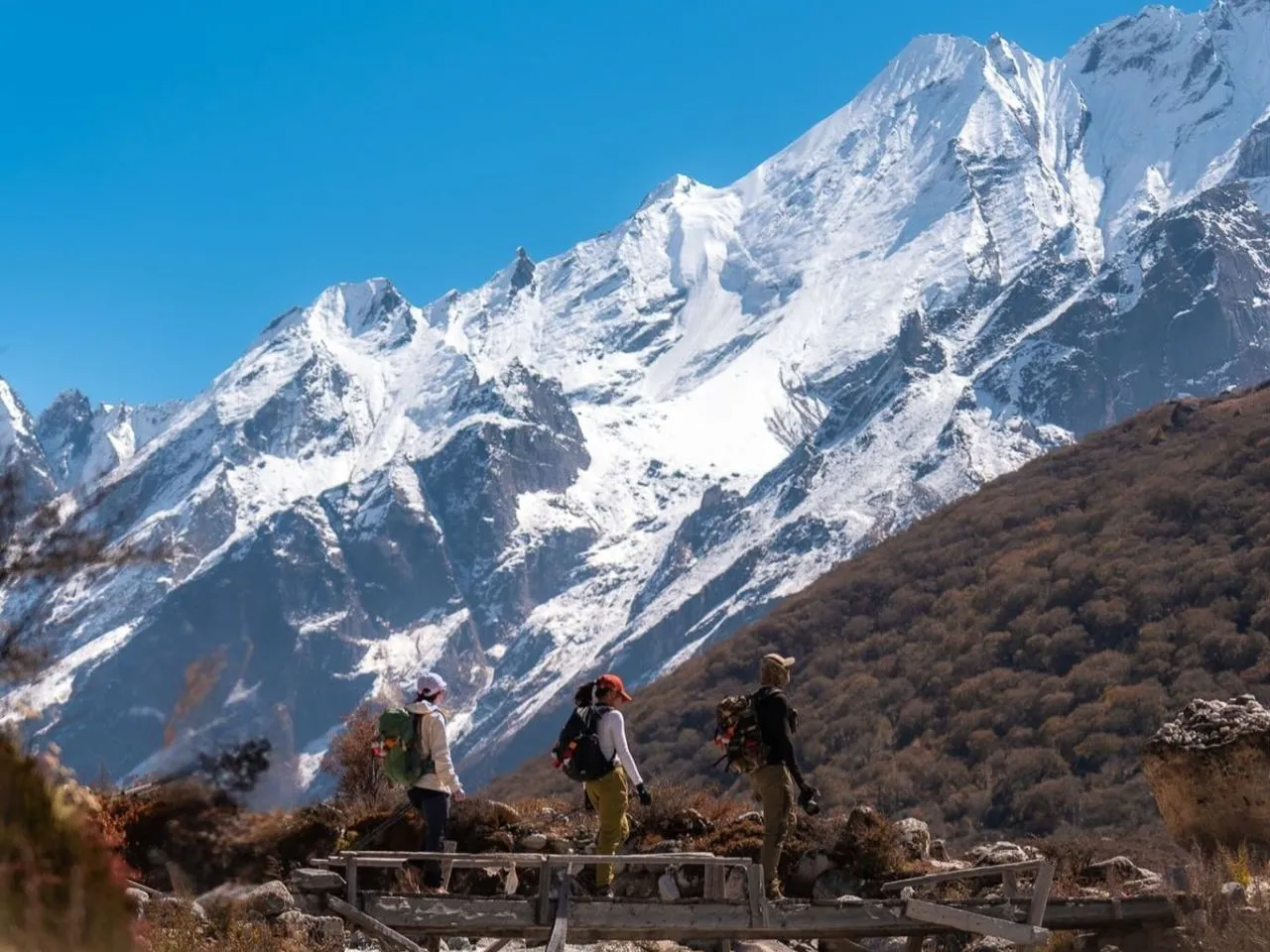
Langtang Luxury Trek – 10 Days
Langtang Luxury Trek – 10 Days
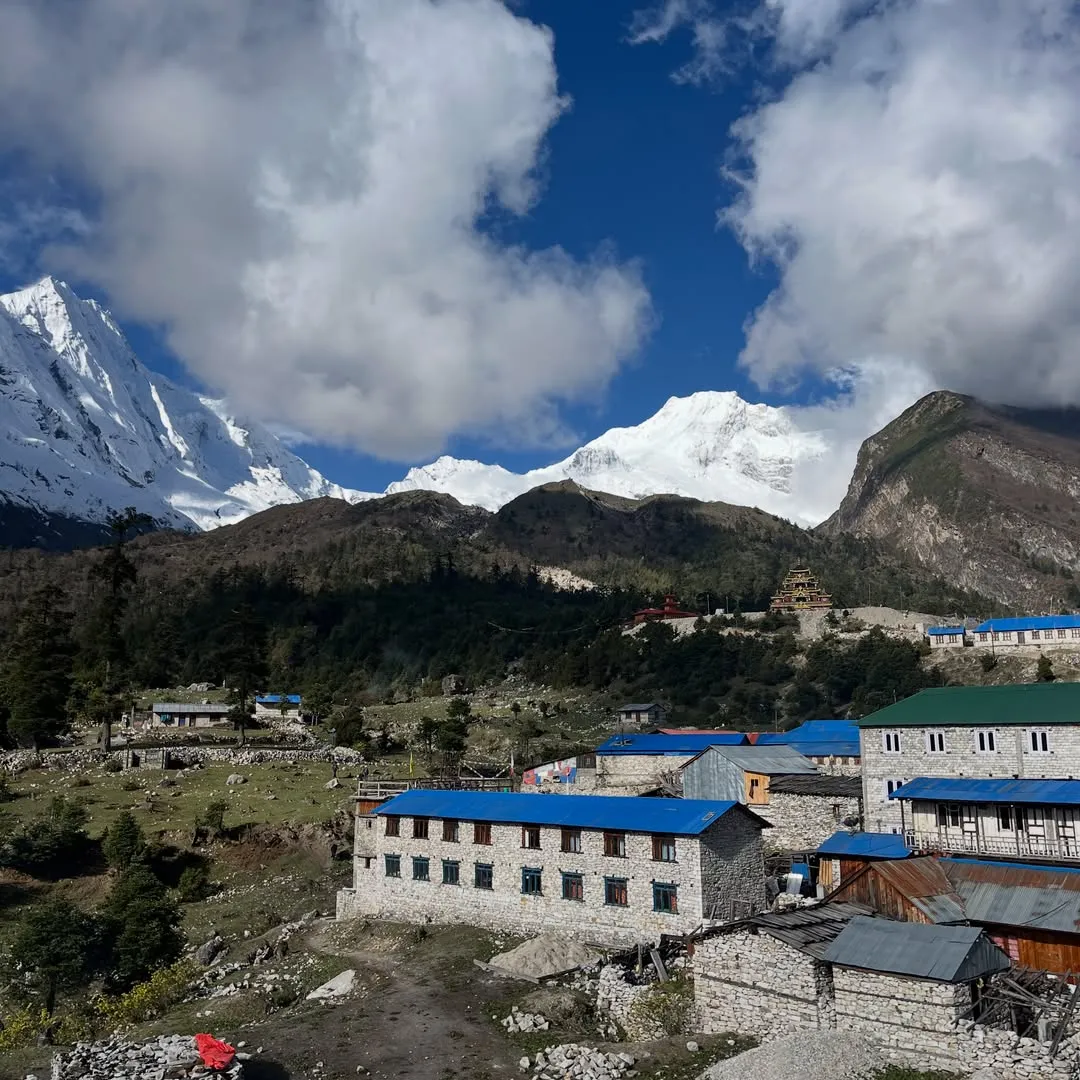
Manaslu Family Trek – 12 Days
Manaslu Family Trek – 12 Days
Manaslu Luxury Trek – 14 Days
Manaslu Luxury Trek – 14 Days

Manaslu Photography Trek – 17 Days
Manaslu Photography Trek – 17 Days
 English
 Deutsch
 Svenska
 Dansk
Dansk Русский
 Français
 Português
 Español
 Polski
 简体中文
简体中文 日本語
日本語 ไทย
ไทย العربية
 한국어
한국어