
-
Flight
-
Max 6
-
5545
-
Star Hotel, Tea House, Base Camp
-
Moderate to High
-
Kathmandu
-
Kathmandu
-
Spring (March to May) brings warming weather, rhododendron blooms, and reliable mountain visibility. Autumn (September to November) offers the clearest skies, crisp air, and stable trekking conditions. Winter (December to February) is cold but possible on lower routes. Summer monsoon (June to August) brings rain and obscured views.
-
Live Personal Trekking Guide
-
Trekking
-
English
-
Includes (BLD)
-
Sagarmatha National Park Entry Permit, Khumbu Pasang Lhamu Rural Municipality Entry Permit, TIMS Card. Drone permits arranged separately on request.
Comprehensive 16-day filming expedition covering all major Khumbu locations.. Three Passes (Renjo La, Cho La, Kongma La) plus Gokyo Lakes and Everest Base Camp.. Film-friendly crew with porters trained to carry camera cases safely.. Solar panel charging stations at high camps for continuous battery power.. Sherpa subject interviews with English translation by our guide..
Highlights
- T
- h
- i
- s
- i
- s
- t
- h
- e
- o
- n
- l
- y
- c
- o
- m
- p
- r
- e
- h
- e
- n
- s
- i
- v
- e
- K
- h
- u
- m
- b
- u
- f
- i
- l
- m
- i
- n
- g
- e
- x
- p
- e
- d
- i
- t
- i
- o
- n
- i
- n
- N
- e
- p
- a
- l
- d
- e
- s
- i
- g
- n
- e
- d
- b
- y
- w
- o
- r
- k
- i
- n
- g
- d
- o
- c
- u
- m
- e
- n
- t
- a
- r
- y
- p
- r
- o
- d
- u
- c
- e
- r
- s
- .
- O
- u
- r
- c
- r
- e
- w
- h
- a
- s
- s
- u
- p
- p
- o
- r
- t
- e
- d
- p
- r
- o
- d
- u
- c
- t
- i
- o
- n
- s
- f
- o
- r
- B
- B
- C
- ,
- N
- e
- t
- f
- l
- i
- x
- ,
- R
- e
- d
- B
- u
- l
- l
- ,
- a
- n
- d
- i
- n
- d
- e
- p
- e
- n
- d
- e
- n
- t
- d
- o
- c
- u
- m
- e
- n
- t
- a
- r
- i
- e
- s
- .
Videography Expedition Nepal – 16 Days Itinerary
Arrival and equipment check. Evening welcome dinner with crew briefing.
Full-day production meeting with crew. Location scout consultation and shot list review.
Filming at the Hillary Bridge and Namche viewpoints.
Sunrise shoot at Everest View Hotel. Sherpa interviews.
Afternoon monastery filming with permission. Evening chanting ceremony.
Sunset shoot of Lhotse south face and Island Peak.
Cross the first of the Three Passes (Kongma La, 5,535m).
Afternoon filming at Everest Base Camp.
Pre-dawn climb to Kala Patthar. Multiple takes as light changes.
Cross the second pass (Cho La, 5,420m). Lake reflection filming.
Pre-dawn climb to Gokyo Ri for sunrise on Everest, Lhotse, Makalu, and Cho Oyu.
Cross the third pass (Renjo La, 5,360m).
Final trekking day. Celebration dinner.
Morning flight to Kathmandu. Equipment cleaning.
Transfer to international airport.
What is Included in the Videography Expedition Nepal
- All airport pickups and drops in private vehicle
- Kathmandu hotel (3 nights, B&B) with welcome and farewell dinners
- Domestic flights where applicable to itinerary
- All ground transport in private vehicle
- All necessary permits (TIMS, National Park, Conservation Area, Restricted Area where applicable)
- Three meals daily (BLD) during the trek with tea/coffee
- Tea house or camping accommodation during the trek
- Experienced English-speaking trekking guide and assistant guide for groups of 6+
- Porters (1 per 2 trekkers, 15kg luggage allowance) with full insurance
- Sleeping bag, down jacket, and duffel bag (refundable deposit)
- First-aid kit, pulse oximeter, and emergency oxygen
- Satellite phone for emergency communications
- All government and local taxes
- Film-friendly crew with porters trained for camera cases
- Solar charging stations at high camps
- Dedicated base camp at Gorak Shep for 3 nights
- English translation for Sherpa subject interviews
- Pre-expedition location scout consultation
What is Not Included in the Videography Expedition Nepal
- International airfare to and from Kathmandu
- Nepal visa fee (USD 30 for 15 days, USD 50 for 30 days)
- Travel and high-altitude rescue insurance (mandatory)
- Personal trekking gear and clothing
- Hot showers, Wi-Fi, device charging, and alcoholic beverages
- Lunch and dinner in Kathmandu
- Tips for guide, porter, and driver (recommended 10-15% of trip cost)
- Costs from unforeseen events (weather, flight delays, route changes)
- Camera and audio equipment
- Drone permits (USD 500-1000 if required)
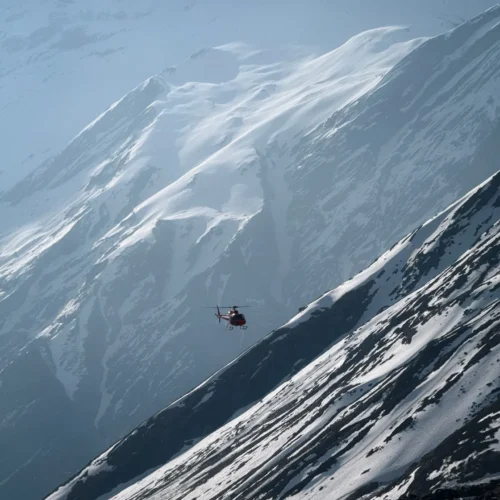
- Helicopter extraction (optional, USD 2000-3000)
Things to Carry for Videography Expedition Nepal
Headwear
- Warm fleece or wool beanie hat (essential for cold mornings)
- Sun hat with wide brim for UV protection
- Neck gaiter or buff (multi-purpose for dust, wind, cold)
- Sunglasses with UV protection (Category 3 or 4)
- Ski goggles for high-altitude passes and snow
Upper Body Layering
- 2x merino wool base layers (long sleeve)
- 1x mid-layer fleece jacket
- 1x soft shell jacket for wind and light rain
- 1x hard shell jacket with hood (Gore-Tex)
- 1x down jacket rated to -25C (we provide rental for USD 20)
Lower Body
- 2x trekking pants (quick-dry, one convertible)
- 1x thermal bottom layer for cold nights
- 1x rain pants (Gore-Tex)
- 2x merino wool underwear
- 1x swimwear (for hot springs)
Hands
- 1x thin liner gloves (merino or fleece)
- 1x insulated waterproof gloves
- 1x expedition mittens for passes above 5,000m
Footwear
- 1x sturdy trekking boots (broken in for 50+ km, waterproof)
- 1x camp shoes or sandals for evenings
- 4-5x pairs merino wool trekking socks
- 2x pairs liner socks
- Gaiters for snow, scree, and mud
Sleeping Gear
- 1x 4-season sleeping bag rated to -20C (we provide rental for USD 30)
- 1x sleeping bag liner (silk or fleece)
Trekking Equipment
- 1x trekking poles pair (essential for descents, we provide rental for USD 15)
- 1x headlamp with spare batteries (200+ lumens)
- 1x 20-30L day pack
- 1x large duffel bag 80-100L (we provide free)
- 1x dry bag for electronics
- 1x water bottle or hydration bladder (2L minimum)
First Aid & Health
- Personal prescription medications (with doctor’s letter)
- Diamox for altitude sickness (consult your doctor)
- Ibuprofen and paracetamol
- Imodium for stomach issues
- Rehydration sachets (ORS)
- Blister treatment (Compeed, moleskin)
- Antiseptic wipes and bandages
- Lip balm with SPF 30+
- Sunscreen SPF 50+ (bring 2 tubes)
- Insect repellent (DEET 30-50%)
- Hand sanitizer
- Toilet paper and wet wipes
Electronics
- Camera with extra batteries (cold drains fast, bring 2-3 spares)
- Power bank (20,000mAh minimum)
- Universal power adapter (Nepal 220V, Type C/D/M)
- Headphones
- eReader or book
Documents
- Valid passport (6+ months validity, 4 extra passport photos)
- Travel insurance certificate (covering trekking to 5545m)
- Flight tickets
- Credit cards and USD cash
- Emergency contacts
What We Provide (Rental)
- 4-season sleeping bag (rental USD 30 with deposit)
- Down jacket (rental USD 20 with deposit)
- Duffel bag for porter carriage (free, you keep it)
- Trekking poles (rental USD 15)
- First-aid kit, pulse oximeter, emergency oxygen
- Water purification tablets
- Satellite phone on remote treks
Related Packing Guides
Read our detailed packing guides: Australian Budget Everest Base Camp Flights Insurance Tips Gear, Everest Base Camp Trek Gear Rental Kathmandu, Rupina La Trek Gear List Remote, Tamang Heritage Trail Packing List Spring Autumn.
Note: Pack light. Porter weight limit is 15kg per trekker. Layers are key for mountain weather. We send a detailed seasonal packing list after booking.
Know Before You Book – Videography Expedition Nepal Information
Trip Name: Videography Expedition Nepal – 16 Days
Duration: 16 days
Difficulty: Hard
Maximum Altitude: 5545m
Group Size: Max 6
Difficulty & Fitness
This trek is rated Hard. Hard treks involve 6-8+ hours of walking daily at high altitude. Previous high-altitude experience strongly recommended. The maximum altitude is 5545m. You need a fitness level of Moderate to High – cardio training 3-4 times weekly for 8-12 weeks before departure, hill walking with a day pack, and core strength exercises.
Read our difficulty guides: Everest Vs Annapurna Base Camp Difficulty Scenery, Renjo La Pass Vs Everest Base Camp Scenery Difficulty.
Best Time to Go
Spring (March to May) brings warming weather, rhododendron blooms, and reliable mountain visibility. Autumn (September to November) offers the clearest skies, crisp air, and stable trekking conditions. Winter (December to February) is cold but possible on lower routes. Summer monsoon (June to August) brings rain and obscured views.
Read our seasonal guides: Everest View Trek Best Season Visibility, Everest Base Camp October Weather.
Accommodation & Meals
Accommodation: Star Hotel, Tea House, Base Camp. Tea houses are family-run lodges with simple twin-share rooms and shared bathrooms. Luxury lodges (where available) offer heated ensuite rooms. 3-star or higher hotel in Kathmandu with breakfast. Three meals daily (BLD) included during treks with tea and coffee. Vegetarian options widely available.
Transportation
Transport: Flight. Domestic flights (where applicable) are weather-dependent – build 1-2 buffer days into your schedule. Private ground transport uses comfortable AC vehicles.
Flight and transport guides: Everest View Trek Lukla Flight Delays, Lukla Flight Buffer Days Everest Base Camp.
Required Permits
Sagarmatha National Park Entry Permit, Khumbu Pasang Lhamu Rural Municipality Entry Permit, TIMS Card. Drone permits arranged separately on request. We arrange all permits on your behalf once we receive your passport copy and 4 passport-size photos after booking. Permit fees are included in your trip cost.
Permit guides: Everest Base Camp Permits 2027, Everest View Trek Permits.
Altitude Safety
Maximum altitude is 5545m. Above 3,500m, altitude sickness is a real risk. Our itinerary includes acclimatization days, guides carry pulse oximeters and emergency oxygen. Walk slowly, stay hydrated (3-4 liters daily), avoid alcohol above 3,500m, report symptoms immediately. Travel insurance covering helicopter evacuation is mandatory.
Altitude safety guides: Lukla Flight Delays Risk Everest Base Camp, Everest Base Camp Package Scenery Safety Value.
Training & Preparation
Read our training guides: Everest Base Camp Trek 12 Week Training, Everest View Trek Mixed Ability Group Fitness.
Insurance Requirement
Travel insurance is mandatory for all our treks and tours. Your insurance must cover trekking to 5545m altitude (for treks), emergency helicopter evacuation up to USD 10,000, emergency medical treatment, and trip cancellation. We recommend World Nomads, IMG Global, or Allianz Adventure plans. Bring a printed copy of your insurance certificate.
Insurance guides: What Cancellation Terms And Travel Insurance Details Matter Before Booking A Ren, Kanchenjunga North Base Camp Insurance Needed.
Cultural Etiquette
Dress modestly at religious sites (cover shoulders and knees). Remove shoes before entering temple sanctums. Walk clockwise around stupas and chortens. Ask permission before photographing people. Use your right hand for eating and passing items. Say namaste (palms together) as a greeting.
Culture guides: Tamang Heritage Trail Vs Everest Annapurna Langtang, Remote Nepal Treks Culture Fewer Crowds.
Booking & Payment
To confirm your booking, a deposit is required (50% for helicopter tours). The balance is due 30 days before departure (7 days for helicopter tours). We accept bank transfer, credit card (4% surcharge), PayPal. Free cancellation up to 60 days before departure. We strongly recommend travel insurance covering trip cancellation. Contact us for current pricing and availability.
What is Not Included
International airfare to/from Kathmandu, Nepal visa fee (USD 30 for 15 days), travel and rescue insurance (mandatory), personal trekking gear and clothing, hot showers and device charging on trek, alcoholic beverages, lunch and dinner in Kathmandu, tips for guide/porter/driver (recommended 10-15% of trip cost), and any costs from unforeseen events like weather delays.
Frequently Asked Questions
This trek is rated Hard and requires excellent fitness and previous high-altitude experience, 6-8+ hours daily. The maximum altitude is 5545m. You need a fitness level of Moderate to High – cardio training 3-4 times weekly for 8-12 weeks before departure, hill walking with a day pack, and core strength exercises. Consult your doctor before booking if you have medical conditions.
Read more: Everest Base Camp Trek 12 Week Training.
Required permits: Sagarmatha National Park Entry Permit, Khumbu Pasang Lhamu Rural Municipality Entry Permit, TIMS Card. Drone permits arranged separately on request. We arrange all permits on your behalf once we receive your passport copy and 4 passport-size photos. You also need a Nepal visa (USD 30 for 15 days, obtained on arrival at Kathmandu airport) and travel insurance covering trekking to 5545m and helicopter evacuation. Bring your original passport, visa, insurance certificate, and photos to Nepal.
Related permit guides: Everest Base Camp Permits 2027.
Spring (March to May) brings warming weather, rhododendron blooms, and reliable mountain visibility. Autumn (September to November) offers the clearest skies, crisp air, and stable trekking conditions. Winter (December to February) is cold but possible on lower routes. Summer monsoon (June to August) brings rain and obscured views.
Above 3,500m, altitude sickness (AMS) affects 25-40% of trekkers. Our itinerary includes acclimatization days, guides carry pulse oximeters and emergency oxygen, and they are trained to identify early symptoms. Prevention: ascend slowly (no more than 300-500m sleeping altitude per day above 3,500m), drink 3-4 liters of water daily, avoid alcohol above 3,500m, eat light meals, and report any symptoms immediately. Travel insurance covering helicopter evacuation (USD 10,000) is mandatory.
Read our altitude safety guides: Lukla Flight Delays Risk Everest Base Camp, Everest Base Camp Package Scenery Safety Value.
Accommodation: Star Hotel, Tea House, Base Camp. Tea houses are family-run lodges with simple twin-share rooms and shared bathrooms. 3-star hotel in Kathmandu with breakfast. Three meals daily (BLD) are included during the trek with tea and coffee. Menu includes dal bhat, momos, noodles, soups, and seasonal vegetables. Vegetarian options are widely available.
Essential gear: 4-season sleeping bag (-15C to -20C), down jacket, broken-in trekking boots, merino base layers (2 sets), mid-layer fleece, hard shell jacket, trekking pants (2), warm hat, gloves, 4-5 pairs wool socks, headlamp, 2L water bottle, sunscreen SPF 50. We provide free rental: sleeping bag (USD 30 deposit), down jacket (USD 20 deposit), duffel bag, trekking poles, first-aid kit, and emergency oxygen. See the Things to Carry tab above for the complete list.
Packing guides: Australian Budget Everest Base Camp Flights Insurance Tips Gear.










 English
 Deutsch
 Svenska
 Dansk
Dansk Русский
 Français
 Português
 Español
 Polski
 简体中文
简体中文 日本語
日本語 ไทย
ไทย العربية
 한국어
한국어