
resposta rápida
A shorter Tsum Valley itinerary of 10 to 12 days increases altitude risk because the standard route gains 1,800 m in 5 days from Machha Khola 870 m to Mu Gompa 3,700 m. The 14 to 16 day itinerary allows 2 acclimatisation days above 3,000 m and is safer. Trekkers on a 10 day itinerary have a 25 to 35 percent chance of mild altitude symptoms, compared with 5 to 10 percent on a 14 day itinerary. Anyone on a short itinerary should carry acetazolamide and rest at Chhokangparo 3,030 m.
Detalhamento detalhado
The Tsum Valley Trek branches off the Manaslu Circuit at Lokpa 2,240 m and climbs through Chhokangparo 3,030 m, Nile 3,360 m, and Mu Gompa 3,700 m, with optional day trips to Ganesh Himal Base Camp 4,200 m or Tibet border at 4,400 m. The standard 14 to 16 day itinerary includes 2 acclimatisation days at Chhokangparo and Mu Gompa, plus a Ganesh Himal view point side trip. Trekkers gain 2,830 m from Soti Khola 870 m to Mu Gompa 3,700 m over 6 to 8 walking days.
A shorter 10 to 12 day itinerary skips the second acclimatisation day and side trips. Trekkers walk from Soti Khola to Mu Gompa in 5 days, gaining 2,830 m at 566 m per day above 3,000 m, 3 times the recommended 150 m. The risk profile changes from low to moderate. Mild acute mountain sickness symptoms, including headache, nausea, and poor sleep, occur in 25 to 35 percent of trekkers on the 10 day itinerary, per 2025 Manaslu guide service reports. Severe symptoms occur in 2 to 4 percent.
Distribuição de custo/componente
| componente | detalhe | custo USD |
|---|---|---|
| Permissão de área restrita de Manaslu | Per week, Spring and Autumn | $70 |
| Permissão de área restrita para o Vale de Tsum | Per week | $35 |
| Permissão da Área de Conservação de Manaslu (MCAP) | por pessoa | $30 |
| cartão tims | por pessoa | $10 |
| Private jeep Kathmandu to Soti Khola each way | 6 horas | $120 a $180 |
| Lodge full board per day | Room, 3 meals | $25 a $35 |
| guia por dia | por grupo | $35 |
| Porter per 2 trekkers per day | Carries 25 kg | $25 |
| Acetazolamide course 125 mg | 10 day course | $15 a $25 |
| oxímetro de pulso | Fingertip, battery | $25 a $45 |
| Total per person 14 days | Group of 2, with guide | $1.200 a $1.800 |
O que afeta a resposta
Itinerary length is the biggest factor. The 14 to 16 day itinerary allows 2 acclimatisation days above 3,000 m and a side trip, letting the body adapt. The 10 to 12 day itinerary skips these, raising risk. Trekkers should add at least 1 acclimatisation day at Chhokangparo 3,030 m on any itinerary under 14 days, costing USD 35 to USD 50 in extra lodge and food.
Personal altitude history also matters. Trekkers who have slept at 4,000 m before without symptoms tolerate a shorter itinerary better. Trekkers with no prior altitude experience, or with prior altitude sickness, should choose the 14 to 16 day itinerary. Anyone with severe altitude sickness history should avoid the 10 day itinerary entirely.
Dicas de reserva
Book the Manaslu and Tsum Valley permits through a registered agency at least 3 weeks ahead, because both are restricted area permits requiring a guide and group of 2 or more. Confirm the itinerary includes a rest day at Chhokangparo 3,030 m, even on a short itinerary. Carry acetazolamide 125 mg, taken twice daily from day 3, and a pulse oximeter to track blood oxygen. Plan a buffer day at Mu Gompa 3,700 m for weather or symptoms.
Comparação com alternativas
Compared with Manaslu Circuit, Tsum Valley is 2 to 4 days shorter, 600 m lower maximum altitude, and has similar lodge standards. Compared with Langtang Valley, Tsum Valley is 4 to 6 days longer, 700 m higher, and requires restricted area permits. Compared with Annapurna Circuit, Tsum Valley has 80 percent fewer trekkers and 1,000 m less total elevation gain.
Erros comuns a evitar
Trekkers often book a 10 day itinerary to save USD 300, then descend early with altitude sickness. A second mistake is flying to Kathmandu from sea level and starting 2 days later, which shortens acclimatisation. A third is ignoring poor sleep at Chhokangparo, an early altitude symptom. A fourth is taking acetazolamide only after symptoms start, when it is less effective.
FAQ
What is the minimum safe itinerary for Tsum Valley? 14 days, including 2 acclimatisation days at Chhokangparo 3,030 m and Mu Gompa 3,700 m. A 10 to 12 day itinerary raises altitude sickness risk to 25 to 35 percent.
How high does the Tsum Valley Trek go? 3,700 m at Mu Gompa on the standard route. Optional day trips reach 4,200 m at Ganesh Himal Base Camp or 4,400 m at the Tibet border.
Do I need acetazolamide? On a 14 day or longer itinerary, no. On a 10 to 12 day itinerary, yes, 125 mg twice daily from day 3. Consult a travel doctor before departure.
How common is altitude sickness on Tsum Valley? 5 to 10 percent mild symptoms on the 14 day itinerary, 25 to 35 percent mild on the 10 day. Severe symptoms occur in 1 to 4 percent depending on itinerary and acclimatisation.
resumo
A shorter Tsum Valley itinerary of 10 to 12 days raises altitude sickness risk to 25 to 35 percent, compared with 5 to 10 percent on the 14 day itinerary. The 14 to 16 day route allows 2 acclimatisation days and is safer. Carry acetazolamide on any itinerary under 14 days.
conclusão
Trekkers in 2027 to 2030 should choose the 14 to 16 day Tsum Valley itinerary whenever possible. If time is short, add an acclimatisation day at Chhokangparo 3,030 m, carry acetazolamide 125 mg twice daily from day 3, and monitor blood oxygen with a pulse oximeter. Avoid the 10 day itinerary if you have no prior altitude experience.
Pacotes de Trek recomendados
Trekking Places para explorar
Explore Trips in Nepal
Hand-picked guided trips to this destination
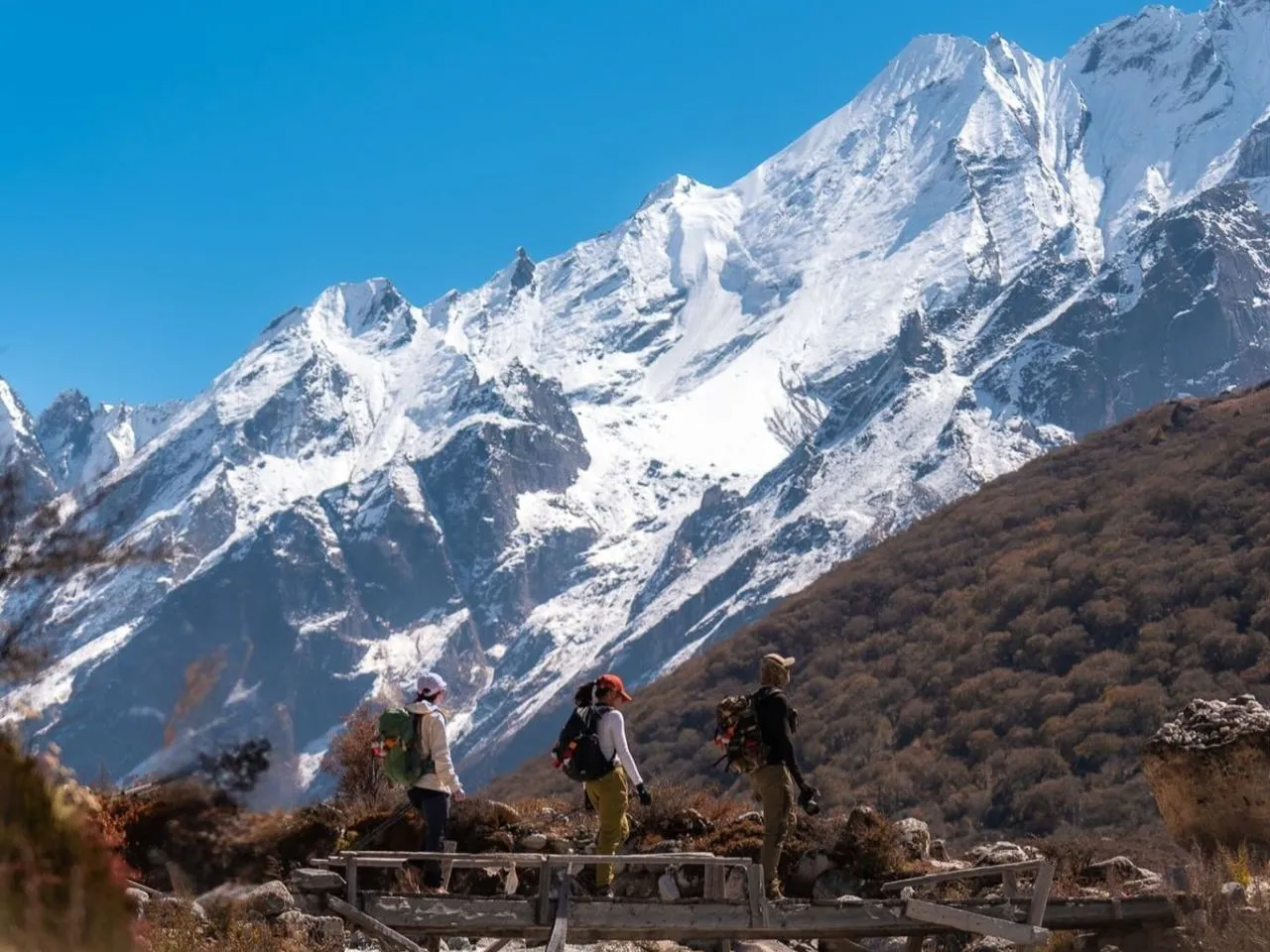
Trek de luxo Langtang – 10 dias
Trek de luxo Langtang – 10 dias
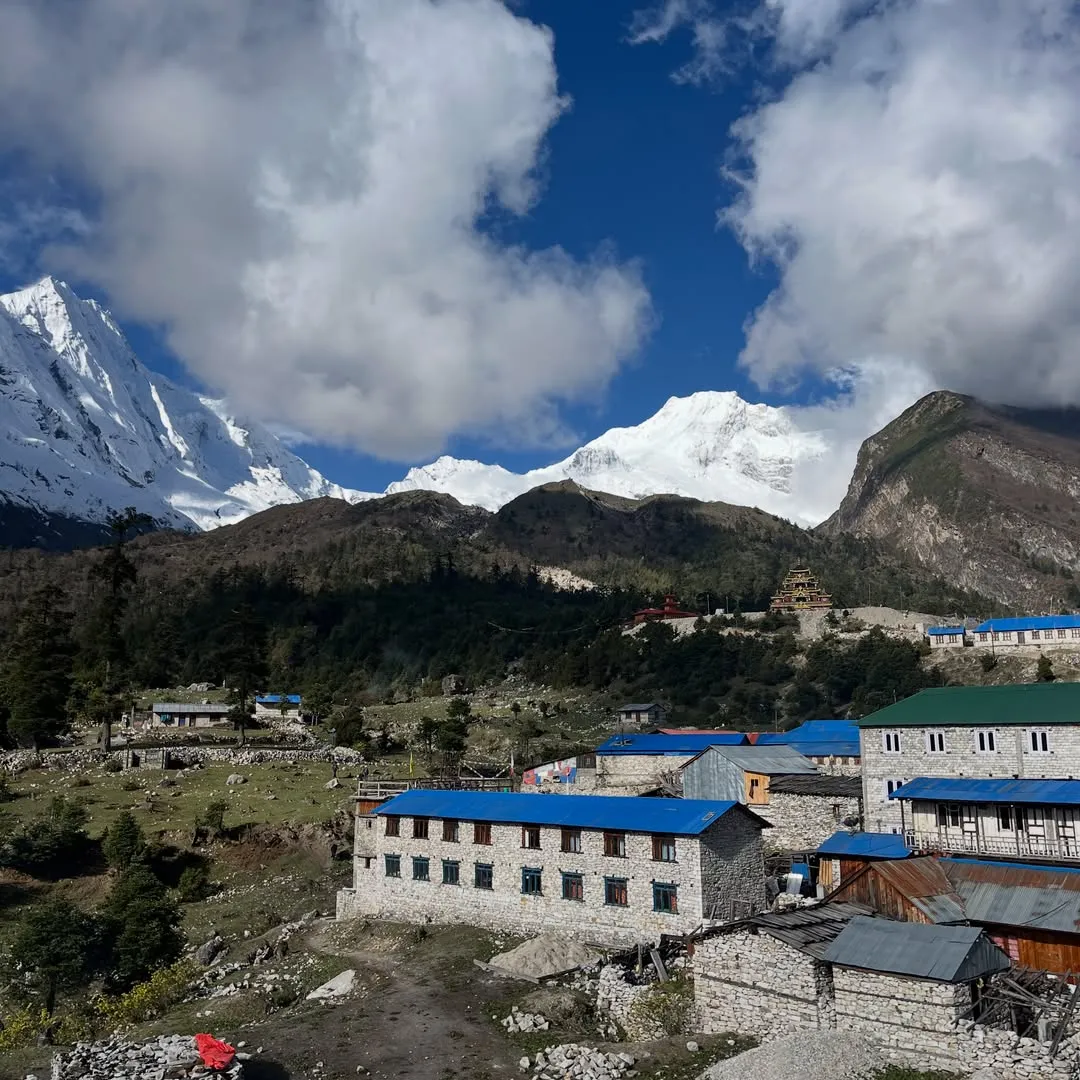
Trek em família Manaslu – 12 dias
Trek em família Manaslu – 12 dias
Trek de luxo em Manaslu – 14 dias
Trek de luxo em Manaslu – 14 dias

Trek de fotografia de Manaslu – 17 dias
Trek de fotografia de Manaslu – 17 dias
 English
 Deutsch
 Svenska
 Dansk
Dansk Русский
 Français
 Português
 Español
 Polski
 简体中文
简体中文 日本語
日本語 ไทย
ไทย العربية
 한국어
한국어