
Quick Answer
Jomsom transport issues include wind related flight cancellations after 11 am, monsoon road closures between Beni and Jomsom, and occasional jeep strikes over fuel prices. Trekkers should plan one buffer day in Jomsom, carry 30,000 NPR cash for a backup jeep to Pokhara, and book the first morning flight to or from Jomsom to avoid wind scrubs.
Detailed Breakdown
Jomsom sits at 2,743 m in the Kali Gandaki valley, the windiest corridor in Nepal. Daily winds build from 9 am and reach 60 to 80 km per hour by noon, forcing airlines to cancel afternoon flights between Jomsom and Pokhara. Morning flights before 9 am have an 85 percent completion rate, afternoon flights under 40 percent.
The road between Beni and Jomsom, completed in 2017, is a 9 hour jeep ride in dry conditions but closes during monsoon (June to September) due to landslides. Even in shoulder seasons, sections of the road require walking across active landslide zones.
Jeep strikes over fuel prices or road maintenance happen 2 to 4 times per year and can delay departure by 1 to 3 days. The Annapurna Circuit's growing popularity means jeeps are often booked 2 to 3 days ahead in October.
Cost/Component Breakdown
| Component | Jomsom to Pokhara Options (2027) |
|---|---|
| Morning flight (recommended) | $125 to $140 |
| Afternoon flight (high risk) | $125 to $140, 60 percent cancellation rate |
| Shared jeep to Beni plus bus to Pokhara | $30 to $45 per person, 11 to 13 hours |
| Private jeep to Pokhara | $250 to $350, 9 to 11 hours |
| Helicopter rescue charter (extreme backup) | $2,500 to $3,500 for 5 passengers |
| Buffer night lodging in Jomsom | $8 to $15 per night |
What Affects the Answer
Time of day matters most. Morning flights before 9 am complete 85 percent of the time, afternoon flights under 40 percent. Always book the first available flight.
Season matters. October and November have the most reliable Jomsom weather. June to September is monsoon with road closures. December to February has cold but clear conditions, with snow blocking the Thorong La pass at 5,416 m.
Group size affects backup options. Solo trekkers can take a shared jeep. Groups of 4 or more usually book a private jeep, which costs more but is faster.
Booking Tips
Book morning Jomsom to Pokhara flights 6 to 8 weeks ahead in October. The 7 am and 8 am slots sell out first.
Carry 30,000 to 50,000 NPR in cash for Jomsom. ATMs are unreliable and only dispense 10,000 to 20,000 NPR per transaction when working.
Pre book a backup jeep with your trek operator. If the flight cancels, the operator can dispatch a private jeep within 2 to 4 hours.
Build one buffer day in Jomsom at the end of your Annapurna Circuit or Jomsom Muktinath trek. This absorbs one day of flight delay without missing your international departure.
Comparison With Alternatives
The Annapurna Circuit ending in Besisahar instead of Jomsom avoids the wind issue entirely. The Jomsom Muktinath Trek flown one way and jeep the other balances cost and reliability. Walking out from Jomsom to Beni takes 2 to 3 days and is a backup when both flights and jeeps fail.
For 2027 and 2028 trekkers, the most reliable exit is a morning flight combined with a one day buffer. The cheapest is a shared jeep to Beni plus bus to Pokhara.
Common Mistakes to Avoid
Do not book an afternoon Jomsom to Pokhara flight. The cancellation rate exceeds 60 percent and rebooking adds 1 to 2 days.
Do not assume the road to Beni is open in monsoon. Check with your operator 24 hours before departure.
Do not arrive in Jomsom without buffer days before an international flight. Allow 2 buffer days between Jomsom and your departure from Kathmandu.
Do not rely on Jomsom ATMs. Carry cash from Pokhara or Kathmandu.
FAQ
Why are Jomsom flights cancelled so often?
Daily Kali Gandaki winds build from 9 am and exceed safe flying limits by noon, especially in spring and autumn.
How reliable is the jeep from Jomsom to Pokhara?
Reliable in dry season (October to May), 9 to 11 hours. Unreliable in monsoon (June to September) due to landslides.
Should I fly or jeep out of Jomsom?
Fly if you can book the 7 or 8 am slot. Jeep is the cheaper backup but takes 9 to 13 hours.
What if both flight and jeep fail?
Walk to Beni in 2 to 3 days, then bus to Pokhara. Rare but possible in monsoon.
How many buffer days should I plan?
One in Jomsom plus one in Kathmandu before international departure. This covers 90 percent of scenarios.
Summary
Jomsom transport issues stem from wind, monsoon road closures, and occasional jeep strikes. Trekkers should book morning flights, carry 30,000 NPR cash, pre book a backup jeep, and allow one buffer day in Jomsom before international departures.
Conclusion
For 2027 and 2028 trekkers exiting the Annapurna region through Jomsom, plan for wind and road variability. A morning flight plus a buffer day covers 95 percent of scenarios. Carry cash, pre book a backup jeep, and avoid afternoon flights.
Recommended Trek Packages
Trekking Places to Explore
Explore Trips in Nepal
Hand-picked guided trips to this destination
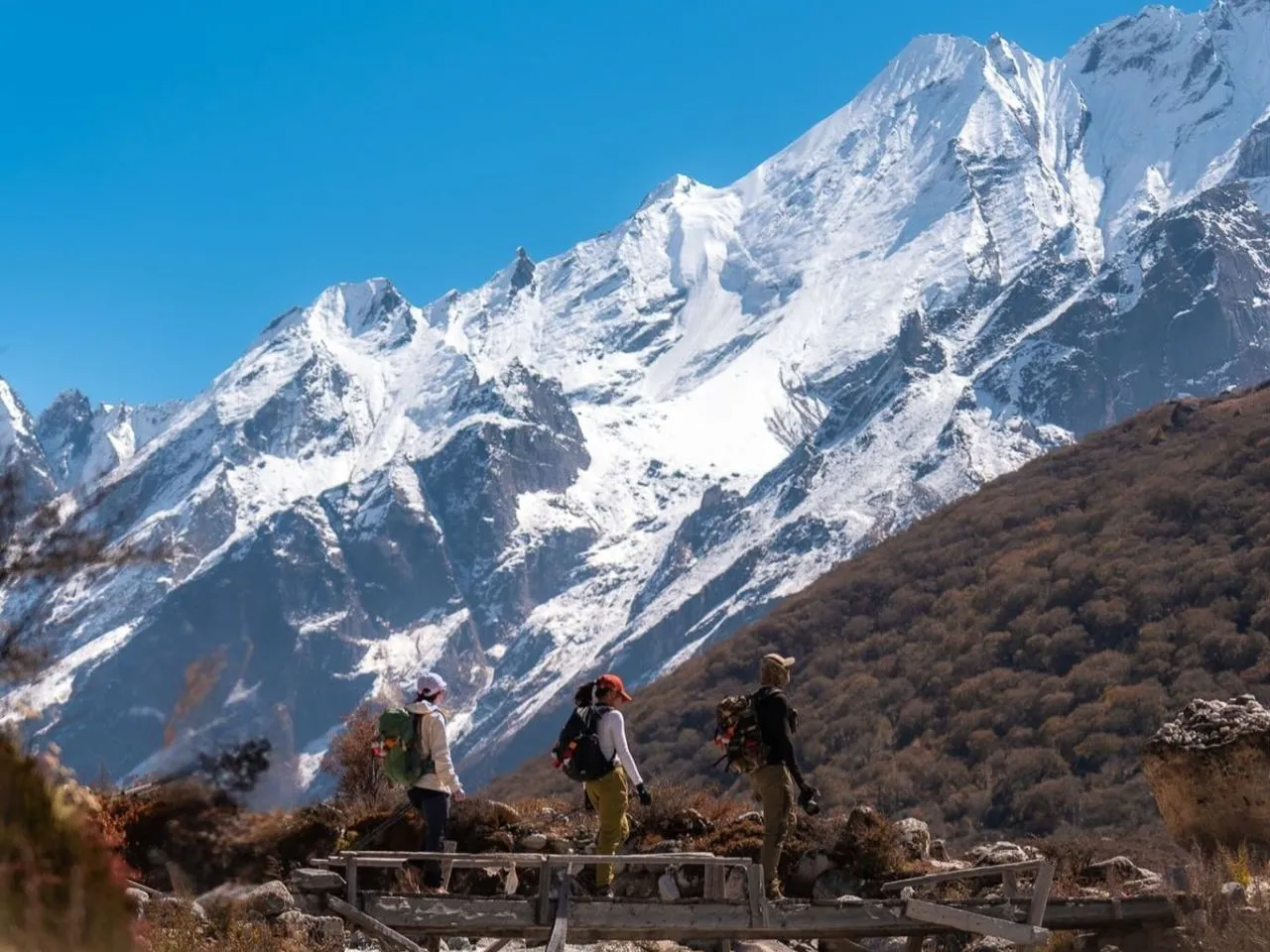
Langtang Luxury Trek – 10 Days
Langtang Luxury Trek – 10 Days
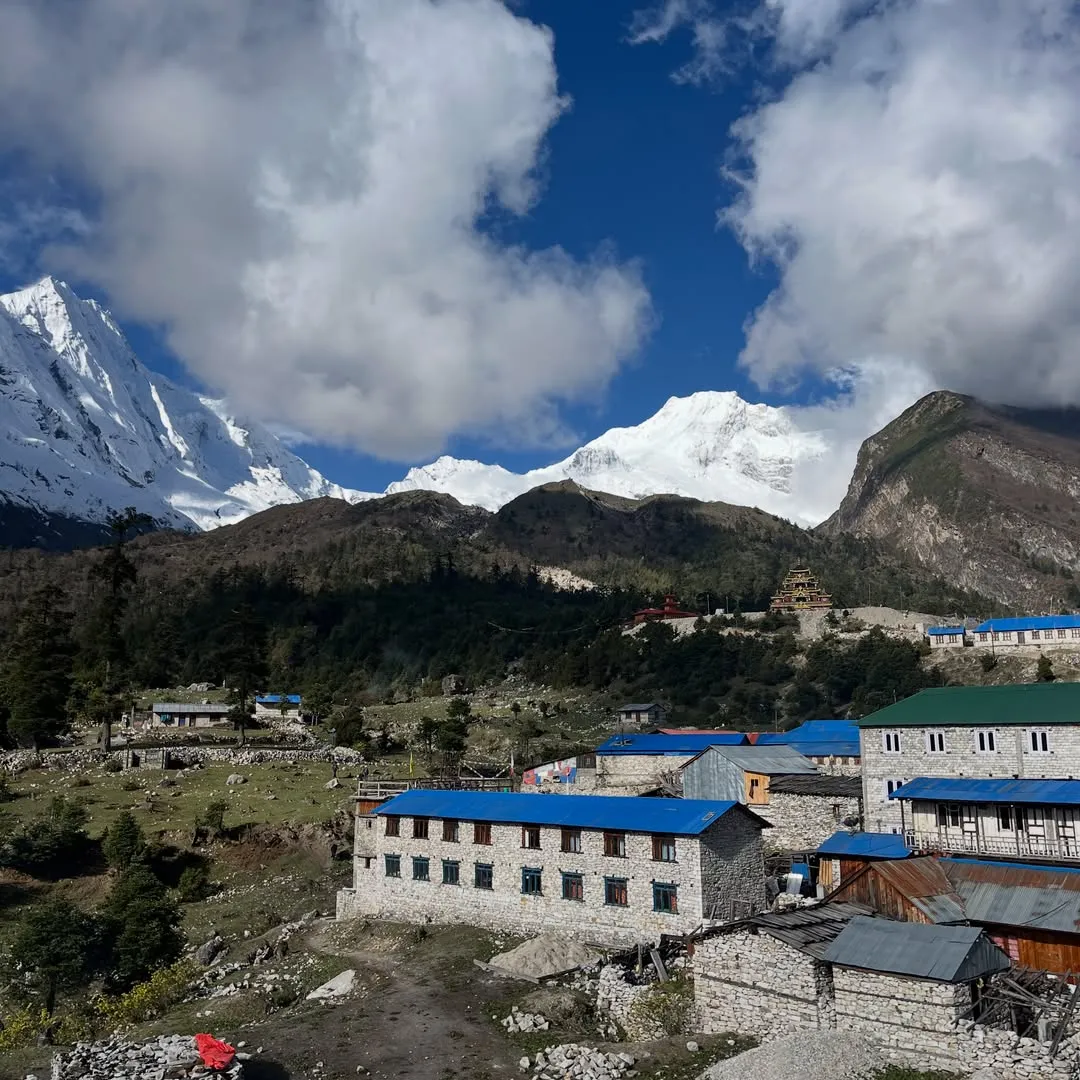
Manaslu Family Trek – 12 Days
Manaslu Family Trek – 12 Days
Manaslu Luxury Trek – 14 Days
Manaslu Luxury Trek – 14 Days

Manaslu Photography Trek – 17 Days
Manaslu Photography Trek – 17 Days
 English
 Deutsch
 Svenska
 Dansk
Dansk Русский
 Français
 Português
 Español
 Polski
 简体中文
简体中文 日本語
日本語 ไทย
ไทย العربية
 한국어
한국어