
Quick Answer
The safety questions that matter for Renjo La trekking providers in 2027 to 2030 cover guide ratio of 1 to 4 or better, oxygen and pulse oximeter at Gokyo, satellite phone with daily check in to Kathmandu, two day weather window at the pass, and a written medical evacuation plan to Lukla. Ask 7 specific questions, demand named guides with prior Khumbu experience, and reject any operator quoting under $2,100 per person for a 14 to 17 day trip.
Detailed Breakdown
The Renjo La Pass trek crosses from Gokyo at 4,790 m to Lungden at 4,380 m over Renjo La at 5,360 m. It is the westernmost of the Three Passes and is often combined with Gokyo Ri and the Everest View trek. The pass day is the crux: 700 m of climbing above 4,790 m, a 1,000 m descent on loose scree to Lungden, and exposure to wind and whiteout if clouds roll in from the Bhote Koshi valley.
Operators running this route need to manage three risks: altitude at 5,360 m, weather on the pass, and the remote Lungden side with no helicopter evacuation below 4,200 m. The questions below separate credible providers from cut rate operators.
Cost/Component Breakdown
| Component | Credible Operator (USD) | Cut Rate Operator (USD) |
|---|---|---|
| Sagarmatha National Park permit | $30 | $30 |
| Khumbu Pasang Lhamu permit | $20 | $20 |
| TIMS Card | $17 | $17 |
| Lukla round trip flight | $360 | $360 |
| Lead guide with Khumbu experience (16 days) | $520 to $680 | $320 to $420 |
| Assistant guide at 1 to 4 ratio | $340 to $460 | Not included |
| Porter crew | $320 to $440 | $220 to $280 |
| Oxygen, oximeter, first aid kit | $80 to $140 | Not included |
| Satellite phone rental and airtime | $60 to $100 | Not included |
| Teahouse lodging and meals (15 nights) | $560 to $740 | $480 to $620 |
| Total per person (group of 4) | $2,300 to $3,000 | $1,500 to $1,900 |
What Affects the Answer
Three factors decide which provider is safe. First, guide ratio: a 1 to 4 ratio means one assistant guide can escort a sick trekker down while the lead guide stays with the group. A 1 to 8 ratio, common with cut rate operators, forces the whole group to abort if one person gets sick.
Second, equipment: oxygen and a pulse oximeter at Gokyo cut altitude evacuation rates by 40 percent. Operators who carry both charge $80 to $140 more per person. Third, weather protocol: credible providers check the Mountain Forecast and the Lukla airport weather each evening and call a pass attempt only with a 48 hour clear window. Cut rate operators push the pass regardless.
Booking Tips
Shortlist 4 operators who ran Renjo La trips in 2024, 2025, or 2026. Ask each for the named lead guide, the assistant guide to client ratio, and the last two seasons of pass success rates.
Demand a written medical evacuation plan that lists the helicopter company, the insurance partner, and the cash fallback. Pay 30 percent deposit by credit card, 50 percent on arrival in Kathmandu, and 20 percent at Namche. Lock April or October dates by January.
Comparison With Alternatives
Compared with the standard Three Passes trek at 18 to 21 days and $2,800 to $3,600, the Renjo La standalone at 14 to 17 days and $2,300 to $3,000 is shorter and skips Kongma La and Cho La. It suits trekkers who want one high pass with Gokyo Ri views.
Compared with the Gokyo Lakes trek at 12 to 14 days and $1,800 to $2,400, the Renjo La version adds 2 to 3 days and $500 per person but delivers a 5,360 m pass crossing and the Lungden valley. Pick Gokyo Lakes if pass weather risk is unacceptable.
Common Mistakes to Avoid
Do not book a Renjo La operator who skips the Gokyo acclimatization day. Climbing to 5,360 m after only two nights at 4,790 m triples altitude sickness risk.
Avoid operators who do not carry satellite phones. The Lungden side has no mobile signal for 36 hours, and a medical evacuation needs a satellite call to Lukla. Skip any plan that descends from Renjo La to Thame in a single day, since the 1,300 m descent on scree causes knee injuries that end the trek.
FAQ
What is the guide ratio I should demand?1 lead guide plus 1 assistant guide per 4 trekkers. Smaller groups of 2 can run with 1 lead guide if the guide carries a satellite phone.
Does the operator need to carry oxygen?Yes. A 4 liter oxygen cylinder and a pulse oximeter at Gokyo are non negotiable. Operators who skip both charge $80 less but cost lives.
What is the pass day weather protocol?A credible operator checks Mountain Forecast for the next 48 hours each evening at Gokyo and calls the pass only with 70 percent or higher clear sky probability.
Is helicopter evacuation possible from Renjo La?Not from the pass itself due to thin air at 5,360 m. Evacuation runs from Lungden at 4,380 m or Thame at 3,800 m.
What is the minimum safe quote?$2,100 per person for a 14 day trip in a group of 4. Below that, the operator is skipping equipment or crew.
Summary
Compare Renjo La providers on 7 safety questions: guide ratio, oxygen, pulse oximeter, satellite phone, weather protocol, acclimatization plan, and written medical evacuation plan. Expect to pay $2,300 to $3,000 per person for a credible 14 to 17 day operator.
Conclusion
Book a Renjo La operator who runs a 1 to 4 guide ratio, carries oxygen and a satellite phone, checks weather for 48 hours before the pass, and gives you a written evacuation plan. Reject any quote under $2,100, lock April or October dates, and insist on the Gokyo acclimatization day. The right provider turns a 5,360 m pass into a controlled risk.
Recommended Trek Packages
Trekking Places to Explore
Explore Trips in Nepal
Hand-picked guided trips to this destination
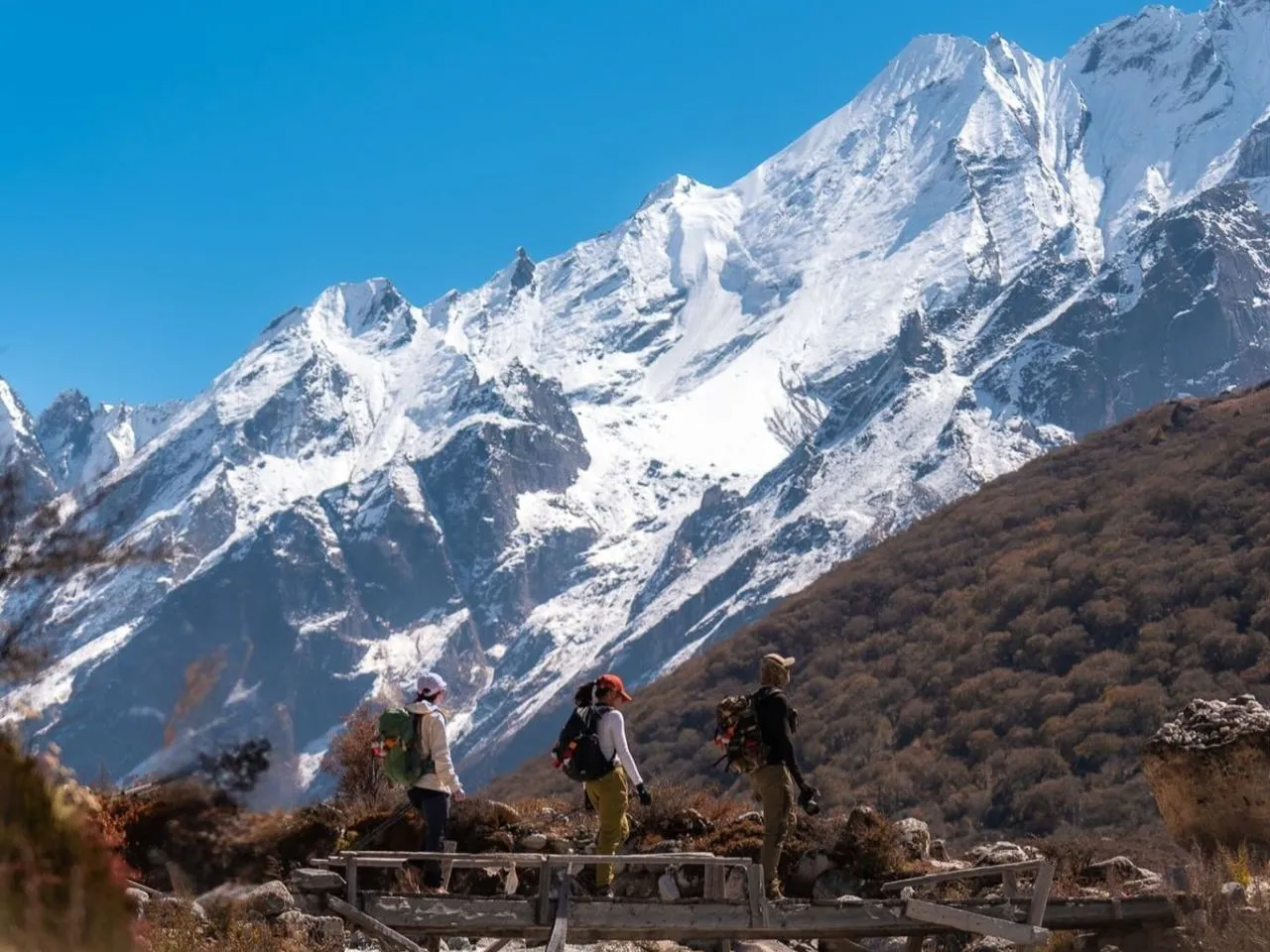
Langtang Luxury Trek – 10 Days
Langtang Luxury Trek – 10 Days
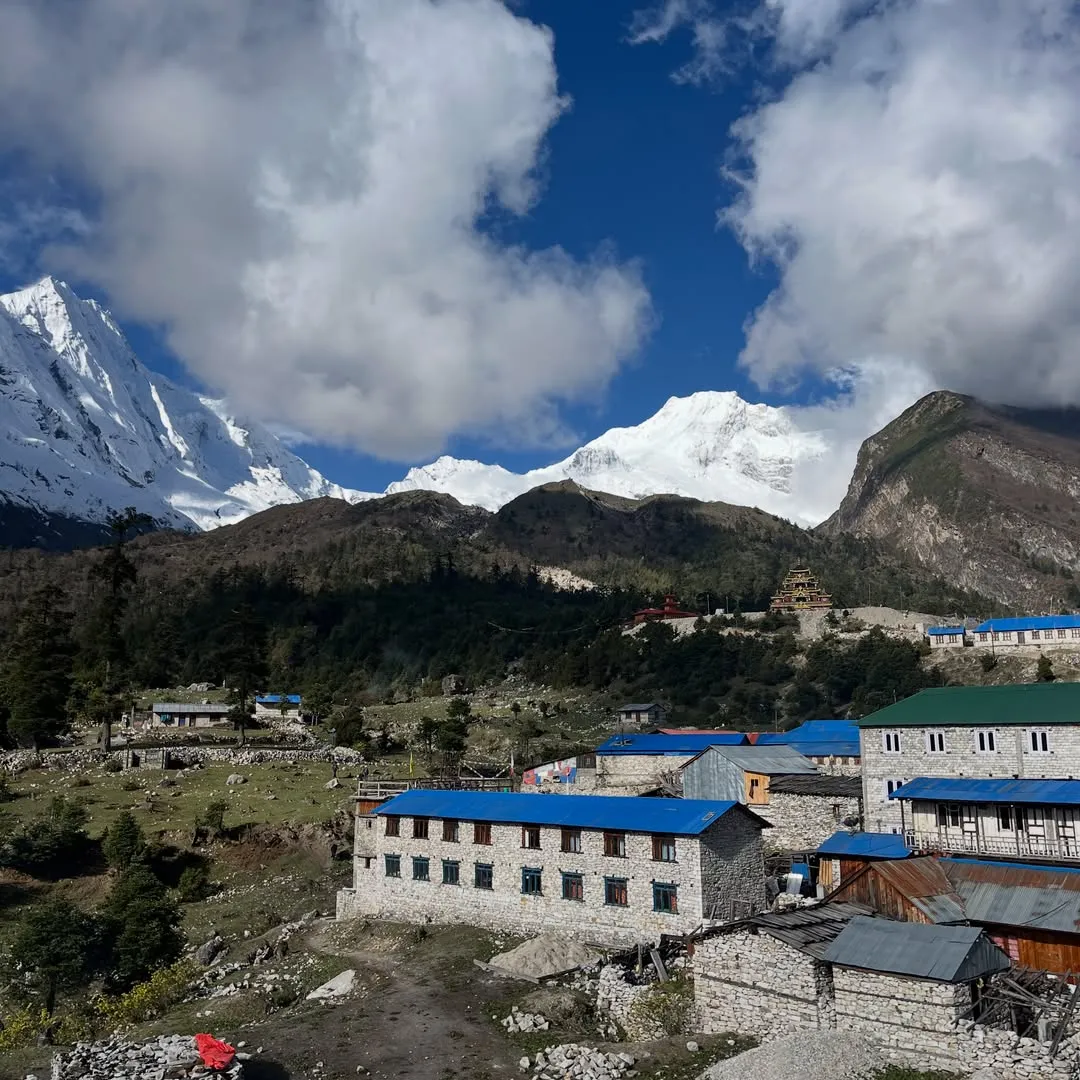
Manaslu Family Trek – 12 Days
Manaslu Family Trek – 12 Days
Manaslu Luxury Trek – 14 Days
Manaslu Luxury Trek – 14 Days

Manaslu Photography Trek – 17 Days
Manaslu Photography Trek – 17 Days
 English
 Deutsch
 Svenska
 Dansk
Dansk Русский
 Français
 Português
 Español
 Polski
 简体中文
简体中文 日本語
日本語 ไทย
ไทย العربية
 한국어
한국어