
Quick Answer
Before booking the Nar Phu Valley trek, confirm in writing that your guide has done the route at least five times, your porter carries travel and rescue insurance, your operator provides a satellite phone or Garmin inReach, and a helicopter rescue coordinator in Kathmandu has your trip details and insurance letter on file. Expect to pay $2,200 to $3,200 per person for a 16-day Nar Phu Valley trek in 2027.
Nar Phu is one of the most isolated valleys in Nepal, and the right support team is not optional, it is survival infrastructure.
Detailed Breakdown
Nar Phu Valley is a restricted area north of the Annapurna Circuit, opened in 2003, with two main villages (Nar and Phu) at 4,150m and 4,080m. The trek starts at Koto on the Annapurna Circuit, climbs through narrow gorges for three days to Phu, continues over the 5,306m Kang La to Nar, then rejoins the Annapurna Circuit at Ngawal. Most itineraries combine Nar Phu with the Annapurna Circuit or Tilicho Lake for a 16 to 22 day trip.
Three things make Nar Phu support different from a standard Annapurna trek. First, no road access past Koto, so porter injury means a long carry out. Second, no mobile signal past Meta, so satellite communication is essential. Third, very limited tea-house infrastructure at Phu and Nar, so a camping backup is sometimes needed. Your booking contract must address all three.
Cost / Component Breakdown
Here is a realistic 2027 cost table for a 16-day Nar Phu Valley plus Annapurna Circuit link trek for one trekker.
| Component | Cost per Person | Notes |
|---|---|---|
| Nar Phu restricted permit (7 days) | $90 to $100 | September to November peak rate |
| ACAP and TIMS permits | $50 to $60 | Combined Annapurna and Nar Phu |
| Guide and assistant for 16 days | $480 to $640 | Per person share in group of 2 |
| Porter for 16 days | $300 to $400 | One porter per two trekkers |
| Tea-house lodging and meals | $400 to $550 | Higher prices in remote Nar Phu |
| Satellite phone or inReach rental | $50 to $80 | Essential for Nar Phu |
| Helicopter rescue contingency | $0 if insured | Insurance must cover restricted area |
| Agency service fee | $300 to $450 | Variable |
| 16-day Nar Phu 2027 | $2,200 to $3,200 | Per person twin share |
Group departures drop to $1,800 to $2,400 per person.
What Affects the Answer
Guide experience is the single biggest variable. A guide who has done Nar Phu five or more times knows the river crossings, the alternates if Kang La is snowed in, and the safest camps. Porter insurance is mandatory on this route, because a porter injury at 4,500m requires a helicopter rescue and uninsured porters are sometimes abandoned. Season shifts the equation, with October and November having the best conditions but also the coldest nights at Phu. Group size affects cost dramatically, with solo trekkers paying $3,500 to $4,500.
- Guide experience: Minimum five Nar Phu circuits, verifiable through operator references.
- Porter insurance: Mandatory, costs $10 to $15 per porter for the trip.
- Satellite communication: Satellite phone or inReach, $50 to $80 rental.
- Season: October to November peak; March to May also good; December to February very cold.
- Group size: Two trekkers is the safest minimum; solo costs 50 percent more.
Booking Tips / Practical Advice
Ask the operator for the names and license numbers of the guide and porter proposed for your trip, and verify the guide license with the Trekking Agencies Association of Nepal. Confirm in writing that the porter is insured for helicopter rescue and carries proper cold-weather gear, because Nar Phu nights at Phu can drop to minus 10 Celsius even in October. Insist that the operator provides a satellite phone or inReach and that the rescue coordinator number is stored in the device.
Register your trip details with your insurance provider before departure, including the route, dates, and operator contact information, because helicopter rescue dispatch depends on prior authorization. Carry a personal locator beacon if you have one, because redundancy in communication saves lives when one device fails. Brief your guide on your medical history, allergies, and emergency contacts before the trek starts.
Comparison With Alternatives
Compared with Manaslu Circuit, Nar Phu is shorter, lower in maximum altitude (Kang La 5,306m versus Larkya La 5,160m), and more culturally Tibetan, but has weaker infrastructure and requires a satellite phone. Compared with Upper Mustang, Nar Phu is less expensive in permit fees ($90 versus $500), has more diverse scenery, but is harder to access. If you want a remote Tibetan-cultural trek with stronger infrastructure, Upper Mustang is the better choice; if you want the same cultural experience at lower cost, Nar Phu wins.
Common Mistakes to Avoid
Do not book Nar Phu with a guide who has never done the route, because the trail is unmarked in places and river crossings change with the season. Avoid operators that do not include porter insurance, because a porter injury at 4,500m becomes your financial and moral responsibility. Never trek Nar Phu without a satellite communication device, because mobile signal disappears past Meta and emergencies cannot be coordinated. Do not skip the rescue coordinator registration, because helicopters launch only with prior insurance authorization.
Frequently Asked Questions
Here are the questions trekkers ask us most about Nar Phu guide and rescue support.
Summary
Before booking Nar Phu Valley, confirm guide experience (five-plus circuits), porter insurance, satellite communication, and helicopter rescue coordination. Budget $2,200 to $3,200 per person for a 16-day trek in 2027. Verify guide license numbers, register with your insurer, carry a personal locator beacon, and brief your team on medical history. Nar Phu is remote enough that your support team is your safety net.
Conclusion
Nar Phu Valley rewards trekkers who treat their support team as infrastructure rather than as a checkbox on a booking form. Pay for the experienced guide, insure the porter, rent the satellite phone, and register with your insurer before departure. The valley is stunning, but the right team is what makes the trip safe, and the right contract is what makes the team possible. Book Nar Phu like a remote expedition, not a tea-house trek, and you will come home with stories worth telling.
Recommended Trek Packages
Trekking Places to Explore
Explore Trips in Nepal
Hand-picked guided trips to this destination
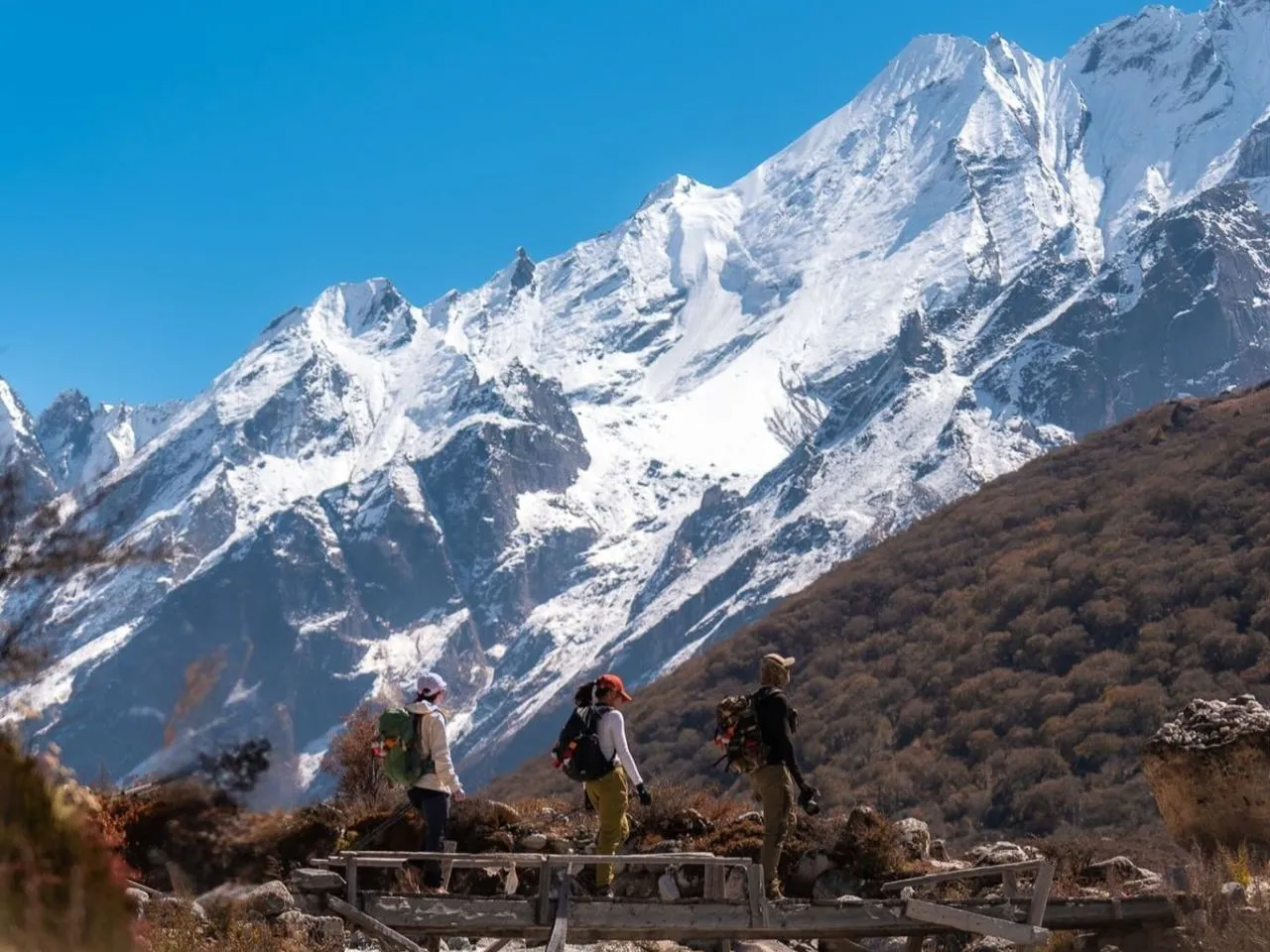
Langtang Luxury Trek – 10 Days
Langtang Luxury Trek – 10 Days
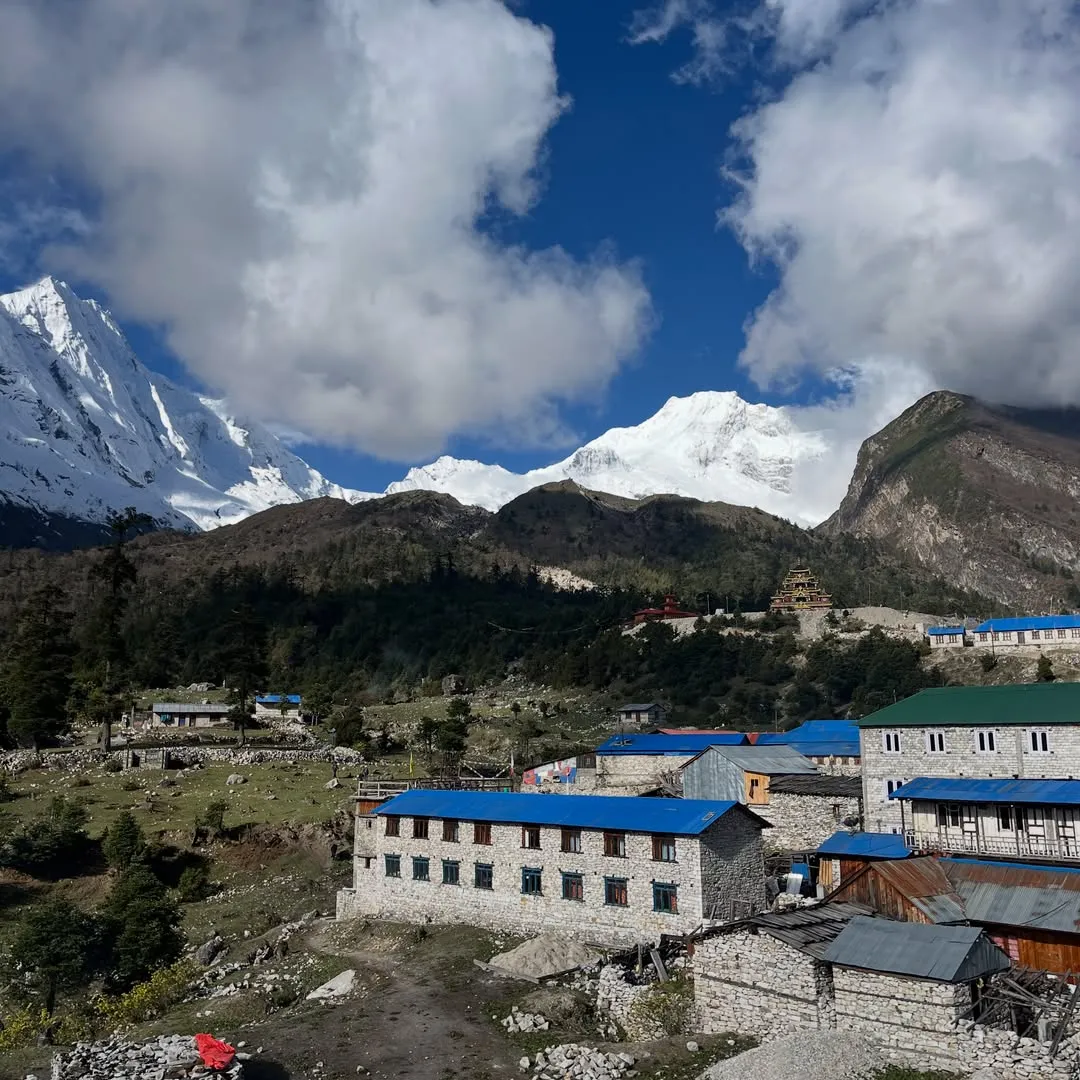
Manaslu Family Trek – 12 Days
Manaslu Family Trek – 12 Days
Manaslu Luxury Trek – 14 Days
Manaslu Luxury Trek – 14 Days

Manaslu Photography Trek – 17 Days
Manaslu Photography Trek – 17 Days
 English
 Deutsch
 Svenska
 Dansk
Dansk Русский
 Français
 Português
 Español
 Polski
 简体中文
简体中文 日本語
日本語 ไทย
ไทย العربية
 한국어
한국어