
빠른 답변
The Simikot to Hilsa route in 2027 offers basic but adequate lodges, repetitive dal bhat meals, and patchy Nepal Telecom signal that disappears above 3,000 m. Expect shared wooden rooms, squat toilets, solar lighting for 3 hours a night, and one charging point per lodge. Carry a power bank, a satellite phone, and a 5 day snack buffer for the upper section.
상세 내역
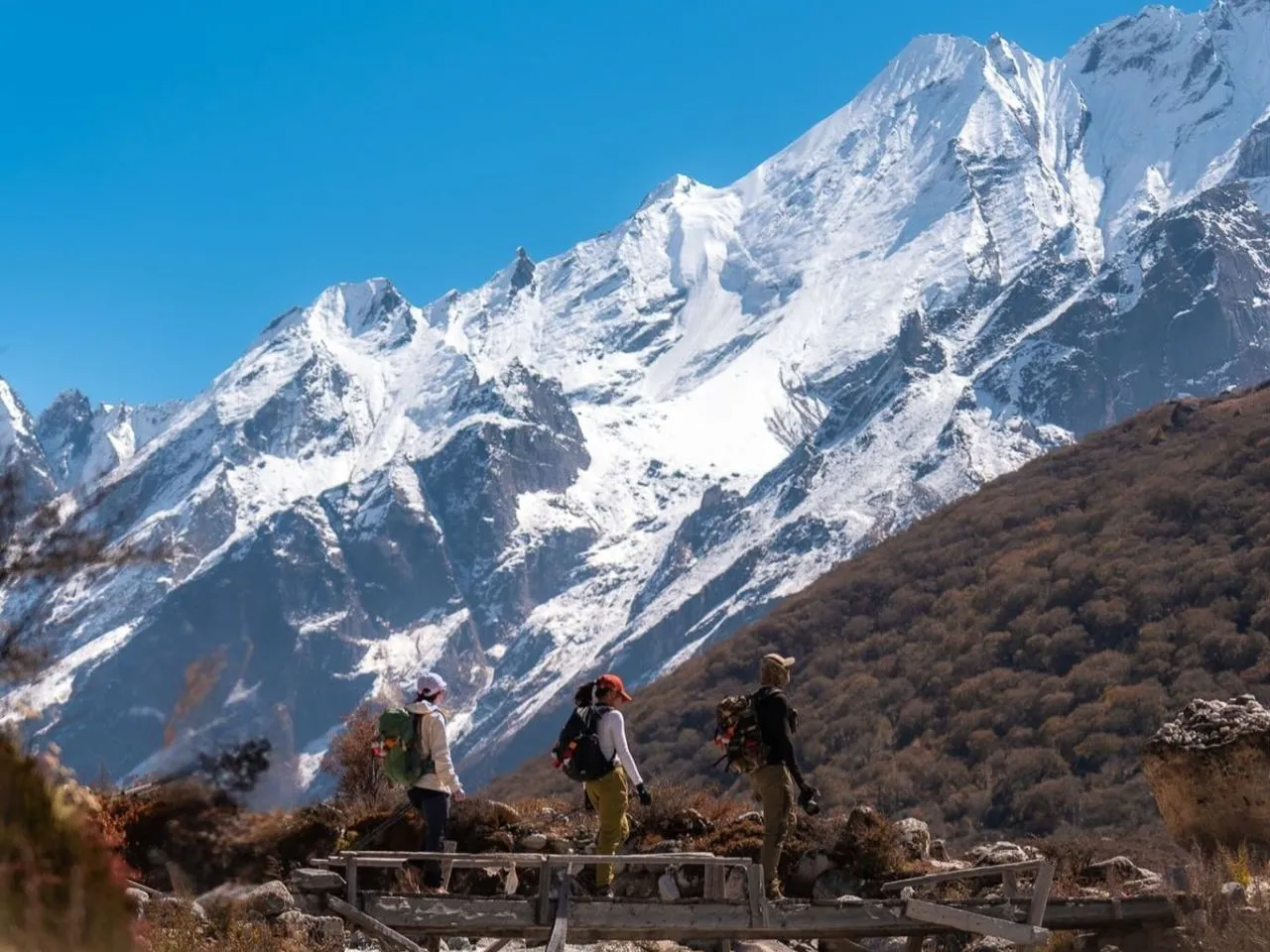
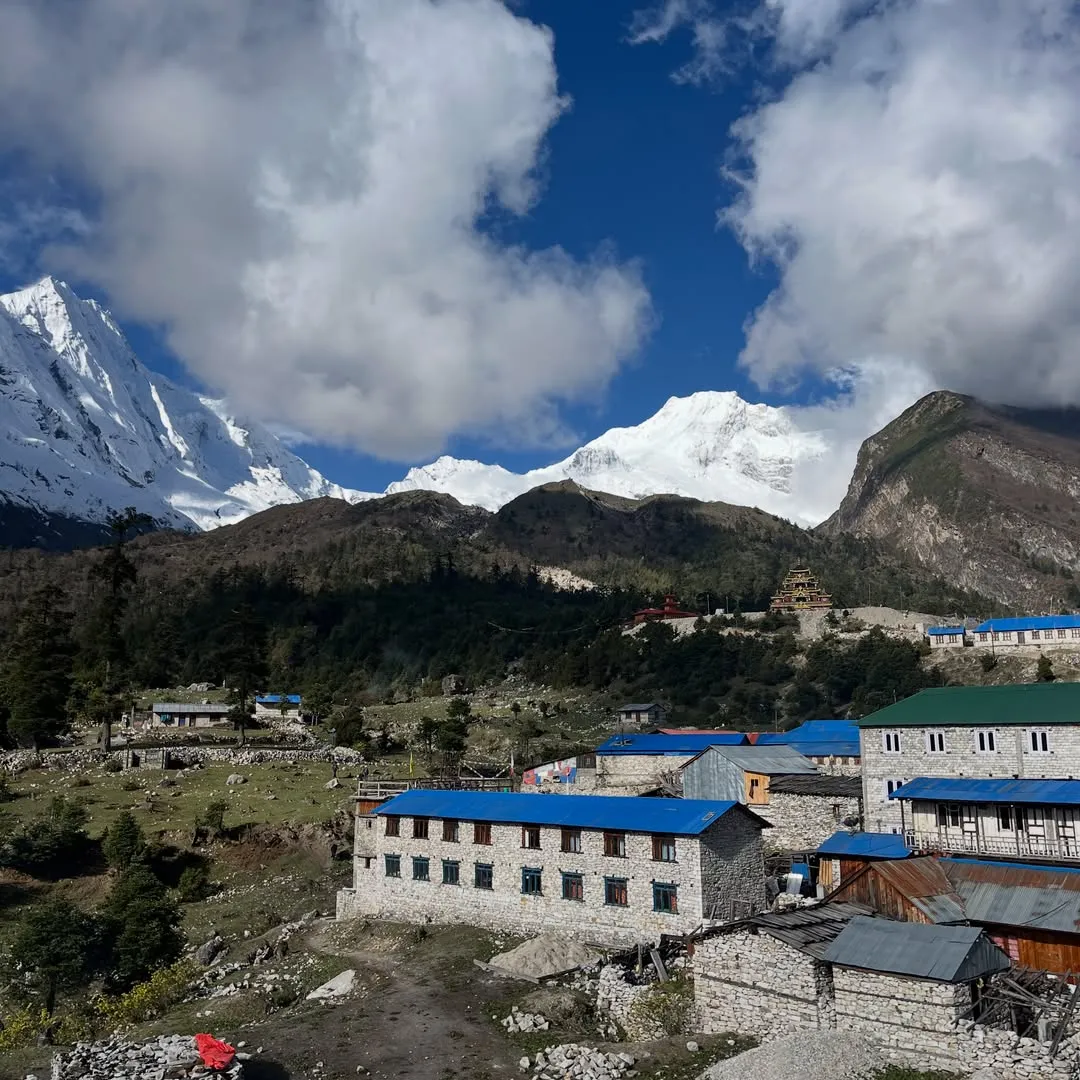
The route runs 70 km from Simikot at 2,950 m to Hilsa at 3,720 m on the Tibetan border, crossing the Nara Lagna pass at 4,620 m. Trekkers cover 8 to 12 days depending on acclimatisation and weather. There are no teahouse chains; every lodge is a family home with one to four rooms for guests.
Accommodation is a wooden frame bed with foam mattress and blanket. Rooms are not heated. Lodge owners provide a hot water thermos for drinking and a bucket wash option for $2 to $4. Squat toilets are outside, sometimes shared between two lodges.
Food is dal bhat twice a day with rice, lentil soup, seasonal vegetable curry, and pickled greens. Breakfast is Tibetan bread or porridge with tea. Snacks above 3,000 m are limited to instant noodles, biscuits, and canned fish. Vegetarian options are standard; meat appears only below Simikot.
Mobile signal is the biggest surprise. Nepal Telecom covers Simikot, Kermi, and Yalbang with 3G. Above Yalbang you lose signal for 3 to 5 days until you reach Sher on the Tibetan side. Ncell has even less coverage. Wi-fi does not exist on the route.
Charging is solar only above 3,000 m. Lodge owners charge $2 to $4 per device and switch the inverter off after 3 hours to save battery. Carry a 20,000 mAh power bank and a spare camera battery for every 5 days above Simikot.
비용/구성 요소 고장
| Component | Detail | Cost (USD) |
|---|---|---|
| Lodge room | 4 to 12 nights | $3 to $5 per night |
| Meals (dal bhat) | 3 meals per day | $8 to $12 per day |
| Hot bucket wash | Optional | $2 to $4 per wash |
| Device charging | Solar only above 3,000 m | $2 to $4 per charge |
| SIM card in Kathmandu | Nepal Telecom, 10 GB data | $6 |
| Satellite phone rental | 12 day route | $120 |
| Total in-route cost | 12 day Humla crossing | $280 to $420 |
답에 영향을 미치는 것
Season shifts the experience sharply. In October the trail is dry and lodges are stocked. In November temperatures drop to minus 8 Celsius at night above 4,000 m, and some lodges close. From December to February most upper Humla lodges shut for winter. Spring reopens the route in April but with thinner food stocks.
Group size changes meal variety. Solo trekkers eat what the family eats. Groups of four or more can order Tibetan momos or thukpa if ordered at breakfast for dinner.
예약 팁
Book through an operator with explicit Humla experience. Ask whether they include a satellite phone and a Tibetan visa support letter, both essential in 2027. Confirm lodge reservations in Simikot, Kermi, and Yalbang because those villages fill first.
Buy a Nepal Telecom SIM in Kathmandu and top up 10 GB of data. Carry the SIM in a waterproof pouch; SIM swaps in Simikot are unreliable. Pack a 20,000 mAh power bank and a 10 W USB solar panel.
대안과의 비교
The Annapurna Circuit offers reliable Wi-fi, hot showers, and English menus at $30 to $40 a night. The Manaslu Circuit has 4G at most lodges and similar lodge quality. Kanchenjunga has electricity at every village but weaker food variety. The Simikot to Hilsa route sits below all three on infrastructure but offers a cultural depth none of them match: Tibetan Buddhist villages, salt route history, and zero foreign trekkers for days at a time.
피해야 할 일반적인 실수
Assuming 4G will work the whole route is the most common error. Trekkers arrive without a satellite phone and cannot call rescue from above 3,500 m. Carrying only a USB-C power bank without a USB-A adapter is the second mistake: every lodge inverter in Humla uses USB-A ports.
Skipping a snack buffer leaves you eating dal bhat three times a day for the upper section. Bring 1.5 kg of trail mix, energy bars, and instant coffee.
자주 묻는 질문
Is there Wi-fi on the Simikot to Hilsa route? No. There is no Wi-fi at any lodge on the route in 2027. Mobile data through Nepal Telecom works at Simikot, Kermi, and Yalbang, then disappears for 3 to 5 days.
Can I charge my phone every night? Only at lower lodges. Above 3,000 m charging is solar and costs $2 to $4 per device. Carry a 20,000 mAh power bank as your main source.
Are lodge rooms heated? No. Rooms are unheated wooden frames with foam mattresses and blankets. The communal kitchen is the only warm space, open from 5 pm to 8 pm.
Is a satellite phone required? Strongly recommended. Helicopter rescue cannot be called from above 3,500 m without one. Rent in Kathmandu for around $120 for 12 days.
요약
The Simikot to Hilsa route in 2027 delivers basic family lodges, dal bhat meals, and patchy mobile signal that vanishes above 3,000 m. Budget $280 to $420 for in-route costs, carry a power bank and satellite phone, and plan for cold unheated rooms. The reward is the most culturally intact high-altitude route in Nepal.
결론
Trekkers who arrive expecting Annapurna style infrastructure will be disappointed on the Simikot to Hilsa route. Those who pack a power bank, satellite phone, snack buffer, and warm sleeping bag will experience the raw Humla valley exactly as it has been for decades. Plan for the basics, accept the limits, and the route becomes one of the most authentic crossings in the Nepali Himalaya.
추천 트레킹 패키지
탐험할 트레킹 장소
Explore Trips in Nepal
Hand-picked guided trips to this destination

 English
 Deutsch
 Svenska
 Dansk
Dansk Русский
 Français
 Português
 Español
 Polski
 简体中文
简体中文 日本語
日本語 ไทย
ไทย العربية
 한국어
한국어