
Trek Overview
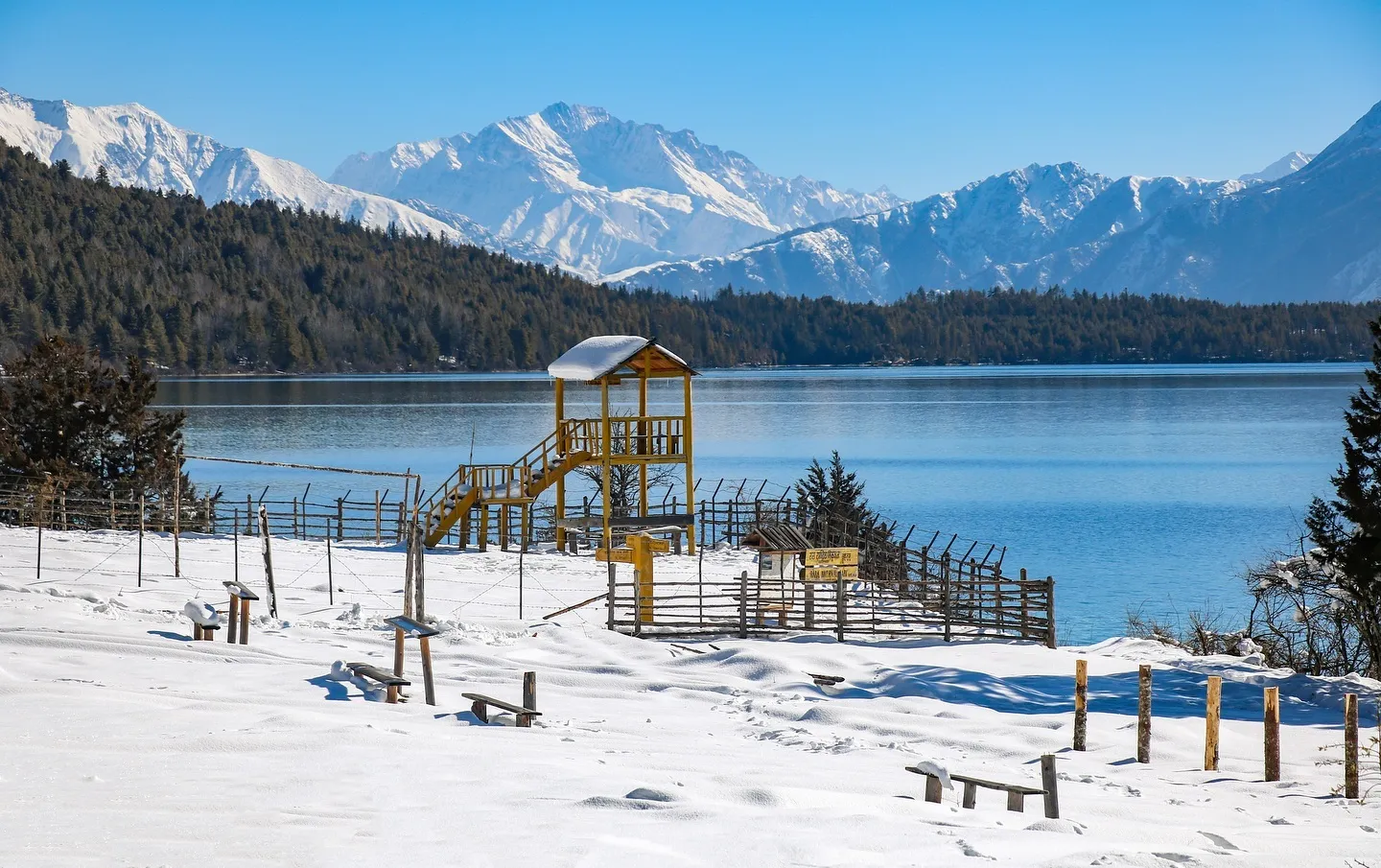
The Rara Lake Trek takes you to the largest natural lake in Nepal, a 2,990-metre body of water sitting inside Rara National Park in the remote Karnali region. The route starts at Jumla, climbs through pine and juniper forest, and finishes on the southern shore of the lake at 3,050 metres. Fewer than a thousand foreign trekkers walk this trail in a typical year, which makes the experience feel more like a private expedition than a packaged tour. The Rara Lake Trek is the easiest way into the far west for first-time visitors to the region.
Why Visit
You come here for the lake itself, five kilometres long and two wide, mirroring the Kanjiroba Himal on calm mornings. The park holds more than 200 bird species, including the shimmering Danfe (Lophophorus impejanus), Nepal's national bird. With very low visitor numbers you will often have the trails and shorelines to yourself, even in peak October. The contrast between the deep blue water and the dark pine forest is a photographer's dream.
Best Time to Trek
Spring (April to early June) and autumn (October to November) give you clear skies and the best reflections on the lake. Summer (June to September) works surprisingly well because Rara sits in a partial rain shadow, though afternoon rain is common and trails turn muddy. Winter (December to February) is harsh, with deep snow closing the high trails and lodges shutting down. For the 2027 season we recommend booking flights to Jumla before late March to avoid the worst of the dust haze.
Difficulty Level
We rate the Rara Lake Trek as moderate. Daily elevation gains are gentle, but you will walk for five to seven hours on rough forest paths above 2,500 metres. The altitude is significant enough that you should plan at least one acclimatisation day. Most fit walkers complete the route without difficulty if they pace themselves and carry enough water.
Duration
The standard itinerary runs 8 to 12 days including the flights from Nepalgunj to Jumla and back. A faster version with the Talcha airstrip flight out of Rara can shorten the loop to 7 days. We suggest 10 days for a relaxed pace that allows a full rest day on the lake shore and a side trip to Murma Top for the panorama.
Route Details
You start in Jumla (2,540 m), trek to Manma and Padhma, then climb to the park gate at Goru Singhe. From there you cross a 3,600-metre ridge and descend to Rara. The classic return reverses the same trail, or you can fly out from Talcha airstrip above the lake back to Nepalgunj. The route is well marked and easy to follow with a basic map.
Itinerary Overview
Day 1 fly Kathmandu to Nepalgunj, Day 2 fly to Jumla and trek to Manma, Days 3 to 6 trek through Padhma, Gumgadhi and Goru Singhe to reach Rara, Day 7 full day at Rara with optional Murma Top, Days 8 to 9 retrace to Jumla, Day 10 fly back to Kathmandu via Nepalgunj. The extra days in the 12-day version add side trips and acclimatisation.
최대 고도
The highest sleeping altitude is around 3,050 metres at the lakeside. The highest point on the standard route is Murma Top at 3,850 metres, a half-day climb above the lake that delivers the classic wide-angle view of the entire Rara basin. There is no risk of serious altitude sickness at the lake itself, but you should still ascend gradually from Jumla.
Weather
Daytime temperatures at the lake in October sit around 12 to 16 degrees Celsius, with nights dropping close to freezing. Spring days reach 18 degrees and the nights are mild. Summer afternoons bring thunderstorms and humidity, and winter nights fall to minus 10 degrees with heavy snowfall. Always pack for cold nights even in shoulder seasons.
Accommodation
Basic lodges operate at Goru Singhe and on the lake shore with shared rooms and communal dining. The Nepal Army runs a small guesthouse near the park headquarters with slightly better facilities. You should bring a sleeping bag rated to minus 10 degrees because bedding is thin. For 2027 we expect a new eco-lodge to open on the northern shore.
Tea Houses
Tea houses along the Rara route are simpler than those in Annapurna or Everest, with squat toilets and limited menus of dal bhat, noodles and potato curry. Hot showers are sometimes available for an extra fee, heated by wood fire. The owners are mostly Thakuri and Khas families who are friendly and curious about foreign visitors. Bring small Nepali rupee notes for tea and snacks along the trail.
캠핑
This trek uses tea-house lodging; camping is not typically required. Some groups still bring tents for the lake shore if they want a private camp or if lodges are full during the brief October peak. A cook team and equipment can be hired in Jumla if you prefer a fully supported camping trek.
Food
Menus are limited but honest: dal bhat, fried rice, Tibetan bread, porridge, and seasonal vegetables from local gardens. Apples from Jumla orchards appear in autumn and are a real treat. We recommend carrying energy bars and electrolyte powder because snacks are scarce between villages. Filtered water and boiled water are both available at lodges.
Drinking Water
Stream water along the trail is clean upstream but should still be treated with a filter, tablets or boiling. Lodges sell boiled water for a small fee. Carry at least two litres of capacity because distances between water sources can be long on the high ridges. Avoid single-use plastic bottles inside the park.
전기
Solar panels supply limited power at the lake-side lodges, enough for charging phones and cameras for a fee. Power is intermittent in cloudy weather and switched off by 8 pm. Bring a power bank rated at 10,000 mAh or higher as backup. The park headquarters has more reliable solar.
Internet and Mobile Network
Nepal Telecom and Ncell signals are weak along most of the route and disappear entirely near the lake. Some lodges have a basic solar-charged Wi-Fi router that works for text messages. Plan to be offline for most of the trek and brief family before you fly to Jumla.
수송
You fly from Kathmandu to Nepalgunj (about 50 minutes) and then take a short STOL flight to Jumla the next morning. Flights to Jumla are weather-dependent and often delayed in summer. Some trekkers choose to drive from Surkhet to Jumla in two long days, but this is rough and only worth it for groups with extra time. Book Nepalgunj hotels in advance during October.
Required Permits
You need a Rara National Park Entry Permit (about USD 30 for foreigners) and a TIMS Card (USD 10 for independent trekkers, included if you go with an agency). For 2027 the park fees are stable but TIMS fees are under review by the Nepal Tourism Board. We can arrange all permits in Kathmandu within one working day.
포장 목록
Bring a minus-10-degree sleeping bag, sturdy broken-in boots, layered clothing for cold mornings, a sun hat, sunglasses with UV protection, and a wide-brimmed rain jacket. A water filter or purification tablets, headlamp with spare batteries, and a basic first-aid kit are essential. Pack trekking poles for the long descents. Carry a power bank and a camera with extra batteries.
Budget Guide
| 항목 | Estimated Cost (USD) |
|---|---|
| Guide and porter (per day) | $25 to $40 |
| Lodging (per night) | $7 to $15 |
| Food (per day) | $15 to $25 |
| Permits total | $40 to $50 |
| Kathmandu to Jumla flights | $280 to $340 round trip |
| Total 10-day trek | $900 to $1,500 |
Photography Tips
Shoot early in the morning for the cleanest reflections on the lake, ideally before 8 am. A polarising filter helps cut glare on the water and brings out the deep blue. Wide-angle lenses work well for the lake and the pine forest, while a 70 to 200 mm lens compresses the Kanjiroba range behind the water. Carry extra batteries and keep them warm in your jacket overnight.
Wildlife
Rara National Park shelters musk deer, Himalayan black bear, yellow-throated marten and the rare red panda in the higher bamboo thickets. Birdlife is the real draw, with 224 species recorded, including blood pheasant, Cheer pheasant and the spectacular Danfe. Keep a respectful distance from any bear and never feed wildlife. The park is also home to a small population of otters in the lake.
Flora
The lower slopes are covered by blue pine, rhododendron and oak, transitioning to juniper and birch above 3,000 metres. Around the lake shore you will find cypress trees planted in the 1980s as part of a conservation drive. Spring brings out primulas and iris along the trail. The pine forest has a strong resin scent on warm afternoons that you will remember long after the trek.
Local Culture
The villages around Rara are home to Thakuri, Khas, and Brahmin families who practise Hinduism mixed with animist traditions. You may see shamans (jhakris) performing healing ceremonies during festivals. Local people speak Nepali and the Khas Kura dialect, and most older men also speak some Tibetan from trade links to the north. Dress modestly and always ask before photographing people or houses.
Local Villages
Padhma, Gumgadhi and Goru Singhe are the main settlements on the route, each with a few lodges and small shops. Goru Singhe is the park entrance village with a checkpost and a small army post. The villages look unchanged for decades, with stone houses and stacked firewood against the long winters. Take time to chat with the lodge owners about life in the Karnali.
Safety Tips
Carry a basic first-aid kit and know the symptoms of altitude sickness before you go. Do not drink untreated water, and wash your hands before meals. The trail is generally safe, but leeches can be a nuisance in summer. Keep your insurance details and a small amount of cash for emergency evacuation by helicopter.
Altitude Sickness Guide
You will sleep at a maximum of around 3,050 metres on this trek, which is below the usual threshold for severe altitude sickness but not risk-free. Symptoms to watch include headache, nausea, loss of appetite and disturbed sleep. Ascend gradually from Jumla, drink three to four litres of water daily, and avoid alcohol in the first two days. Descend immediately if symptoms worsen.
Emergency Contacts
The nearest health post is in Gumgadhi, with a basic clinic and ambulance to Jumla. The Rara National Park office can coordinate helicopter evacuations through your insurance. Save the numbers for your trekking agency and the Nepal Tourism Board hotline (1149). Register your trip with your embassy before leaving Kathmandu.
Responsible Tourism
Rara is a fragile alpine ecosystem, so stick to marked trails and carry out all your rubbish. Refill at lodges rather than buying bottled water to reduce plastic waste. Support local families by eating and sleeping in their lodges rather than importing supplies. Ask before taking photos of people or religious sites.
자주 묻는 질문
Below are the questions we hear most often from trekkers planning the Rara Lake Trek. Each answer is based on the most current 2027 conditions on the ground.
요약
The Rara Lake Trek is a moderate, low-traffic route to the largest lake in Nepal, best suited to trekkers who want wilderness, wildlife and culture without the altitude of the Khumbu. With basic but adequate lodges, short flights from Nepalgunj, and the option to fly out from Talcha, it is one of the most accessible far-west treks. Plan for October or April, pack for cold nights, and you will be rewarded with one of the great mirror lakes of the Himalaya.
결론
If you are looking for a quiet alternative to the busy Everest and Annapurna circuits, the Rara Lake Trek is the obvious choice. It pairs moderate physical effort with rare solitude and a genuinely remote feel. Pair it with the Mugu Cultural Trek for a longer journey, or combine it with the Khaptad Trek for a complete far-west loop. We can help you put together the itinerary that fits your time and budget for 2027, 2028 or 2029.
추천 트레킹 패키지
탐험할 트레킹 장소
Explore Trips in Nepal
Hand-picked guided trips to this destination
 English
 Deutsch
 Svenska
 Dansk
Dansk Русский
 Français
 Português
 Español
 Polski
 简体中文
简体中文 日本語
日本語 ไทย
ไทย العربية
 한국어
한국어