
Trek Overview
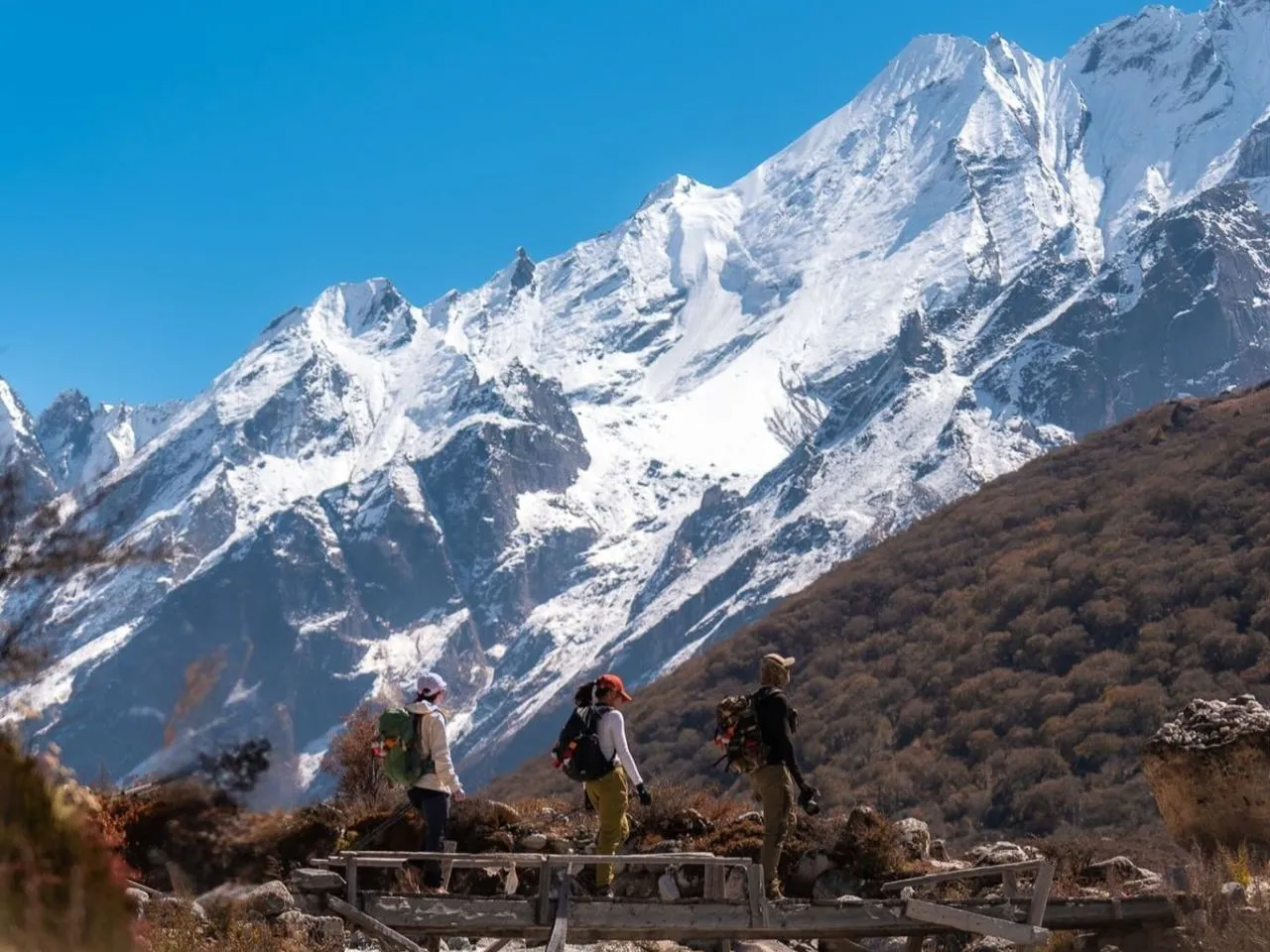
The Bhairab Kunda Trek is a moderate-altitude trek to a sacred lake at 4,150 metres in the Sindhupalchok district north of Kathmandu. The lake is sacred to both Hindus and Buddhists and draws thousands of pilgrims during the August Janai Purnima festival. The route passes through Tamang and Sherpa villages with views of the Rolwaling and Jugal Himal ranges, and is one of the few moderate-altitude treks reachable by road from Kathmandu in a single day. The total distance is about 55 kilometres, walkable in 8 to 11 days.
Why Visit
You come here for the sacred lake, the Sherpa and Tamang village culture, and the close-up views of the Jugal Himal range. The Janai Purnima pilgrimage in August is a unique cultural event, with thousands of pilgrims bathing in the lake at dawn. The route is one of the few moderate-altitude treks you can start the same day you leave Kathmandu, with no internal flight. The lack of crowds compared to the Langtang Valley Trek or the Gosaikunda Trek is a major draw. Trekkers often combine this route with the Helambu Trek or the Gosaikunda Trek for a longer itinerary.
Best Time to Trek
The best months are spring (March to May) and autumn (September to November). Spring brings rhododendron blooms in the lower valleys and clear mornings. Autumn is cooler and clearer, with crisp light and stable weather. August is the time to come if you want to experience the Janai Purnima pilgrimage, though the trail is busy and the weather wet. Winter (December to February) is cold but possible at lower altitudes. The lake freezes from December to March.
Difficulty Level
This is a moderate trek, suitable for fit first-timers and families with trekking experience. The maximum altitude of 4,240 metres is moderate, so altitude sickness is a small risk. You walk 5 to 6 hours a day on a well-marked trail with gradual ascent. No technical skills are needed. Previous trekking experience is helpful but not essential, as long as you can walk for a week with a light daypack.
Duration
Plan for 8 to 11 days, including a 4-hour drive each way from Kathmandu. The standard itinerary is 9 days, with 7 days of trekking and 2 days of travel. Shorter 8-day itineraries rush the lake section. Add 2 days if you want to combine with the Helambu Trek via the Melamchi valley.
Route Details
You drive from Kathmandu to Jalbire, then trek north through Tamang and Sherpa villages to the Bhairab Kunda lake at 4,150 metres. After a rest day at the lake, you descend through the same villages to Larcha or retrace to Jalbire, and drive back to Kathmandu. The trail follows the Bhote Kosi river valley, with views of the Jugal Himal range throughout. The total circuit is about 55 kilometres.
Itinerary Overview
- Day 1: Drive Kathmandu to Jalbire, trek to Chanaute.
- Days 2-3: Trek through Tamang villages to Khempalung.
- Days 4-5: Trek to Forest Camp and the lake approach.
- Day 6: Trek to Bhairab Kunda (4,150 m).
- Day 7: Sunrise at the lake, descend to Forest Camp.
- Days 8-9: Descend to Larcha, drive to Kathmandu.
최대 고도
The highest point is the viewpoint above the lake at 4,240 metres (13,911 feet). The lake itself is at 4,150 metres. You reach this altitude gradually over 5 days from Jalbire at 800 metres. Altitude sickness is rare at these elevations, but you should still ascend gradually and drink plenty of water. We carry a pulse oximeter and check oxygen levels at the lake.
Weather
Spring days reach 18-22 degrees Celsius in the valleys, dropping to 5 degrees at night above 3,000 metres. At the lake, daytime highs are 8-12 degrees and nights fall to freezing. August is wet, with afternoon thunderstorms common. Autumn is cooler and clearer, with crisp days of 10-15 degrees and frosty nights at altitude. Winter is cold, with daytime highs of 5-10 and nights dropping to minus 10 at the lake.
Accommodation
You stay in basic village tea houses and homestays for the entire route. The tea houses are simple wooden buildings with shared squat toilets and a wood-fired stove in the dining room. Rooms have twin beds with thin mattresses and blankets, but bring your own sleeping bag for warmth. There is no heating in the bedrooms. The tea houses near the lake are seasonal and may close in winter.
Tea Houses
The tea houses on this route are basic. Expect a wooden bed with a thin mattress, a shared squat toilet, and a central stove fired with wood in the dining room. The menu is limited to dal bhat, fried rice, chapati, momos, and instant noodles. Hot showers are not available. The dining room stove is the social centre of the lodge in the evening. Bring a headlamp for evening movement.
캠핑
This trek uses tea-house lodging; camping is not typically required. The route has enough village tea houses to cover every night. If you prefer a private camp near the lake, we can arrange it for an additional cost with a small crew of guide, cook, and porter. Most trekkers find the tea houses comfortable enough.
Food
The tea house menu is simple but filling. Breakfast is porridge, eggs, Tibetan bread, and chapati with jam. Lunch is usually fried rice, noodles, or momos. Dinner is dal bhat (rice, lentil soup, vegetable curry), or pasta with tomato sauce. Vegetarian meals are easy to arrange. The local dhindo (millet porridge) with gundruk (fermented leaf) soup is a specialty worth trying.
Drinking Water
The tea houses sell boiled water for about $1 per litre, or you can treat stream water with Micropur tablets or a Steripen. The spring water above 2,500 metres is generally clean, but we treat it as a precaution. Plan to drink three litres a day. Bring two 1-litre Nalgene bottles.
전기
The villages below 2,500 metres have mains electricity. Above that, the tea houses use small solar setups that will charge a phone for about $1 per device. Power is limited, so charge devices during the day. Bring a 10,000 mAh power bank as backup. Headlamps are mandatory for evening use.
Internet & Mobile Network
Ncell and Nepal Telecom have weak signal in the lower villages below 2,500 metres. The signal is patchy or absent above that. We carry a Garmin inReach for emergencies. Plan to be partly off-grid for the 7 days of trekking. Let your family know in advance.
수송
You drive from Kathmandu to Jalbire (4 hours by local bus or 3 hours by private jeep) to start the trek. The road follows the Araniko Highway towards the Tibet border and is paved most of the way. On the way out, you drive from Larcha to Kathmandu (4 hours). We recommend a private jeep for comfort, as the local bus is crowded.
Required Permits
You need two permits for the Bhairab Kunda Trek in 2027: a Langtang National Park Entry Permit for the upper section (about $30) and the TIMS Card ($17). No restricted-area permit is required, which keeps the cost low. Permits are arranged by us in Kathmandu and require your original passport and two passport photos. Solo trekking is allowed.
포장 목록
Bring a 40-litre daypack if you use a porter, or a 60-litre duffel if you carry your own gear. Pack a three-season down jacket, a windproof shell, three base layers, two trekking trousers, a sun hat and a warm beanie, UV sunglasses, factor 50 sunscreen, a first-aid kit with Diamox, a headlamp, and trekking poles. Sleeping bag rated to minus 5 degrees Celsius. Camera, spare batteries, and a power bank.
Budget Guide
| 항목 | USD Cost |
|---|---|
| National park + TIMS | $47 |
| Guide | $25-40 per day |
| Porter (optional) | $15 per day |
| Tea house and food | $20-25 per day |
| Transport (Kathmandu-Jalbire return) | $30-80 |
| Total package (8-11 days) | $600-1,000 |
Photography Tips
The lake is best photographed at sunrise, when the first light hits the Jugal Himal range above and reflects in the water. The Tamang and Sherpa villages of Khempalung and Forest Camp work well in the late afternoon, with stone houses catching warm side light. The Janai Purnima pilgrimage in August is a unique cultural subject, with pilgrims in white dhoti bathing in the lake. A polarising filter helps cut glare on the water. Bring a wide-angle for the lake and a portrait lens for the villages.
Wildlife
The lower forests have langur monkeys, barking deer, and wild boar. Above 3,000 metres you may see Himalayan tahr and musk deer on the slopes. The region is home to the red panda, though sightings are very rare. Himalayan griffons and lammergeiers circle above the ridges. Look for monal pheasants in the rhododendron forest in spring.
Flora
The lower valleys have subtropical forest with sal, chir pine, and rhododendron up to 2,500 metres. The middle zone has oak, maple, and magnolia forest up to 3,500 metres. Spring brings spectacular rhododendron blooms in red, pink, and white. Above the tree line you walk through alpine meadows with juniper, caragana, and gentian. The medicinal yarsagumba is harvested on the high meadows in May and June.
Local Culture
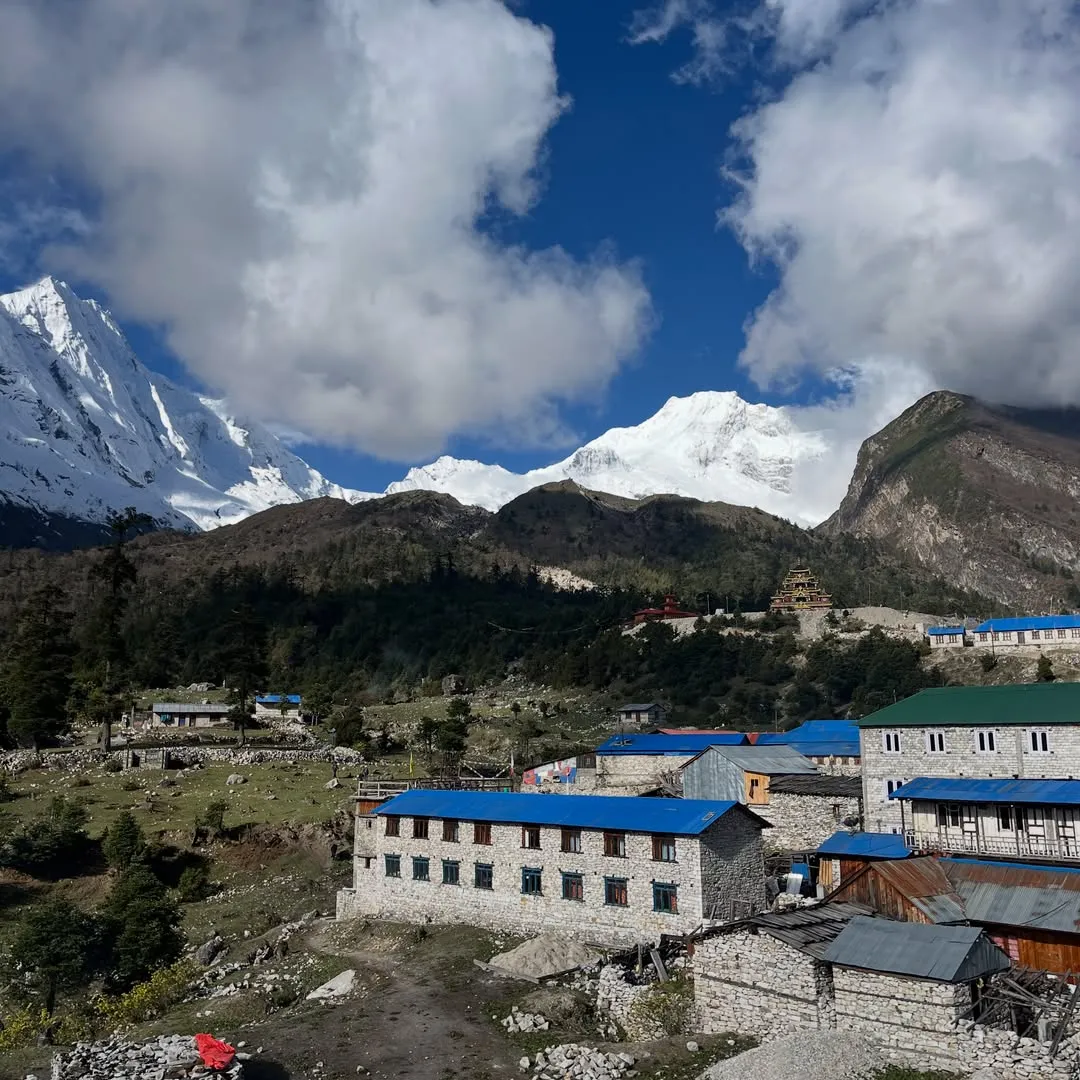
The Bhairab Kunda region is populated by Tamang and Sherpa communities, with a mix of Buddhist and Hindu practice. The lake is sacred to both Hindus (who associate it with Lord Bhairab, a form of Shiva) and Buddhists (who associate it with a local protector deity). The Janai Purnima festival in August draws thousands of pilgrims who bathe in the lake at dawn. Villages are built of stone with wooden balconies, and you will see prayer flags, mani walls, and chortens. The Sherpa communities here are related to those in the Khumbu but settled in the region centuries ago.
Local Villages
Jalbire is the trailhead, a small village on the Bhote Kosi river with a Hindu temple and waterfall. Chanaute is a Tamang village at 1,200 metres, with terraced fields and traditional houses. Khempalung is a Sherpa village at 2,800 metres, with a small gompa. Forest Camp is a seasonal herder settlement at 3,300 metres. Larcha, on the way out, is a small bazaar on the Araniko Highway.
Safety Tips
- Acclimatise properly: spend a night at Forest Camp before the climb to the lake.
- Carry Diamox (125 mg twice daily) from 3,500 metres upwards.
- Drink three litres of water a day; check the colour of your urine.
- Be cautious on the trail in August, when rain makes rocks slippery.
- Keep your down jacket and hat in your daypack for the lake section.
- Tell the guide if you have a persistent headache or shortness of breath.
Altitude Sickness Guide
Acute Mountain Sickness (AMS) is a small risk on this trek, with a maximum altitude of 4,240 metres. Mild symptoms are headache, nausea, and poor sleep. Take 125 mg of Diamox twice daily, drink three litres of water, and rest. If symptoms worsen to vomiting or breathlessness at rest, descend to Forest Camp at 3,300 metres. The only cure for severe AMS is descent. Our guides carry a pulse oximeter and a basic first-aid kit.
Emergency Contacts
Himalayan Rescue Association (HRA): +977 1 4440292. Simrik Air rescue (Kathmandu): +977 1 4113 222. Nepal Police emergency: 100. The nearest health post is in Jalbire. Keep your embassy and travel insurance 24-hour line in writing. Helicopter rescue from Bhairab Kunda costs $2,000-3,500.
Responsible Tourism
We pay our crew above the union minimum and provide full insurance and gear. Support the local economy by buying handicrafts in Khempalung, hiring local porters where possible, and donating pencils rather than sweets to children. Carry out all your rubbish, including batteries. Stick to established paths to protect the fragile alpine meadows. Do not bathe in the lake with soap, as it is sacred to both Hindu and Buddhist pilgrims.
자주 묻는 질문
We answer the six most common questions about the Bhairab Kunda Trek below, from permit costs to fitness requirements.
요약
- The Bhairab Kunda Trek is an 8-11 day trek to a sacred lake at 4,150 m north of Kathmandu.
- It is one of the few moderate-altitude treks reachable by road from Kathmandu in a single day.
- Best window is spring (March-May) and autumn (September-November), with the August pilgrimage.
- Tea-house lodging is available throughout, with basic lodges in the villages.
- Maximum altitude is 4,240 m, so altitude sickness is a small risk.
- Budget $600-1,000 for an all-inclusive 9-day package from Kathmandu.
결론
The Bhairab Kunda Trek is the best moderate-altitude trek close to Kathmandu for those who want a sacred lake, Sherpa and Tamang culture, and a short itinerary without internal flights. The 9-day trip fits a single holiday, and the road access keeps the cost low. Book 2 to 4 months ahead for 2027 and 2028, especially if you want to time the Janai Purnima pilgrimage in August. We run monthly departures in spring and autumn and can arrange private trips on request.
추천 트레킹 패키지
탐험할 트레킹 장소
Explore Trips in Nepal
Hand-picked guided trips to this destination

 English
 Deutsch
 Svenska
 Dansk
Dansk Русский
 Français
 Português
 Español
 Polski
 简体中文
简体中文 日本語
日本語 ไทย
ไทย العربية
 한국어
한국어