
réponse rapide
Yes, Everest Base Camp packages shorter than 11 days are too rushed for safe acclimatization in 2027 to 2030. The trail climbs from 2,840 m at Lukla to 5,644 m at Kala Patthar in 8 to 10 days, which exceeds the recommended 1 rest day per 1,000 m above 3,000 m. Standard safe itineraries run 12 to 14 days with 2 rest days at Namche Bazaar and 1 rest day at Dingboche, costing $1,400 to $2,200 USD per person.
Répartition détaillée
The Everest Base Camp trek follows the Dudh Kosi valley from Lukla at 2,840 m through Phakding, Namche Bazaar, Tengboche, Dingboche, Lobuche, Gorak Shep, and finally to Everest Base Camp at 5,364 m and Kala Patthar at 5,644 m. The altitude gain of 2,804 m in 8 to 10 walking days is faster than the Wilderness Medical Society recommendation of 500 m per day above 3,000 m.
Short EBC packages of 9 to 11 days compress the itinerary by skipping one or both Namche rest days and the Dingboche rest day. This brings the gain to 800 to 1,000 m per day above 3,000 m, which is double the safe maximum. The Himalayan Rescue Association clinic in Pheriche records 30 to 40 percent acute mountain sickness incidence on 9 day itineraries versus 8 to 12 percent on 14 day itineraries.
Répartition des coûts / composantes
| Itinéraire | journées | Rest days above 3,000 m | AMS risk percent | Coût USD |
|---|---|---|---|---|
| Express 9 day | 9 | 0 | 30 to 40 | $1 100 à $1 500 |
| Short 11 day | 11 | 1 à Namche | 20 to 25 | $1,300 to $1,700 |
| Standard 12 day | 12 | 2 at Namche | 12 à 18 | $1 400 à $1 900 |
| Safe 14 day | 14 | 2 Namche plus 1 Dingboche | 8 à 12 | $1 700 à $2 200 |
| Luxury 16 day | 16 | 2 Namche plus 2 Dingboche | 5 to 8 | $2 200 à $2 800 |
The 14 day safe itinerary costs $300 to $500 USD more than the 9 day express version, but cuts altitude sickness risk by a factor of 4.
Qu'est-ce qui affecte la réponse
Prior altitude experience is the biggest variable. Trekkers with prior 4,000 m plus experience can safely take the 12 day itinerary. Trekkers without prior altitude experience should take the 14 day version with the Dingboche rest day.
Conseils pour la réservation
Book the 14 day safe itinerary 10 to 12 weeks ahead for October and March departures. Specify the 2 Namche rest days and 1 Dingboche rest day in writing on the inclusions list. Reject any itinerary that lists a single Namche rest day or skips Dingboche.
Ask the operator for the altitude profile day by day. A safe profile gains no more than 500 m of sleeping altitude per day above 3,000 m. The 14 day itinerary above meets this standard, with the climb high sleep low pattern on rest days.
Carry Diamox from your doctor, with a 125 mg dose twice daily from Namche onwards. Confirm the guide carries a Gamow bag or portable altitude chamber for emergency use, available at the Himalayan Rescue Association clinics in Pheriche and Machhermo.
Comparaison avec les alternatives
The 9 day express itinerary runs $1,100 to $1,500 USD per person and saves 3 to 5 days. It is suitable only for trekkers with prior 5,000 m plus experience and a documented tolerance for rapid altitude gain. Most operators will not accept booking without a medical sign off.
The 12 day standard itinerary runs $1,400 to $1,900 USD per person and is the most popular option. It includes 2 Namche rest days but skips Dingboche, which is acceptable for trekkers with prior 4,000 m experience.
Erreurs courantes à éviter
Do not book the 9 day express itinerary without prior 5,000 m plus experience. The altitude gain exceeds safe maximums and AMS incidence is 30 to 40 percent. A medical evacuation from Gorak Shep costs $5,000 to $8,000 USD without insurance.
Do not skip the Dingboche rest day to save time. The Dingboche day at 4,410 m is the single most important acclimatization day on the trek, with the Nangkartshang day hike reaching 5,083 m.
FAQ
How many days is the safe Everest Base Camp trek? 12 to 14 days with 2 Namche rest days and 1 Dingboche rest day. The 14 day version with the Dingboche rest day is the safest standard option for trekkers without prior altitude experience.
Can I do Everest Base Camp in 9 days? Possible but risky. The 9 day express version skips all rest days and doubles the safe altitude gain rate. AMS incidence is 30 to 40 percent. Suitable only for trekkers with prior 5,000 m plus experience.
What is the altitude gain on the EBC trek? 2,804 m from Lukla at 2,840 m to Kala Patthar at 5,644 m. The Wilderness Medical Society recommends 500 m of sleeping altitude gain per day above 3,000 m, which requires 2 to 3 rest days.
Do I need Diamox for Everest Base Camp? Recommended, at 125 mg twice daily from Namche onwards. Discuss with your doctor before departure. Diamox does not replace acclimatization rest days but reduces AMS incidence by 30 to 50 percent.
How much does the safe 14 day EBC itinerary cost? $1,700 to $2,200 USD per person including permits, guide, porter, lodging, meals, and the Lukla flight. The 9 day express version costs $300 to $500 USD less but doubles AMS risk.
somm
Yes, Everest Base Camp packages shorter than 11 days are too rushed for safe acclimatization. The standard safe itinerary runs 12 to 14 days with 2 Namche rest days and 1 Dingboche rest day, costing $1,400 to $2,200 USD per person.
conclusion
For 2027 to 2030, book the 14 day safe Everest Base Camp itinerary with 2 Namche rest days and 1 Dingboche rest day. The 9 to 11 day express versions double altitude sickness risk and should be avoided by trekkers without prior 5,000 m plus experience. Carry Diamox and trip insurance covering helicopter evacuation to 6,000 m.
Forfaits Trek recommandés
Des lieux de randonnée à explorer
Explore Trips in Nepal
Hand-picked guided trips to this destination
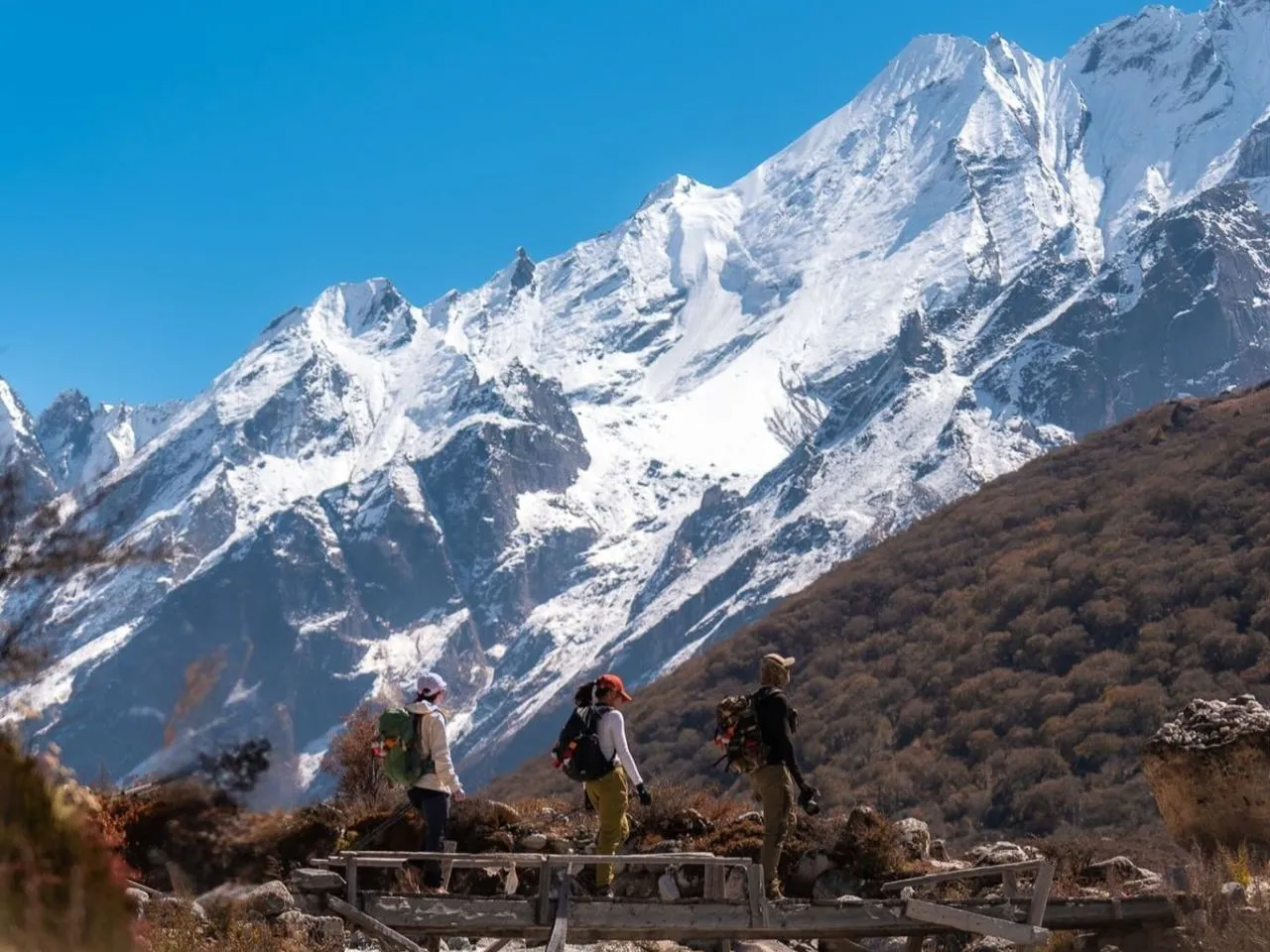
Trek de luxe de Langtang – 10 jours
Trek de luxe de Langtang – 10 jours
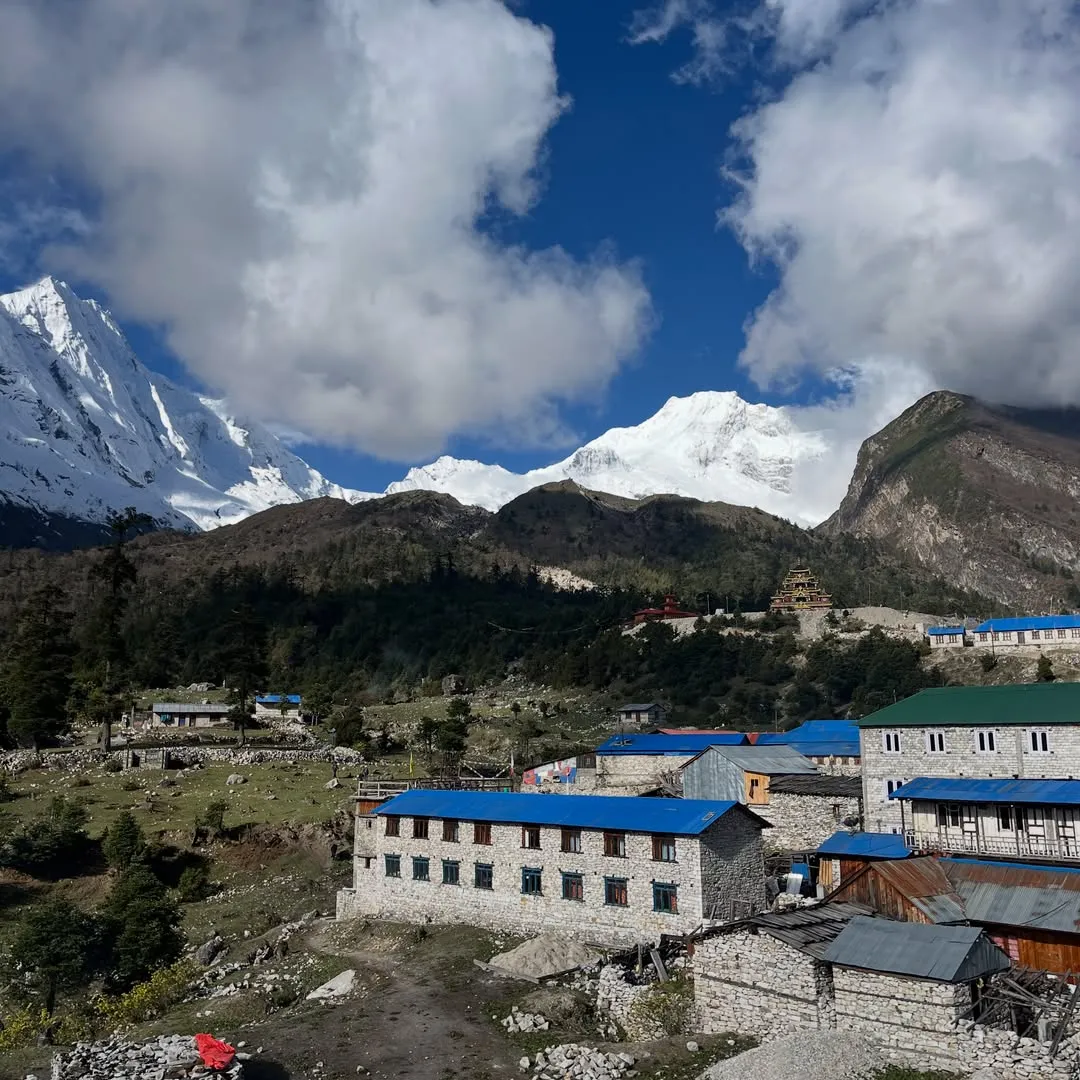
Treken en famille Manaslu – 12 jours
Treken en famille Manaslu – 12 jours
Trek de luxe à Manaslu – 14 jours
Trek de luxe à Manaslu – 14 jours

Trek de la photographie Manaslu – 17 jours
Trek de la photographie Manaslu – 17 jours
 English
 Deutsch
 Svenska
 Dansk
Dansk Русский
 Français
 Português
 Español
 Polski
 简体中文
简体中文 日本語
日本語 ไทย
ไทย العربية
 한국어
한국어