
respuesta rápida
Cho La Pass at 5,420 m is moderately difficult for experienced trekkers who have already spent 7 to 9 days above 3,500 m. The east side is a 600 m climb on loose boulders, the top 200 m cross a small glacier with ice, and the west side drops 500 m on scree. Crampons or micro spikes are required from November to March. Allow 8 to 10 hours from Dragnag to Dzongla.
Desglose detallado
Cho La links the Gokyo Valley to the main Everest Base Camp trail and is the standard way to combine both regions in one 14 to 18 day itinerary. Trekkers leave Gokyo or Dragnag before dawn, climb east through a glacial valley, and reach the pass marker by late morning. The east approach is steep and sustained, gaining 600 m over 2 km of large boulders.
The top 200 m of the pass cross a small east facing glacier that holds hard snow and blue ice through the winter. A slip here without crampons ends in a fast slide onto rocks. From late November to late March, micro spikes or full crampons are required. From April to early June and in October, the snow is usually soft enough to walk in trail shoes with care.
The west descent is the part that breaks trekkers. The first 300 m drops at 35 degrees on loose scree and shattered rock, with no clear trail until you reach the frozen lake below. From there the route flattens to Dzongla at 4,830 m. Most parties take 4 hours up and 4 hours down with a 30 minute break on top.
Desglose de costo/componente
| parte | parte | Costo (USD) |
|---|---|---|
| Micropicas | Required Nov to Mar | $45 a $90 |
| Bastones de trekking | Two, for scree descent | $40 a $120 |
| Guide for pass day | Muy recomendable | $30 to $50/day |
| Extra lodge night | Buffer at Dzongla | $15 a $25 |
| comunicaciones satélite | InReach or Spot rental | $60 to $120/week |
| Insurance rider | Helicopter above 5,000 m | $40 a $90 |
que afecta la respuesta
Acclimatisation is the single largest factor. Trekkers who reach Cho La after a Gokyo Ri summit day and two nights at 4,790 m handle the pass well. Those who try Cho La as the first 5,000 m point in the trek have a 25 to 35 percent failure rate. Snowfall in the prior 48 hours raises difficulty sharply because the boulders hide under fresh slab.
Season matters. October and November have the most stable snow but the glacier is at its hardest. April has softer snow but warmer afternoons increase rockfall on the west descent. December to February is for experienced winter trekkers only. Group size affects pace: parties of four or more move 30 percent slower on the boulder section.
Consejos de reserva
Book a combined Gokyo Cho La Everest Base Camp itinerary with a 14 to 18 day window, not 13 days. The compressed 13 day version skips the second acclimatisation day and overloads the pass day. Pay for a dedicated guide on the Cho La day rather than relying on a porter-guide. Confirm the operator carries a rope and crampons in the support kit from November to March.
Plan the night before the pass at Dragnag, not Gokyo. Dragnag is 200 m lower and closer to the trailhead, which shaves 90 minutes off the morning and lets you cross the glacier before noon cloud.
Comparación con alternativas
Renjo La at 5,360 m is similar altitude but the trail is firmer and the descent to Gokyo is shorter. Kongma La at 5,535 m is higher and more remote with no lodge at the base, so most parties cross it with a camping crew. Of the three Khumbu passes, Cho La is the only one with a glacier crossing, which makes it the most technically demanding day even though it is not the highest.
Errores comunes a evitar
Crossing Cho La without micro spikes in November is the most common mistake. The glacier looks like snow from below but is bullet ice underfoot. Starting late is the second error. A 7 a.m. start reaches the pass by 10 a.m. before the cloud comes in; an 8:30 a.m. start gets caught in afternoon whiteout on the descent.
Going light on water is the third. Carry 2 litres minimum; the east side has no safe source until the pass.
preguntasrán el
Do I need crampons for Cho La? From November to March, yes, micro spikes or full crampons. From April to early June and in October, trail shoes with good tread are usually enough but carry spikes as backup.
How long does the crossing take? 8 to 10 hours from Dragnag to Dzongla, including a 30 minute break on top. Faster parties do it in 7 hours; slower parties take 11.
Is Cho La dangerous? Moderately. The glacier and the scree descent are the cruxes. With a guide, proper gear, good weather, and prior acclimatisation, the risk is comparable to a hard European alpine pass.
Can I skip Cho La and still combine Gokyo and EBC? Yes. Walk back down the Gokyo Valley to Namche and up the main trail to EBC. This adds 2 to 3 days but avoids the pass entirely.
What if there is fresh snow? Turn around. The boulder field under slab is the most common site of leg injuries on the route. Wait 24 to 48 hours for the trail to compact.
sumario
Cho La at 5,420 m is a moderately difficult pass that links Gokyo Lakes to Everest Base Camp. The east boulder climb, the summit glacier, and the west scree descent are the three cruxes. With micro spikes from November to March, a guide on pass day, and a Dragnag start, fit acclimatised trekkers cross safely in 8 to 10 hours.
idea de narración
Cho La is a serious day but not a technical climb. Build acclimatisation with two nights at Gokyo before the crossing, carry micro spikes from November to March, start from Dragnag at dawn, and use a guide. With those four pieces in place the pass becomes a memorable highlight rather than a risk point on the combined Gokyo and Everest Base Camp route.
Paquetes de Trek Recomendados
Lugares de trekking para explorar
Explore Trips in Nepal
Hand-picked guided trips to this destination
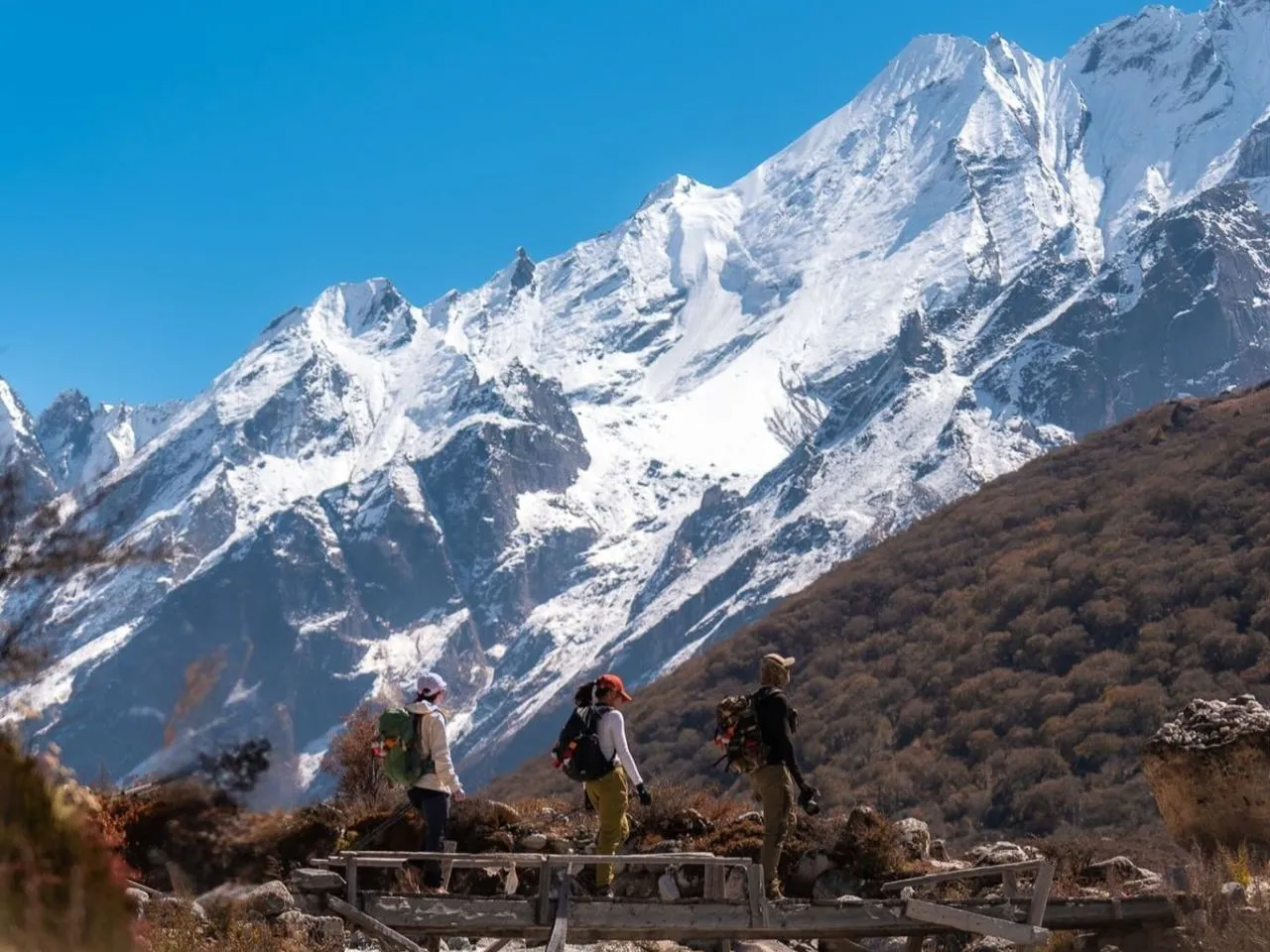
Trek de Lujo Langtang – 10 días
Trek de Lujo Langtang – 10 días
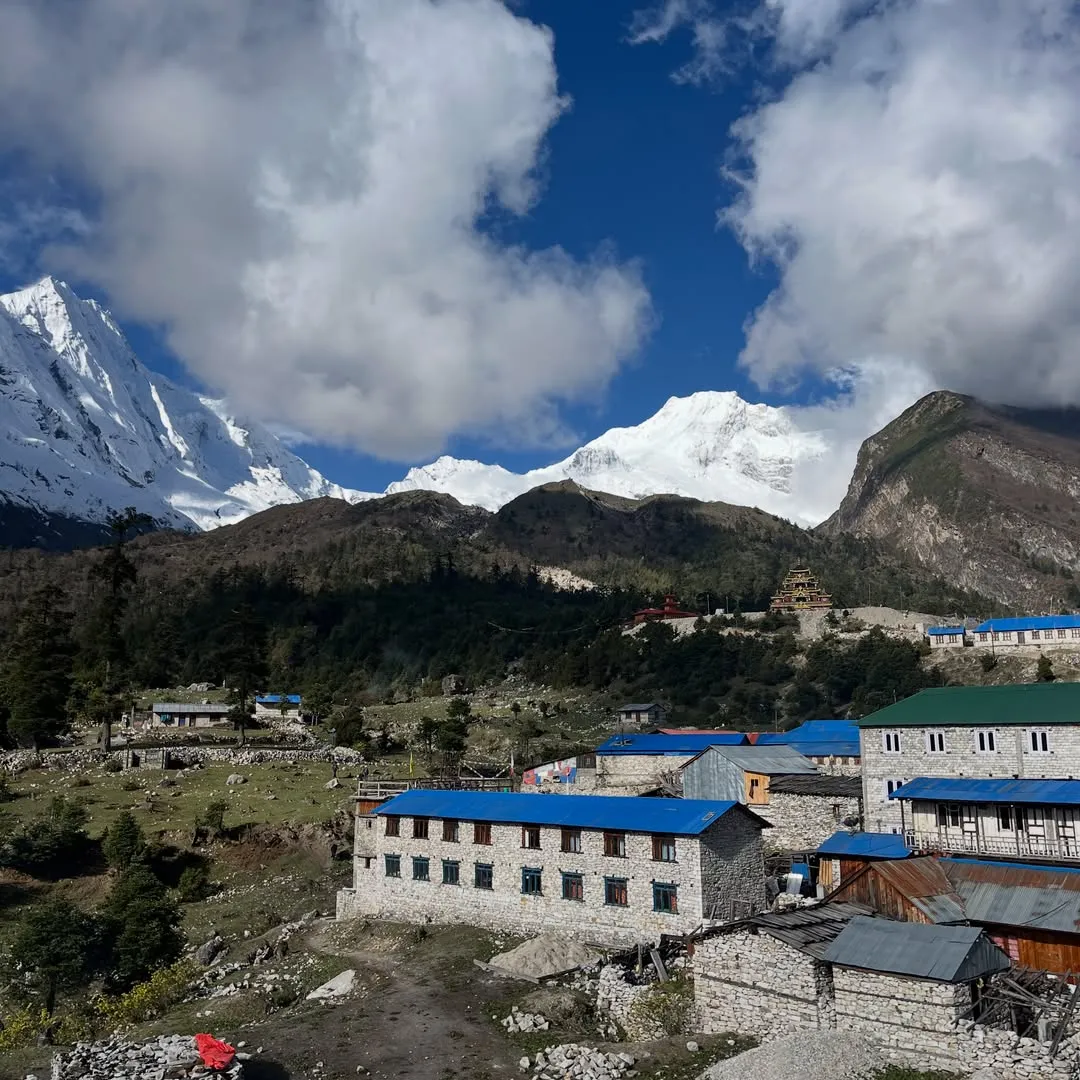
Trek Familiar Manaslu – 12 días
Trek Familiar Manaslu – 12 días
Trek de Lujo Manaslu – 14 días
Trek de Lujo Manaslu – 14 días

Trekking Manaslu - 17 días
Trekking Manaslu - 17 días
 English
 Deutsch
 Svenska
 Dansk
Dansk Русский
 Français
 Português
 Español
 Polski
 简体中文
简体中文 日本語
日本語 ไทย
ไทย العربية
 한국어
한국어