
إجابة سريعة
Plan 12 to 16 weeks of structured training before flying to Lukla for the Everest Base Camp Trek. Trekkers who already run or cycle four times a week can compress to 10 weeks by adding strength and loaded hiking. First time high altitude walkers should extend to 16 to 20 weeks to build cardiovascular capacity, downhill leg strength, and time on feet.
تفصيلي مفصل
The Everest Base Camp Trek is 12 to 14 days of continuous walking between 2,840 m at Lukla and 5,644 m at Kala Patthar. Daily walking time is 5 to 7 hours on rough trails with persistent altitude gain and loss. Training must build three systems: aerobic endurance, leg strength for descents, and time on feet carrying a daypack.
Aerobic base is the foundation. Three to four sessions a week of 45 to 60 minutes each at conversational pace is the minimum. Running, cycling, swimming, and stair climbing all transfer. Heart rate should sit at 60 to 70 percent of maximum for most of these sessions, with one weekly interval session at 80 to 85 percent for cardiovascular ceiling work.
Strength work targets quads, glutes, calves, and core. Two sessions a week of squats, lunges, step ups, and calf raises build the eccentric control needed for the 800 m descent from Tengboche to Phakding and the long drop back to Lukla at the end of the trek.
Hiking practice with a loaded daypack is non negotiable. From week 6 onward, one long weekend hike of 4 to 6 hours carrying 5 to 8 kg closes the gap between gym fitness and trail reality. Add stairs and inclined treadmill sessions in flat cities where hills are not available.
تكلفه / تقسيم المكون
| مكون | Weekly Hours | التكلفة النموذجية (دولار أمريكي) | Purpose |
|---|---|---|---|
| Gym membership | 3 إلى 4 | $30 to $80/month | Treadmill, stairs, strength equipment |
| Personal trainer | 1 | $50 to $100/session | Form correction and progressive plan |
| Running shoes | لا يوجد | $120 إلى $180 | Cardio sessions |
| Daypack 30 L | لا يوجد | $80 إلى $150 | Loaded practice hikes |
| Trail hiking fuel | لا يوجد | $20 to $40/week | Weekend practice hikes |
| Altitude simulation | 0 | $0 to $300 | Optional mask or stair training |
ما يؤثر على الجواب
Your starting fitness is the largest variable. A runner who already trains five times a week can be ready in 8 to 10 weeks by adding strength and loaded hiking. A sedentary office worker needs 16 to 20 weeks to build a safe base. Age over 50 adds 2 to 4 weeks for connective tissue adaptation. Previous trekking above 4,000 m shortens the timeline because your body already knows how altitude feels.
Body weight also matters. Carrying extra kilograms up to 5,000 m costs more cardiovascular capacity. If you are 10 kg over your ideal trekking weight, extend the timeline by 4 weeks and add basic nutrition planning.
نصائح الحجز
Book your trek 3 to 4 months ahead so your training end date aligns with your Lukla flight. Avoid last minute rush bookings that compress training. Choose a guide company that asks about your training plan and medical history during the booking call. If they do not ask, choose another operator.
Schedule your toughest training week two weeks before departure, then taper down in the final 14 days with light walks and mobility work. Arrive in Kathmandu with fresh legs.
مقارنة مع البدائل
Annapurna Base Camp requires similar training but tops out at 4,130 m, so 10 to 12 weeks suffices for most reasonably active trekkers. Manaslu Circuit reaches 5,106 m at Larkya La and needs 12 to 14 weeks. Three Passes Trek in Khumbu crosses three passes above 5,000 m and warrants 16 weeks minimum. Everest Base Camp sits in the middle: longer than Annapurna, similar to Manaslu, shorter than Three Passes.
الأخطاء الشائعة التي يجب تجنبها
Starting too late is the most common error. Trekkers who begin training 4 weeks out arrive exhausted by day 3 and frequently abandon at Dingboche or Pheriche. Skipping loaded hiking is the second. Gym fitness does not transfer to trail walking without pack practice. Ignoring downhill training causes the most knee injuries. The 700 m drop from Namche to Lukla on the return catches unfit quads hard.
Overtraining in the last 10 days depletes glycogen and elevates altitude sickness risk. Treating the trek itself as training is another error.
أسئلة وأجوبة
Can I get away with 8 weeks of training? Only if you already run or cycle four times a week. Add loaded hikes and you can compress, but first time trekkers should plan for 12 weeks minimum.
Do I need to train at altitude? No. Most successful EBC trekkers train at sea level. Altitude tents and masks offer marginal benefit at high cost.
Is running enough? No. Running builds aerobic base but ignores loaded hiking, downhill strength, and time on feet. Combine running with strength work and weekend hikes.
Should I lose weight before the trek? If you are 8 kg or more over your healthy range, yes. Less weight means less stress on knees at altitude and a lower cardiovascular load.
What if I miss a week? Skip one week is fine. Skip three and add a week at the end. Consistency beats intensity.
خلاصة
A 12 to 16 week training block covering aerobic endurance, leg strength, and loaded hiking prepares most trekkers for the 14 day Everest Base Camp Trek. Start earlier if you are new to trekking, older, or carrying extra weight. Taper in the final two weeks and arrive in Lukla fresh rather than fried.
ختام
Training for Everest Base Camp is a 3 to 4 month project, not a 2 week crash. Build the aerobic base, strengthen your legs for descents, log weekend hours on real trails, and taper before departure. The mountain rewards the prepared and punishes the rushed. Commit to 14 weeks of structured work and you will arrive at base camp fit, healthy, and ready to enjoy the Khumbu.
حزم الرحلات الموصى بها
أماكن للرحلات للاستكشاف
Explore Trips in Nepal
Hand-picked guided trips to this destination
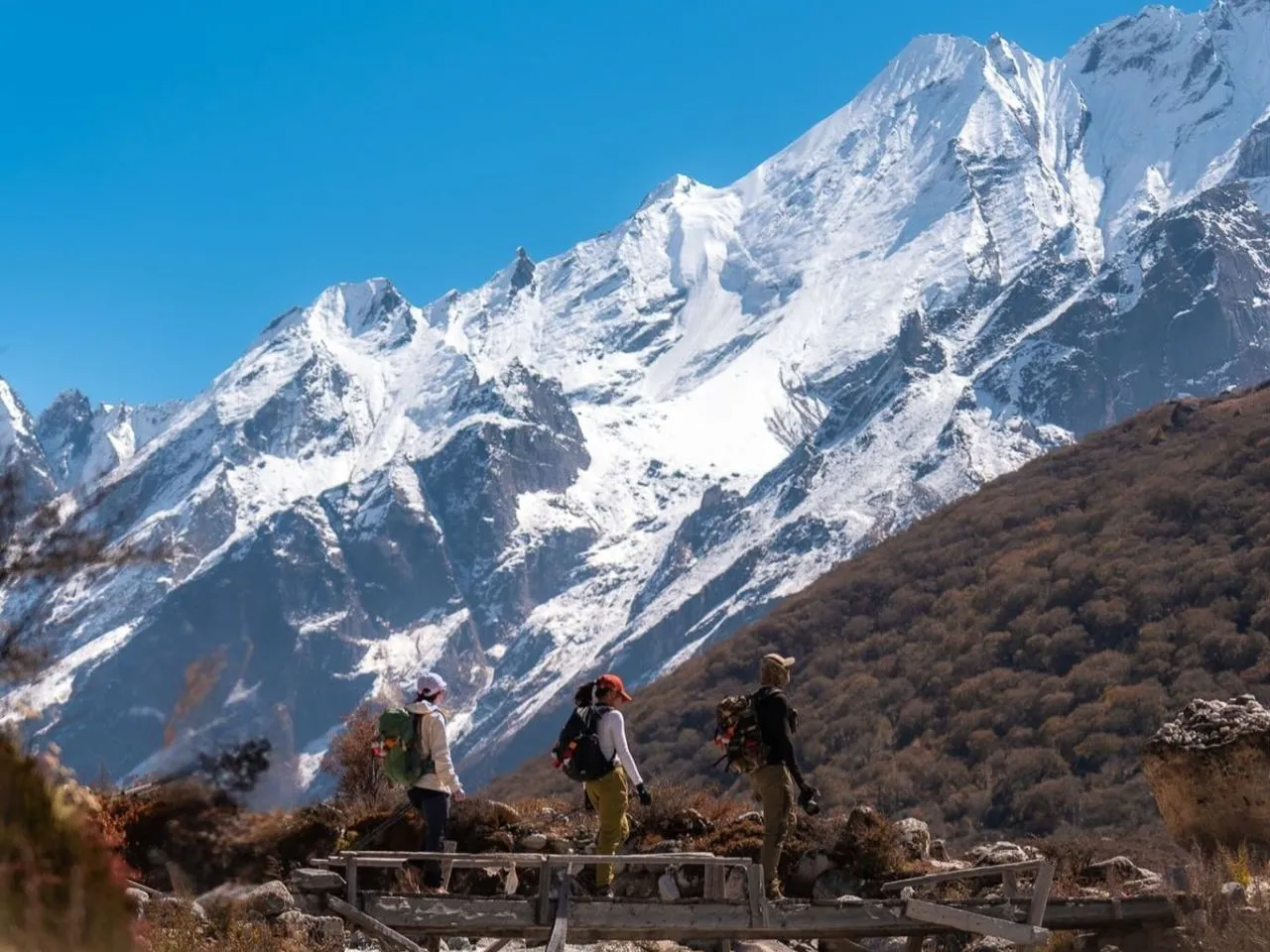
لانجتانج تيك لاكشري - 10 أيام
لانجتانج تيك لاكشري - 10 أيام
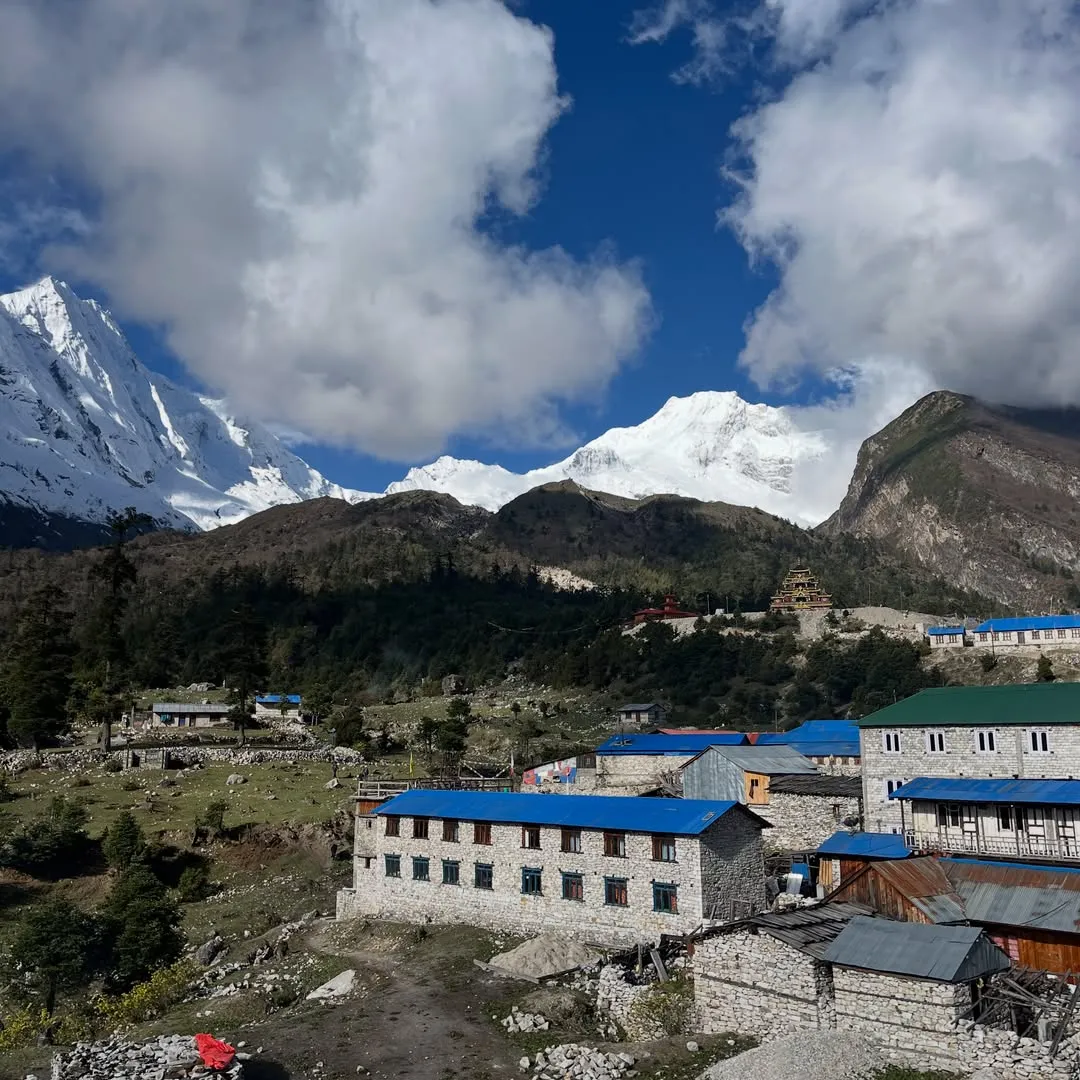
رحلة عائلة ماناسلو - 12 يومًا
رحلة عائلة ماناسلو - 12 يومًا
رحلة ماناسلو الفاخرة - 14 يومًا
رحلة ماناسلو الفاخرة - 14 يومًا

رحلة تصوير ماناسلو – 17 يومًا
رحلة تصوير ماناسلو – 17 يومًا
 English
 Deutsch
 Svenska
 Dansk
Dansk Русский
 Français
 Português
 Español
 Polski
 简体中文
简体中文 日本語
日本語 ไทย
ไทย العربية
 한국어
한국어