
Quick Answer
The Kanchenjunga trek requires three permits, the Kanchenjunga Restricted Area Permit at $20 per week, the Kanchenjunga Conservation Area Permit at $20, and the TIMS Card at $10 to $20, totaling $60 to $90 per person for the first week in 2027 to 2030. All three are checked at Taplejung, Sekathum, and Ghunsa checkpoints. Permits must be issued by a registered trekking agency in Kathmandu before departure, since there is no on site issuance.
Detailed Breakdown
Kanchenjunga sits in far eastern Nepal on the border with Sikkim, and the trekking route runs through the Kanchenjunga Conservation Area, a protected zone covering 2,035 sq km. The route starts at Taplejung, also called Suketar, and reaches the north base camp at Pangpema at 5,143 m or the south base camp at Yalung at 4,500 m, or both on a circuit.
Because the area borders India and includes restricted mountain zones, three separate permits are required. The Kanchenjunga Restricted Area Permit is issued by the Department of Immigration, the Conservation Area Permit is issued by the National Trust for Nature Conservation, and the TIMS Card is issued by the Trekking Agencies Association of Nepal or the Nepal Tourism Board.
Cost / Component Breakdown
| Permit | Cost (USD) | Where Issued |
|---|---|---|
| Kanchenjunga Restricted Area Permit | $20 per week | Department of Immigration, Kathmandu |
| Kanchenjunga Conservation Area Permit | $20 | NTNC office or KCA gate |
| TIMS Card (via agency) | $10 | TAAN office or your operator |
| TIMS Card (independent) | $20 | Nepal Tourism Board |
| Passport photos (4 needed) | $2 | Any Kathmandu print shop |
| Photocopies of passport (4) | $2 | Any Kathmandu print shop |
| Total per person (first week) | $60 to $90 |
For a 20 to 26 day trek, the Restricted Area Permit runs $60 to $80, bringing the total to $100 to $130 per person.
What Affects the Answer
Trek duration is the largest factor, since the Restricted Area Permit is charged per week. A 20 day north base camp only trek needs 3 weeks of permit, while a 26 day full circuit needs 4 weeks. Route choice is the second factor, since the south base camp extension adds 5 to 7 days and one extra permit week.
Guide inclusion matters third, since 2023 regulations require a licensed guide in all restricted areas. The TIMS Card via an agency costs $10, while the independent version costs $20, but the agency version is the only option for most trekkers because guide inclusion is mandatory. Permits must be issued before the Bhadrapur flight, since there is no on site issuance at Taplejung.
Booking Tips / Practical Advice
Have your operator secure all three permits in Kathmandu at least 2 working days before your Bhadrapur flight. Bring four passport photos and four passport photocopies per person. Confirm the Restricted Area Permit lists the correct route, north base camp, south base camp, or full circuit, since mismatched route data triggers a $20 re issue fee.
Ask the operator to print a backup copy of each permit and to give you the originals to carry on trek. Rangers at Sekathum and Ghunsa stamp the Conservation Area Permit, and the stamps are checked again if you exit through a different gate. Carry $40 in rupees for any re issue fee if a permit is lost.
Comparison With Alternatives
Compared with Kanchenjunga at $60 to $130 in permits, Manaslu requires a Restricted Area Permit at $70 per week plus the Manaslu Conservation Area Permit, totaling $90 to $180 for 14 to 18 days. Upper Mustang requires the most expensive permit at $500 for 10 days. Upper Dolpo requires $20 per week plus a $500 first week fee, totaling $520 to $560.
Choose Kanchenjunga for moderate permit cost and outstanding scenery, Manaslu for cultural depth, Upper Mustang for Tibetan Buddhist culture, and Upper Dolpo for true remoteness.
Common Mistakes to Avoid
Do not assume you can buy permits at Taplejung, since there is no on site issuance and rangers turn back unregistered trekkers at Sekathum. Avoid carrying only digital copies, since rangers require original stamped paper permits at every checkpoint.
Do not let your operator file a TIMS Card under a different route name, since mismatched route data triggers a $20 re issue fee. Skip departure mornings without confirming all three permits are in your daypack, since the Bhadrapur flight leaves before the Kathmandu permit office opens.
Frequently Asked Questions
Can I get the permits at Taplejung? No, all three must be issued in Kathmandu by a registered agency before departure.
Why is the Restricted Area Permit per week? Because the Department of Immigration charges a weekly rate, with discounts for additional weeks beyond the first.
How much are permits for Indian nationals? Around $5 for the Conservation Area Permit and $3 for TIMS, with the Restricted Area Permit still required.
Are permits checked at every teahouse? No, but they are checked at Sekathum, Ghunsa, and the north base camp turnoff.
Can I combine north and south base camps in one permit? Yes, the full circuit permit covers both, and the route data must list both.
Summary
The Kanchenjunga trek requires three permits totaling $60 to $90 per person for the first week, and $100 to $130 for a full 20 to 26 day trek. All three must be issued in Kathmandu by a registered agency before departure, and rangers check them at Taplejung, Sekathum, and Ghunsa.
Conclusion
Kanchenjunga has a moderate permit cost compared with Upper Mustang or Upper Dolpo. Plan four passport photos, four passport photocopies, and a licensed guide, and your paperwork is complete. For 2027 to 2030 departures, expect small annual fee increases of 5 to 8 percent as the Department of Immigration revises its rate card.
Recommended Trek Packages
Trekking Places to Explore
Explore Trips in Nepal
Hand-picked guided trips to this destination
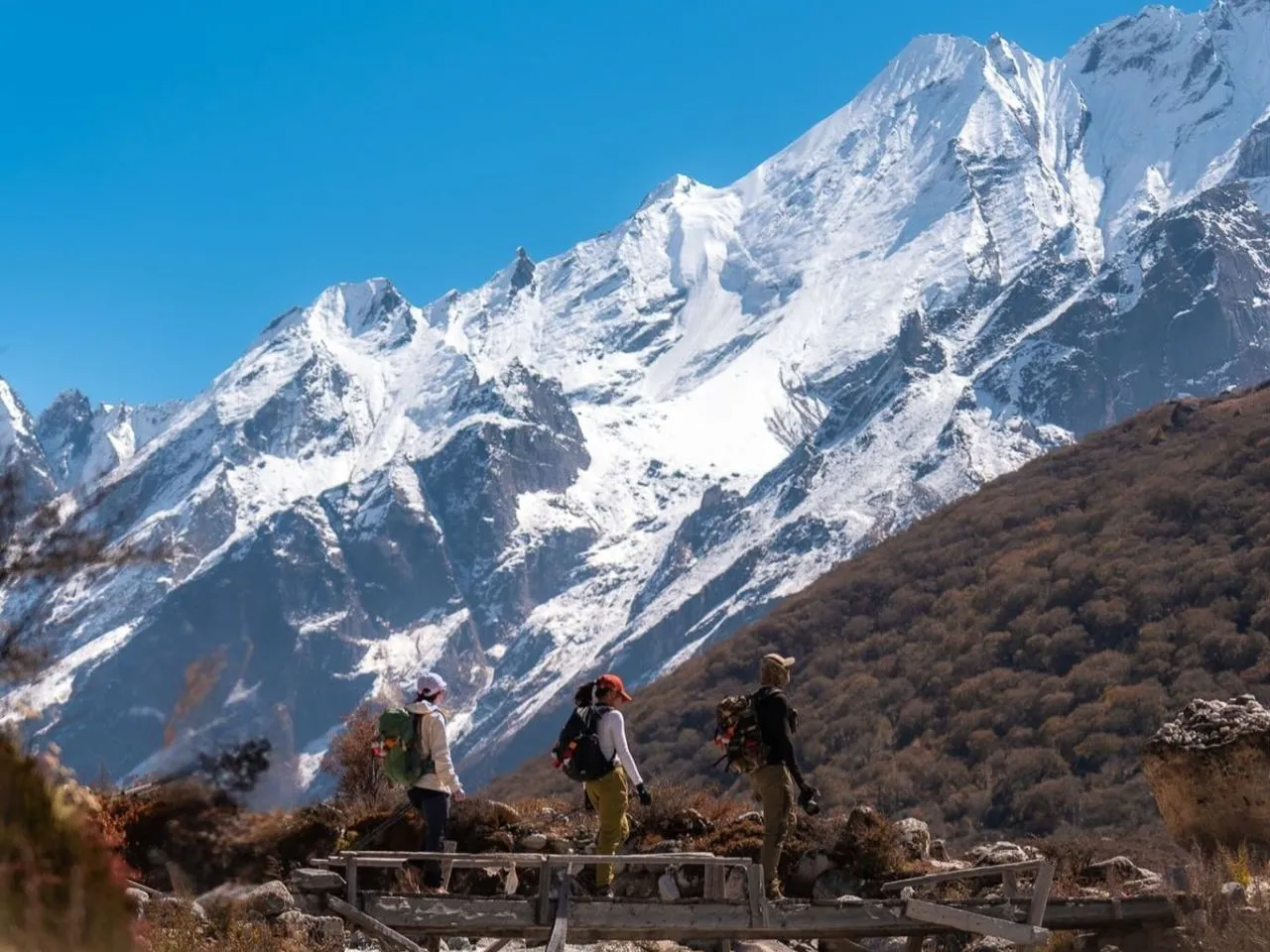
Langtang Luxury Trek – 10 Days
Langtang Luxury Trek – 10 Days
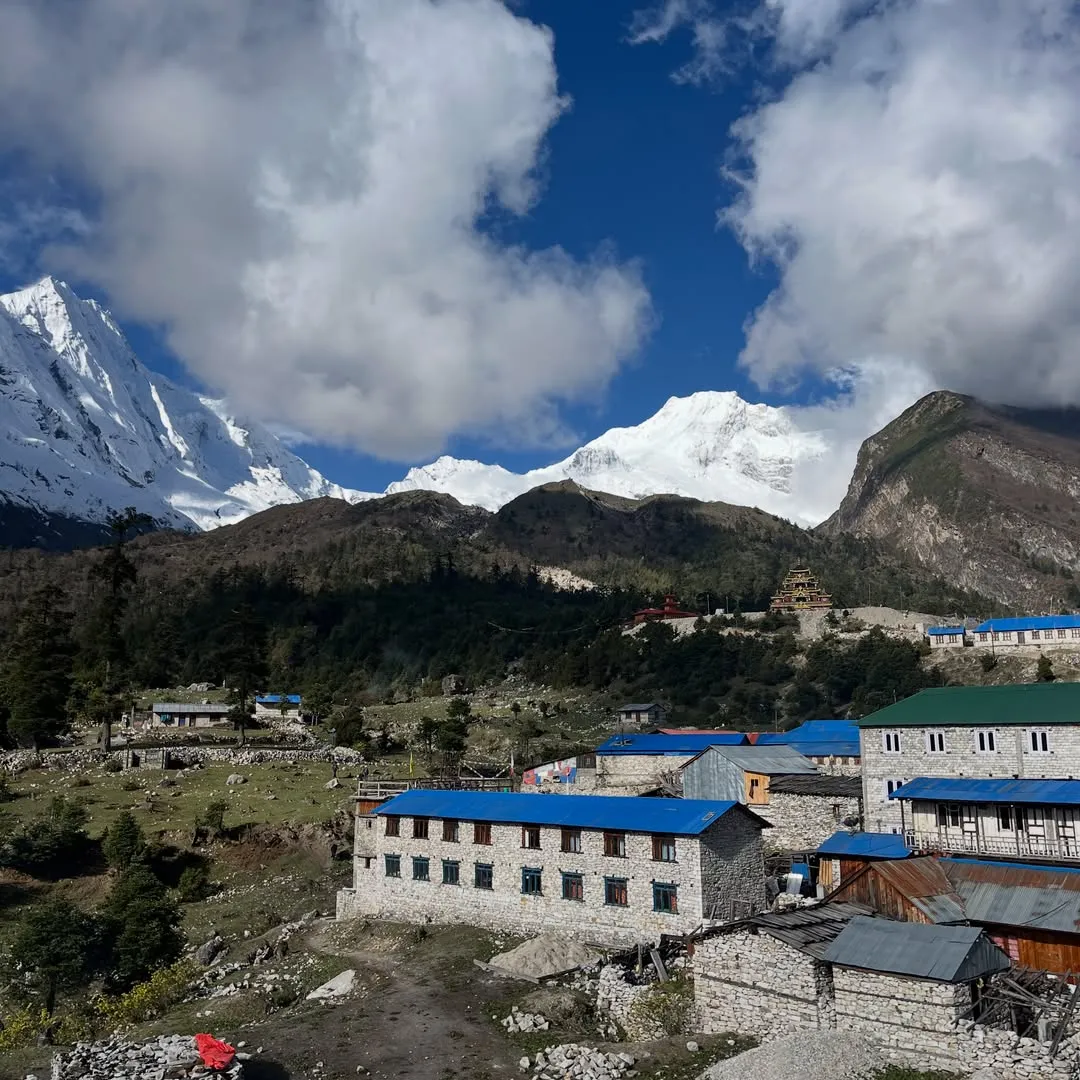
Manaslu Family Trek – 12 Days
Manaslu Family Trek – 12 Days
Manaslu Luxury Trek – 14 Days
Manaslu Luxury Trek – 14 Days

Manaslu Photography Trek – 17 Days
Manaslu Photography Trek – 17 Days
 English
 Deutsch
 Svenska
 Dansk
Dansk Русский
 Français
 Português
 Español
 Polski
 简体中文
简体中文 日本語
日本語 ไทย
ไทย العربية
 한국어
한국어