
Quick Answer
Before Australians book a Nepal peak climb in 2027, the travel insurance must cover trekking and climbing to at least 6,500m, helicopter rescue from any altitude, trip cancellation for weather and medical reasons, and emergency medical evacuation to Singapore or Bangkok. Expect to pay AUD 250 to 450 for a 30 day policy that meets these terms. Standard travel insurance that caps at 3,000m will not pay out on Mera Peak, Island Peak, or Lobuche East.
Detailed Breakdown
Nepal peak climbing covers the Nepal Mountaineering Association trekking peaks, which range from Mera Peak at 6,476m to Imja Tse (Island Peak) at 6,189m and Lobuche East at 6,119m. These are non technical but high altitude, and the rescue profile is different from regular trekking. Helicopter evacuation from above 5,500m is routine and costs USD 3,000 to 8,000 per flight, which is why the insurance clause matters more than the premium.
Australian trekkers often discover too late that their credit card travel insurance or standard policy caps at 3,000m or 4,000m. By then they are at base camp with no cover, and the operator holds them liable for any rescue cost.
Cost / Component Breakdown
| Insurance Feature | Standard Policy | Climbing Specific Policy |
|---|---|---|
| Altitude cap | 3,000m to 4,000m | 6,000m to 8,000m |
| Helicopter rescue | Often excluded above 3,000m | Included to summit altitude |
| Trip cancellation | Limited to illness | Includes weather and route closure |
| Medical evacuation to Australia | Often excluded | Included via Singapore or Bangkok |
| Gear and baggage cover | USD 1,000 to 2,000 | USD 3,000 to 5,000 for climbing gear |
| Premium for 30 days | AUD 120 to 200 | AUD 250 to 450 |
The extra AUD 130 to 250 buys the altitude and rescue clauses that matter on a 6,000m peak.
What Affects the Answer
Peak altitude is the dominant factor. Mera Peak at 6,476m requires a policy that explicitly names 6,500m or higher. Island Peak at 6,189m needs 6,200m cover. Lobuche East at 6,119m needs 6,200m. Anything below those caps means the insurer can refuse the claim. The climb duration also matters because most policies have a 30 or 45 day trip limit.
The rescue clause wording is the second factor. Look for "helicopter rescue from any altitude on the itinerary" rather than "emergency medical evacuation" alone, which can be interpreted as ground transfer only.
Booking Tips / Practical Advice
Get the policy document in writing before you pay the climbing deposit, and read the altitude and rescue clauses yourself. Ask the insurer in writing via email whether the policy covers your specific peak and altitude. Save the reply, because it is your proof if a claim is denied. Choose a specialist adventure insurer like World Nomads Explorer plan, Worldcare Multi Trip, or a mountaineering specific policy from a broker like Global Rescue.
Register your policy with your Nepal operator before arrival, and carry a paper copy of the policy number and 24 hour rescue number in your backpack. Mobile signal is unreliable above 5,000m and your guide needs the number written down.
Comparison With Alternatives
Compared with insurance for regular Everest Base Camp trekking at 5,644m, peak climbing insurance is more expensive and harder to source because the altitude cap moves above 6,000m. Compared with full 8,000m expedition insurance, trekking peak insurance is much cheaper and does not require a UIAGM guide clause.
If you are climbing only Island Peak or Lobuche East, a 6,200m policy is sufficient. If you are climbing Mera Peak, you need 6,500m. Check the actual summit altitude before choosing the policy.
Common Mistakes to Avoid
Do not assume your credit card travel insurance covers climbing. Most cards cap at 3,000m and exclude mountaineering entirely. Do not buy a policy without reading the altitude clause yourself; the sales agent on the phone often does not know. Do not skip the helicopter rescue clause because you have medical evacuation cover; they are not the same thing.
Avoid buying insurance after the climbing deposit is paid. Trip cancellation cover usually requires you to buy the policy within 7 to 14 days of paying the deposit.
Frequently Asked Questions
These are the questions Australians ask us most often about peak climbing insurance.
Summary
Australians booking a Nepal peak climb need insurance to 6,200m or 6,500m depending on the peak, helicopter rescue from any altitude, trip cancellation cover, and medical evacuation to Australia via Singapore. Budget AUD 250 to 450 for a 30 day policy.
Conclusion
Peak climbing insurance is not the place to save AUD 150. Pay for the policy that names your summit altitude and includes helicopter rescue, and you will climb with the peace of mind that turns a 6,000m peak into a manageable adventure rather than a financial risk.
Recommended Trek Packages
Trekking Places to Explore
Explore Trips in Nepal
Hand-picked guided trips to this destination
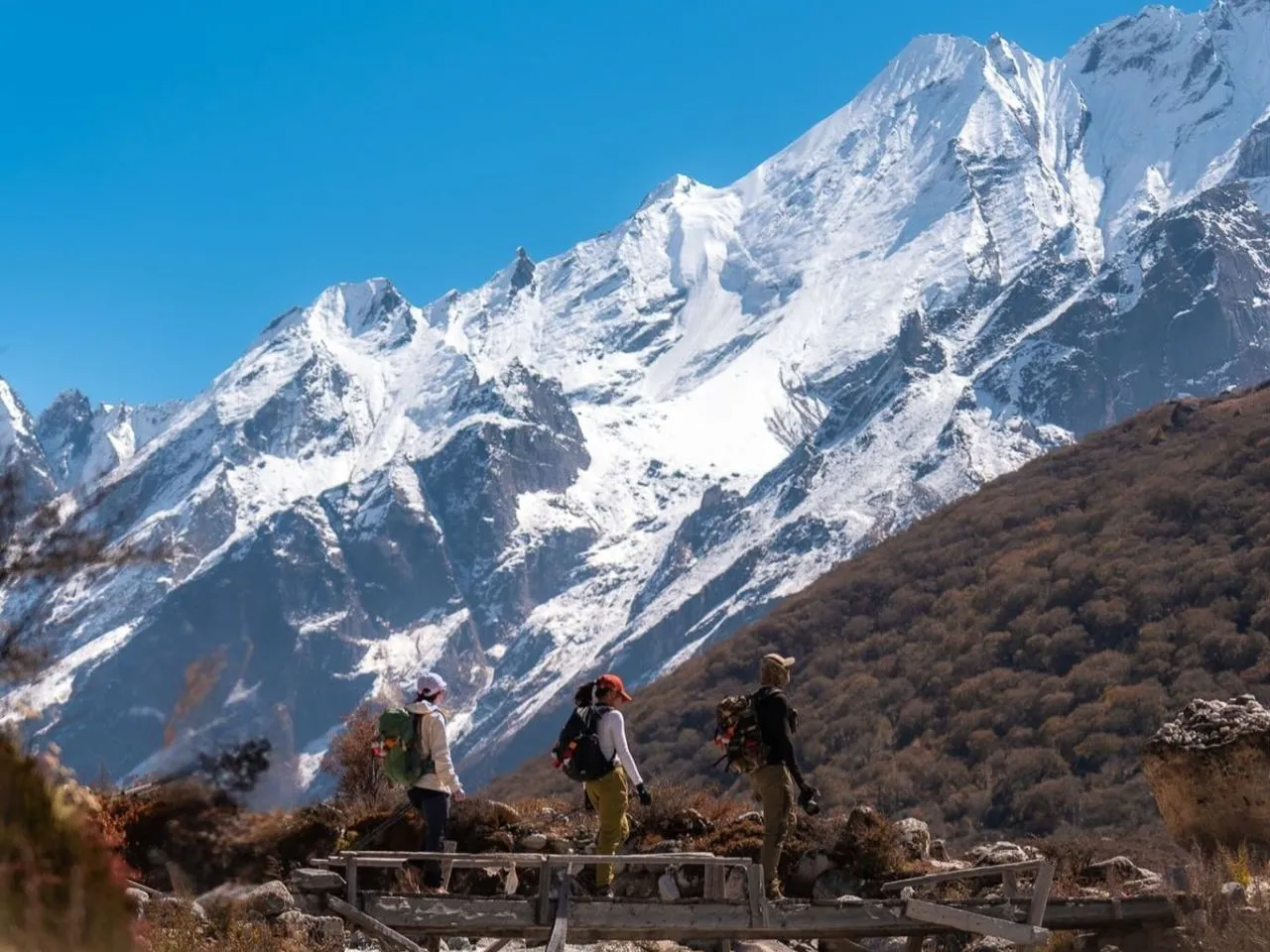
Langtang Luxury Trek – 10 Days
Langtang Luxury Trek – 10 Days
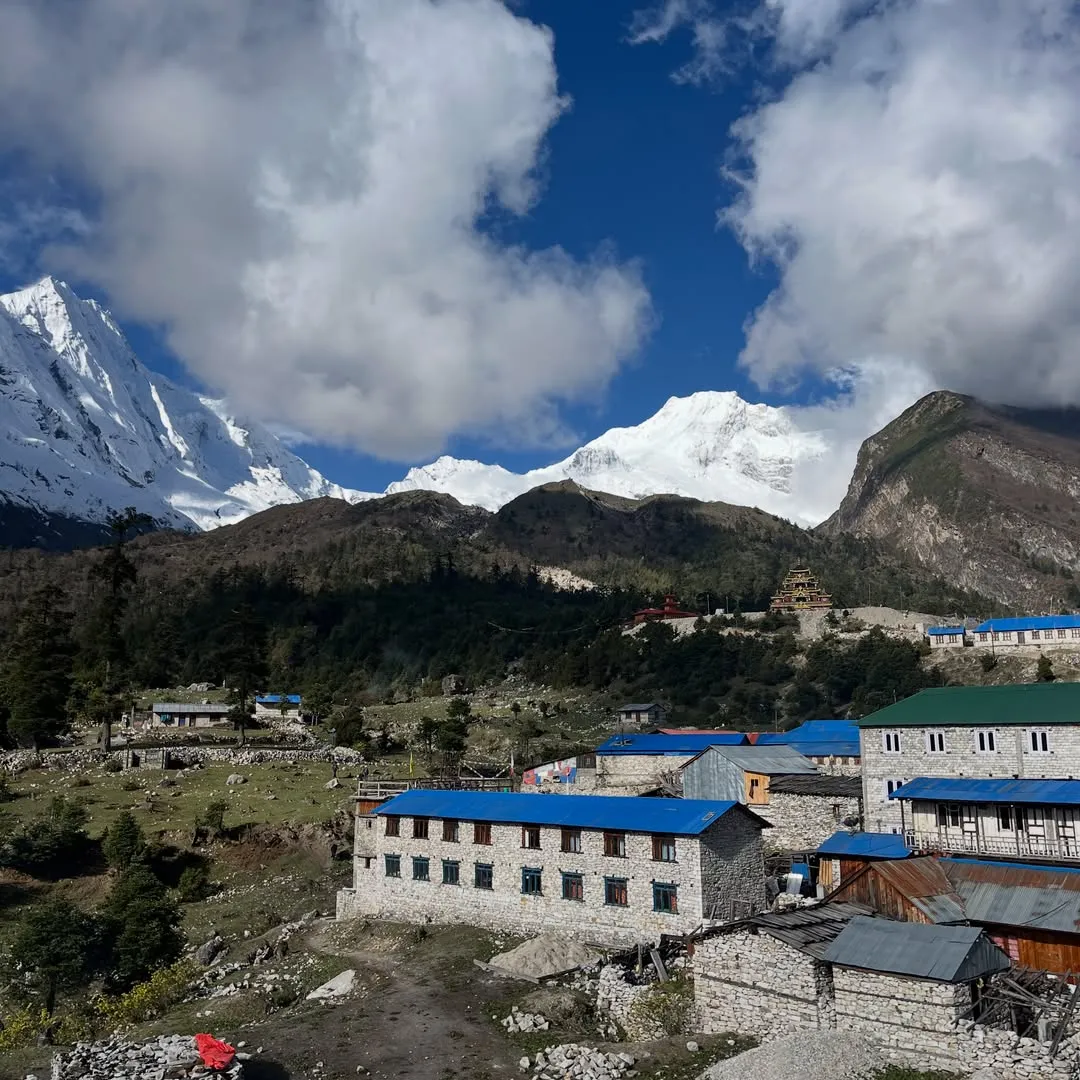
Manaslu Family Trek – 12 Days
Manaslu Family Trek – 12 Days
Manaslu Luxury Trek – 14 Days
Manaslu Luxury Trek – 14 Days

Manaslu Photography Trek – 17 Days
Manaslu Photography Trek – 17 Days
 English
 Deutsch
 Svenska
 Dansk
Dansk Русский
 Français
 Português
 Español
 Polski
 简体中文
简体中文 日本語
日本語 ไทย
ไทย العربية
 한국어
한국어