
快速回答
The Kanchenjunga North Base Camp route in 2027 to 2030 traverses Limbu, Sherpa, and Tibetan Buddhist villages from Taplejung at 1,820 m to Pangpema at 5,143 m. Key cultural stops include Taplejung Limbu bazaar, Sakathum mixed Limbu and Sherpa village, Ghunsa at 3,415 m with the 700 year old monastery, Kambachen at 4,050 m with yak herder families, and Pangpema base camp with Buddhist prayer flags. The trek runs 18 to 22 days at $2,200 to $3,200 per person, requiring restricted area permits.
细分
The Kanchenjunga North Base Camp trek starts at Taplejung at 1,820 m, accessible via a 50 minute flight from Bhadrapur or a 2 day jeep from Kathmandu. The route climbs through Mitlung at 920 m, Chirwa at 1,271 m, Sakathum at 1,660 m, Amjilosa at 2,510 m, Gyabla at 2,730 m, Ghunsa at 3,415 m, Kambachen at 4,050 m, and Lhonak at 4,790 m before reaching Pangpema at 5,143 m, the North Base Camp.
The cultural narrative shifts as the route climbs. Taplejung at 1,820 m is the Limbu heartland, where the Saturday market sells fermented millet beer (tongba), fermented bamboo (mesu), and Limbu woven textiles. Sakathum at 1,660 m sits at the Limbu and Sherpa transition zone, where mixed families speak both Limbu and Tibetic languages. The Limbu practice Mundhum animism alongside Hindu and Buddhist influences.
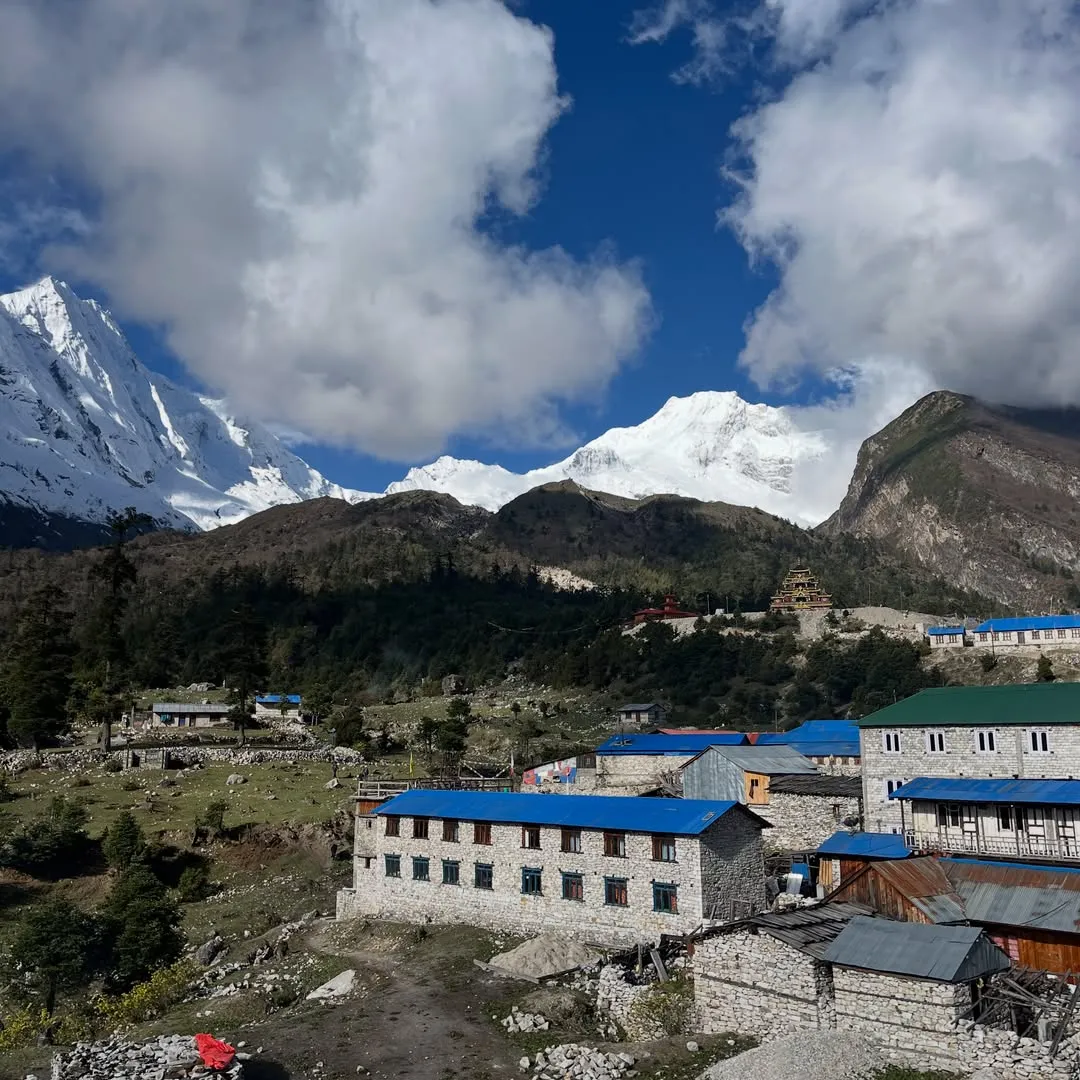
Ghunsa at 3,415 m is the cultural heart of the route, a Tibetan Buddhist Sherpa village with the 700 year old Ghunsa Monastery belonging to the Nyingma sect. The monastery hosts the Dhachang festival in November with masked cham dance. Stone houses with carved wooden window frames, prayer wheels at the village entrance, and yak caravans returning from high pastures define daily life.
成本/组件分解
| 组成 | 18天标准 | 22 Day with Festivals |
|---|---|---|
| Kanchenjunga restricted area permit | 每周$20 | 每周$20 |
| 干城章嘉保护区许可证 | $30 | $30 |
| 蒂姆斯卡 | $17 | $17 |
| Guide (Sherpa speaking) | $540 至 $720 | $660 至 $880 |
| 搬运工啤酒 | $432 至 $576 | $528 to $704 |
| 茶馆住宿 | $360 至 $480 | $440 至 $580 |
| Meals (with local dishes) | $540 至 $720 | $660 至 $880 |
| 加德满都 飞往 巴德拉普尔 的航班 | $180 至 $220 | $180 至 $220 |
| 巴德拉普尔到塔普尔荣格吉普车 | $80 至 $120 | $80 至 $120 |
| 直升机疏散保险 | $80 至 $120 | $80 至 $120 |
| 卫星信使租赁 | $60 至 $90 | $60 至 $90 |
| 每人总数(4人组) | $2,200 至 $2,800 | $2,600 至 $3,200 |
什么影响答案
Three factors shape the cultural experience. First, festival timing: the November Dhachang festival at Ghunsa Monastery falls on the full moon and adds masked cham dance, monastic chanting, and pilgrim gatherings. The August Janai Purnima festival at Pangpema adds pilgrim visits and Hindu Buddhist syncretism. Booking 12 weeks ahead for festival departures is essential.
预订提示
Book Kanchenjunga North packages 10 weeks ahead for festival departures, since restricted area permits take 5 to 7 working days and Bhadrapur flights run 5 times weekly with 25 percent weather cancellation. Ask the operator for a named Sherpa speaking guide with 5 or more prior Kanchenjunga trips.
Verify the package includes Kanchenjunga restricted area permit, Conservation Area permit, TIMS, satellite messenger rental, and helicopter evacuation insurance. Confirm teahouse reservations at Ghunsa and Kambachen for festival departures, since beds fill 6 weeks ahead.
与替代品的比较
The Kanchenjunga South Base Camp trek runs $2,000 to $3,000 for 16 to 20 days and reaches Oktang at 4,730 m, suitable for trekkers wanting southern views of Kanchenjunga. The Kanchenjunga Circuit runs $2,400 to $3,500 for 22 to 26 days and crosses both north and south base camps, suitable for trekkers wanting full Kanchenjunga experience. The Manaslu Circuit runs $1,200 to $2,200 for 14 to 18 days and reaches 5,106 m at Larkya La, suitable for trekkers wanting Tibetan Buddhist culture with shorter commitment.
避免的常见错误
Do not book a Kanchenjunga North package without a Sherpa speaking guide, since cultural exchange with monastery monks and yak herders depends on language access. Avoid operators that rush the Ghunsa acclimatization day, since the village is the cultural heart of the route.
常问问题
What is the cultural highlight of the Kanchenjunga North Base Camp trek?Ghunsa at 3,415 m, with the 700 year old Nyingma sect monastery hosting the November Dhachang festival with masked cham dance, monastic chanting, and pilgrim gatherings.
Which ethnic groups live along the Kanchenjunga North route?Limbu at Taplejung and lower elevations practicing Mundhum animism, Sherpa at Ghunsa and Kambachen practicing Tibetan Buddhism, and seasonal yak herder families moving between winter and summer pastures.
What is the best month for cultural experiences on the Kanchenjunga North route?November for the Dhachang festival at Ghunsa Monastery with masked cham dance. August for Janai Purnima pilgrim visits to Pangpema base camp. October for harvest activity in lower villages.
How much does the Kanchenjunga North Base Camp trek cost?$2,200 to $3,200 per person for 18 to 22 days, including restricted area permit, Conservation Area permit, TIMS, Sherpa speaking guide, porter, teahouse lodging, meals, flights, and helicopter evacuation insurance.
总结
The Kanchenjunga North Base Camp route traverses Limbu, Sherpa, and Tibetan Buddhist villages from Taplejung to Pangpema at 5,143 m. Cultural highlights include the 700 year old Ghunsa monastery, traditional Limbu fermented foods, Tibetan Buddhist chortens, and yak caravans.
结局
Pick the 22 day Kanchenjunga North package at $2,600 to $3,200 with festival timing for the deepest cultural experience, including the November Dhachang festival at Ghunsa Monastery and yak herder visits at Kambachen. Book 10 to 12 weeks ahead through a Kathmandu based operator with a named Sherpa speaking guide, carry 30,000 rupees cash and kata offerings, and accept slower pace for monastery visits. Kanchenjunga North rewards preparation with the deepest Sherpa and Tibetan Buddhist culture in eastern Nepal.
推荐的 Trek 套餐
徒步旅行的地方
Explore Trips in Nepal
Hand-picked guided trips to this destination

 English
 Deutsch
 Svenska
 Dansk
Dansk Русский
 Français
 Português
 Español
 Polski
 简体中文
简体中文 日本語
日本語 ไทย
ไทย العربية
 한국어
한국어