
resposta rápida
Upper Dolpo ranks among Nepal's strongest destinations for Tibetan culture and landscape photography because it preserves pre-1959 Bon Buddhist village life inside the trans-Himalayan rain shadow. Photographers work with turquoise Phoksundo Lake, the crystal gompa at Shey, the medieval salt caravan villages of Saldang and Namdo, and high passes above 5,200 metres under clear October light. The 18 to 24 day circuit in 2027 costs USD 3,500 to USD 4,800 per person with a full camp crew.
Detalhamento detalhado
Upper Dolpo sits in the rain shadow north of the Dhaulagiri range. Bon Buddhist communities have run trans-Himalayan salt and grain trade with Tibet for nine centuries. Shey Gompa, founded in the 11th century, sits below the crystal mountain and remains an active pilgrimage site. Saldang, Namdo, and Karang villages host medieval style gompas with masked cham dance festivals in late summer and autumn.
The photography value comes from subject density. A single morning at Ringmo produces sunrise reflections on Phoksundo Lake, yak caravans crossing wooden bridges, and Bon nuns walking between chortens. Crossing Kang La at 5,360 metres opens views of the Annapurna and Dhaulagiri massifs in single frames.
The route crosses three passes above 5,000 metres. Trekkers camp 12 to 16 nights because lodges stop at Ringmo. A full camp crew with guide, cook, and mules is mandatory under the 2024 Nepal guide rule.
Distribuição de custo/componente
| componente | Upper Dolpo 22 day | Lower Dolpo 12 day | Mustang 14 day |
|---|---|---|---|
| Permissão de área restrita | $500 first 14 days | $20 por semana | $500 first 10 days |
| Guia e cozinhe | $60 to $80 per day | $40 a $55 | $35 a $50 |
| Camp crew and mules | $30 a $45 por dia | $20 a $30 | não é obrigatório |
| Full board food and fuel | $25 a $35 por dia | $20 a $25 | $25 to $35 lodge food |
| Domestic flights Juphal | $320 return | $320 return | $280 Jomsom |
| Total por pessoa | $3,500 to $4,800 | $1.800 a $2.400 | $2.200 a $2.800 |
O que afeta a resposta
Season affects light quality. October and November deliver the clearest atmospherics, with sunrise at 6:30 am and golden hour at 4:45 pm. Spring March to May has more haze from dust blown off the Tibetan plateau, which softens distant peaks but flattens midday colour.
Permit access affects timing. The Upper Dolpo Restricted Area Permit costs USD 500 per person for the first 14 days and USD 50 per day beyond. Permits are issued only through a Kathmandu registered operator.
Group size drives per head cost. A solo trekker pays the same crew cost as a group of four. Per head cost for two trekkers runs 50 to 70 percent higher than for four. Most operators require a minimum of two trekkers to start a departure.
Dicas de reserva
Book a Kathmandu operator with at least five Upper Dolpo departures in two seasons. Ask for a guide who speaks Tibetan and Nepali. Route finding above Shey Gompa is complex.
Carry two camera bodies and 6 to 8 batteries. Solar charging exists at Shey and Saldang but is unreliable. Bring a 70-200 mm lens for portraits and a 16-35 mm for landscapes. Pack silica gel for night condensation above 4,000 metres.
Comparação com alternativas
Compared with Lower Dolpo, Upper Dolpo has stronger Tibetan cultural identity. Lower Dolpo runs 8 to 12 days and stops at Phoksundo Lake. Upper Dolpo runs 18 to 24 days and crosses into the high plateau where villages speak Tibetan dialects and practice Bon rituals.
Compared with Mustang, Upper Dolpo is less developed. Mustang has a road to Lo Manthang and lodges at every village. Upper Dolpo has no road above Juphal and only basic lodges at Ringmo and Shey Gompa.
Compared with Limi Valley, Upper Dolpo has more gompa density. Limi runs 14 to 18 days with three villages. Upper Dolpo visits six or more villages.
Erros comuns a evitar
Booking for monsoon. July and August cloud cover kills landscape photography in the high passes. Stick to October and November for clear atmospherics in 2027.
Carrying one camera body. Dust and cold cause battery and shutter failures. Carry two bodies with overlapping focal lengths so a single failure does not end the trip.
Skipping the festival window. The Shey Dragon festival in late August draws pilgrims from across Dolpo and Tibet. Book nine months ahead for festival dates since camp spots are limited.
FAQ
What makes Upper Dolpo good for Tibetan culture and landscape photography?
Upper Dolpo preserves Bon Buddhist village life unchanged since the 11th century, with active gompas at Shey, Saldang, and Karang, and trans-Himalayan landscapes across three passes above 5,000 metres. October light delivers clean atmospherics for wide angle landscape work.
When is the best photography season in Upper Dolpo?
October and November. The post monsoon atmosphere is cleanest, golden hour runs 4:30 pm to 5:15 pm, and high passes stay snow free until mid November. Late August coincides with the Shey festival for cultural work.
Do I need camping gear for Upper Dolpo photography?
Yes. Lodges end at Ringmo on Phoksundo Lake. Above Ringmo and beyond Shey Gompa, full camping with tents, cook, and mules is required. Operators supply the camp gear as part of the package.
How much does an Upper Dolpo photography trek cost?
Between USD 3,500 and USD 4,800 for an 18 to 24 day circuit. The cost includes the USD 500 restricted area permit, full camp crew, mules, food, fuel, and the Juphal flight. Solo trekkers pay a 30 to 40 percent single supplement.
resumo
Upper Dolpo combines dense Tibetan Bon cultural access with high altitude trans-Himalayan landscape photography across three passes above 5,000 metres. Plan 18 to 24 days in October 2027, budget USD 3,500 to USD 4,800, and book through a Kathmandu operator with proven Upper Dolpo experience.
conclusão
For photographers who can commit the time and budget, Upper Dolpo is the strongest single destination in Nepal for Tibetan cultural and trans-Himalayan landscape work. Treat it as an expedition, pack redundant camera gear, and time the trip for October atmospherics.
Pacotes de Trek recomendados
Trekking Places para explorar
Explore Trips in Nepal
Hand-picked guided trips to this destination
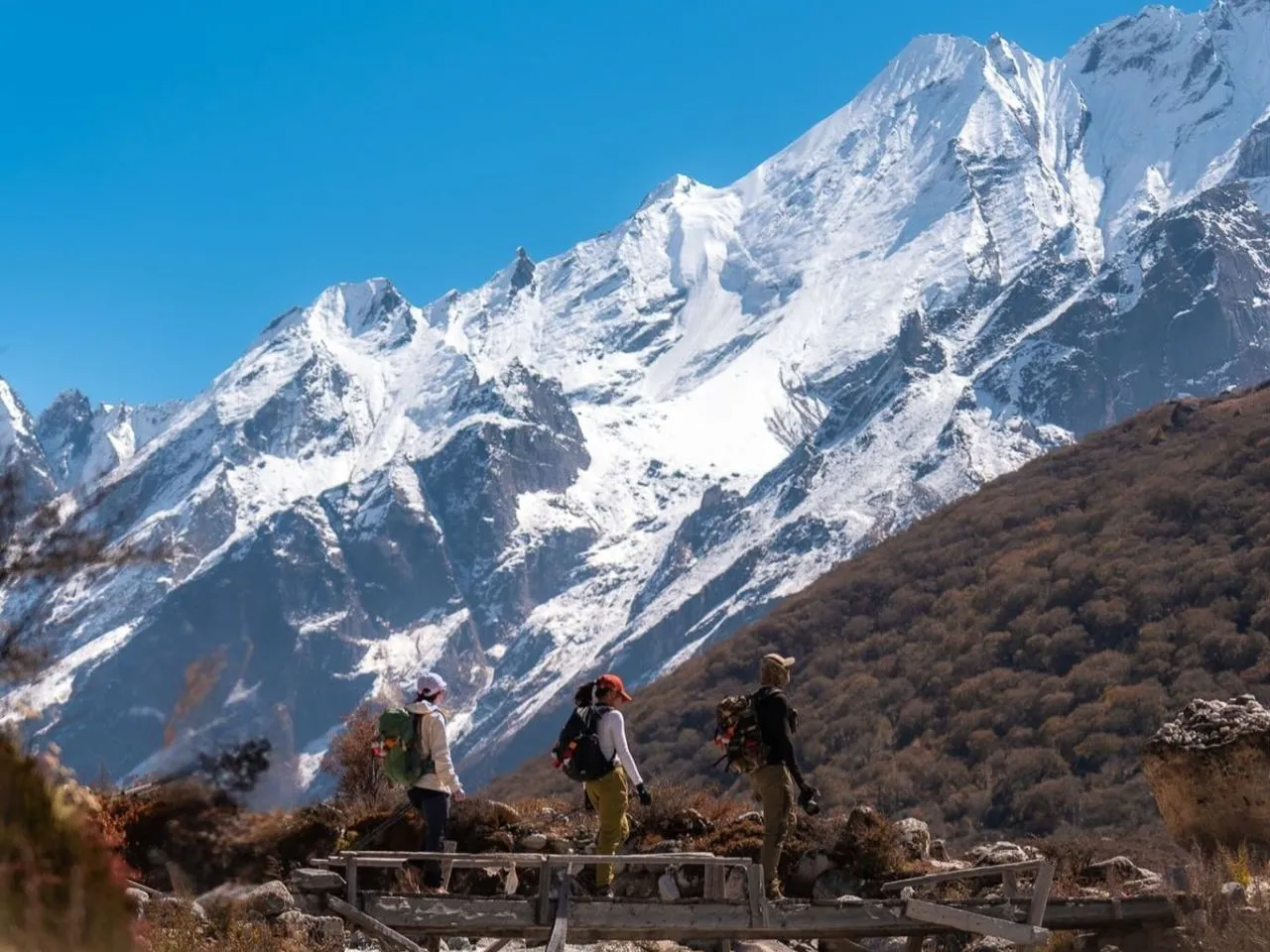
Trek de luxo Langtang – 10 dias
Trek de luxo Langtang – 10 dias
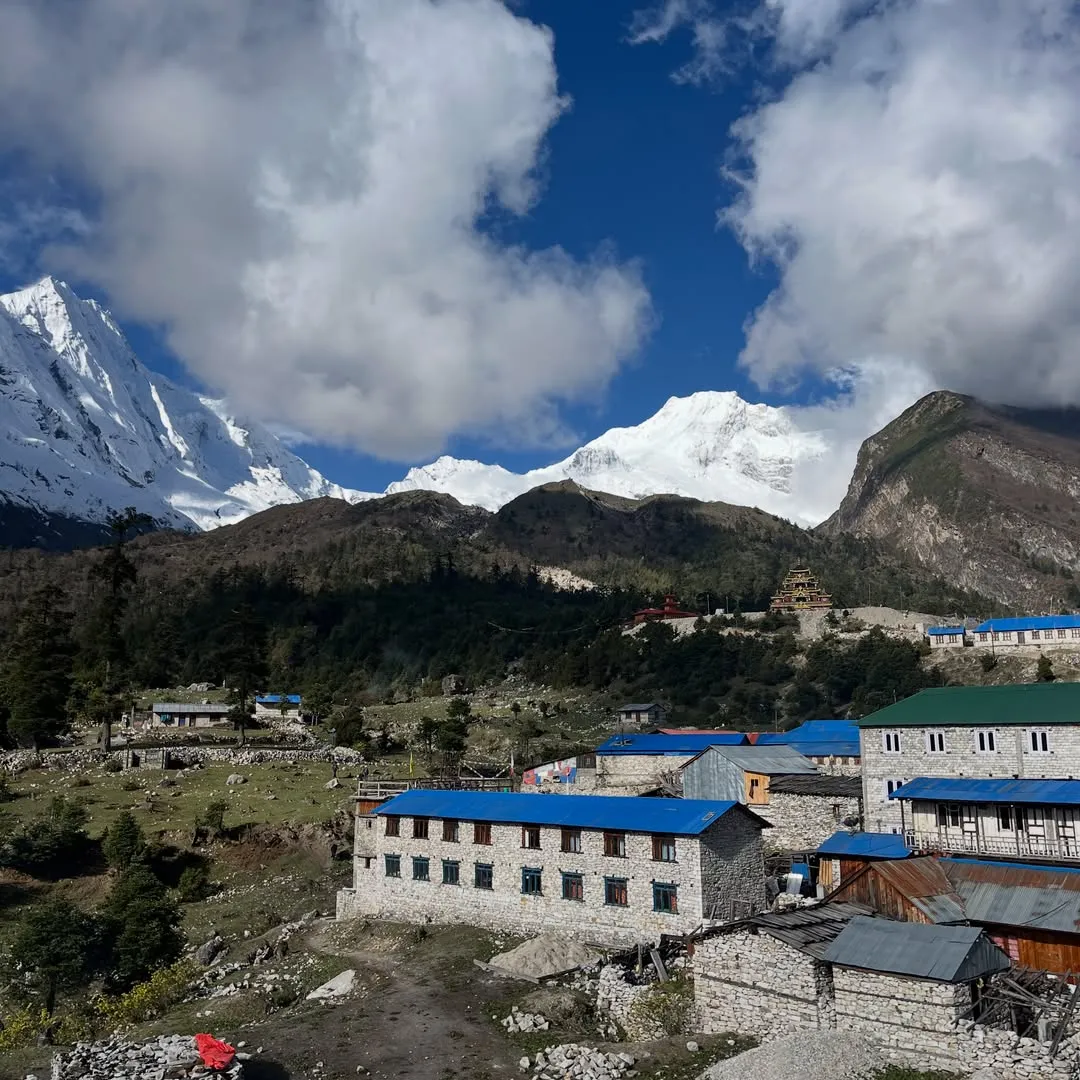
Trek em família Manaslu – 12 dias
Trek em família Manaslu – 12 dias
Trek de luxo em Manaslu – 14 dias
Trek de luxo em Manaslu – 14 dias

Trek de fotografia de Manaslu – 17 dias
Trek de fotografia de Manaslu – 17 dias
 English
 Deutsch
 Svenska
 Dansk
Dansk Русский
 Français
 Português
 Español
 Polski
 简体中文
简体中文 日本語
日本語 ไทย
ไทย العربية
 한국어
한국어