
resposta rápida
The Helambu Trek offers direct contact with the Hyolmo people, a Sherpa sub group with their own language and Buddhist tradition. The 5 to 8 day circuit passes through stone built villages like Tarkeghyang, Sermathang, and Melamchi Gaon, with active monasteries, apple orchards, and weekend village markets. Cultural contact is genuine and uncrowded compared with Khumbu.
Detalhamento detalhado
Helambu is the homeland of the Hyolmo people, a Sherpa sub group who migrated from Tibet over the past 500 years and developed their own dialect, dress, and Buddhist practice. The region sits north of Kathmandu inside the Langtang National Park and Shivapuri Nagarjun National Park, with the trek starting at Sundarijal and ending at Melamchi Pul.
The cultural highlights are the villages themselves. Tarkeghyang at 2,560 metres has a 400 year old monastery with an annual festival in October. Sermathang at 2,610 metres has a small Hyolmo museum and a school run by the local Hyolmo Welfare Society. Melamchi Gaon at 2,530 metres is the cultural heart with traditional stone houses and apple orchards.
The route crosses the homeland at altitudes between 1,460 metres at Sundarijal and 3,650 metres at Tharepati. The lower sections pass Tamang and Chhetri villages. The upper sections pass Hyolmo villages. This makes Helambu one of the most culturally diverse week long treks in Nepal.
Distribuição de custo/componente
| componente | Helambu 7 day | Langtang Valley 9 day | Ghorepani Poon Hill 5 day |
|---|---|---|---|
| Drive Kathmandu to Sundarijal | $15 local bus or $80 private jeep | $30 bus to Syabrubesi | $30 bus to Nayapul |
| guia | $30 a $45 por dia | $30 a $45 | $30 a $45 |
| pensão completa do alojamento | $20 a $30 por dia | $25 a $35 | $25 a $35 |
| Monastery donation | $5 to $10 suggested | $5 a $10 | não aplicável |
| autorizar | $30 Langtang NP mais Tims | $30 mais tims | $30 ACAP mais TIMS |
| Total 7 day | $700 a $1.100 | $900 A $1.400 | $600 a $900 |
O que afeta a resposta
Season affects cultural contact. October brings the Hyolmo Losar festival and the Tarkeghyang monastery festival. March and April bring the apple blossom in the lower villages. Trekkers in 2027 should time their visit with one of these windows for the strongest cultural experience.
Lodge choice affects depth of contact. Family run lodges in Tarkeghyang and Sermathang offer meals with the host family and conversation in basic English. Larger lodges at Tharepati and Kutumsang cater to group traffic and feel less personal.
Guide background matters. A Hyolmo or Sherpa guide speaks the local language and can arrange monastery visits, village walks, and meetings with the Hyolmo Welfare Society. A non Hyolmo guide can deliver the trek but with less depth.
Itinerary shape matters. The standard 5 day Helambu loop skips Sermathang and Melamchi Gaon. The 7 to 8 day version adds these villages and gives a fuller cultural experience.
Dicas de reserva
Book a 7 to 8 day itinerary rather than the compressed 5 day version. The longer route includes Sermathang and Melamchi Gaon, the two most culturally rich villages. Request a Hyolmo speaking guide through a Kathmandu operator with Helambu experience.
Carry small NPR notes for monastery donations and for buying apples and handicrafts directly from village families. The Hyolmo Welfare Society in Sermathang welcomes visitors who want to learn about Hyolmo education and healthcare projects.
Comparação com alternativas
Compared with Langtang Valley, Helambu is lower altitude and more culturally focused. Langtang reaches 3,870 metres at Kyanjin Gompa but the cultural contact is more limited to Tamang villages. Helambu delivers deeper Hyolmo contact.
Compared with Tamang Heritage Trail, Helambu is shorter and closer to Kathmandu. Tamang Heritage Trail offers a similar Tamang Buddhist culture in the Rasuwa district north of Langtang but takes 9 to 11 days with a longer drive.
Compared with Khumbu Sherpa trekking routes, Helambu offers Sherpa culture without the Lukla flight or the 14 day commitment. The cultural authenticity is comparable, the crowds are smaller, and the cost is half.
Erros comuns a evitar
Booking the 5 day compressed loop. The 5 day version skips Sermathang and Melamchi Gaon, the two best cultural villages. Pay the extra two days for the full 7 day route.
Skipping monastery visits. The 400 year old monastery at Tarkeghyang and the smaller gompas at Sermathang and Melamchi Gaon are the cultural highlights. Ask the guide to arrange a short visit and a meeting with the resident lama if available.
FAQ
What kind of village and cultural experience does the Helambu Trek offer?
Helambu offers direct contact with the Hyolmo Sherpa people through villages like Tarkeghyang, Sermathang, and Melamchi Gaon. There are active monasteries, apple orchards, traditional stone houses, and weekend village markets. Cultural contact is genuine and uncrowded.
Who are the Hyolmo people?
The Hyolmo are a Sherpa sub group who migrated from Tibet over the past 500 years and developed their own dialect, dress, and Buddhist practice. They live in the Helambu region north of Kathmandu inside Langtang and Shivapuri Nagarjun National Parks.
What is the best season for Helambu cultural trekking?
October brings the Hyolmo Losar festival and the Tarkeghyang monastery festival. March and April bring the apple blossom. Both windows offer the strongest cultural experience. October is busier, March is quieter.
Do I need a guide for the Helambu Trek?
Yes. Nepal requires a licensed guide on all treks from 2024. A Hyolmo or Sherpa guide adds significant cultural depth by translating, arranging monastery visits, and connecting trekkers with village families.
resumo
The Helambu Trek offers genuine Hyolmo Sherpa cultural contact across villages like Tarkeghyang, Sermathang, and Melamchi Gaon, with monasteries, apple orchards, and traditional stone houses. Book a 7 to 8 day itinerary with a Hyolmo speaking guide and budget $700 to $1,100 for the full experience.
conclusão
Trekkers seeking Sherpa culture without the Khumbu flight should choose Helambu for 2027. The week long circuit, the Hyolmo speaking guide, and the active monastery life make it the most accessible cultural trek from Kathmandu, with depth that justifies the longer itinerary.
Pacotes de Trek recomendados
Trekking Places para explorar
Explore Trips in Nepal
Hand-picked guided trips to this destination
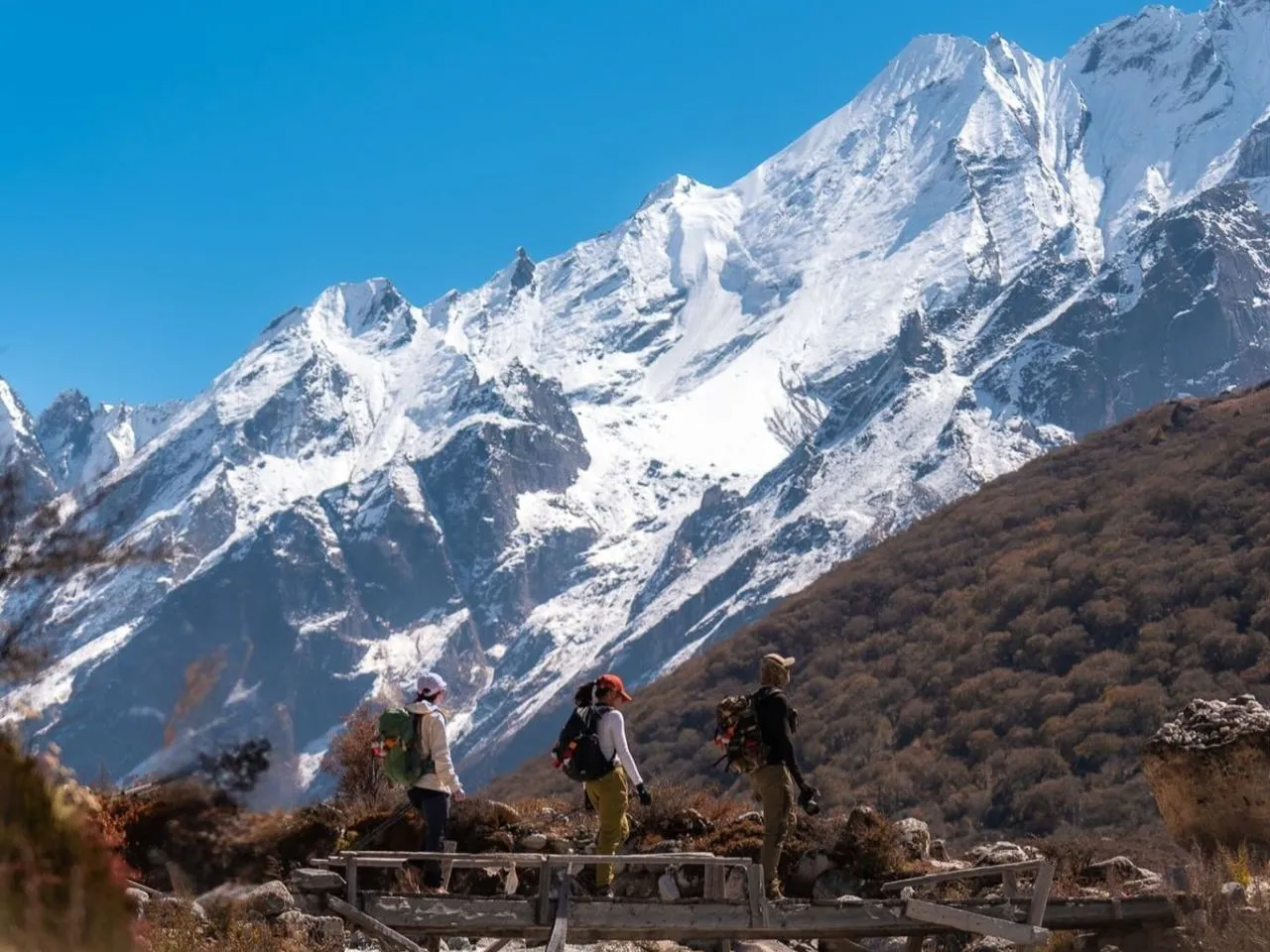
Trek de luxo Langtang – 10 dias
Trek de luxo Langtang – 10 dias
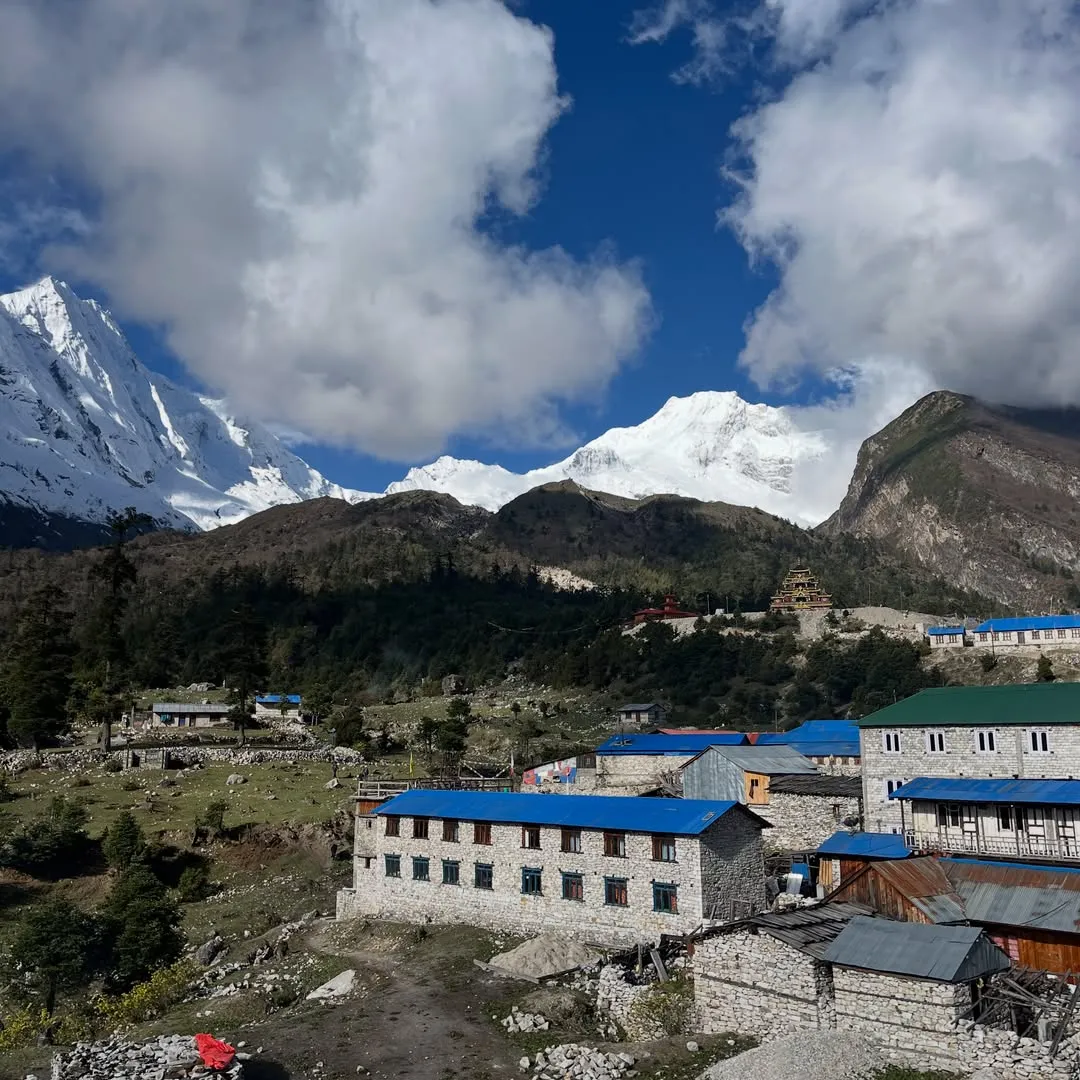
Trek em família Manaslu – 12 dias
Trek em família Manaslu – 12 dias
Trek de luxo em Manaslu – 14 dias
Trek de luxo em Manaslu – 14 dias

Trek de fotografia de Manaslu – 17 dias
Trek de fotografia de Manaslu – 17 dias
 English
 Deutsch
 Svenska
 Dansk
Dansk Русский
 Français
 Português
 Español
 Polski
 简体中文
简体中文 日本語
日本語 ไทย
ไทย العربية
 한국어
한국어