
resposta rápida
Yes. Far-west Nepal is the least commercialised trekking region in the country in 2027, with routes like the Api Nampa Trek seeing fewer than 200 foreign trekkers a year. You trade comfortable teahouse infrastructure for genuine solitude, raw scenery, and lower permit costs than restricted Mustang or Dolpo. Plan for basic lodges, long days between villages, and a self-sufficient attitude.
Detalhamento detalhado
Far-west Nepal runs from the Mahakali river border with India to the western edge of the Dhaulagiri massif. The Api Nampa Conservation Area covers 1,903 square kilometres around Mount Api at 7,132 m and Mount Nampa at 6,757 m, and the trek route climbs from 800 m at Gokuleshwor to around 4,000 m at the Api base camp viewpoint over 12 to 16 days. Trail traffic averages 15 to 20 trekkers a month in peak season.
Compared with Annapurna or Khumbu, far-west routes lack hot showers, Wi-fi at every lodge, and English menus. Lodges are family-run wooden guesthouses with shared squat toilets, dal bhat twice a day, and one or two rooms with solar lighting. In 2027 prices run $15 to $25 per night including meals, about half what Annapurna lodges charge.
The compensation is cultural depth. The region is home to Khas, Bhotia, and Byansi communities who still trade across the Mahakali. You will walk for days without seeing another foreign group and cross old salt route passes without queueing at viewpoints.
The trade-off is logistics. The nearest roadhead at Gokuleshwor is a 22 hour bus ride or a 2 hour flight plus drive from Kathmandu. If weather closes the Darchula road, you lose days. Carry a 5 day food buffer for the upper section.
Distribuição de custo/componente
| componente | detalhe | Custo (USD) |
|---|---|---|
| Permissão da Área de Conservação API Nampa | Single entry, 30 days | $15 |
| cartão tims | Through registered agency | $10 |
| Guide (mandatory in 2027) | 16 days at $25/day | $400 |
| Lodges with meals | 14 nights at $20 average | $280 |
| Kathmandu to Gokuleshwor transport | Flight plus private jeep | $220 |
| Food buffer and snacks | 5 day supply above Darchula | $45 |
| Total por trekker | 16 day Api Nampa base | $970 |
O que afeta a resposta
Your tolerance for basic infrastructure is the largest factor. Trekkers who need hot showers and Wi-fi every night will struggle. Those who have already trekked in Kanchenjunga or Manaslu will find Api Nampa similar but quieter.
Season matters. October and November give the clearest skies; March and April bring rhododendron bloom below 3,000 m. Avoid June through September when monsoon rain washes out the Darchula road and leeches infest the lower valleys.
Group size shifts the cost. A solo trekker pays full guide fees. Two trekkers split the guide cost in half. Four trekkers reduce per-head guide cost to $100 each.
Dicas de reserva
Book 4 to 6 months ahead with a Kathmandu operator who has run far-west routes before. Ask for the guide's previous Api Nampa assignments and confirm the permit arrangement before paying. Schedule 2 buffer days in Kathmandu on return for delayed flights.
Carry USD cash for the upper section. ATMs in Darchula are unreliable, and card payment does not exist above Gokuleshwor. Bring your own water filter or purification tablets; bottled water is unavailable above 2,000 m.
Comparação com alternativas
Upper Mustang offers similar arid landscapes but at $500 for the restricted-area permit alone and with 5,000 plus trekkers a year. Upper Dolpo is even more remote at $500 per person for 10 days and a 14 to 28 day commitment. Kanchenjunga has stronger lodge infrastructure and 1,200 annual trekkers. Api Nampa sits below all three on commercialisation and on cost, with comparable mountain scenery and a shorter minimum commitment.
Erros comuns a evitar
Treating far-west Nepal like Annapurna is the most common error. Trekkers arrive without a food buffer and run out above 3,000 m where shops are empty. Underestimating transport time is the second mistake: the Darchula road can lose a full day to a single landslide. Skipping a guide because the route seems easy leads to misroute problems above Chiureni where trails fork without signs.
Booking cheap permits through unregistered agents in Darchula risks fines and abandoned trips. Always verify TIMS and Api Nampa permits in Kathmandu before departure.
FAQ
Is the Api Nampa Trek safe for solo trekkers in 2027? No. Nepal now requires a licensed guide for all trekkers, and far-west routes have poor signage and limited rescue infrastructure. A guide is both legally required and practically necessary.
How do I reach the Api Nampa trailhead? Fly Kathmandu to Dhangadhi, drive 8 hours to Gokuleshwor, then walk or take a local jeep to Chiureni. Budget 2 full travel days from Kathmandu.
What is the best month for far-west Nepal? October for stable weather and clear mountain views, followed by November. March and April work for warmer valleys and spring flowers.
Do I need a restricted-area permit for Api Nampa? No. Only the Api Nampa Conservation Area Permit at $15 and TIMS Card at $10. Restricted permits apply to Upper Mustang, Upper Dolpo, and Kanchenjunga, not here.
Is helicopter rescue accepted in far-west Nepal? Yes, but it is slow. Use a policy that covers $10,000 in evacuation and carries a satellite phone with the guide.
resumo
Far-west Nepal delivers the least commercial trekking in the country in 2027. The Api Nampa Trek offers 12 to 16 days of quiet trails, basic lodges, and authentic village culture at around $970 per trekker. The trade-off is logistics, transport time, and self-sufficiency. Prepare for basic infrastructure and you will be rewarded with a Nepal most trekkers never see.
conclusão
If you have already done the popular routes and want genuine solitude without paying restricted-area permit rates, far-west Nepal answers the question. Choose Api Nampa for 12 to 16 days of wild walking in 2027, arrive with a guide, food buffer, and patience for transport, and you will find the quietest corner of the Nepali Himalaya still open to foreign trekkers.
Pacotes de Trek recomendados
Trekking Places para explorar
Explore Trips in Nepal
Hand-picked guided trips to this destination
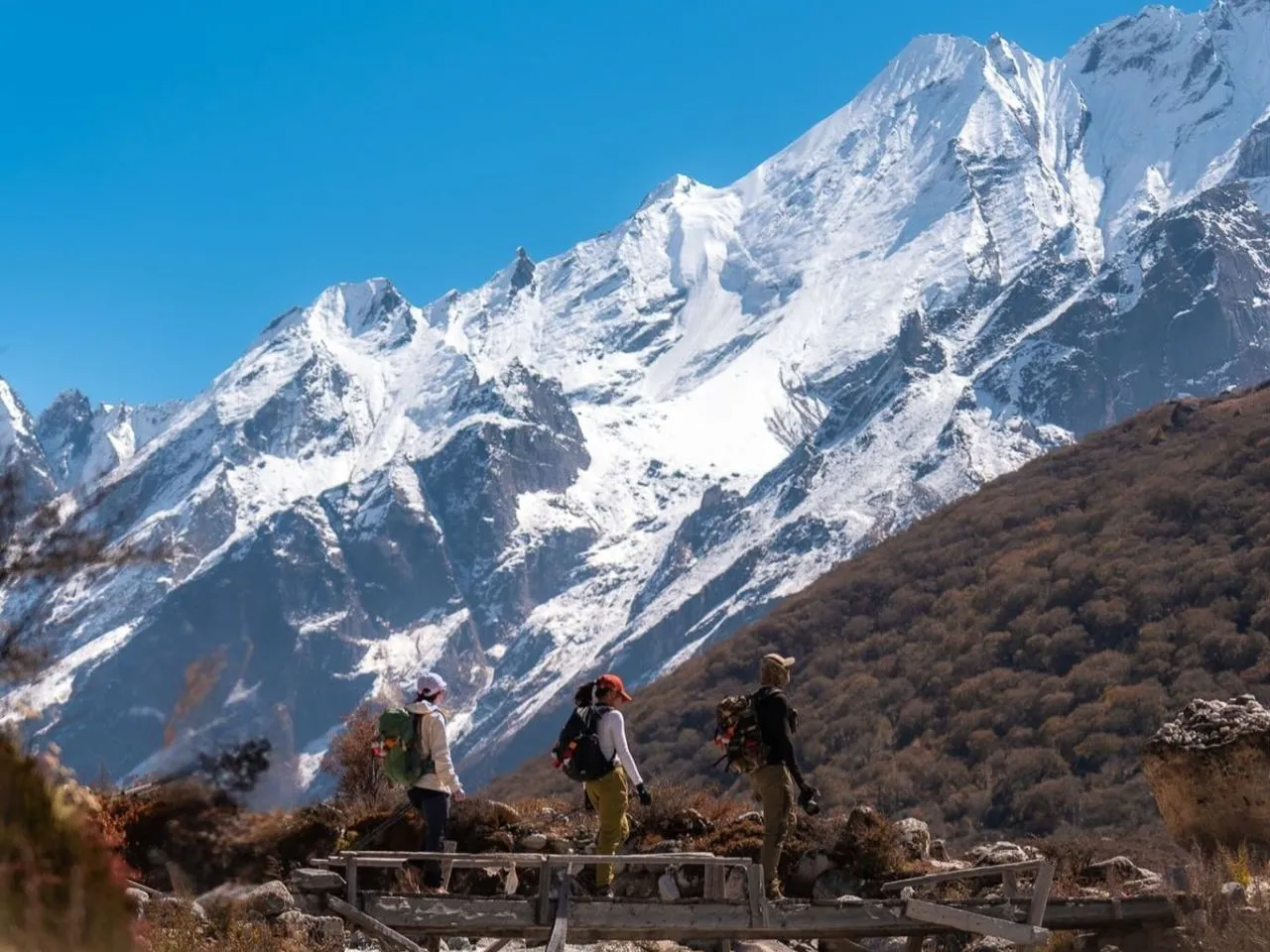
Trek de luxo Langtang – 10 dias
Trek de luxo Langtang – 10 dias
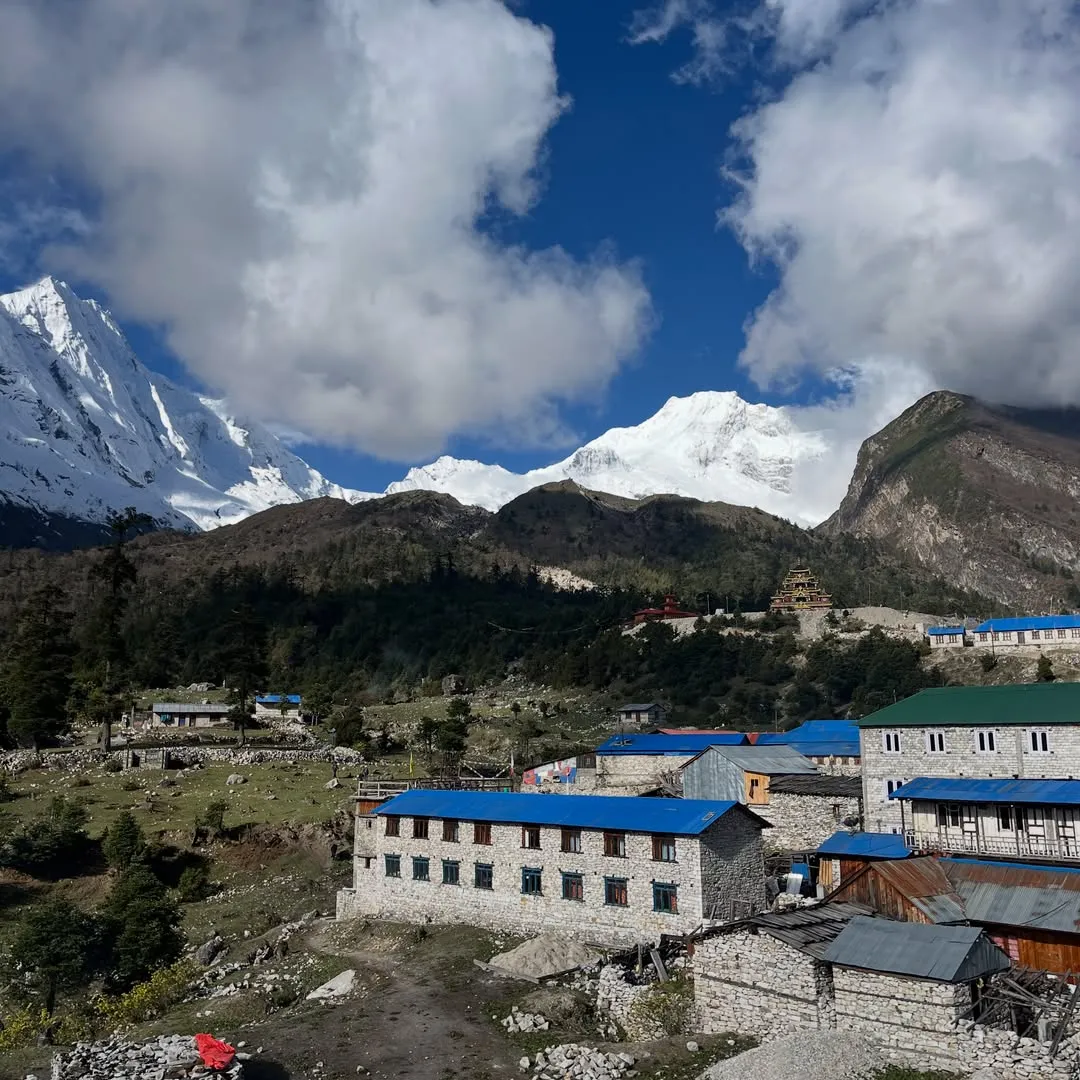
Trek em família Manaslu – 12 dias
Trek em família Manaslu – 12 dias
Trek de luxo em Manaslu – 14 dias
Trek de luxo em Manaslu – 14 dias

Trek de fotografia de Manaslu – 17 dias
Trek de fotografia de Manaslu – 17 dias
 English
 Deutsch
 Svenska
 Dansk
Dansk Русский
 Français
 Português
 Español
 Polski
 简体中文
简体中文 日本語
日本語 ไทย
ไทย العربية
 한국어
한국어