
빠른 답변
October temperatures on the Everest Base Camp trek range from 10 to 15 degrees Celsius in Lukla and Namche during the day, dropping to 5 to 8 degrees at Dingboche and Lobuche, and falling to minus 5 to minus 10 at night at Gorak Shep and Base Camp. October is the clearest and most stable month of the year, with crisp blue skies, low wind, and almost no precipitation. Pack a minus 15 rated sleeping bag, four layers, and a warm hat for the cold mornings at altitude.
October is the single most popular month for EBC because the weather is predictable, the mountain views are at their clearest, and the trails are dry and firm after the monsoon. The cold is real but manageable with the right gear.
상세 내역
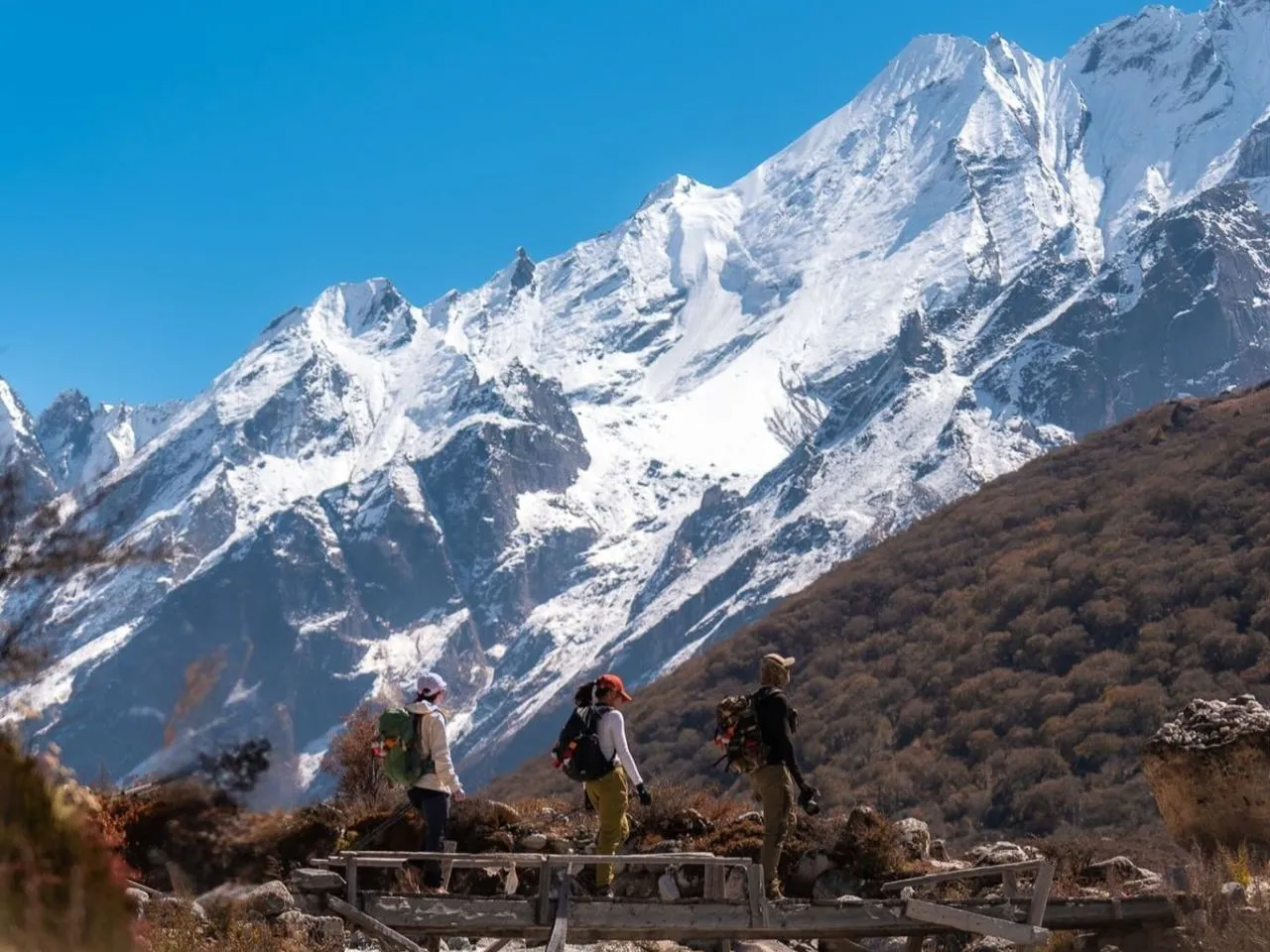
October weather on the EBC trek is dominated by the post-monsoon transition, when the air has been washed clean by summer rains and the jet stream has not yet dropped south to bring winter storms. The first two weeks of October are the most stable, with morning fog in the valleys burning off by 9am and clear skies through the afternoon. The last week of October starts to cool noticeably, with the first frost appearing at lower altitudes and night temperatures at Gorak Shep dropping below minus 10.
Daytime temperatures in October are surprisingly pleasant, with bright sun making a base layer feel too warm by midday on the climb to Namche. The cold hits hard at night, especially above 4,500m where tea-house dining rooms are unheated after 9pm and bedrooms drop to outdoor temperature. Wind chill is the wild card, with afternoon gusts on the Kala Patthar summit making the felt temperature 5 to 10 degrees colder than the air temperature.
비용/구성요소 고장
Here is the 2027 temperature and packing matrix for the EBC trek in October, broken down by altitude zone.
| Altitude Zone | Daytime High (C) | Nighttime Low (C) | Key Gear |
|---|---|---|---|
| Lukla to Phakding (2,600 to 2,800m) | 12 to 15 | 2 to 5 | Base layer, light fleece |
| Namche to Tengboche (3,400 to 3,900m) | 8 to 12 | -2 to 2 | Add down jacket at night |
| Dingboche to Lobuche (4,400 to 4,900m) | 5 to 10 | -5 to -8 | Down jacket, warm hat, gloves |
| Gorak Shep and EBC (5,100 to 5,400m) | 0 to 5 | -8 to -12 | Four layers, minus 15 sleeping bag |
| Kala Patthar summit (5,545m at dawn) | -5 to -10 | Wind chill -15 | Expedition mitts, balaclava |
Tea-house bedrooms are unheated, so your sleeping bag rating matters more than your daytime layers. Rent a minus 20 bag in Kathmandu for $1.50 to $2 per day if you do not own one.
답에 영향을 미치는 것
Several factors shift the temperature you actually feel by 5 to 15 degrees. Altitude is the obvious one, with every 1,000m of elevation dropping the daytime high by 6 degrees Celsius. Time of day matters because the sun is intense at altitude but disappears fast, dropping the felt temperature by 10 degrees within 30 minutes of sunset. Wind is the wild card, with afternoon gusts on exposed ridges making minus 5 feel like minus 15.
- Altitude: Each 1,000m of elevation drops temperature by 6 degrees Celsius.
- Time of day: Midday sun feels 10 degrees warmer than dawn at the same altitude.
- Wind chill: Afternoon gusts on Kala Patthar and Cho La add 5 to 10 degrees of cold.
- Cloud cover: Cloudless October nights are colder than overcast ones.
- Week of October: First week is mildest; last week is noticeably colder.
예약 팁 / 실용적인 조언
Book your October 2027 EBC trek 4 to 6 months ahead because it is the busiest month of the year. Target the first two weeks of October for the most stable weather, with the third and fourth weeks cooling noticeably. Carry a four-season sleeping bag rated to minus 15 or warmer, because tea-house bedrooms at Gorak Shep drop to minus 10 at night and duvets are thin. Layer for a 25-degree Celsius swing between midday Namche and dawn Kala Patthar.
Pack a down jacket rated to minus 20 for summit mornings, two pairs of gloves (liner and insulated), a balaclava, and a warm hat that covers your ears. Bring microspikes if you are crossing Cho La or Kongma La passes, because ice forms on the shaded side by late October. Drink 4 to 5 liters of water per day because cold, dry mountain air dehydrates you faster than you realize.
대안과의 비교
Compared to November, October is about 5 degrees warmer at night but slightly less stable, with the occasional afternoon cloud. April is comparable to October in temperature but cloudier in the afternoons. December is 10 to 15 degrees colder at night, with most lodges above Dingboche closing by mid December. If you cannot handle minus 10 nights at Gorak Shep, consider the Annapurna Base Camp trek, which sits 1,200m lower and is 8 to 10 degrees warmer at night.
피해야 할 일반적인 실수
Do not underpack your sleeping bag, because renting locally gives you a used bag of unknown warmth. Avoid trekking in cotton, because it stays wet and cold against your skin. Never skip the dawn Kala Patthar hike because of cold, because the sunrise view of Everest is the highlight of the trek and the cold is manageable with proper layers. Finally, do not underestimate the wind chill on exposed ridges, which catches trekkers off guard every October.
자주 묻는 질문
Here are the October weather questions trekkers ask us most before booking.
요약
October EBC temperatures range from 10 to 15 degrees Celsius by day in lower valleys to minus 10 at night at Gorak Shep and Base Camp. Pack a minus 15 sleeping bag, four-season down jacket, and full layering system. Wind chill on Kala Patthar can push the felt temperature to minus 15. October is the clearest and most popular month, so book 4 to 6 months ahead. With the right gear, the cold is manageable and the views are spectacular.
결론
October cold on the Everest Base Camp trek is real but predictable, and the right gear makes it a non-issue. Pack for a 25-degree swing, invest in a warm sleeping bag, and layer smartly for dawn hikes. The reward is the clearest mountain views of the year, with Everest standing sharp against a deep blue sky from Kala Patthar at sunrise.
추천 트레킹 패키지
탐험할 트레킹 장소
Explore Trips in Nepal
Hand-picked guided trips to this destination

 English
 Deutsch
 Svenska
 Dansk
Dansk Русский
 Français
 Português
 Español
 Polski
 简体中文
简体中文 日本語
日本語 ไทย
ไทย العربية
 한국어
한국어