
迅速な答え
The Three Passes Trek is possible solo but carries real risk on the 3 high passes above 5,300 metres. Solo trekkers have no partner to spot acute mountain sickness, no group discount on helicopter evacuation, and slower rescue response in fog. Carry a satellite messenger, stay on teahouse routes, register with your embassy, and budget $1,200 to $2,000 for 18 to 21 days in 2027.
詳細な内訳
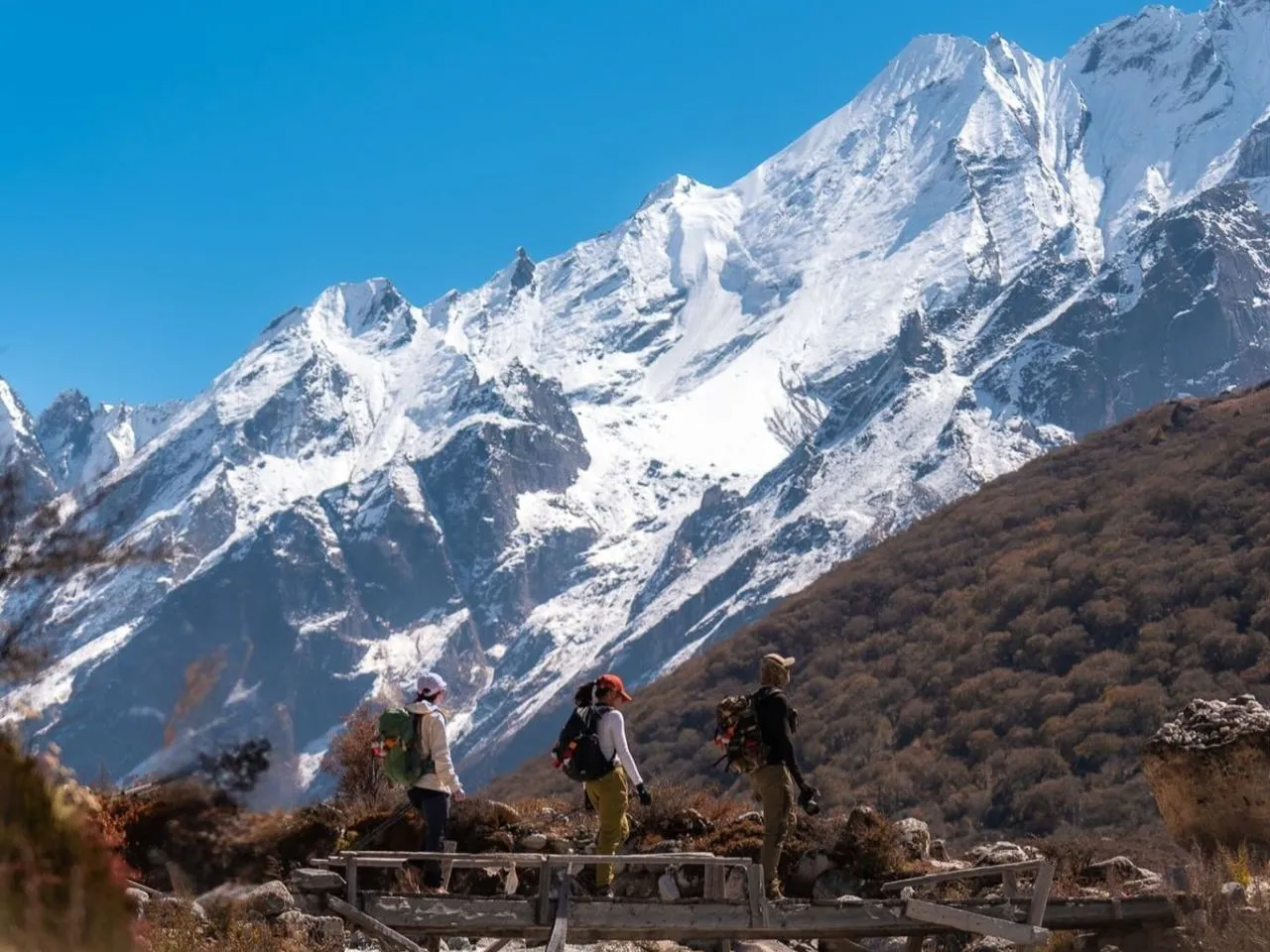
The Three Passes Trek loops through the Khumbu region crossing Kongma La at 5,535 metres, Cho La at 5,420 metres, and Renjo La at 5,360 metres. The standard route starts at Lukla, runs up the Dudh Koshi to Namche, then loops clockwise through Dingboche, Gorak Shep, Gokyo, and Thame back to Lukla over 18 to 21 days.
The 3 passes are non-technical in clear weather but each has hazards. Kongma La has a 200 metre loose scree descent. Cho La has a 100 metre glacier crossing with crevasses. Renjo La has a 300 metre boulder field on the east side. All 3 are impassable in fresh snow above 30 centimetres.
Solo trekkers face 3 specific risks. First, no partner to spot AMS symptoms like ataxia or headache at 5,000 metres. Second, no group evac discount, with helicopter rescues costing $3,000 to $5,000 from the Gokyo valley. Third, slower rescue response when satellite messengers fail in cloud.
コスト/コンポーネントの内訳
| コンポーネント | Solo 2027 | ガイド付き 2027 |
|---|---|---|
| 期間 | 18~21日 | 18~21日 |
| 最大高度 | 5,535 metres Kongma La | 5,535 metres Kongma La |
| 許可証 | $30 サガルマーサ、$20 クンブ、$10 ティム | 込み |
| 宿泊と食事 | 1 日あたり $40 ~ $55 | $50 to $65 per day |
| ガイド | なし | 1日あたり$25~$35 |
| Helicopter evac backup | $3,000 ~ $5,000 | Insurance through agency |
| 総費用 | $1,200 ~ $2,000 | $1,800 ~ $2,800 |
答えに影響するもの
Season affects solo risk most. October and November have stable weather but 30 trekkers a day on each pass, which means help is close. May has fewer crowds but more fresh snow on the passes. December to February has 1 trekkers a day on some passes, which means slower rescue.
Acclimatisation discipline is the second factor. Solo trekkers must self-monitor for AMS using the Lake Louise score: headache plus one of fatigue, nausea, or dizziness equals descent. Trekkers who push through early symptoms risk HAPE or HACE at 5,000 metres.
予約のヒント
Book Lukla flights through a Kathmandu agency 60 days ahead for October. The 6:00 am flight has a 90 percent launch rate; the 11 am flight has 50 percent. Solo trekkers without agency backup fall to the back of the queue when flights cancel.
Carry a Garmin inReach Mini 2 or Zoleo satellite messenger. Register the device with your embassy in Kathmandu and pre-program the local rescue number. Test the SOS feature before leaving Lukla.
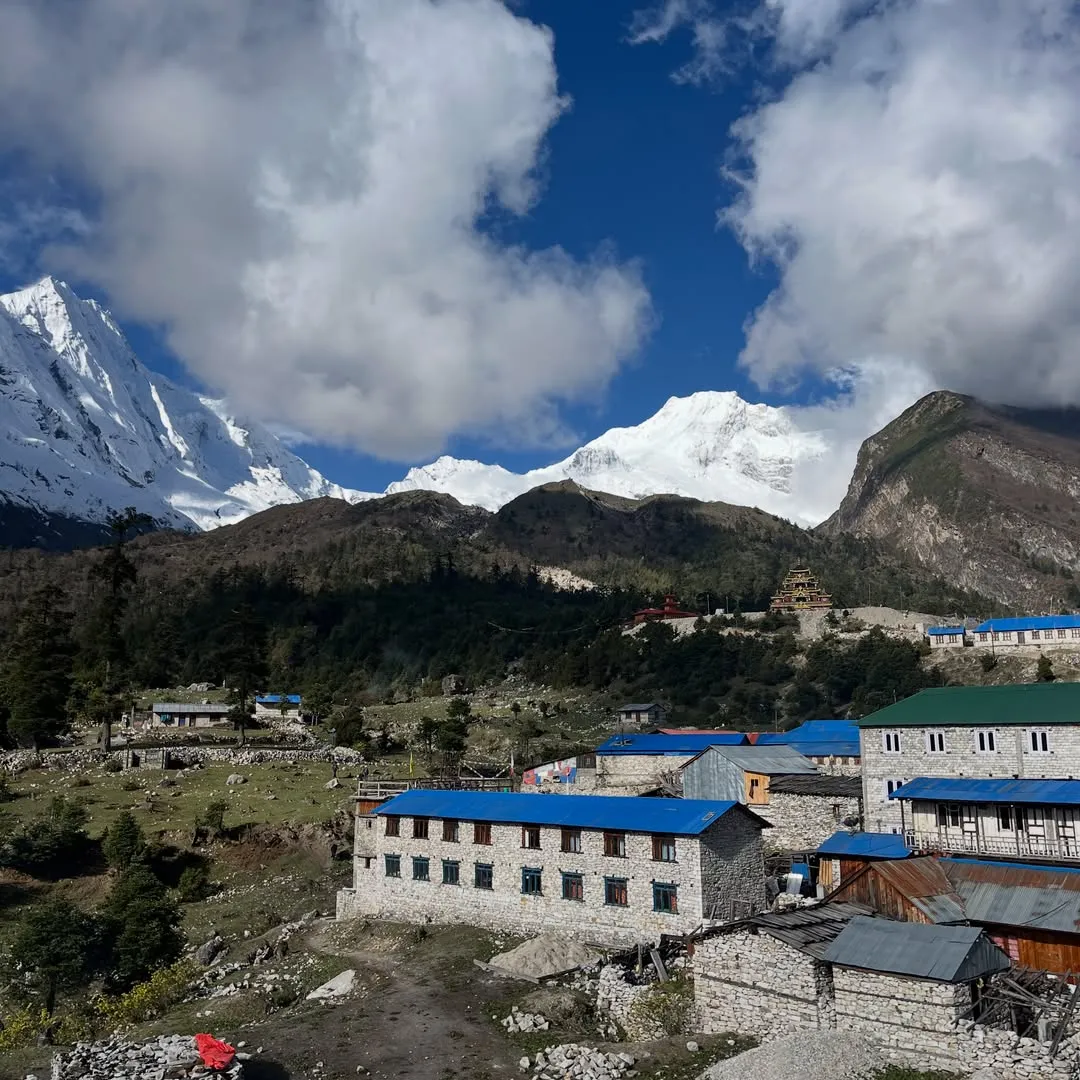
Book teahouses at Gorak Shep, Lobuche, and Gokyo 7 days ahead in October. The 3 high altitude stops have 80 to 120 beds each and fill by 4 pm. Solo trekkers without bookings may sleep on dining hall floors.
代替案との比較
Compared with the Everest Base Camp Trek, the Three Passes route adds 2 high pass crossings and 4 to 6 extra days. EBC is safer solo because the trail sees 100 trekkers a day in season; the Three Passes sees 20 to 40 on the main loop and 5 to 10 on the pass crossings.
Compared with the Annapurna Circuit, the Three Passes route is 1,000 metres higher on the passes and has 30 percent fewer trekkers. Annapurna is the safer solo choice; Three Passes is the more scenic but riskier choice.
避けるべきよくある間違い
Crossing all 3 passes in 5 days without acclimatisation. The standard solo schedule crosses Kongma La on day 8, Cho La on day 11, and Renjo La on day 14. Compressing to days 6, 8, and 10 produces a 30 percent AMS rate.
Skipping the satellite messenger to save weight. A 100 gram Garmin inReach Mini 2 is the difference between a 2 hour rescue and a 12 hour wait. Solo trekkers who skip the device put their life on Namche SIM card coverage, which fails above 4,500 metres.
Walking a pass in fresh snow without local advice. Locals at the teahouse know pass conditions. If they say wait, wait 1 day. Solo trekkers who push through fresh snow have caused 60 percent of pass rescues in the past 5 years.
フェイク
Is solo trekking legal on the Three Passes route?
Yes. The Khumbu region has no guide requirement. Trekkers need only the Sagarmatha National Park permit, the Khumbu Pasang Lhamu permit, and the TIMS card. Guides are recommended but not mandatory.
How likely is altitude sickness solo?
20 to 30 percent of solo trekkers experience mild AMS, and 3 to 5 percent experience severe AMS requiring descent. Solo trekkers have a higher severe AMS rate than guided trekkers because there is no partner to enforce descent when symptoms appear.
What is the helicopter evac cost?
$3,000 to $5,000 from Gokyo or Lobuche to Kathmandu. Insurance through World Nomads or Global Rescue covers this; book before leaving home. Uninsured solo trekkers must pay by credit card on landing.
Which pass is the most dangerous solo?
Kongma La at 5,535 metres. The 200 metre loose scree descent on the south side is the crux, and the pass sees only 5 to 10 trekkers a day in shoulder season. Solo trekkers should cross Kongma La with another group if possible.
まとめ
The Three Passes Trek is possible solo but carries real risk on the 3 passes above 5,300 metres. Carry a satellite messenger, build 2 buffer days, and budget $1,200 to $2,000 for 18 to 21 days in 2027.
結論
For 2027, solo trekkers considering the Three Passes route should weigh the $600 savings against the higher AMS and rescue risk. Trekkers with previous 5,000 metre experience and a satellite messenger can attempt it solo. First-time high-altitude trekkers should book a guide for the pass crossings.
推奨されるトレッキング パッケージ
探索するトレッキング場所
Explore Trips in Nepal
Hand-picked guided trips to this destination

 English
 Deutsch
 Svenska
 Dansk
Dansk Русский
 Français
 Português
 Español
 Polski
 简体中文
简体中文 日本語
日本語 ไทย
ไทย العربية
 한국어
한국어