
réponse rapide
Yes. The Api Base Camp Trek is one of Nepal's best routes for landscape photography with low crowds. It offers 7,132 m Api Himal, alpine meadows at 4,000 m, glacial moraines, and Tibetan cultural villages, with under 200 trekkers a year. The best photographic windows are 5 to 8 am for sunrise on the north face and 4 to 6 pm for golden light on the moraine. Carry a wide lens, a 70 to 200 mm telephoto, and a sturdy tripod.
Répartition détaillée
The Api Base Camp Trek runs 14 to 18 days from Gokuleshwor or Darchula in Far West Nepal, reaching Api Base Camp at 4,000 m below the 7,132 m summit. The route passes through the Api Nampa Conservation Area, which sees fewer than 200 trekkers a year, compared with 30,000 plus in the Annapurna region. The landscape ranges from subtropical river valleys at 800 m to alpine meadows and glacial moraine at 4,000 m.
Photographic subjects include the north face of Api Himal from base camp, the glacial moraine and ice caves at the snout of the Tikhun glacier, the Tibetan style villages of Kunti and Sitaula, the alpine meadows of Khayakot, and the prayer flag covered chortens along the Mahakali river. Light is best 5 to 8 am for east facing shots, and 4 to 6 pm for west facing shots on the moraine.
Répartition des coûts/composants
| composante | détail | Coût USD |
|---|---|---|
| Flight Kathmandu to Dhangadhi | 1 hour, daily | $120 à $180 |
| Jeep Dhangadhi to Gokuleshwor | 8 hours, private | $180 à $260 |
| Api Nampa Conservation Permit | par personne | $30 |
| Carte TIM | par personne | $10 |
| Full board trekking | 16 days, guide, porter, camping | $1,650 to $2,150 |
| Camera gear insurance | Up to USD 4,000 equipment | $45 à $85 |
| Sat messenger rental | 16 days, Garmin inReach | $80 à $120 |
| Total ex Kathmandu | 16 days all inclusive | $2,115 to $2,835 |
Qu'est-ce qui affecte la réponse
Season is the biggest factor for photography. October and November have the clearest skies, with 80 to 90 percent sunny days. March and April have more variable weather but add rhododendron and magnolia bloom at 2,500 to 3,500 m. May has hazy mornings because of dust from the Tibetan plateau. December to February has the clearest air but cold at 4,000 m, with lows of minus 12 Celsius at base camp.
Crowd level also matters. Api Base Camp has under 200 trekkers a year, so composition is not blocked by other tourists. The trade off is limited infrastructure. There are no tea houses above 2,800 m, so the trek is camping based with a full crew. This requires a porter team of 4 to 6, which adds cost but allows multi day stays at base camp for sunrise and sunset shoots.
Conseils pour la réservation
Book a camping trek through a Dhangadhi based operator with at least 4 prior Api expeditions. Carry a wide lens like 16 to 35 mm for the moraine, a 70 to 200 mm telephoto for compressed shots of Api Himal, and a sturdy carbon tripod for low light. Bring a polarising filter for snow and ice shots, and 6 to 8 spare batteries because cold drains them 40 percent faster.
Comparaison avec les alternatives
Compared with the Annapurna Sanctuary, Api has 1 percent the foot traffic, no lodge crowds, and an unobstructed view of a 7,000 m peak. Compared with the Kanchenjunga North Base Camp Trek, Api is 4 days shorter, has a clearer base camp view, and is logistically simpler. Compared with the Saipal Base Camp Trek, Api has a more dramatic summit and better photographic composition from the moraine, but lower infrastructure.
Erreurs courantes à éviter
Photographers often arrive with a single lens, missing the wide composition on the moraine or the telephoto compression of the summit. A second mistake is underestimating battery drain in cold, with 40 percent faster depletion at minus 10 Celsius. A third mistake is shooting only at midday, missing the 5 to 8 am and 4 to 6 pm windows. A fourth is skipping the acclimatisation day at Khayakot, then feeling too tired to shoot at base camp.
FAQ
Is Api Base Camp good for landscape photography? Yes. The 7,132 m north face, glacial moraine, alpine meadows, and Tibetan villages offer diverse compositions with under 200 trekkers a year and no crowds.
What is the best month for photography? October and November for clear skies and 80 to 90 percent sunny days. March and April for rhododendron bloom. December for clearest air but cold.
What lenses should I bring? A wide 16 to 35 mm for the moraine, a 24 to 70 mm for general scenes, and a 70 to 200 mm for telephoto compression of the summit. A sturdy carbon tripod is essential.
How many spare batteries do I need? 6 to 8 spare camera batteries for a 16 day trek. Cold drains them 40 percent faster, and there is no charging above 2,800 m. Carry a 10,000 mAh power bank for USB charging.
somm
Api Base Camp Trek is excellent for landscape photography with low crowds. It offers 7,132 m Api Himal, glacial moraine, alpine meadows, and Tibetan villages, with under 200 trekkers a year. Shoot 5 to 8 am and 4 to 6 pm, carry wide and telephoto lenses, and bring 6 to 8 spare batteries.
conclusion
For photographers who want dramatic 7,000 m mountain scenery without the Annapurna or Everest crowds, Api Base Camp is a top choice in 2027 to 2030. The trade off is camping based logistics and longer travel from Kathmandu, but the photographic payoff is unmatched. Book through a Dhangadhi operator with prior Api experience.
Forfaits Trek recommandés
Des lieux de randonnée à explorer
Explore Trips in Nepal
Hand-picked guided trips to this destination
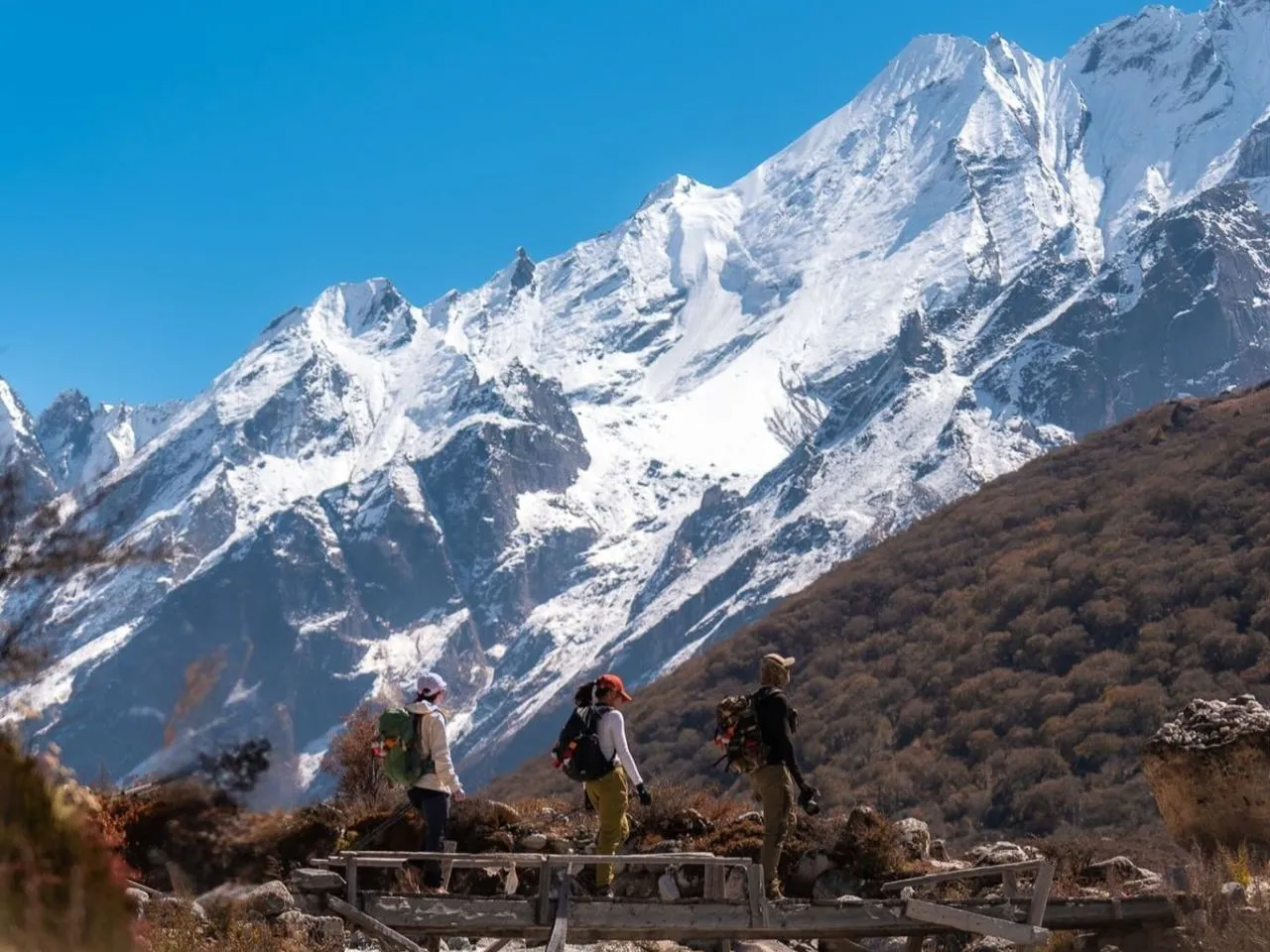
Trek de luxe de Langtang – 10 jours
Trek de luxe de Langtang – 10 jours
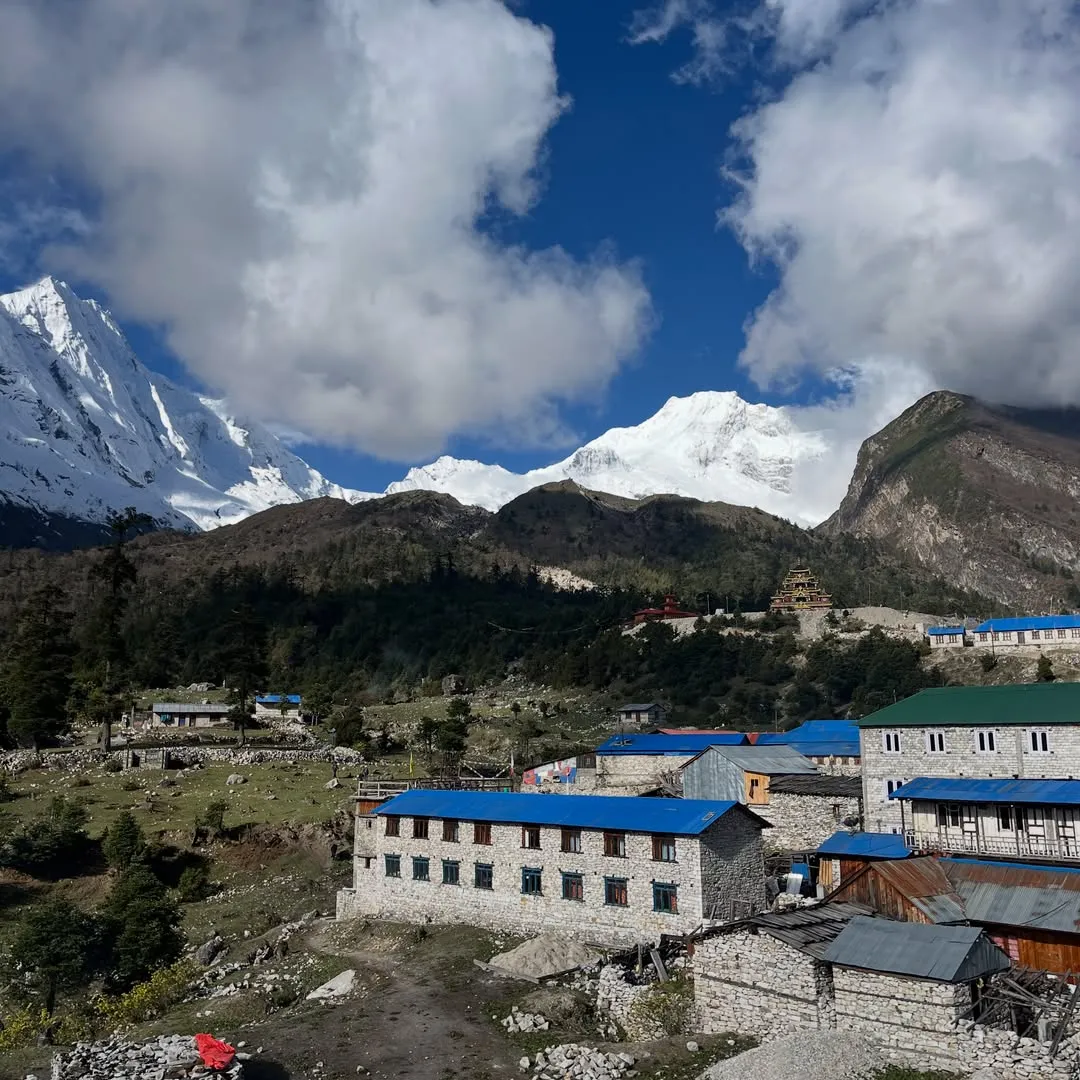
Treken en famille Manaslu – 12 jours
Treken en famille Manaslu – 12 jours
Trek de luxe à Manaslu – 14 jours
Trek de luxe à Manaslu – 14 jours

Trek de la photographie Manaslu – 17 jours
Trek de la photographie Manaslu – 17 jours
 English
 Deutsch
 Svenska
 Dansk
Dansk Русский
 Français
 Português
 Español
 Polski
 简体中文
简体中文 日本語
日本語 ไทย
ไทย العربية
 한국어
한국어