
hurtigt svar
The Kanchenjunga Trek has 4 main altitude sickness risks: rapid ascent to 5,143 m at Sele La, 8 nights above 4,000 m, limited rescue access, and isolated location. Acute mountain sickness affects 15 to 25 percent of trekkers on the standard 20 to 26 day itinerary and high altitude pulmonary edema affects 2 to 4 percent. The route costs USD 1,800 to USD 2,800 per person and requires a Kanchenjunga Restricted Area Permit plus a licensed guide.
Detaljeret opdeling
The route starts at Taplejung, reached by a 2 day jeep and flight journey from Kathmandu via Bhadrapur. Day 1 to 5 climb through Sinwa, Tapethok, and Ghunsa to 3,400 m. Day 6 to 9 reach Kanchenjunga North Base Camp at 5,143 m via Khambachen at 4,100 m. Day 10 to 14 cross the 5,143 m Sele La to the south side. Day 15 to 20 reach Kanchenjunga South Base Camp at 4,470 m via Yalung.
Day 21 to 26 return to Taplejung. Eight nights sit above 4,000 m, including 3 nights above 4,500 m. Day stages climb 500 to 800 m on dirt and glacial moraine. Twelve teahouses operate with shared twin rooms, squat toilets, and dal bhat meals at USD 4 to USD 6 per plate.
Omkostning/komponentopdeling
| bestanddel | detalje | koste USD |
|---|---|---|
| Kanchenjunga Begrænset områdetilladelse | påkrævet | $100 til $200 |
| Kanchenjunga Conservation Area Permit | påkrævet | $30 |
| Tims kort | påkrævet | $20 |
| Kathmandu til Bhadrapur fly | tilbagesende | $280 til $320 |
| Bhadrapur til Taplejung Jeep | tilbagesende | $100 til $150 |
| guide og besætning | 20 til 26 dage | $700 to $1,300 |
| tehus helpension | 20 til 26 dage | $600 to $1,300 |
| Total 23 day trek | pr person | $1.800 til $2.800 |
Hvad påvirker svaret
Ascent rate is the biggest factor. The standard 20 day itinerary climbs from 1,800 m at Taplejung to 5,143 m at Sele La in 12 days, exceeding the safe 300 to 500 m per night guideline. Trekkers on a 20 day plan have 15 to 25 percent acute mountain sickness rates versus 5 to 10 percent on a 26 day plan. Sleep altitude is the second factor. Eight nights above 4,000 m and 3 nights above 4,500 m reduce sleep quality and slow acclimatisation.
Rescue access is the third factor. The nearest helicopter landing zone is at Ghunsa at 3,400 m, 2 to 4 days walk from the high camps. Weather is the fourth factor. Sele La closes 5 to 10 days each season for snow.
Bookingtips
Book through a Bhadrapur or Kathmandu agency 6 to 8 weeks ahead because the Kanchenjunga Restricted Area Permit requires 14 days of processing. Carry USD 400 to USD 600 in cash because no ATMs operate beyond Bhadrapur. Hire a guide with 5 or more Kanchenjunga trips because Sele La route finding is unmarked above 4,500 m. Pack a 4 season sleeping bag for minus 10 C nights at 4,500 m, plus a satellite phone at USD 8 to USD 12 per day for emergency evacuations. Diamox is available in Kathmandu pharmacies.
Sammenligning med alternativer
The Annapurna Circuit Trek runs 12 to 18 days to 5,416 m at Thorong La with 5 to 10 percent AMS rates and costs USD 1,000 to USD 1,800. The Everest Base Camp Trek runs 12 to 14 days to 5,364 m with 20 to 30 percent AMS rates and costs USD 1,200 to USD 1,800. The Manaslu Circuit Trek runs 14 to 18 days to 5,106 m at Larkya La with 10 to 18 percent AMS rates and costs USD 1,200 to USD 1,800. Kanchenjunga has the highest AMS rate.
Almindelige fejl at undgå
A common mistake is to plan the 20 day itinerary without acclimatisation days at Ghunsa and Khambachen. Trekkers who skip the 2 rest days have 25 to 35 percent AMS rates versus 10 to 15 percent with rest days. A second mistake is to cross the Sele La in fresh snow. The pass sees 1 to 2 m of snow in October and May. A third mistake is to fly from Bhadrapur without a buffer day. Bhadrapur flights cancel 20 to 30 percent of the time in October.
FAQ
What is the main altitude sickness risk on the Kanchenjunga Trek? Rapid ascent to 5,143 m at Sele La with 8 nights above 4,000 m. Acute mountain sickness affects 15 to 25 percent on the 20 day itinerary and 5 to 10 percent on the 26 day. High altitude pulmonary edema affects 2 to 4 percent.
How many acclimatisation days do I need? Two. One rest day at Ghunsa at 3,400 m before climbing to Khambachen, and one rest day at Khambachen at 4,100 m before crossing Sele La. Skipping these days raises AMS rates from 10 to 25 percent.
Is rescue possible from Kanchenjunga Base Camp? Limited. The nearest helicopter landing zone is at Ghunsa at 3,400 m, 2 to 4 days walk from the high camps. Helicopters cannot land above 4,500 m in cloud. Carry a satellite phone for emergencies.
When is the safest season for Kanchenjunga? March to May for stable weather and 5 to 10 percent AMS rates. October to November for clear views but 15 to 25 percent AMS rates. Avoid December to February for snow and June to September for monsoon.
oversigt
The Kanchenjunga Trek has 4 altitude sickness risks: rapid ascent to 5,143 m, 8 nights above 4,000 m, limited rescue access, and isolation. AMS affects 15 to 25 percent of trekkers on the 20 day itinerary for USD 1,800 to USD 2,800 per person.
ende
Choose the 26 day Kanchenjunga itinerary to halve AMS risk. Hire a guide with Sele La experience, carry a satellite phone, and pack a 4 season sleeping bag for minus 10 C nights at 4,500 m.
Anbefalede Trek-pakker
Trekking steder at udforske
Explore Trips in Nepal
Hand-picked guided trips to this destination
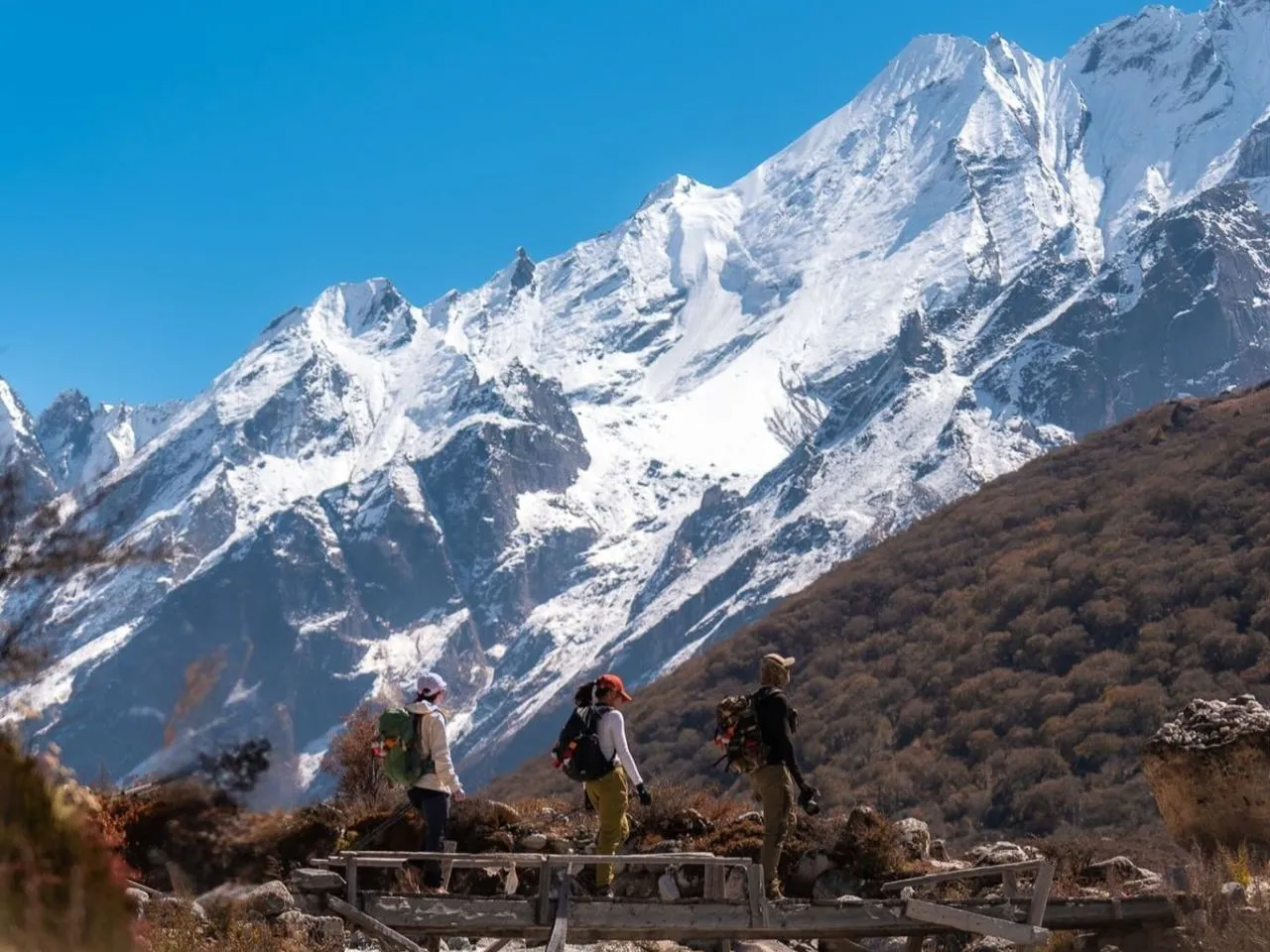
Langtang Luxury Trek – 10 dage
Langtang Luxury Trek – 10 dage
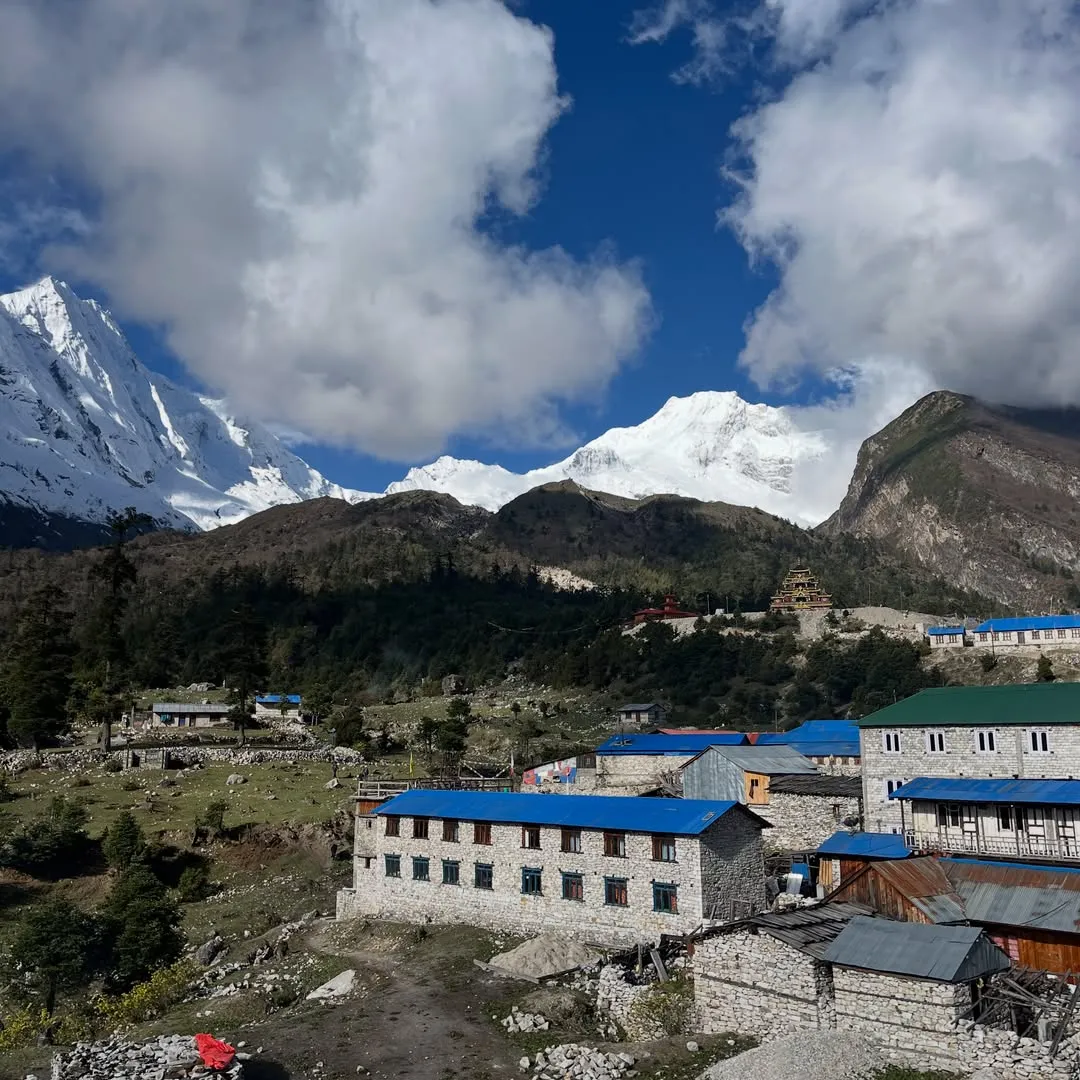
Manaslu Family Trek – 12 dage
Manaslu Family Trek – 12 dage
Manaslu Luxury Trek – 14 dage
Manaslu Luxury Trek – 14 dage

Manaslu Photography Trek – 17 dage
Manaslu Photography Trek – 17 dage
 English
 Deutsch
 Svenska
 Dansk
Dansk Русский
 Français
 Português
 Español
 Polski
 简体中文
简体中文 日本語
日本語 ไทย
ไทย العربية
 한국어
한국어