
إجابة سريعة
Altitude sickness risk on the Three Passes Trek is serious. Mild AMS hits 25 to 35 percent of trekkers without proper acclimatization, and HACE or HAPE occurs in 1 to 2 percent. With 4 acclimatization nights at Namche at 3,440 m, Dingboche at 4,410 m, and Chhukung at 4,730 m, mild AMS drops to 8 to 12 percent. The 5,535 m Kongma La is the highest sustained altitude of any Nepal teahouse trek. Cost runs USD 1,800 to USD 2,800 per person for 18 to 21 days.
تفصيلي مفصل
The Three Passes Trek starts at Lukla at 2,840 m and crosses Renjo La at 5,360 m, Cho La at 5,420 m, and Kongma La at 5,535 m. Each pass is above 5,300 m and is crossed in a single day. Trekkers spend 4 to 6 nights sleeping above 4,500 m. The sustained altitude is what makes this trek more dangerous than Everest Base Camp at 5,364 m, which only touches 5,000 m for one night.
Risk concentrates around the three pass crossings. Renjo La day gains 600 m from Gokyo at 4,790 m to 5,360 m. Cho La day gains 480 m from Dzongla at 4,830 m to 5,420 m. Kongma La day gains 805 m from Lobuche at 4,940 m to 5,535 m. Mild AMS symptoms like headache, nausea, and poor sleep affect 25 to 35 percent of trekkers on at least one pass. Severe symptoms requiring descent occur in 3 to 5 percent.
تكلفه / تقسيم المكون
| مكون | نفقة |
|---|---|
| تصريح حديقة ساجارماثا الوطنية | 30 دولار أمريكي |
| تصريح خومبو باسانغ لامو | 20 دولار أمريكي |
| بطاقة تيمس | 20 دولار أمريكي |
| رحلات لوكلا ذهابًا وإيابًا | USD 360 to USD 420 |
| Guide for 20 days | USD 600 to USD 800 |
| مقهى كامل | USD 30 to USD 50 per night |
| Pulse oximeter rental | USD 15 |
| توريد دياموكس | USD 10 to USD 20 |
| تأمين الانقاذ | 80 دولار إلى 150 دولار أمريكي |
| Total 20 days | USD 1,800 to USD 2,800 |
ما يؤثر على الجواب
Acclimatization profile is the biggest factor. Trekkers who follow the standard 4 night acclimatization plan at Namche, Dingboche, and Chhukung see 8 to 12 percent mild AMS. Those who skip acclimatization nights see 35 to 45 percent. Ascent rate is the second factor. The golden rule is to sleep no more than 500 m higher each night above 3,000 m. The Kongma La day violates this with an 805 m gain.
Hydration matters. Trekkers who drink 4 to 5 liters a day see 30 percent lower AMS rates. Diamox at 125 mg twice daily from Namche onward cuts AMS risk by 50 percent. Prior altitude experience is the third factor. Trekkers with previous 5,000 m experience see 6 to 10 percent AMS versus 20 to 30 percent for first timers.
نصائح الحجز
Book a Kathmandu agency that runs the full 20 day Three Passes itinerary with built in acclimatization. Carry a pulse oximeter and track SpO2 nightly. Below 80 percent at rest means descend. Start Diamox at Namche. Plan a contingency day at Gokyo for weather. Buy rescue insurance that covers USD 10,000 in helicopter costs.
مقارنة مع البدائل
The Everest Base Camp Trek runs 12 to 14 days for USD 1,400 to USD 2,000 with 12 to 18 percent mild AMS. The Gokyo Lakes Trek runs 12 to 14 days for USD 1,400 to USD 2,000 with 10 to 15 percent mild AMS. The Manaslu Circuit Trek runs 14 to 18 days for USD 1,400 to USD 1,900 with 8 to 12 percent mild AMS at the 5,106 m Larkya La.
الأخطاء الشائعة التي يجب تجنبها
Trekkers combine Three Passes with Everest Base Camp in 16 days to save time. The result is a rushed acclimatization profile and 30 to 40 percent AMS rates. Plan 18 to 21 days.
A second mistake is crossing Kongma La from Lobuche without a Chhukung acclimatization night. The 805 m gain from 4,940 m to 5,535 m without acclimatization triggers HACE in 4 to 6 percent of trekkers.
أسئلة وأجوبة
What AMS rate should I expect on Three Passes? 8 to 12 percent mild AMS with proper acclimatization. 25 to 35 percent without. HACE and HAPE occur in 1 to 2 percent overall.
Do I need Diamox? Recommended. 125 mg twice daily from Namche at 3,440 m onward cuts AMS risk by 50 percent. Consult a travel doctor before the trek.
ما هو أعلى ارتفاع للنوم؟ 5,160 m at Gorak Shep. Most nights are 4,400 to 4,900 m at Dingboche, Lobuche, Gokyo, and Chhukung.
When should I descend? Descend 500 to 1,000 m if you have a severe headache unresponsive to ibuprofen, persistent vomiting, ataxia, or SpO2 below 80 percent at rest.
خلاصة
Altitude sickness risk on the Three Passes Trek is serious with 25 to 35 percent mild AMS without proper acclimatization. With 4 acclimatization nights at Namche, Dingboche, and Chhukung, mild AMS drops to 8 to 12 percent. The 5,535 m Kongma La is the highest sustained altitude of any Nepal teahouse trek.
ختام
Take altitude seriously on Three Passes. Plan 18 to 21 days, build in 4 acclimatization nights, take Diamox from Namche, carry a pulse oximeter, and descend on early symptoms. The trek is safe with discipline and dangerous without it.
حزم الرحلات الموصى بها
أماكن للرحلات للاستكشاف
Explore Trips in Nepal
Hand-picked guided trips to this destination
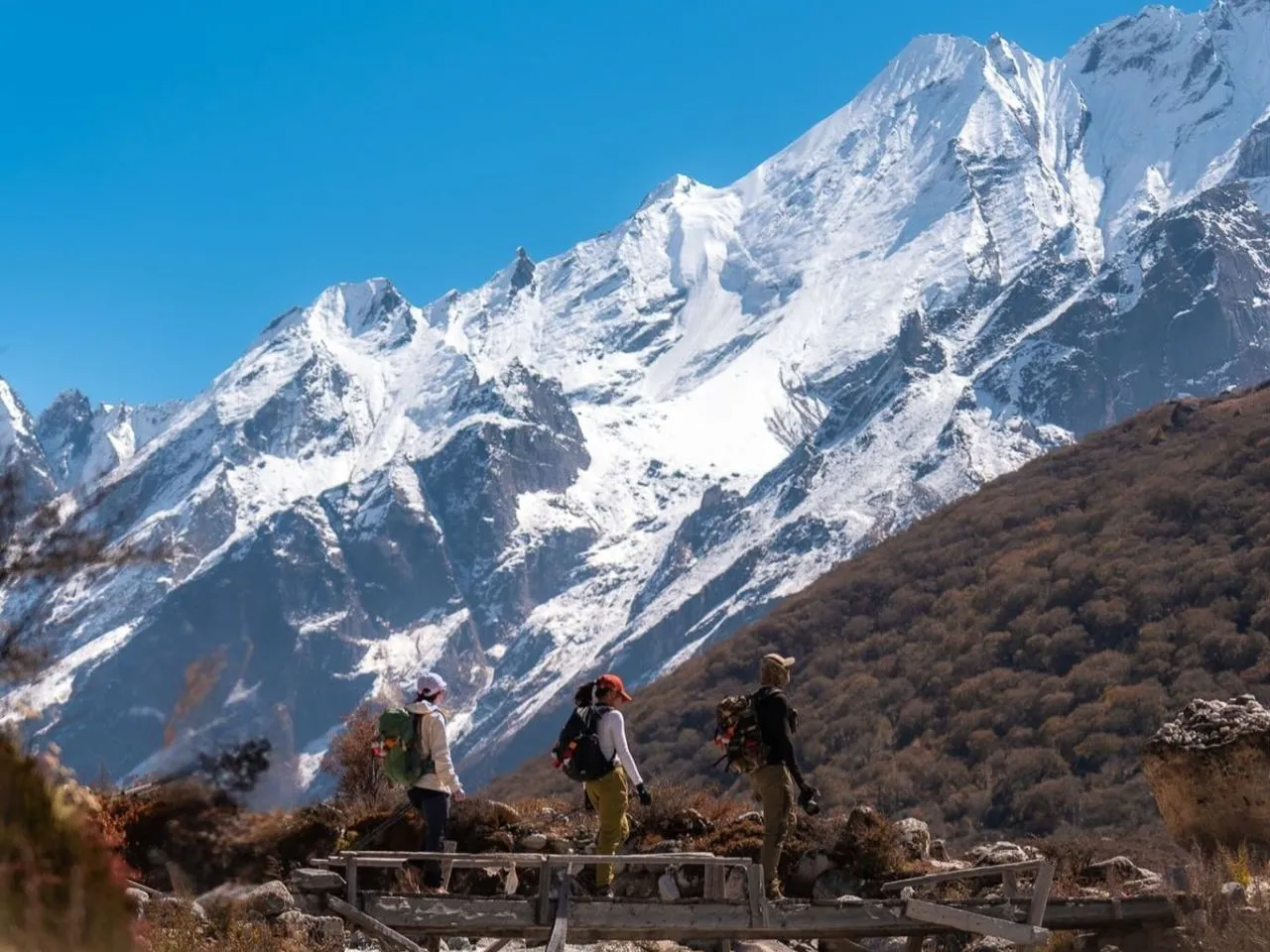
لانجتانج تيك لاكشري - 10 أيام
لانجتانج تيك لاكشري - 10 أيام
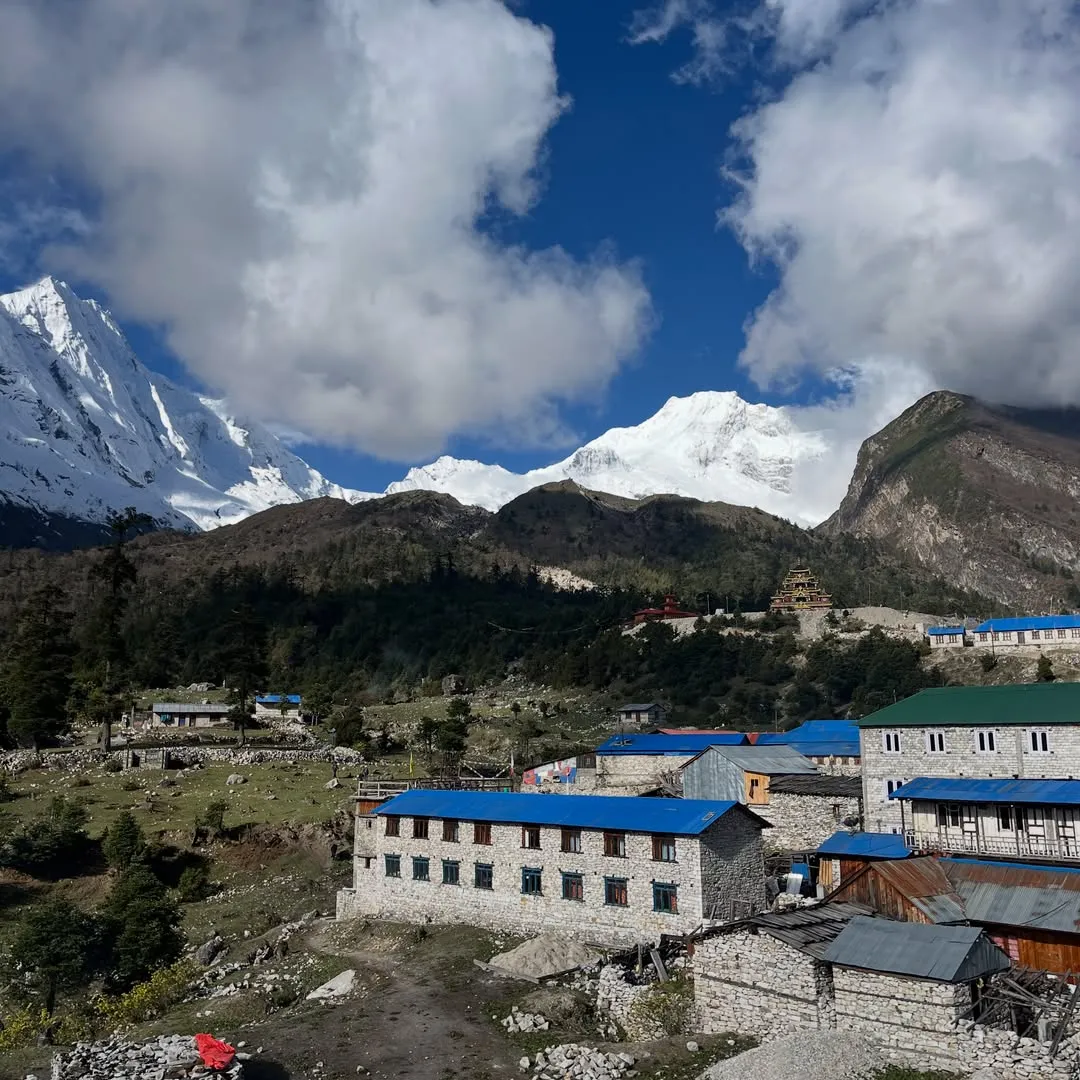
رحلة عائلة ماناسلو - 12 يومًا
رحلة عائلة ماناسلو - 12 يومًا
رحلة ماناسلو الفاخرة - 14 يومًا
رحلة ماناسلو الفاخرة - 14 يومًا

رحلة تصوير ماناسلو – 17 يومًا
رحلة تصوير ماناسلو – 17 يومًا
 English
 Deutsch
 Svenska
 Dansk
Dansk Русский
 Français
 Português
 Español
 Polski
 简体中文
简体中文 日本語
日本語 ไทย
ไทย العربية
 한국어
한국어