
Quick Answer
The most meaningful alternatives to the popular Nepal trekking routes are the Limi Valley Trek in Humla, the Kanchenjunga Circuit in far east Nepal, the Upper Dolpo Trek, and the Tsum Valley Trek. These routes deliver remote Tibetan culture, monsoon walkability, high pass crossings above 5,000 m, and under 1,000 trekkers per year. Budget USD 1,400 to USD 3,500 per person for 14 to 24 days in 2027 to 2030.
Detailed Breakdown
The popular Nepal trekking routes of Everest Base Camp, Annapurna Circuit, Annapurna Base Camp, Langtang Valley, and Manaslu Circuit together account for 80 percent of Nepal's 200,000 annual trekkers. The remaining 20 percent is split across 30 plus alternative routes that deliver equal or better scenery with a fraction of the crowds. The Limi Valley Trek in upper Humla is the most meaningful alternative for trekkers seeking true Tibetan Buddhist culture.
The Limi Valley Trek starts at Simikot airstrip in far western Nepal, crosses the Nyalu La pass at 5,000 m, and passes through three traditional Tibetan villages of Til, Halji, and Jang that have remained largely unchanged for centuries. The valley is in the rain shadow, making it walkable during the summer monsoon from June to September when most of Nepal is closed. The 14 to 18 day itinerary sees under 200 trekkers per year.
Other meaningful alternatives include the Kanchenjunga Circuit in far eastern Nepal, which crosses 5,000 m plus passes with views of the third highest mountain and sees under 800 trekkers per year. The Upper Dolpo Trek crosses 5,500 m plus passes with Shey Phoksundo Lake and sees under 300 trekkers per year. The Tsum Valley extension of Manaslu adds a culturally Tibetan side valley and sees under 1,500 trekkers per year.
Cost/Component Breakdown
| Alternative Route | Duration | Max Altitude | Cost (USD) | Trekkers per Year |
|---|---|---|---|---|
| Limi Valley Trek | 14 to 18 days | 5,000 m | USD 2,500 to USD 3,500 | Under 200 |
| Kanchenjunga Circuit | 20 to 24 days | 5,160 m | USD 2,200 to USD 3,200 | Under 800 |
| Upper Dolpo Trek | 22 to 28 days | 5,550 m | USD 3,000 to USD 4,500 | Under 300 |
| Tsum Valley Trek | 14 to 18 days | 5,106 m | USD 1,400 to USD 2,200 | Under 1,500 |
| Makalu Base Camp | 16 to 20 days | 5,000 m | USD 1,800 to USD 2,800 | Under 500 |
| Guerilla Trek | 10 to 14 days | 3,500 m | USD 700 to USD 1,100 | Under 400 |
What Affects the Answer
Time available is the biggest factor. Alternative routes need 14 to 28 days versus 7 to 14 days for popular routes, because of longer flight connections and slower acclimatisation. Trekkers with 2 weeks should pick Tsum Valley or Guerilla Trek. Trekkers with 3 to 4 weeks should pick Limi Valley, Kanchenjunga, or Upper Dolpo.
Booking Tips
Book 4 to 6 months ahead through a specialist operator for Limi Valley, Kanchenjunga, and Upper Dolpo. Ask for a guide born in the region or with 5 plus seasons on the route. Confirm the package includes all flights, restricted area permits, meals, lodging, guide, porters, and a satellite phone. Buy helicopter evacuation insurance of at least USD 8,000 covering trekking above 5,000 m.
Carry USD 300 in cash for emergency porter hire and tips. Build 3 to 4 buffer days into your international itinerary for flight delays to Simikot, Taplejung, or Juphal. Restricted area permits require a group of 2 or more plus a licensed guide, so solo trekkers must join a group.
Comparison With Alternatives
The Everest Base Camp Trek costs USD 1,300 to USD 2,000 in 12 to 14 days and sees 40,000 trekkers per year. The Annapurna Circuit costs USD 900 to USD 1,400 in 12 to 16 days and sees 30,000 trekkers per year. The Manaslu Circuit costs USD 1,400 to USD 1,900 in 14 to 18 days and sees 6,000 to 9,000 trekkers per year. The alternative routes deliver similar or better scenery and culture for 1 to 5 percent of the crowd levels.
Common Mistakes to Avoid
Treating alternative routes as beginner options because they are less crowded is the most common mistake. Limi Valley, Kanchenjunga, and Upper Dolpo are serious routes that demand prior 4,500 m trekking experience and 8 weeks of cardio training. Booking without buffer days is the second error. Flight delays to Simikot, Taplejung, and Juphal are 30 to 50 percent in shoulder seasons.
FAQ
What is the best alternative to popular Nepal treks? The Limi Valley Trek in upper Humla. It crosses Nyalu La at 5,000 m, passes through three traditional Tibetan villages, is walkable in monsoon, and sees under 200 trekkers per year.
Which alternative is walkable in monsoon? Limi Valley and Upper Dolpo are in the rain shadow and walkable from June to September. Kanchenjunga, Tsum Valley, and Guerilla Trek are not recommended in monsoon due to heavy rain.
What is the cheapest alternative route? The Guerilla Trek in Rukum and Rolpa at USD 700 to USD 1,100 for 10 to 14 days. It is moderate altitude at 3,500 m and culturally unique with Maoist conflict history.
Which alternative needs the most time? Upper Dolpo at 22 to 28 days. The route crosses 5,500 m passes, visits Shey Phoksundo Lake, and includes a 5 day approach from Juphal airstrip.
Summary
Meaningful alternatives to popular Nepal treks include the Limi Valley Trek, Kanchenjunga Circuit, Upper Dolpo Trek, and Tsum Valley Trek. These routes deliver remote Tibetan culture, monsoon walkability, high pass crossings, and under 1,500 trekkers per year. Budget USD 1,400 to USD 3,500 per person for 14 to 28 days.
Conclusion
For 2027 to 2030, trekkers seeking meaningful alternatives to the crowded popular routes should look at Limi Valley, Kanchenjunga, Upper Dolpo, and Tsum Valley. These routes deliver remote Tibetan Buddhist culture, high pass crossings above 5,000 m, monsoon walkability on rain shadow sections, and crowd levels 1 to 5 percent of the popular routes. Trekkers with 3 to 4 weeks, prior 4,500 m experience, and a specialist operator will find them the most rewarding treks in Nepal.
Recommended Trek Packages
Trekking Places to Explore
Explore Trips in Nepal
Hand-picked guided trips to this destination
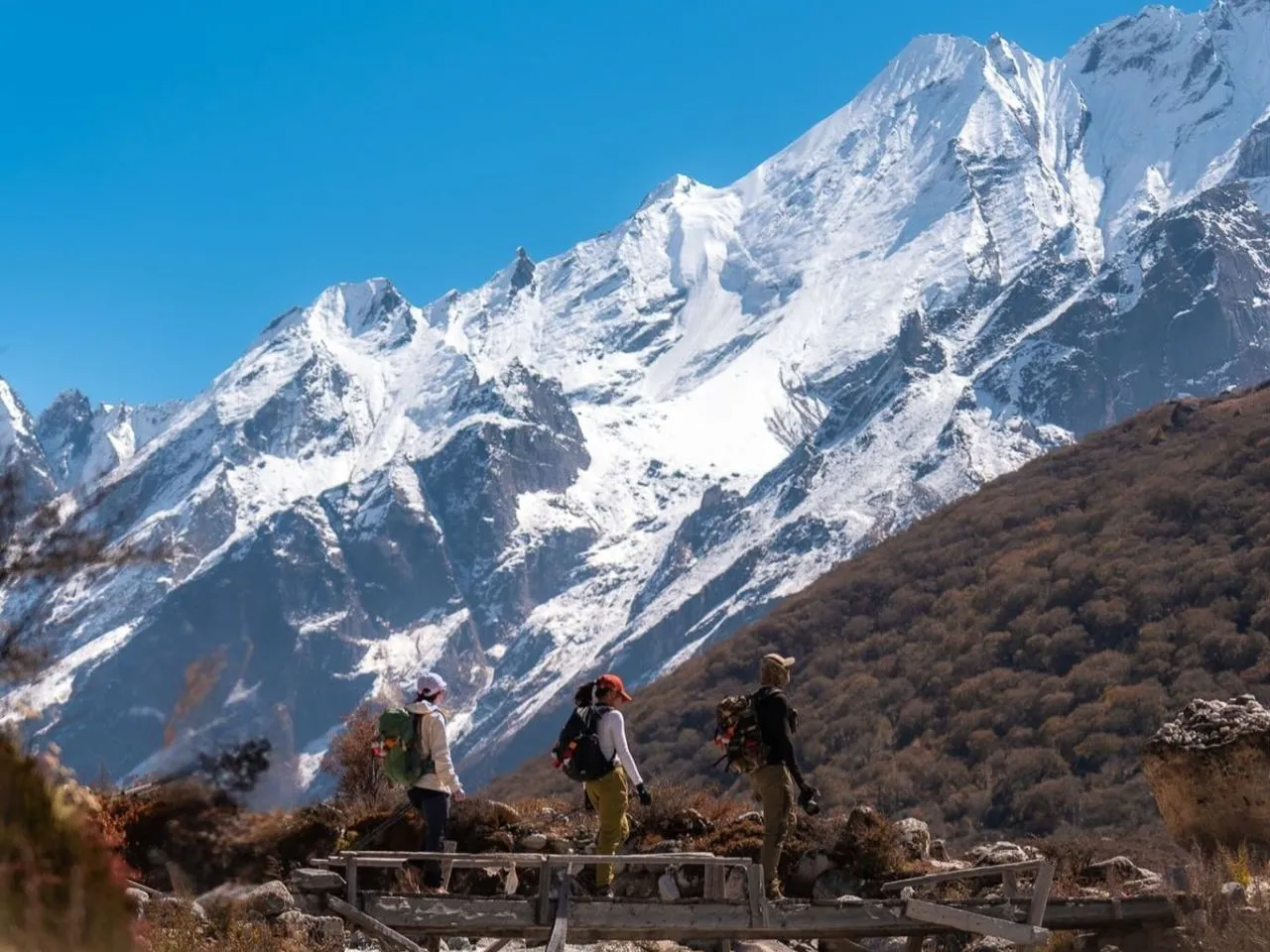
Langtang Luxury Trek – 10 Days
Langtang Luxury Trek – 10 Days
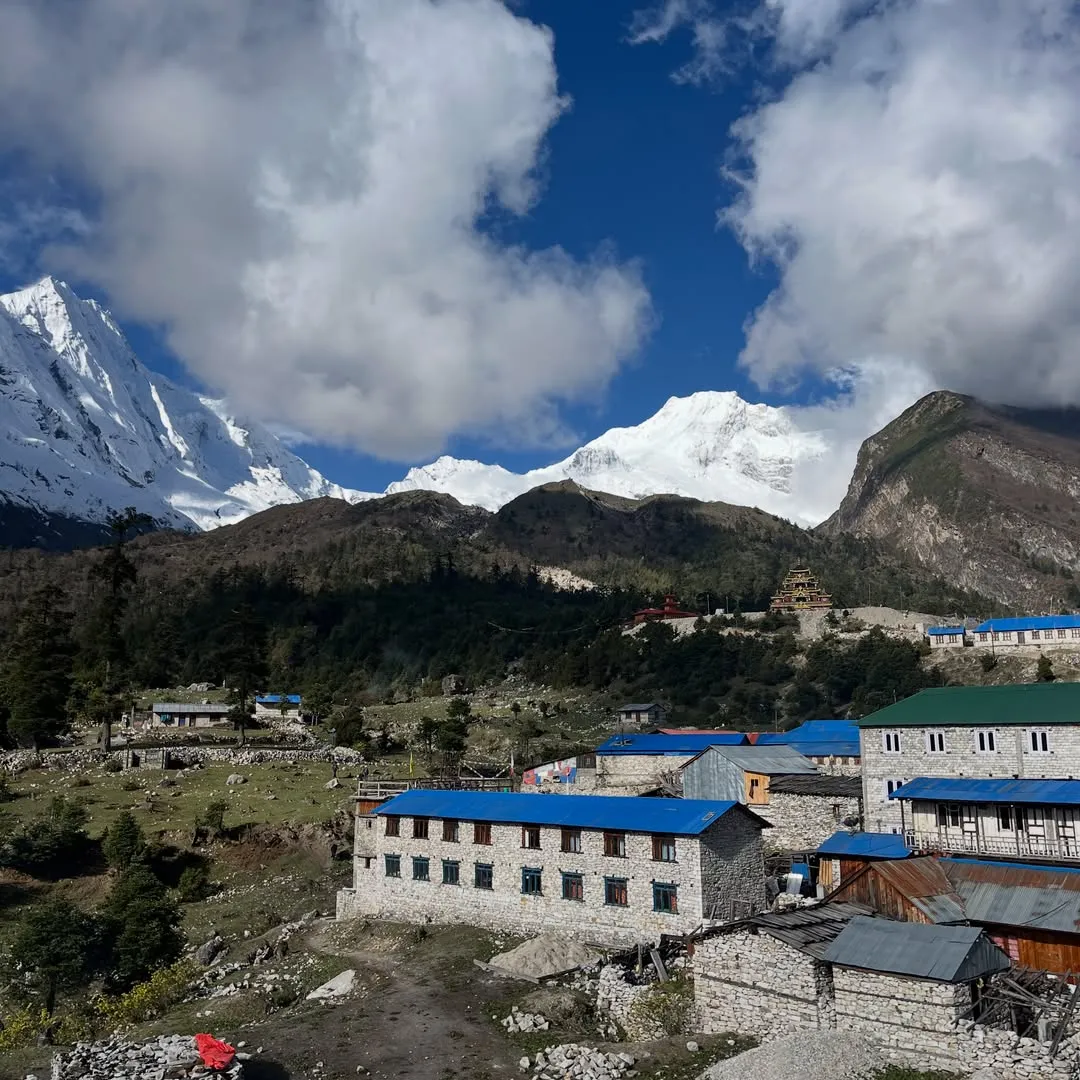
Manaslu Family Trek – 12 Days
Manaslu Family Trek – 12 Days
Manaslu Luxury Trek – 14 Days
Manaslu Luxury Trek – 14 Days

Manaslu Photography Trek – 17 Days
Manaslu Photography Trek – 17 Days
 English
 Deutsch
 Svenska
 Dansk
Dansk Русский
 Français
 Português
 Español
 Polski
 简体中文
简体中文 日本語
日本語 ไทย
ไทย العربية
 한국어
한국어