
Quick Answer
Choose a 19 to 20 day Kanchenjunga North Base Camp itinerary that includes two nights at Pangpema at 5,143 m, an acclimatization day at Ghunsa or Kambachen, and a buffer day at Lhonak. This schedule lets photographers catch sunrise on Kanchenjunga, hike to the Jhnu Kanda viewpoint, and wait out a cloudy morning without rushing the descent.
Detailed Breakdown
The Kanchenjunga North Base Camp Trek runs 16 to 20 days from Taplejung to Pangpema at 5,143 m and back. The route climbs through Limbu and Sherpa villages, crosses the Kanchenjunga Conservation Area, and reaches Pangpema on the north side of Kanchenjunga at 8,586 m, the third highest peak in the world.
For photography, the key moments are sunrise on Kanchenjunga from Pangpema, the wide view from the Jhnu Kanda viewpoint 90 minutes above Pangpema, the glacier panorama from Lhonak, and the mani walls and gompa at Ghunsa. None of these can be captured in a single rushed visit.
A 16 day itinerary reaches Pangpema on day 13 and leaves the next morning. A 19 to 20 day itinerary adds an acclimatization day at Kambachen, a buffer day at Lhonak, and a second night at Pangpema, giving two sunrise chances and a side hike window.
Cost / Component Breakdown
Kanchenjunga North packages for 2027 to 2030 price between $2,200 and $3,400 per person for a group of two, with the 20 day version costing $300 to $500 more than the 16 day version.
| Component | 16 day USD | 20 day USD |
|---|---|---|
| Guide and assistant | $360 to $460 | $460 to $580 |
| Porters at 25 kg | $280 to $360 | $360 to $460 |
| Restricted Area Permit | $80 to $100 | $100 to $120 |
| Conservation Area Permit | $30 | $30 |
| Teahouse and camping full board | $520 to $680 | $680 to $880 |
| Ground transport | $340 to $460 | $340 to $460 |
| Rescue and insurance | $140 to $220 | $180 to $260 |
| Agency fee | $320 to $460 | $400 to $560 |
What Affects the Answer
Season affects cloud cover most. October has the clearest skies but cold nights at Pangpema, dropping to minus 15 Celsius. April has softer morning light but higher chance of afternoon clouds at the high camp. November is reliable but colder than October.
Your fitness changes the equation. Strong trekkers handle the 16 day version with a single Pangpema night, but for photography focused trips, the 20 day version is the right call regardless of fitness because two sunrise chances are worth the extra cost.
Guide experience affects photography outcomes. Senior Kanchenjunga guides know which Pangpema tent faces east for first light, where the Jhnu Kanda viewpoint is, and how to read weather for a clear morning.
Booking Tips
Book 14 weeks ahead for autumn 2027 or spring 2028 departures. The Bhadrapur to Taplejung flight is the bottleneck, with cancellations common in shoulder seasons. Build two buffer days into your itinerary, one on the way in and one on the way out.
Ask for a senior guide with Kanchenjunga photography experience in the last 24 months. Pay 30 percent deposit, 50 percent on arrival in Kathmandu, and hold 20 percent until Taplejung exit.
Pack a wide lens for the Pangpema panorama, a telephoto for Kanchenjunga detail shots, and a polarizer for the glacier. Carry extra batteries and sleep with them above 4,000 m. A minus 20 sleeping bag is required at Pangpema.
Comparison With Alternatives
The Kanchenjunga South Base Camp Trek runs 14 to 18 days to Oktang at 4,730 m and offers a different angle on Kanchenjunga. South is shorter and lower, with a stronger cultural focus on the Yamphuding and Torongden villages. North is the right choice if the goal is the iconic Pangpema sunrise.
The Kanchenjunga Circuit Trek combines north and south in 24 to 28 days. This is the right pick if you have the time and want both base camps, budget $3,400 to $4,800 per person for 2027 to 2030.
Common Mistakes to Avoid
Do not book a 16 day compressed itinerary if photography is your goal. The 16 day version reaches Pangpema late on day 13 and leaves the next morning, leaving no buffer for clouds. Do not skip the Kambachen acclimatization day, altitude gain from Ghunsa to Pangpema is 1,400 m and skipping rest risks AMS.
Do not underestimate cold at Pangpema. The tent temperature drops to minus 15 Celsius in October, and camera batteries die in the cold. Carry spares in inner pockets. Do not book an unverified guide, ask for the guide name and a 2026 reference.
Do not pay the full fee up front, hold 20 percent until Taplejung exit so the operator has incentive to deliver the full itinerary.
FAQ
Is 16 days enough for Kanchenjunga North? Yes for fitness focused trekkers, no for photography focused trips.
What is the best month for Kanchenjunga photography? October for clarity, April for softer light and warmer nights.
Can I hike above Pangpema? Yes, the Jhnu Kanda viewpoint is 90 minutes above Pangpema and offers a wider panorama.
Do I need a restricted area permit? Yes, the Kanchenjunga Restricted Area Permit is mandatory above Taplejung.
Summary
A 19 to 20 day Kanchenjunga North itinerary with two Pangpema nights and a Kambachen acclimatization day is the right pick for photographers. Budget $2,500 to $3,400 per person for 2027 to 2030 and book a guide with Kanchenjunga photography experience.
Conclusion
If your primary goal is the iconic Pangpema sunrise, the 20 day itinerary is the right call. Pay for the extra nights, choose a senior guide, and you will return with images that a 16 day rush cannot deliver.
Recommended Trek Packages
Trekking Places to Explore
Explore Trips in Nepal
Hand-picked guided trips to this destination
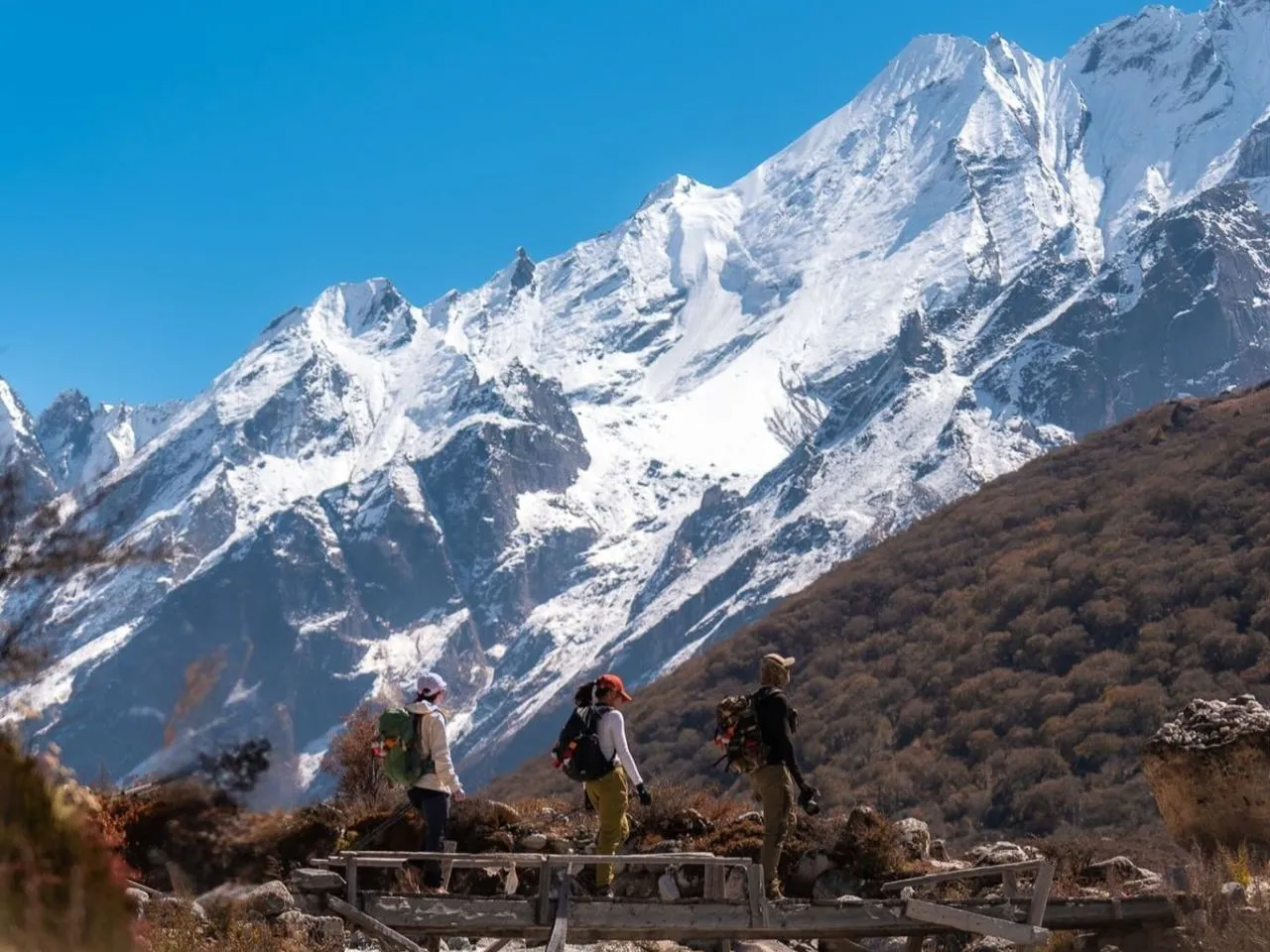
Langtang Luxury Trek – 10 Days
Langtang Luxury Trek – 10 Days
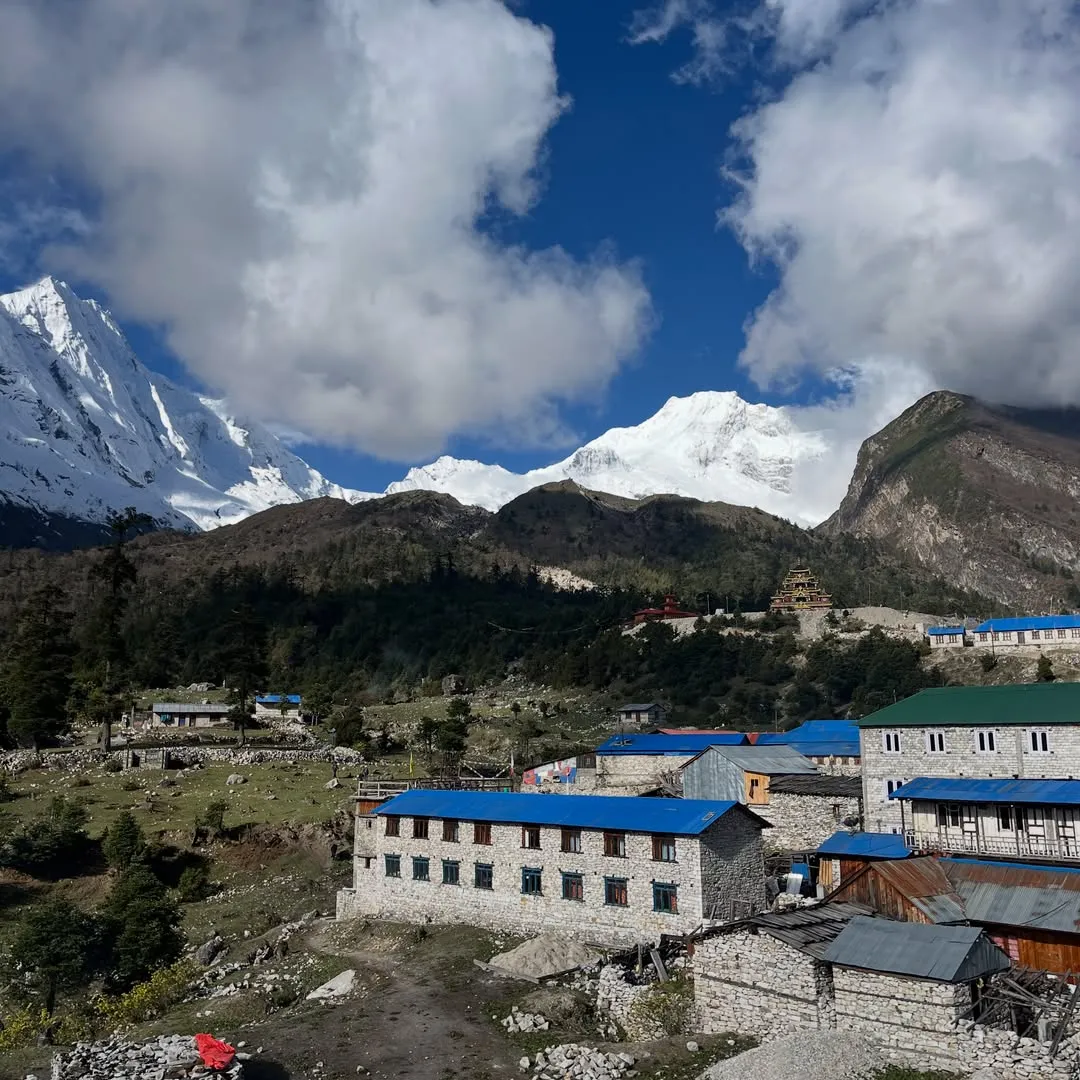
Manaslu Family Trek – 12 Days
Manaslu Family Trek – 12 Days
Manaslu Luxury Trek – 14 Days
Manaslu Luxury Trek – 14 Days

Manaslu Photography Trek – 17 Days
Manaslu Photography Trek – 17 Days
 English
 Deutsch
 Svenska
 Dansk
Dansk Русский
 Français
 Português
 Español
 Polski
 简体中文
简体中文 日本語
日本語 ไทย
ไทย العربية
 한국어
한국어