
คำตอบอย่างรวดเร็ว
The best season to climb Island Peak in 2027 and 2028 is the post monsoon window from early October to mid November, with a secondary spring window from late March to late May. October delivers the most stable weather, clearest summit views, and warmer nights at base camp than November.
รายละเอียดรายละเอียด
Island Peak, also called Imja Tse, sits at 6,189 metres in the Khumbu region above Dingboche and Chhukung. The climb crosses a glacier and finishes on a fixed line headwall, so weather windows matter more than for a standard trek. The two reliable seasons are spring and autumn, separated by the summer monsoon and the winter deep freeze.
Autumn runs from early October to mid November. Days are clear, the glacier is firm after the monsoon, and teahouse beds in Chhukung and Dingboche open by early October. By late November, night temperatures at 5,100 metres fall below minus 15 Celsius and most teams shift to spring.
Spring runs from late March to late May. The jet stream retreats north, days lengthen, and snow stability improves through the season. May is warmer but cloudier in the afternoon, so morning summit pushes start at 3:00 am.
รายละเอียดต้นทุน/ส่วนประกอบ
| ส่วนประกอบ | October to November (Peak) | March to May (Shoulder) |
|---|---|---|
| Climbing permit (NMA) | $250 high season | $125 low season |
| Sagarmatha NP plus rural municipality | $50 combined | $50 combined |
| ไกด์และปีนเขาเชอร์ปา | $1,400 ถึง $1,900 | $1,300 ถึง $1,800 |
| Lukla flight both ways | $360 ถึง $400 | $360 ถึง $400 |
| Teahouse and food per day | $35 ถึง $50 | $30 ถึง $45 |
| รวมทั่วไป (2027) | $3,200 ถึง $4,200 | $2,900 to $3,900 |
อะไรส่งผลต่อคำตอบ
Jet stream position is the dominant factor. When the jet sits over the Himalaya in winter and mid summer, summit winds exceed 80 kilometres per hour and climbing is unsafe. The shoulder seasons are the only realistic windows.
Glacier condition matters next. The Imja glacier shifts each monsoon, so the route through the crevasse field is re established each season by the climbing sherpa team. Spring routes are often longer than autumn routes because snow bridges over crevasses soften during the day.
Acclimatisation profile also drives timing. Most teams acclimatise on the Everest Base Camp Trek first, then cross Kongma La to Chhukung and base camp. That pattern needs 18 to 20 days in autumn and 16 to 18 in spring, when acclimatisation is slightly faster due to warmer nights.
เคล็ดลับการจอง
Reserve Lukla flights for early morning slots, before 8:00 am. Afternoon flights to and from Lukla are frequently cancelled in October due to cloud buildup over the Dudh Koshi valley.
Book climbing sherpas at least four months ahead for October dates. The best sherpas guide Everest expeditions in May and Island Peak in October, so their autumn calendar fills by June.
Pay in USD with a 25 percent deposit and the balance on arrival. Insist on a written climbing plan that includes a summit day turnaround time, usually 10:00 am.
เปรียบเทียบกับทางเลือกอื่น
Mera Peak is the common alternative. Mera is non technical and lower commitment, with a 6,476 metre summit that does not require fixed lines. Mera also runs in the same two seasons but with colder nights due to higher base camp at 5,800 metres.
Lobuche East is the other alternative. Lobuche is closer to Island Peak in style, with a technical headwall, but it is more crowded in October. For a first Nepal climbing trip, Island Peak remains the standard choice because the logistics are better documented.
ข้อผิดพลาดทั่วไปที่ควรหลีกเลี่ยง
Do not try to climb Island Peak in late September. The monsoon tail brings snow to the Khumbu, and the glacier route is not yet re established. First safe week is early October.
Do not skip the acclimatisation trek in. Climbers who fly to Lukla and rush to base camp in five days report altitude sickness at 5,000 metres, even with prior high altitude experience.
Do not climb in December or January. Daylight is short, the fixed lines ice over, and most teahouses in Chhukung close for winter.
Do not assume May is identical to October. May afternoons are cloudier, and summit day often needs an earlier start to beat the afternoon snow.
คำถามที่พบบ่อย
Which month is best for Island Peak?
Mid October is the safest single window. The monsoon has cleared, temperatures remain workable, and the climbing sherpa teams have re fixed the glacier route in early October.
ฉันสามารถปีนเกาะยอดเขาในฤดูหนาวได้หรือไม่?
Technically yes, but it is not recommended. December to February brings minus 25 Celsius nights at base camp, and most operators suspend trips because teahouse support closes.
ฤดูใบไม้ผลิหรือฤดูใบไม้ร่วงดีกว่าสำหรับการถ่ายภาพหรือไม่?
Autumn is better for clear summit photos. Spring delivers warmer light at dawn but afternoon cloud reduces the chance of clean summit shots.
How long does an Island Peak trip take?
Plan 18 to 20 days including the Everest Base Camp acclimatisation trek. A direct 14 day version is possible but carries higher altitude risk.
What permit is required?
The NMA Island Peak Climbing Permit, plus Sagarmatha National Park and Khumbu Pasang Lhamu Rural Municipality entry permits, plus TIMS Card. Total permit cost ranges from $325 in shoulder season to $450 in peak season.
สรุป
Book Island Peak for early to mid October for the best combination of weather, route condition, and support. Spring, especially late April to mid May, is the secondary window. Avoid winter and monsoon months entirely.
ข้อสรุป
For a 2027 or 2028 Island Peak climb, target October 5 to 25 or April 25 to May 20. Reserve climbing sherpas and Lukla flights by June for October departures, and accept that weather will dictate the exact summit day within your window.
แพ็คเกจ Trek ที่แนะนำ
สถานที่เดินป่าเพื่อสำรวจ
Explore Trips in Nepal
Hand-picked guided trips to this destination
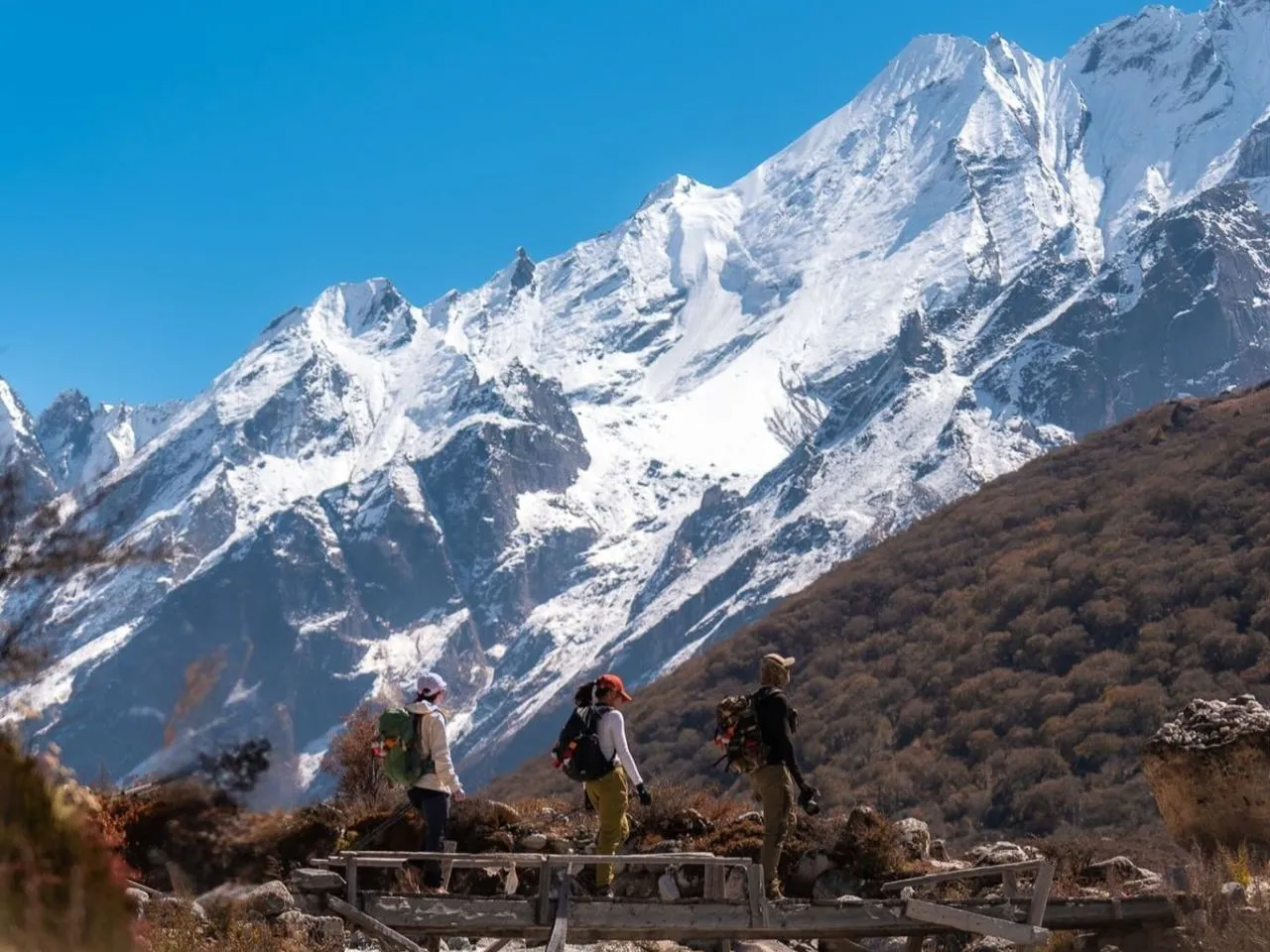
Langtang Luxury Trek – 10 วัน
Langtang Luxury Trek – 10 วัน
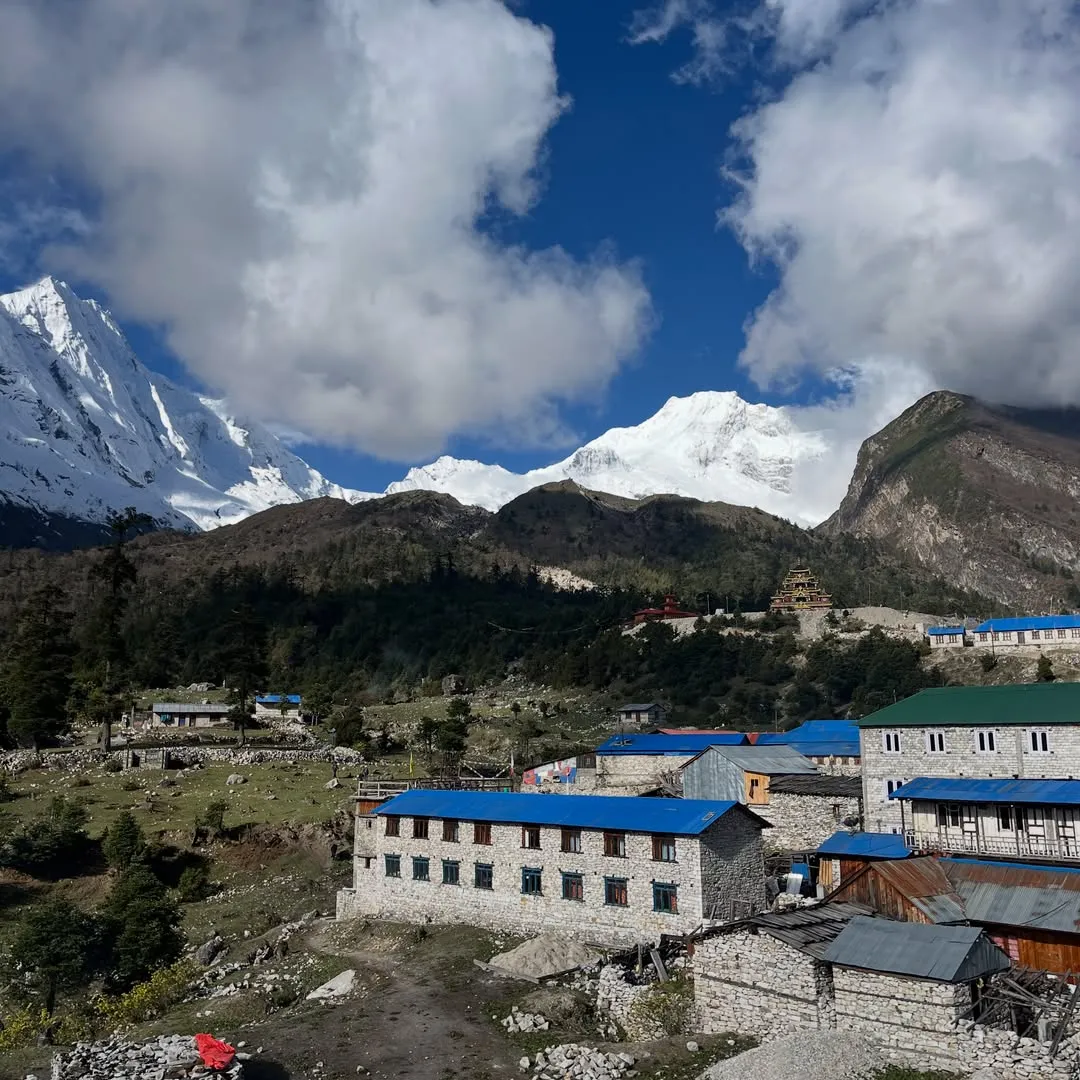
มานาสลู เทรน ครอบครัว - 12 วัน
มานาสลู เทรน ครอบครัว - 12 วัน
มนัสลู ลักเชอรี่เทรค - 14 วัน
มนัสลู ลักเชอรี่เทรค - 14 วัน

มานาสลู เทรค ถ่ายภาพ - 17 วัน
มานาสลู เทรค ถ่ายภาพ - 17 วัน
 English
 Deutsch
 Svenska
 Dansk
Dansk Русский
 Français
 Português
 Español
 Polski
 简体中文
简体中文 日本語
日本語 ไทย
ไทย العربية
 한국어
한국어