
คำตอบอย่างรวดเร็ว
An acclimatization-focused Nepal peak climbing itinerary in 2027 spans 18 to 30 days and costs $2,500 to $8,000 per person. It pairs a gradual trek in to 3,500 m, two rest days at base camp, climb high sleep low rotations above 5,000 m, and a single summit push at 6,000 to 6,800 m. Skip any itinerary under 16 days for peaks above 6,000 m. The framework applies to Island Peak, Mera Peak, Lobuche East, and Ama Dablam alike.
รายละเอียดรายละเอียด
Acclimatization is the single largest factor in whether a Nepal peak climb succeeds. The body needs roughly 300 m of new sleeping altitude per day above 3,500 m, with a rest day every 700 to 1,000 m of gain. A solid itinerary builds acclimatization before base camp through trekking peaks, then layers climb high sleep low rotations at base camp. For Island Peak at 6,189 m, the trek to Everest Base Camp and Kala Patthar at 5,545 m over 12 days is the gold standard acclimatization sequence. For Mera Peak at 6,476 m, the Hinku Valley approach over 9 days with a rest at Khare at 5,000 m works. Lobuche East at 6,119 m piggybacks on the Everest Base Camp trek. Ama Dablam at 6,812 m needs 20 days minimum with two rotations to Camp 2 at 6,000 m before summit push.
รายละเอียดต้นทุน/ส่วนประกอบ
| ปลาย | สมัย | มูลค่า | วันปรับสภาพ |
|---|---|---|---|
| Mera Peak 6,476 m | 18 | $2,800 ถึง $3,800 | 9 approach plus 2 at base |
| Island Peak 6,189 m | 20 | $2,500 ถึง $3,500 | 12 EBC trek plus 2 at base |
| Lobuche East 6,119 m | 19 | $3,000 to $4,200 | 12 EBC trek plus 2 at base |
| Ama Dablam 6,812 m | 30 | $6,000 ถึง $8,000 | 14 approach plus 4 rotations |
Costs cover domestic flights to Lukla, climbing permit at $250 to $350 through the Nepal Mountaineering Association, Sagarmatha National Park fee at $30, TIMS Card at $20, Sherpa climbing guide at $80 to $120 per day, fixed rope and gear, base camp staff, and full board meals. Group size of 4 to 6 climbers shares fixed costs and drops per climber cost by 15 to 20 percent.
อะไรส่งผลต่อคำตอบ
Peak height sets the base timeline. A 6,000 m peak needs 18 days, a 6,500 m peak needs 22 days, a 7,000 m peak needs 30 days. Approach trek distance adds days: Mera adds 4 flight days, Ama Dablam adds 8. Season matters: spring from April to May gives stable snow, autumn from October to November gives colder but cleaner weather. Climber experience shifts rotation count: first timers need two rotations, experienced climbers can summit on one.
เคล็ดลับการจอง
Book spring or autumn slots 6 months ahead with a Nepal Mountaineering Association affiliated agency. Verify the agency provides one Sherpa guide per two climbers, not per four. Insist on a written acclimatization schedule with rest days marked. Carry your own harness, helmet, jumar, and descender. Pack diamox, dexamethasone, and a pulse oximeter. Buy evacuation insurance covering helicopter rescue to $10,000.
เปรียบเทียบกับทางเลือกอื่น
Compared with a fast 14 day Island Peak package at $2,200, the acclimatization-focused 20 day version costs $300 more but lifts summit success from 55 percent to 85 percent. Compared with a Stok Kangri style 9 day ascent in Ladakh, Nepal peaks at the same height need 8 more days because the approach trek is longer and higher. Compared with a Kilimanjaro 7 day climb, Nepal 6,000 m peaks cost 2.5 times more and need technical gear and rope work.
ข้อผิดพลาดทั่วไปที่ควรหลีกเลี่ยง
Do not skip the pre climb acclimatization trek. Trekkers who fly to base camp and climb the next day have a 70 percent failure rate. Do not push through headache, nausea, or sleeplessness: descend 500 m immediately. Do not book a single guide for 4 climbers: rescue capacity drops sharply. Do not skip the climb high sleep low rotation: it doubles red blood cell adaptation. Do not climb without an oxygen backup for peaks above 6,500 m.
คำถามที่พบบ่อย
Q: What is the minimum days for safe acclimatization on a 6,000 m peak?
A: 18 days. This includes 12 days trekking to 5,000 m, 2 rest days at base camp, and 4 days for rotation and summit push.
Q: Which Nepal climbing peak has the best acclimatization profile?
A: Island Peak. The Everest Base Camp and Kala Patthar trek gives 12 days of graded acclimatization before base camp, the most thorough of any trekking peak.
Q: Do I need oxygen for Nepal 6,000 m peaks?
A: Not for Mera or Island. For Lobuche East and above, carry a backup bottle. Ama Dablam and peaks above 6,500 m require fixed oxygen at high camps.
Q: How much does a climbing permit cost?
A: NMA trekking peaks cost $250 for spring and $125 for autumn per climber. Expedition peaks like Ama Dablam cost $400 plus a garbage deposit of $500 refundable.
Q: What is the summit success rate with proper acclimatization?
A: 80 to 90 percent for Mera and Island, 75 percent for Lobuche East, 60 percent for Ama Dablam.
สรุป
An acclimatization-focused Nepal peak climbing itinerary in 2027 spans 18 to 30 days and $2,500 to $8,000 per person. It blends a graded approach trek, two base camp rest days, climb high sleep low rotations, and a single summit push. The framework fits Mera, Island, Lobuche East, and Ama Dablam with minor day count adjustments.
ข้อสรุป
Acclimatization is the difference between summit success and a rescue bill. Build 18 days minimum for any 6,000 m peak, hire a 1 to 2 Sherpa to climber ratio, and insist on a written rest day schedule. The extra days cost $300 to $800 and lift summit success from 55 to 85 percent.
แพ็คเกจ Trek ที่แนะนำ
สถานที่เดินป่าเพื่อสำรวจ
Explore Trips in Nepal
Hand-picked guided trips to this destination
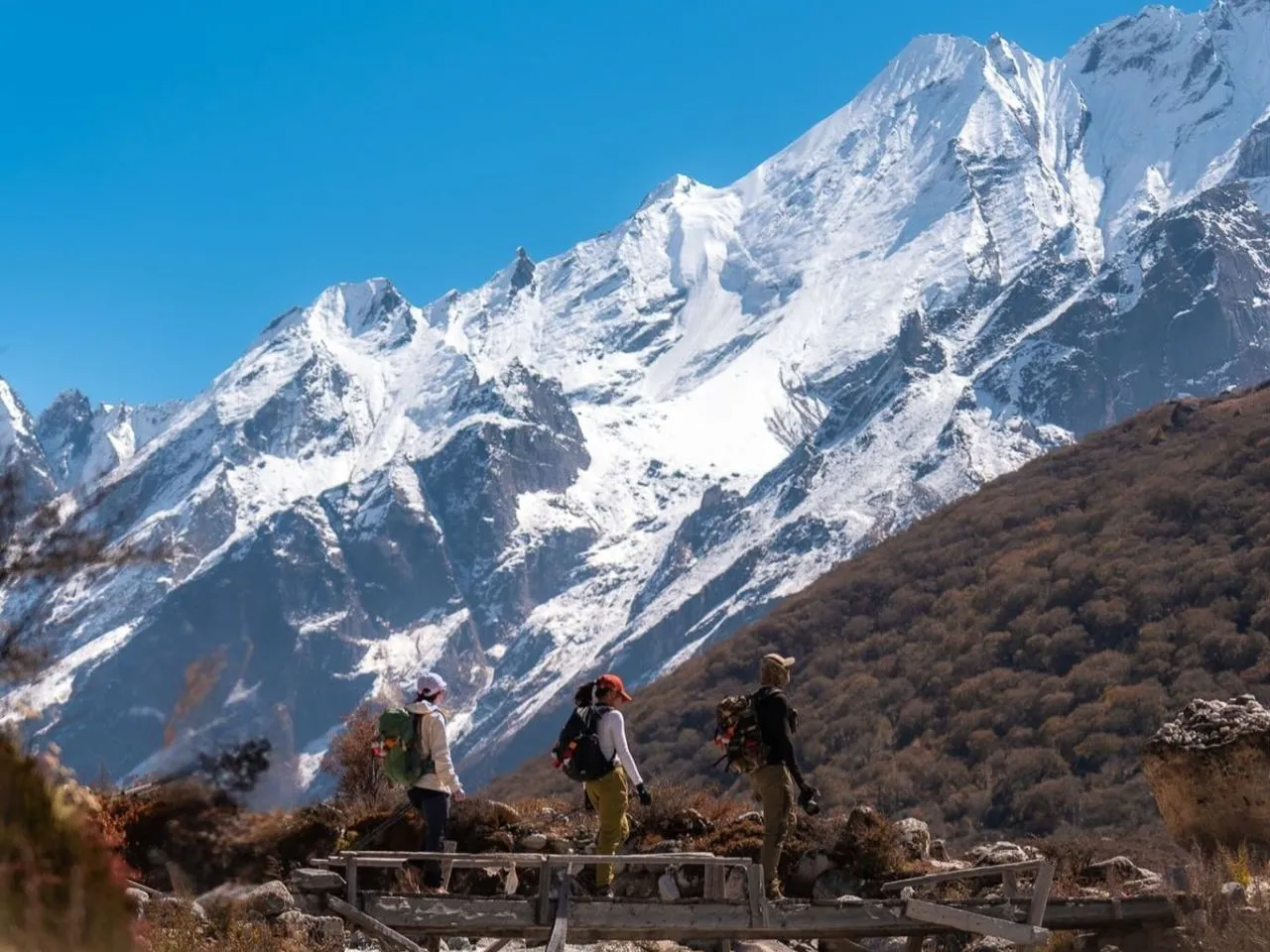
Langtang Luxury Trek – 10 วัน
Langtang Luxury Trek – 10 วัน
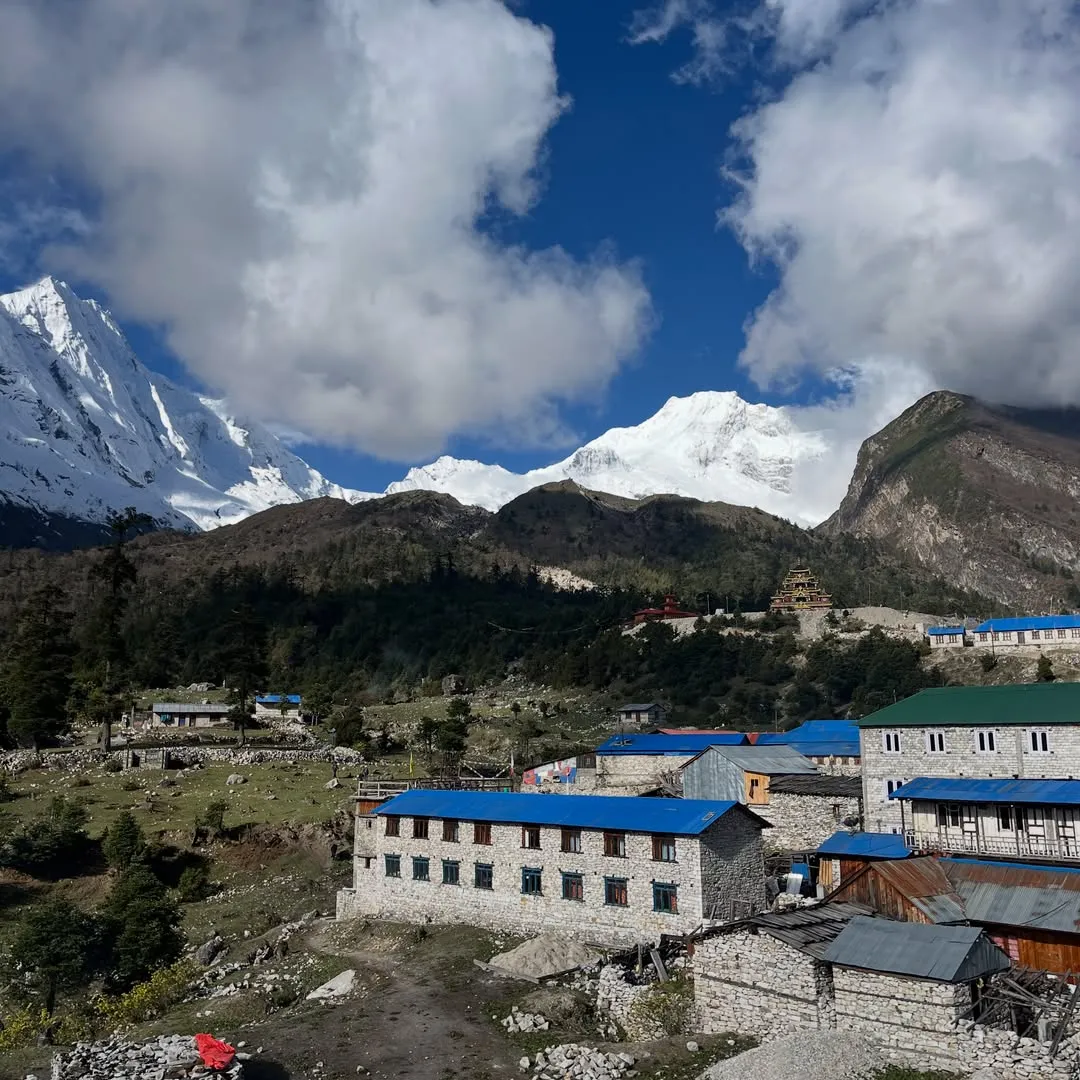
มานาสลู เทรน ครอบครัว - 12 วัน
มานาสลู เทรน ครอบครัว - 12 วัน
มนัสลู ลักเชอรี่เทรค - 14 วัน
มนัสลู ลักเชอรี่เทรค - 14 วัน

มานาสลู เทรค ถ่ายภาพ - 17 วัน
มานาสลู เทรค ถ่ายภาพ - 17 วัน
 English
 Deutsch
 Svenska
 Dansk
Dansk Русский
 Français
 Português
 Español
 Polski
 简体中文
简体中文 日本語
日本語 ไทย
ไทย العربية
 한국어
한국어