
snabbt svar
Five months is enough to prepare for Ama Dablam at 6,812 m if you already hike regularly and can train four to six days per week. Split the time into four blocks: month one builds aerobic base and strength, months two and three add vertical gain and technical skills, month four stacks a 6,000 m acclimatisation peak such as Island Peak, and month five tapers with light training and gear checks before flying to Kathmandu.
Detaljerad uppdelning
Ama Dablam is graded Alpine PD+ on the southwest ridge, which means sustained snow and ice at 50 to 60 degrees, two short pitches of rock at 5.6, and fixed ropes on the yellow tower and grey tower. Most climbers fail not on the technical ground but on aerobic fitness and altitude tolerance. A five month plan must target both.
Month one is base building. Run or cycle four sessions per week at conversational pace for 60 to 90 minutes, plus two strength sessions focused on squats, deadlifts, calf raises, and step-ups with a 15 kg pack. Add one long hill walk of four to six hours every weekend with a 12 kg pack.
Months two and three increase vertical gain. Move the long weekend walk to a steeper route and accumulate 1,000 to 1,500 m of ascent per session. Book a two day Alpine skills course covering crampon technique, ice axe arrest, prusiking, and abseiling. Climb a 4,000 m peak or equivalent objective.
Month four stacks a 6,000 m acclimatisation peak. Island Peak at 6,189 m or Mera Peak at 6,476 m teaches your body to sleep above 5,500 m and confirms your kit works at altitude. Some climbers do this peak in Nepal immediately before Ama Dablam, which adds two weeks.
Month five is taper and logistics. Reduce training volume by 40 percent, maintain intensity, and finalise oxygen, medications, and rescue insurance. Test your summit day layering system at minus 15 degrees Celsius.
Kostnad/komponentuppdelning
| beståndsdel | When | Kostnad (USD) |
|---|---|---|
| Gym membership | Months 1 to 5 | $40 to $90 per month |
| Alpine skills course, two days | Month 2 or 3 | $350 till $600 |
| Personal crampons and ice axe | Month 3 | $400 till $700 |
| High altitude boots, rental | utflykt | $250 till $400 |
| Island Peak acclimatisation climb | Month 4 or pre-expedition | $1 800 till $2 400 |
| Ama Dablam expedition package | Month 5 | $8,000 to $11,500 |
| Rescue and travel insurance | utflykt | $200 till $350 |
Vad påverkar svaret
Starting fitness sets the ceiling. A trekker who already hikes 20 km per weekend can finish a five month plan ready for Ama Dablam. A sedentary starter cannot, because aerobic base takes nine to twelve months to build. Time available per week also matters: four sessions of 90 minutes is the minimum useful volume. Access to vertical terrain changes the plan, because flatlanders need stair climbing with a 20 kg pack for 60 minutes three times per week.
Bokningstips
Book the Ama Dablam expedition package at least six months ahead, because Nepal spring and autumn climbing permits are limited and the best guides fill early. Confirm the package includes a 6,000 m acclimatisation peak, two high altitude Sherpas per climber, oxygen at base camp, and a weather forecasting service. Buy rescue insurance that explicitly covers mountaineering above 6,000 m, because most standard travel policies exclude it. Schedule a dental check in month four, because dental issues at altitude are a common evacuation cause.
Jämförelse med alternativ
A four month plan works only for climbers with prior 6,000 m experience and solid rock skills, but it leaves no room for setbacks. A six to nine month plan is safer for trekkers stepping up from trekking peaks and adds a second acclimatisation climb. Skipping the acclimatisation peak and relying on the Ama Dablam base camp rotation is possible but raises the failure rate from 30 percent to roughly 50 percent for first time 6,000 m climbers.
Vanliga misstag att undvika
The first mistake is overtraining in month one. Building volume too fast causes shin splints or knee pain that loses two to four weeks. The second is skipping technical training. Ama Dablam has two pitches of 5.6 rock in mountaineering boots, and unprepared climbers freeze on the yellow tower. The third is choosing Mera Peak over Island Peak for acclimatisation. Mera is a walk up, while Island Peak has a headwall fixed line that mirrors Ama Dablam. The fourth is buying high altitude boots too late. Buy them in month three so you can wear them on the acclimatisation peak.
fami
Can a regular hiker climb Ama Dablam in five months? Yes, if regular means four to six hour weekend hikes and three cardio sessions per week. Sedentary starters need nine to twelve months.
Do I need rock climbing experience? Yes. You should be solid on 5.6 in mountaineering boots and comfortable jumaring up a fixed line. A two day Alpine skills course covers the basics.
Is a 6,000 m acclimatisation peak compulsory? Not compulsory, but the success rate for climbers who skip it is roughly half of those who complete one.
Should I train at a real altitude before the expedition? Not strictly necessary. Most Ama Dablam climbers live near sea level and acclimatise on the trek in. Sleep tents help but add cost.
sammanfattning
Five months is enough for a fit hiker to prepare for Ama Dablam at 6,812 m. Split the time into aerobic base, vertical gain under load, an Alpine skills course, a 6,000 m acclimatisation peak, and a taper. The biggest predictor of success is not raw strength but a clean acclimatisation profile.
slutsats
For 2027 to 2030 Ama Dablam expeditions, the five month plan is the minimum realistic window for an already active hiker. Treat the acclimatisation peak as non-negotiable, train vertical gain with a 15 to 20 kg pack, and book the package with six months of lead time. Climbers who skip the acclimatisation peak or the technical course fail at twice the rate of those who follow the full plan.
Rekommenderade Trek-paket
Vandringsplatser att utforska
Explore Trips in Nepal
Hand-picked guided trips to this destination
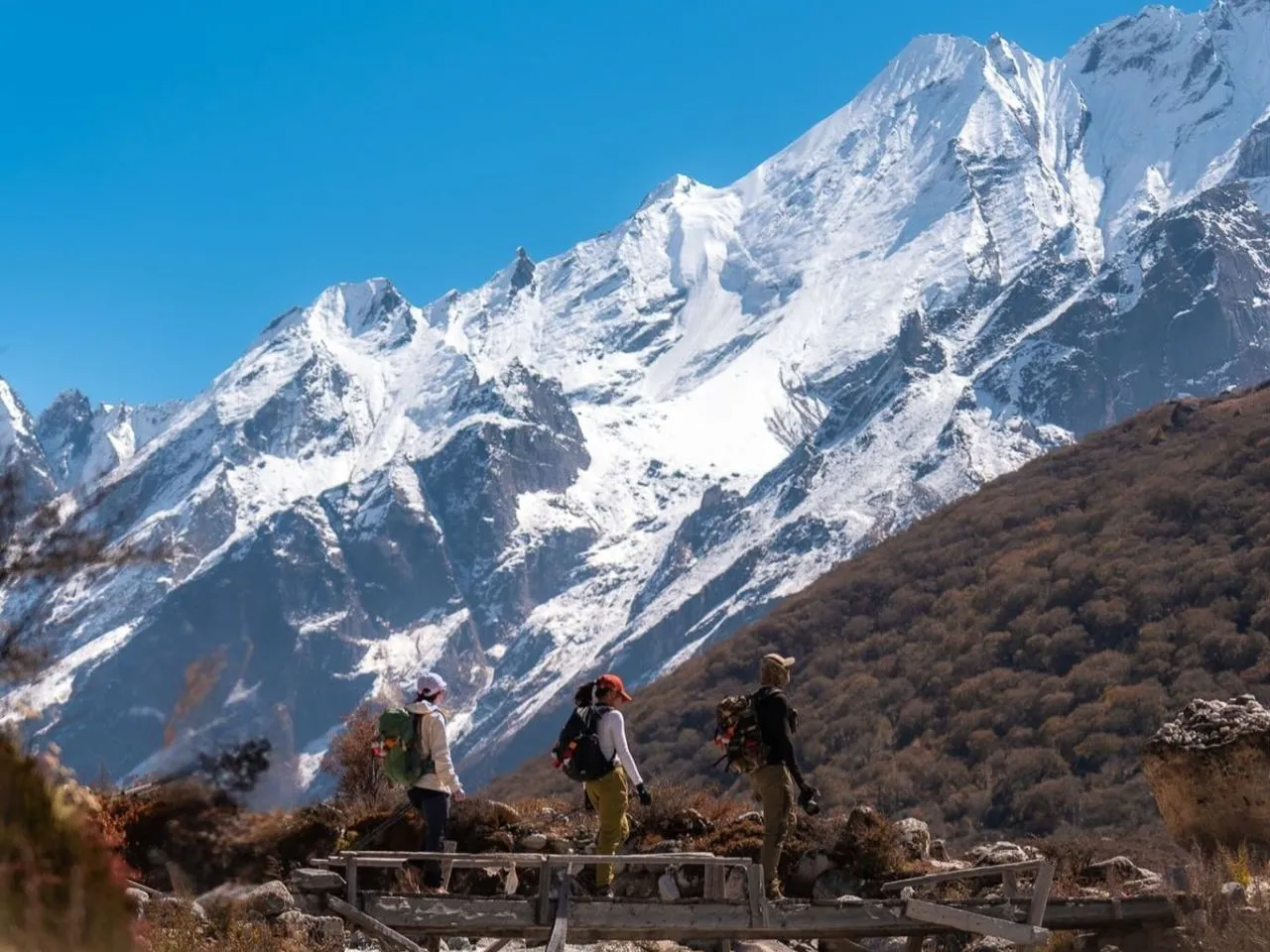
Langtang Luxury Trek – 10 dagar
Langtang Luxury Trek – 10 dagar
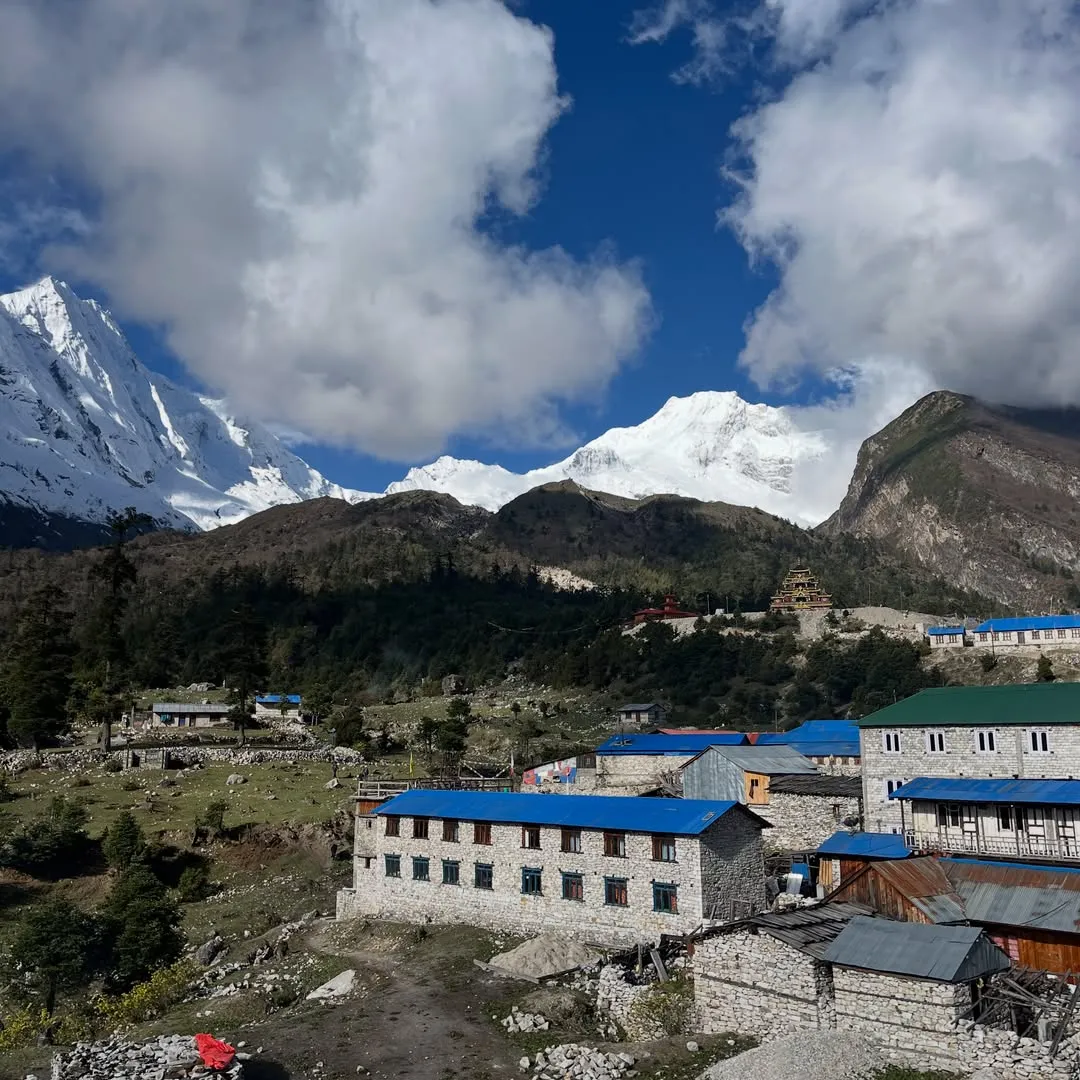
Manaslu Family Trek – 12 dagar
Manaslu Family Trek – 12 dagar
Manaslu Luxury Trek – 14 dagar
Manaslu Luxury Trek – 14 dagar

Manaslu Photography Trek – 17 dagar
Manaslu Photography Trek – 17 dagar
 English
 Deutsch
 Svenska
 Dansk
Dansk Русский
 Français
 Português
 Español
 Polski
 简体中文
简体中文 日本語
日本語 ไทย
ไทย العربية
 한국어
한국어