
Быстрый ответ
Before paying a deposit for a 2027 Simikot-Hilsa trek, confirm in writing that your operator provides a 415-litre portable oxygen cylinder, a comprehensive altitude medication kit including Diamox and dexamethasone, a pulse oximeter for daily blood oxygen checks, a satellite phone or inReach for daily check-ins, and a written evac plan naming the Simikot helicopter company on standby. The Nara La pass at 4,580m and the long approach from Simikot make altitude illness a real risk, and emergency support is your only safety net.
Simikot-Hilsa is the Nepal side of the Mount Kailash pilgrimage route, crossing the Nara La pass at 4,580m and ending at the Tibet border town of Hilsa. The route is remote, with helicopter response times of 4 to 12 hours, so operator-supplied oxygen and altitude support are non-negotiable.
подробная разбив
Six altitude support components define a safe Simikot-Hilsa package. The first is portable oxygen, with at least one 415-litre cylinder per group of 4 trekkers, costing $80 to $120 per trek. The second is the altitude medication kit, with Diamox for prevention, dexamethasone for HAPE, and nifedipine for HACE, all prescribed and carried by the guide.
The third is a pulse oximeter, with one per group for daily blood oxygen saturation checks at altitude. The fourth is a satellite phone or Garmin inReach, because mobile signal disappears above Simikot and only returns at Hilsa. The fifth is a written evac plan, naming the Simikot helicopter company on standby and the Kathmandu clinic that will receive you. The sixth is crew training, with the guide holding a valid wilderness first-aid certificate and at least three seasons of Simikot-Hilsa experience.
Разбивка стоимости/компонента
Here is the 2027 cost of altitude support components for a 14-day Simikot-Hilsa trek.
| составляющий | включен по умолчанию | Стоимость, если добавлено отдельно | банкноты |
|---|---|---|---|
| Portable oxygen cylinder (415L) | иногда | $80 до $120 за поход | по одному на группу из 4 человек |
| Altitude medication kit | иногда | $40 до $80 за поход | Диамокс, дексаметазон, нифедипин |
| пульсоксиметр | очень редко | $25 to $40 per trek | по одному на группу |
| спутниковый телефон или inreach | очень редко | $80 to $150 per trek | общий по группе |
| Written evac plan | должен быть | Без дополнительных затрат | Operator provides PDF |
| First-aid trained guide | должен быть | Built into guide fee | $25 до $35 в день |
| Helicopter evac standby | должен быть | встроенный в упаковку | Страховка окупается |
| Экипаж страхование | должен быть | $30 to $50 per crew | не подлежащий обсуждению |
If your quote skips oxygen, sat phone, or pulse oximeter, expect to add $150 to $250 to the headline price.
Что влияет на ответ
Several factors shift which support components matter most. Group size matters, with smaller groups sharing one oxygen cylinder. Season matters, with winter crossings of Nara La needing extra cold-weather medical gear. Route direction matters, with the Simikot to Hilsa direction climbing faster than Hilsa to Simikot, so altitude support matters more on the south-to-north route.
- Размер группы: Smaller groups share one oxygen cylinder.
- Сезон: Winter crossings need extra cold-weather gear.
- Направление маршрута: South-to-north climbs faster, needs more support.
- Оператор: Far West specialists carry more kit than Kathmandu brokers.
Советы по бронированию / практические советы
Ask the operator for a written altitude support checklist before paying the deposit, and reject vague answers. Request the guide's license number, first-aid certificate scan, and previous Simikot-Hilsa experience. Buy your own travel insurance that covers 5,000m altitude and helicopter rescue, because operator standby is not a substitute. Carry a personal medical kit with Diamox, ibuprofen, rehydration salts, and any prescription medications.
Save the Himalayan Rescue Association Kathmandu number and your operator's 24-hour line in your phone, with offline copies in case signal drops. Carry $500 in cash for upfront helicopter landing fees, which some insurers reimburse later. Confirm the operator's office address in Kathmandu and visit it on arrival, because a physical office signals a real business.
Сравнение с альтернативами
Compared with Kanchenjunga South altitude support, Simikot-Hilsa needs similar kit but has slower helicopter response because there are fewer landing pads. Compared with Upper Dolpo altitude support, Simikot-Hilsa is similar in remoteness but lower in altitude, so oxygen is equally important. Compared with Annapurna Circuit altitude support, Simikot-Hilsa is more remote, so satellite comms matter more here.
Распространенные ошибки, которых следует избегать
Do not assume a mid-price quote includes oxygen and altitude meds, because many operators cut these to compete on price. Avoid operators who refuse to put altitude support in writing. Never trek without printed proof of insurance, because helicopter pilots will not take off without payment confirmation. Do not skip buying your own adventure insurance because the operator promises standby. Finally, do not ignore the pulse oximeter question, because daily blood oxygen checks catch altitude illness early.
Часто задаваемые вопросы
Here are the questions we hear most about Simikot-Hilsa altitude support.
конспект
Confirm your Simikot-Hilsa operator provides portable oxygen, an altitude medication kit with Diamox and dexamethasone, a pulse oximeter, satellite comms, a written evac plan, and a first-aid trained guide. Budget $150 to $250 on top of the headline price if any item is missing. The Nara La pass at 4,580m makes altitude illness a real risk, and operator-supplied support is your only safety net.
заключение
Altitude support is the unglamorous part of booking a Simikot-Hilsa trek and the most important one. Spend an hour asking the operator the right questions, get every answer in writing, and walk away if any item is missing. A good operator welcomes these questions and a bad one resists them. The right support lets you cross the Nara La pass and reach Hilsa safely, and the wrong one puts you at risk on one of the most remote routes in Nepal.
Рекомендуемые пакеты походов
Треккинговые места для изучения
Explore Trips in Nepal
Hand-picked guided trips to this destination
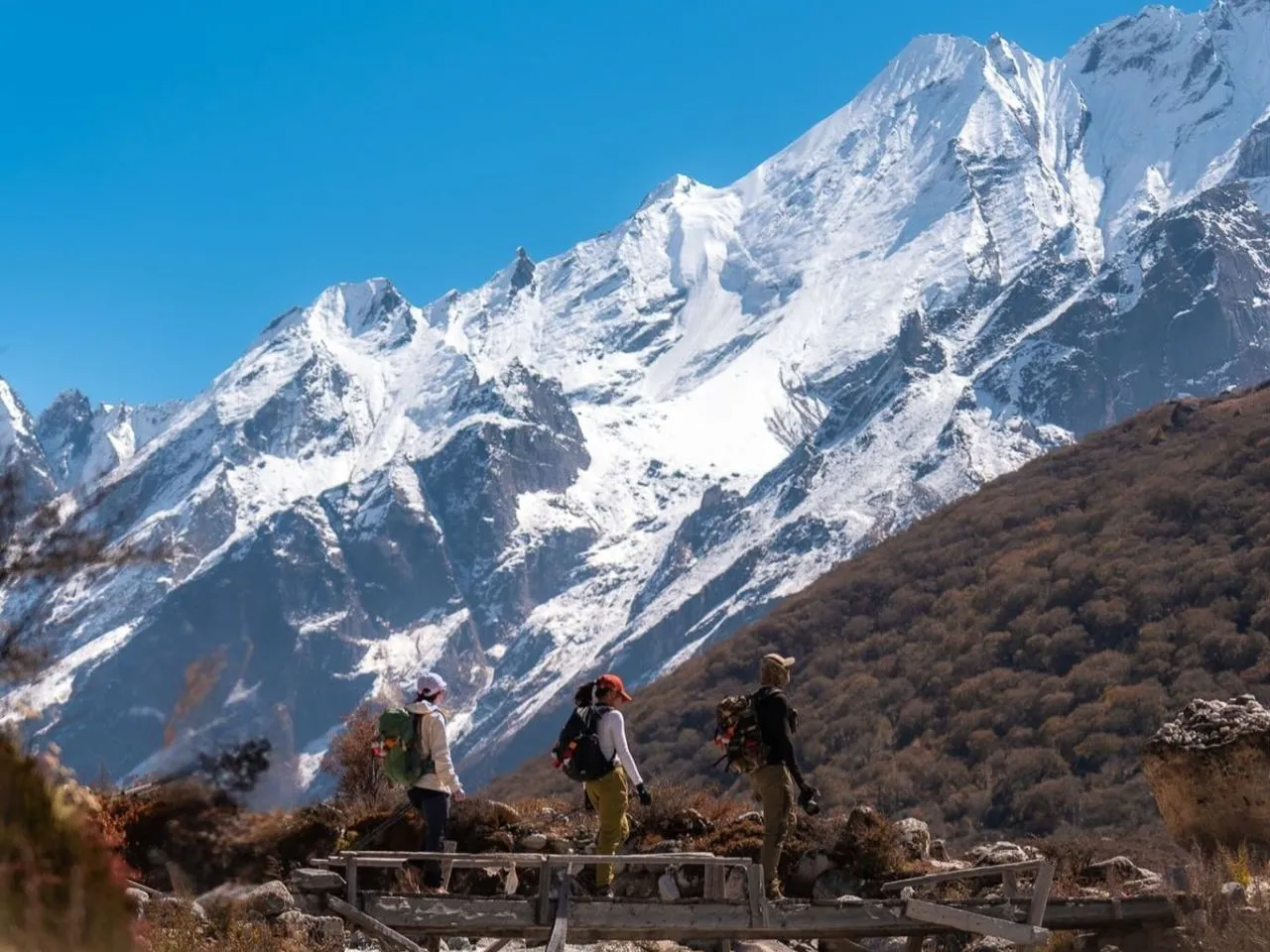
Langtang Luxury Trek – 10 дней
Langtang Luxury Trek – 10 дней
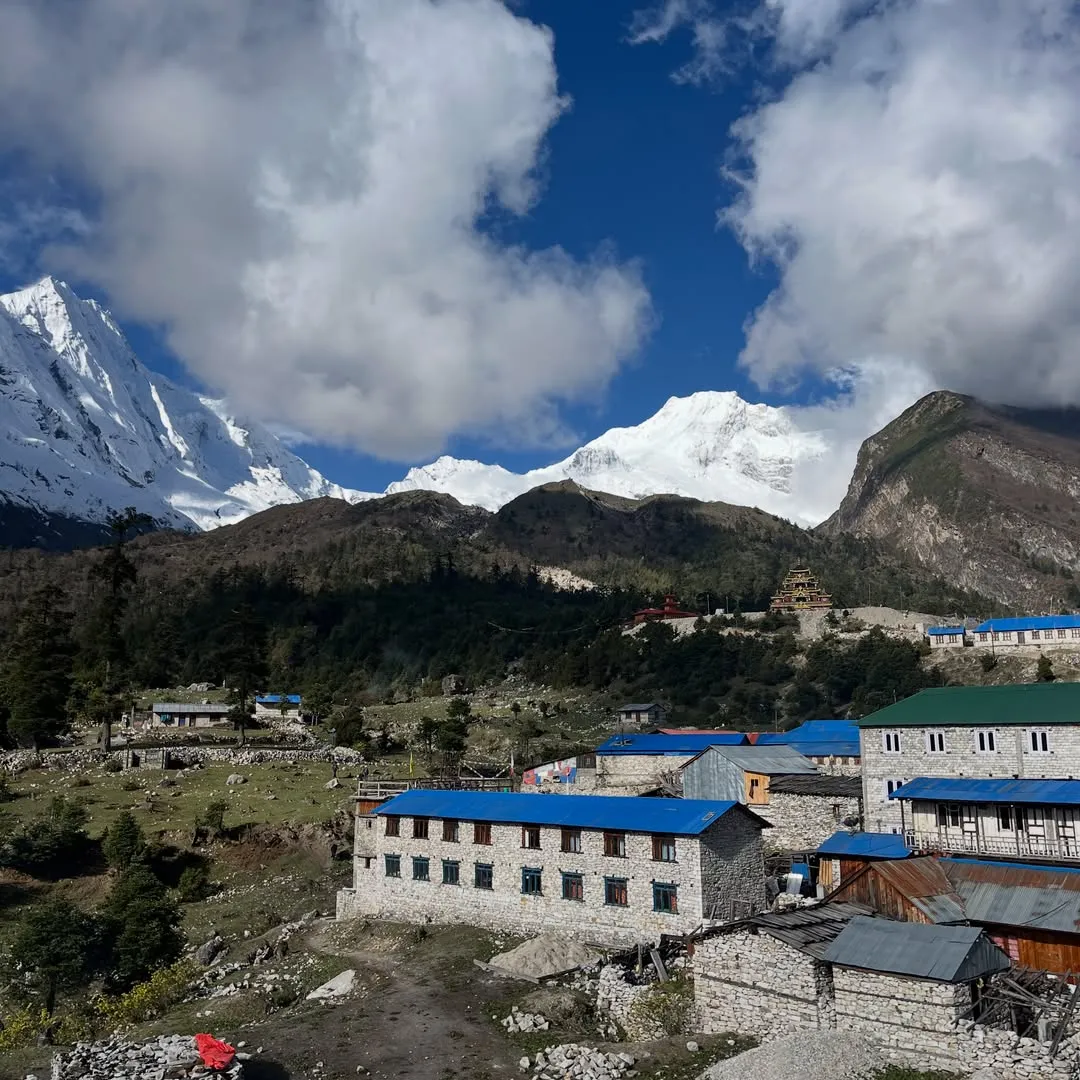
Семейный поход Манаслу - 12 дней
Семейный поход Манаслу - 12 дней
Манаслу Роскошный поход – 14 дней
Манаслу Роскошный поход – 14 дней

Поход в Манаслу Фото: 17 дней
Поход в Манаслу Фото: 17 дней
 English
 Deutsch
 Svenska
 Dansk
Dansk Русский
 Français
 Português
 Español
 Polski
 简体中文
简体中文 日本語
日本語 ไทย
ไทย العربية
 한국어
한국어