
Быстрый ответ
October and November give the cleanest sunrise light on Poon Hill at 3,210 m but draw 300 to 500 viewers at the viewpoint. Late November and early March trim crowds to 80 to 150 people while keeping clear sky odds at 75 to 80 percent, which is the sweet spot for photographers who want both quality light and breathing room at the viewing tower.
подробная разбив
Poon Hill is the most photographed sunrise viewpoint in Nepal because it places Dhaulagiri and Annapurna South in a single 180 degree frame from a 3,210 m ridge. The sun first hits Dhaulagiri at around 06:15 in October, then walks across to Annapurna I and Machhapuchhre by 06:45. The color window lasts 25 to 35 minutes and rewards a stable shooting position.
Season controls the light quality. October air is cleanest after monsoon washout, with morning haze below 5 percent and a warm gold alpenglow on Dhaulagiri. November is slightly colder but clearer, with a 90 percent clear sky probability through the first three weeks. March brings dust from the plains that softens contrast, and rhododendron bloom adds foreground color but reduces air clarity. April has the highest haze risk.
Crowd dynamics shape the shoot. The viewing tower platform holds 40 to 60 photographers shoulder to shoulder. In peak October mornings 300 to 500 people climb the 350 step trail from Ghorepani between 04:30 and 05:30. Tripod space at the front rail is gone by 05:00. Late November drops crowd size to 100 to 180, and early March to 80 to 150, which means you can shoot a clean composition without elbows in your frame.
Разбивка стоимости/компонента
| составляющий | October Peak | конец ноября | Early March |
|---|---|---|---|
| Lodge at Ghorepani | $12 до $20 | $8 до $14 | $8 до $12 |
| Dal bhat dinner | $5 to $7 | $4 до $6 | $4 to $5 |
| ACAP plus TIMS | $50 | $50 | $50 |
| Руководство в день | $25 до $35 | $25 до $30 | $25 до $30 |
| Crowd at sunrise | от 300 до 500 | 100 to 180 | 80 to 150 |
| Clear sky odds | 85 to 90 percent | от 80 до 85 процентов | 75 to 80 percent |
| 4 day trip total | $250 до $400 | $200 до $320 | $190 to $300 |
Что влияет на ответ
Your priority between light quality and crowd space is the main variable. If light wins, pick mid October to mid November. If clean compositions win, pick late November or early March. Weather is the second factor. Spring storm systems in late March can drop cloud cover for 2 to 3 days, killing sunrise clarity. The third factor is fitness. The 350 step climb at 04:30 in minus 2 degree C air is demanding for first time trekkers.
Festival timing matters. Dashain in October and Tihar in November pull domestic tourists to the trail, raising crowd density by 25 to 30 percent. Check the Nepali calendar before booking.
Советы по бронированию
Reserve Ghorepani lodge beds 6 to 8 weeks ahead for October. The five teahouses closest to the Poon Hill trailhead fill first. Ask for a room on the upper floor for warmth and a quieter morning exit. Pack a headlamp with spare batteries, gloves rated to minus 5 C, and a tripod under 1.5 kg.
Photographers should plan a 2 night stay in Ghorepani. One night gives a single sunrise attempt with 80 percent odds. Two nights raises your hit rate to 95 percent and allows a second sunrise with cleaner framing based on what you saw the first morning.
Сравнение с альтернативами
Mohare Danda at 3,300 m offers a similar Annapurna panorama with 10 to 30 people at sunrise, but requires a longer approach and has fewer lodges. Khopra Ridge at 3,660 m delivers a deeper mountain perspective with a 20 to 50 person crowd and is the strongest alternative for photographers. Mardi Himal High Camp at 4,500 m gives a close up of Machhapuchhre but fewer peaks in frame. Poon Hill wins on accessibility, with a 2 day approach from Pokhara versus 3 to 5 days for the alternatives.
Распространенные ошибки, которых следует избегать
Shooting only from the tower is the most common error. The tower rail catches every photographer, but the lower terrace 60 m east gives cleaner foreground with prayer flags. Skipping tripod weight discipline is another. Heavy tripods slow your climb and get bumped in the crowd. A 1.2 kg carbon travel tripod is enough for 30 second exposures at ISO 100.
Photographers who arrive at 05:30 miss the pre dawn blue hour that runs 05:00 to 05:45. The 30 minutes before sunrise deliver the best color on Dhaulagiri. Plan to leave the lodge at 04:45.
часто задаваемые вопросы
What time should I leave for Poon Hill sunrise? Leave Ghorepani lodge at 04:45 to reach the tower by 05:15. The blue hour starts at 05:00 and first light hits Dhaulagiri around 06:15 in October.
How cold is Poon Hill at sunrise? Minus 2 to plus 3 degrees Celsius in October, dropping to minus 5 to minus 8 in late November. Bring gloves and a warm hat.
Мне нужен штатив? Yes for sharp landscape frames. A 1.2 to 1.5 kg carbon tripod is enough. Heavier tripods slow the climb and crowd the platform.
Is March really less crowded? Yes. Early March drops the crowd to 80 to 150 versus 300 to 500 in peak October. Spring storms can reduce clarity though, so plan a 2 night buffer in Ghorepani.
Can I shoot sunrise without a guide? Yes. The trail from Ghorepani to Poon Hill is a defined 1.5 km stone staircase. Carry a headlamp and arrive early.
конспект
October and November deliver the cleanest sunrise light on Poon Hill but draw the largest crowds. Late November and early March reduce crowd density to 80 to 180 people while keeping clear sky odds above 75 percent. Book Ghorepani lodges early, plan a 2 night stay for a backup sunrise, and pack light tripod gear rated to minus 8 C.
заключение
Photographers who want both quality light and shooting space should target late November or early March for Poon Hill. October peaks in light but loses composition to crowds. Pick your priority, book early, and arrive at the viewpoint at 05:15 to claim a clean position on the lower terrace.
Рекомендуемые пакеты походов
Треккинговые места для изучения
Explore Trips in Nepal
Hand-picked guided trips to this destination
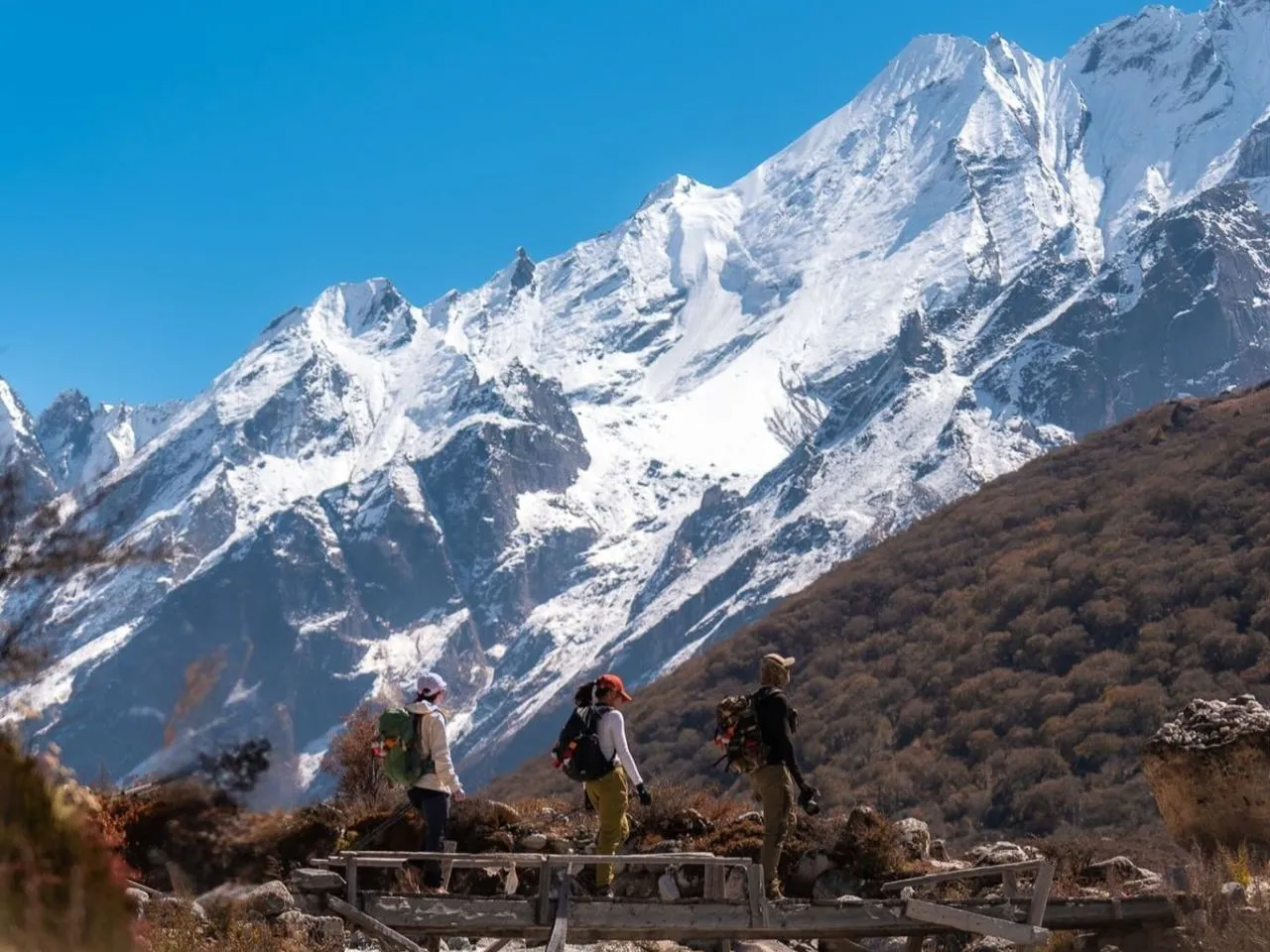
Langtang Luxury Trek – 10 дней
Langtang Luxury Trek – 10 дней
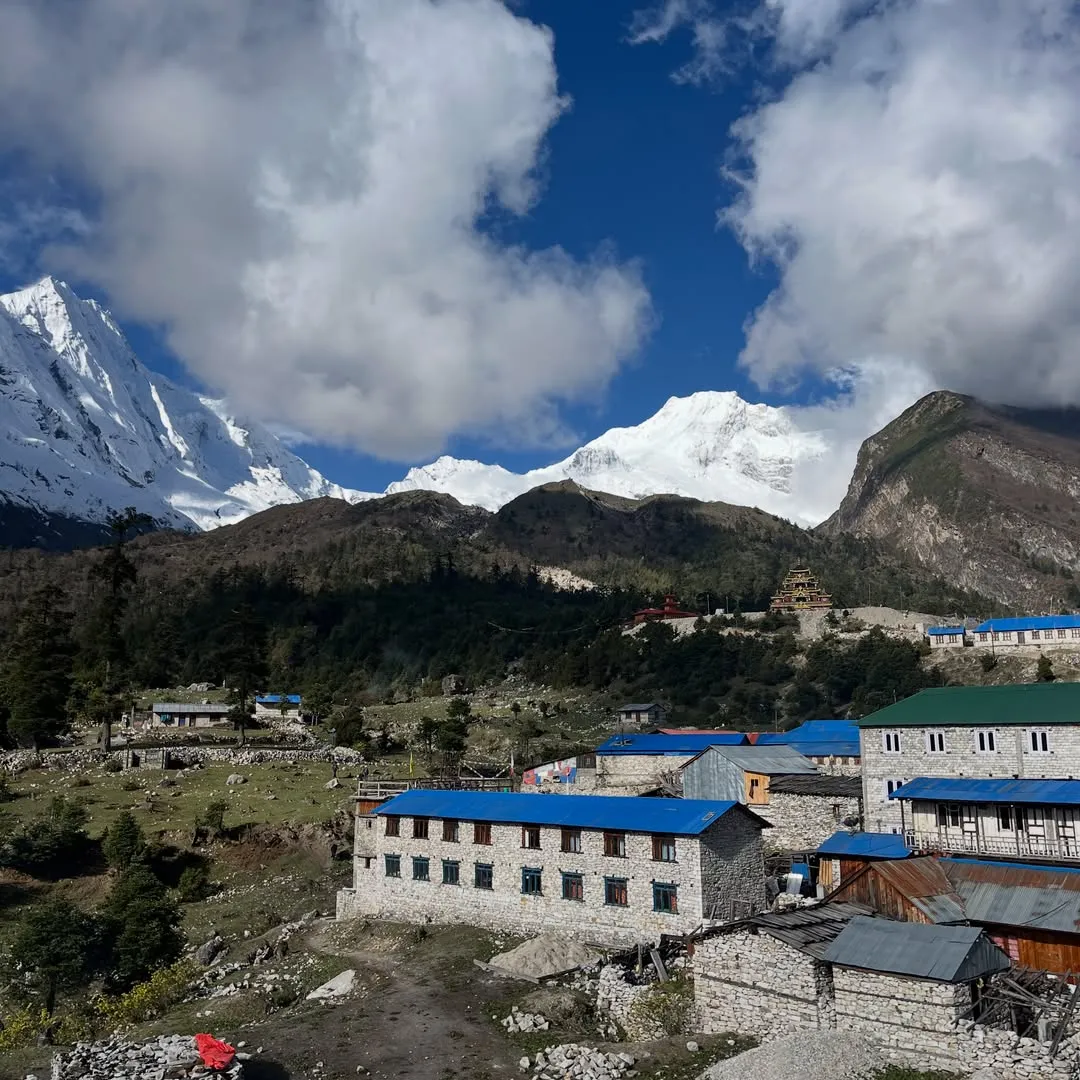
Семейный поход Манаслу - 12 дней
Семейный поход Манаслу - 12 дней
Манаслу Роскошный поход – 14 дней
Манаслу Роскошный поход – 14 дней

Поход в Манаслу Фото: 17 дней
Поход в Манаслу Фото: 17 дней
 English
 Deutsch
 Svenska
 Dansk
Dansk Русский
 Français
 Português
 Español
 Polski
 简体中文
简体中文 日本語
日本語 ไทย
ไทย العربية
 한국어
한국어