
resposta rápida
Add acclimatisation days at Namche Bazaar at 3,440 m on day 3, at Dingboche at 4,410 m on day 6, and at Chhukung at 4,730 m on day 8 before crossing Kongma La at 5,535 m. Two well placed rest days cut acute mountain sickness rates from 18 percent on rushed plans to 6 percent on the standard 18 to 21 day route.
Detalhamento detalhado
The Three Passes Trek covers 165 km over 18 to 21 days from Lukla at 2,840 m. It crosses three high passes above 5,300 m: Kongma La at 5,535 m, Cho La at 5,420 m, and Renjo La at 5,360 m. The route also reaches Kala Patthar at 5,545 m and Gokyo Ri at 5,357 m, so trekkers spend 5 to 7 nights above 4,700 m. Acclimatisation is non negotiable.
The first rest day belongs at Namche Bazaar on day 3. This is the classic Khumbu acclimatisation stop, with a day hike to Everest View Hotel at 3,880 m that follows the climb high, sleep low rule. The second rest day belongs at Dingboche on day 6, with a day hike to Nangkartshang Peak at 5,083 m. The third rest day, optional for strong trekkers but recommended for all, belongs at Chhukung on day 8, with a day hike to Chhukung Ri at 5,550 m before the Kongma La crossing on day 9.
Distribuição de custo/componente
| componente | detalhe | custo USD |
|---|---|---|
| Lukla, viagem de volta de volta | 35 minutes each way | $360 a $400 |
| Permissão do Parque Nacional Sagarmatha | por pessoa | $30 |
| Permissão de Khumbu Pasang Lhamu | Local municipality | $20 |
| cartão tims | Gerenciamento de informações do Trekker | $10 |
| pensão completa do alojamento | Per day, 20 days | $40 a $60 |
| Guia e Porter | Per day combined | $55 a $75 |
| Extra acclimatisation day | Lodging and meals for 1 | $45 a $70 |
| Total 20 day trek | Per person, with guide and porter | $2,200 to $3,000 |
O que afeta a resposta
Starting altitude matters. Trekkers who fly into Lukla at 2,840 m from Kathmandu at 1,400 m need the full three rest days. Trekkers who pre acclimatise on a Langtang Valley trek beforehand can drop the Chhukung day. Age and fitness matter less than altitude history. A 60 year old with two prior treks above 5,000 m is safer than a 30 year old on a first high altitude trek.
Season also affects placement. In spring from March to May, snow on Kongma La can delay the crossing by a day, so a buffer at Chhukung is essential. In autumn from October to November, the pass is usually clear, but Dingboche is colder at night, so rest days there should include warm gear checks.
Dicas de reserva
Book through a Khumbu based agency and confirm the 20 day itinerary includes rest days at Namche, Dingboche, and Chhukung. Ask the guide to carry a pulse oximeter and supplemental oxygen. Reserve Dingboche and Chhukung lodges 4 to 6 weeks ahead in October. Carry a sat messenger, because mobile signal is patchy above Dingboche.
Comparação com alternativas
Compared with the Everest Base Camp Trek of 12 to 14 days, the Three Passes adds 6 to 8 days and crosses three passes instead of none, so it needs one extra rest day at Chhukung. Compared with the Gokyo Lakes Trek of 12 to 14 days, the Three Passes adds Kongma La and Renjo La, which need the Dingboche and Chhukung rest days. Compared with the Renjo La Pass Trek of 13 to 15 days, the Three Passes is more demanding because it adds Kongma La and Cho La.
Erros comuns a evitar
Trekkers often skip the Chhukung rest day to save USD 60, then suffer altitude sickness on Kongma La. A second mistake is crossing two passes in two consecutive days without a rest day in between, which doubles AMS risk. A third mistake is flying home the day after the trek ends, leaving no buffer for weather delays at Lukla. A fourth is treating acetazolamide as a substitute for acclimatisation, when it only speeds adaptation by 30 percent.
FAQ
How many acclimatisation days does the Three Passes Trek need? Three. One at Namche Bazaar on day 3, one at Dingboche on day 6, and one at Chhukung on day 8. Strong trekkers with prior altitude experience can drop the Chhukung day.
Can I cross Kongma La without a Chhukung rest day? Risky. The pass is 5,535 m and the night before is at Chhukung at 4,730 m. A rest day with a day hike to Chhukung Ri at 5,550 m cuts AMS risk by 50 percent.
What is the safest pass crossing order? Kongma La first, then Cho La, then Renjo La. This order gives the most acclimatisation before the highest pass and finishes with the easiest descent into Gokyo.
What pulse oximetry reading is safe to cross a pass? Above 85 percent oxygen saturation at rest in the morning. Below 80 percent, take a rest day. Below 75 percent, descend immediately.
resumo
Add acclimatisation days at Namche Bazaar, Dingboche, and Chhukung on the Three Passes Trek. Two to three rest days cut AMS rates from 18 percent on rushed plans to 6 percent on the standard 20 day route. The cost is USD 90 to USD 210 in extra lodging and meals, well worth the safety gain.
conclusão
For peak climbers heading to the Three Passes Trek in 2027 to 2030, plan 20 days with three rest days, carry a sat messenger, and use pulse oximetry each morning. The extra days cost USD 90 to USD 210 per person but cut altitude sickness risk by two thirds and leave a buffer for the weather delays that close Lukla airport 8 to 12 days each season.
Pacotes de Trek recomendados
Trekking Places para explorar
Explore Trips in Nepal
Hand-picked guided trips to this destination
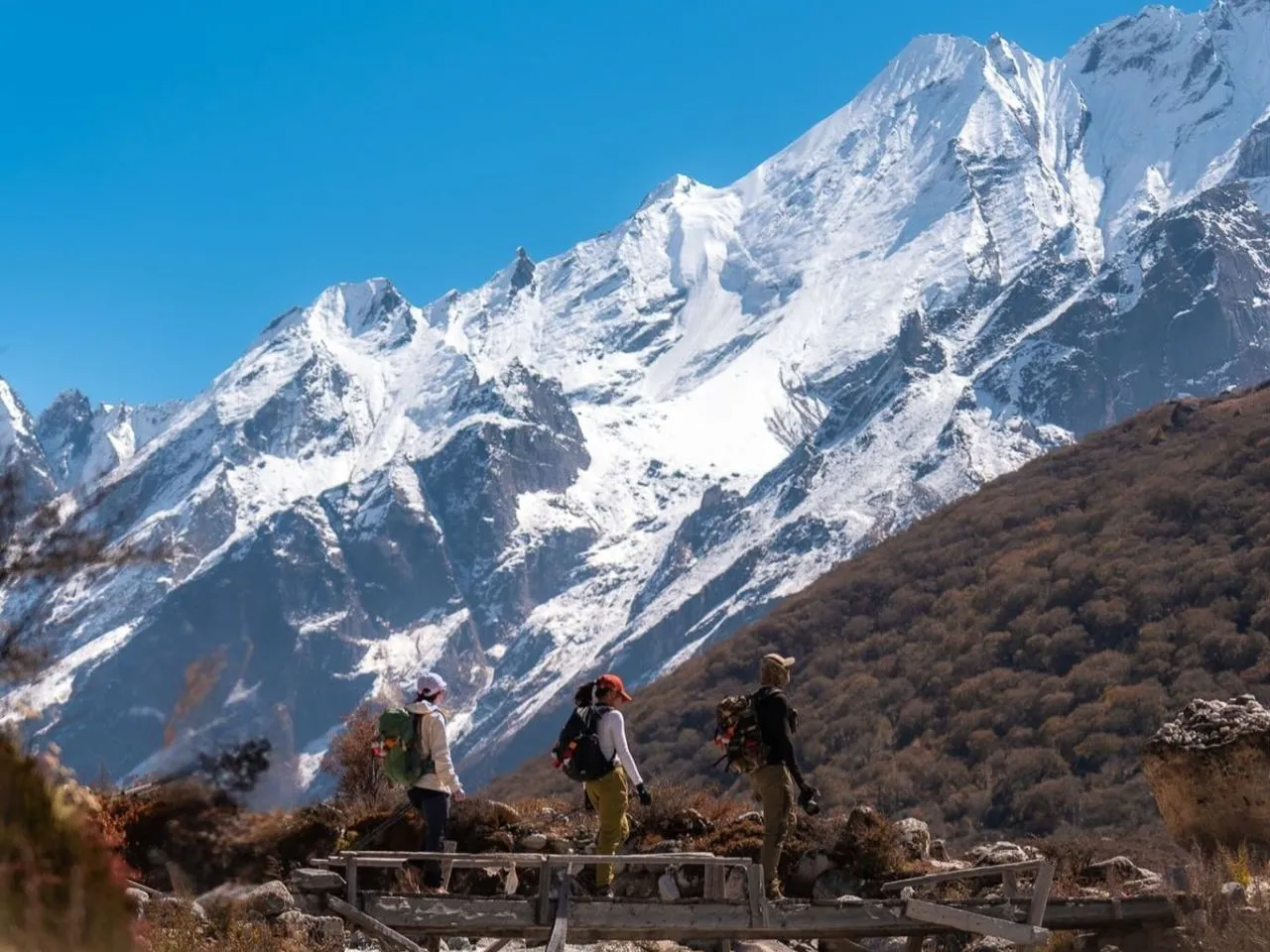
Trek de luxo Langtang – 10 dias
Trek de luxo Langtang – 10 dias
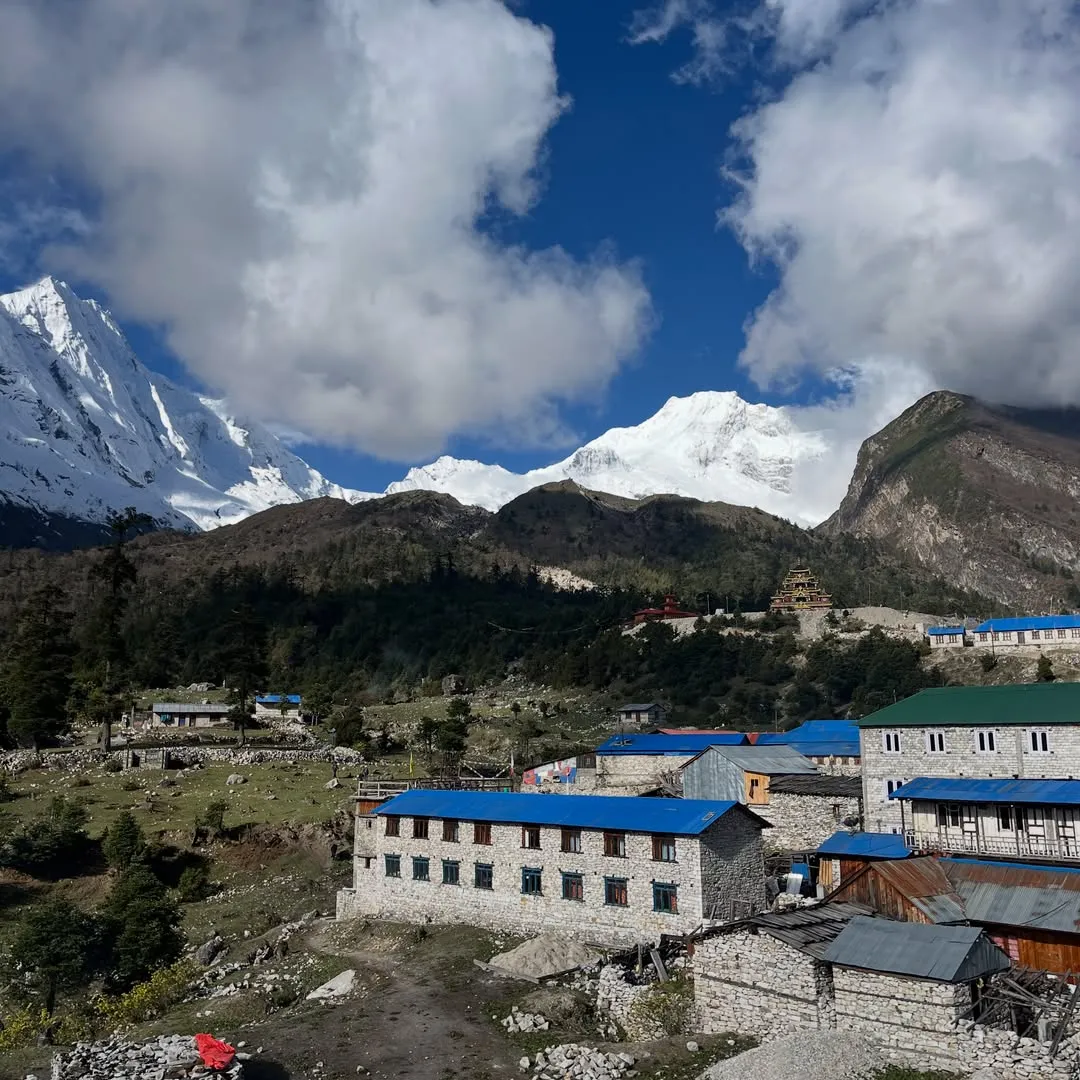
Trek em família Manaslu – 12 dias
Trek em família Manaslu – 12 dias
Trek de luxo em Manaslu – 14 dias
Trek de luxo em Manaslu – 14 dias

Trek de fotografia de Manaslu – 17 dias
Trek de fotografia de Manaslu – 17 dias
 English
 Deutsch
 Svenska
 Dansk
Dansk Русский
 Français
 Português
 Español
 Polski
 简体中文
简体中文 日本語
日本語 ไทย
ไทย العربية
 한국어
한국어